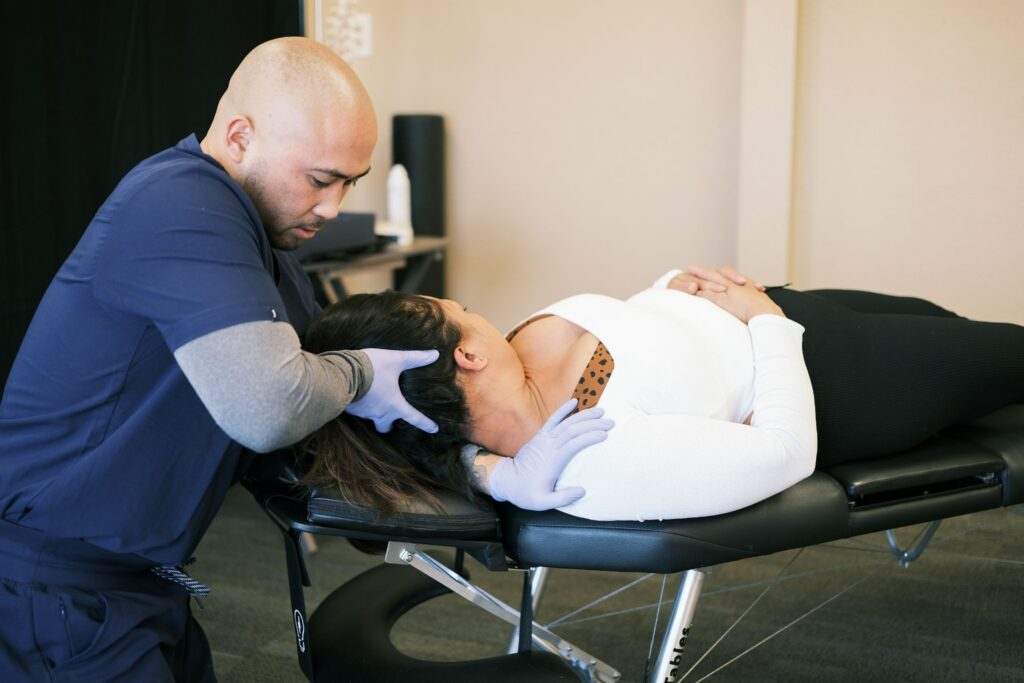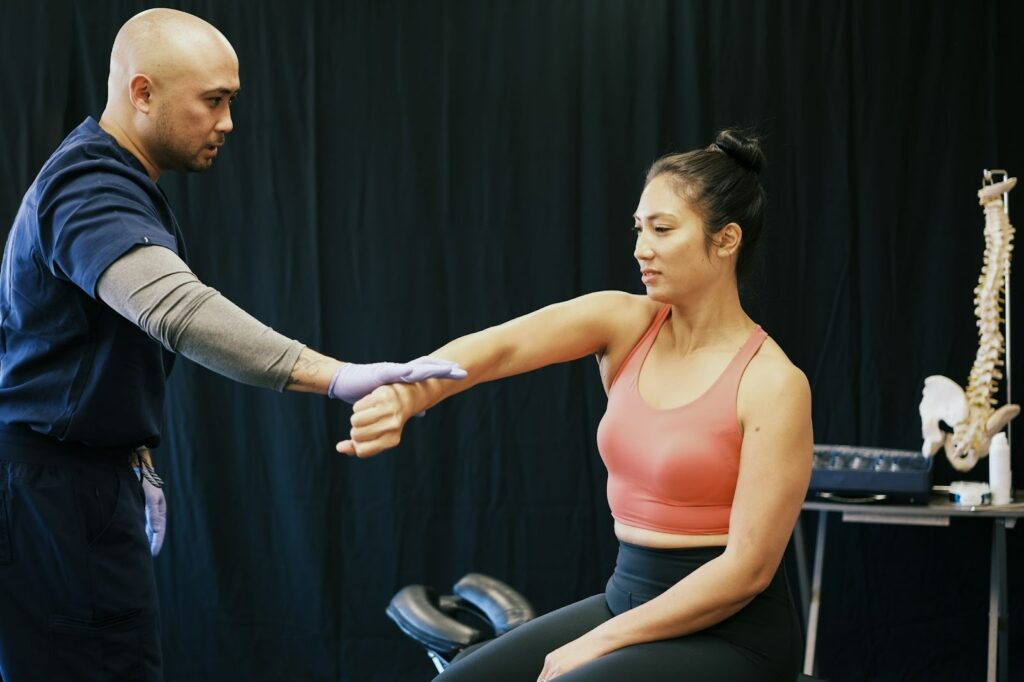

You might not realize how chiropractic care can be a powerful ally in your journey toward relaxation. By focusing on spinal health and incorporating various techniques, you can effectively alleviate stress and tension in your body. From spinal adjustments that relieve nerve pressure to soft tissue therapies that ease muscle tightness, chiropractic care offers a holistic approach to wellness. But there's more to this practice than just physical adjustments—understanding the role of mindfulness and nutrition can further enhance your relaxation experience. Curious about how to integrate these elements into your routine?
Understanding Chiropractic Care
Many people mightn't fully grasp what chiropractic care entails. At its core, chiropractic care focuses on diagnosing and treating musculoskeletal disorders, particularly those related to the spine. You might think of chiropractors as specialists who manipulate the spine to alleviate pain, but their approach goes beyond just adjustments.
When you visit a chiropractor, they'll assess your posture, range of motion, and overall physical condition. They'll often ask detailed questions about your lifestyle, habits, and any discomfort you're experiencing. This thorough evaluation helps them identify the root causes of your issues, rather than merely addressing symptoms.
Chiropractors employ various techniques, including spinal adjustments, soft tissue therapy, and exercise recommendations. You'll find that they often emphasize the importance of maintaining proper spinal alignment and overall body mechanics.
They believe that when the spine is properly aligned, your body can function effectively, promoting better health and well-being. It's essential to understand that chiropractic care isn't just for pain relief.
It's about enhancing your body's natural ability to heal and function efficiently. By focusing on the spine and its connection to the nervous system, chiropractors aim to improve not just physical health but also your overall quality of life.
Benefits of Spinal Adjustments
Spinal adjustments can greatly enhance pain relief, helping you feel more comfortable in your daily life.
You'll also notice an improvement in your sleep quality, allowing you to wake up refreshed and ready to tackle the day.
Understanding these benefits can motivate you to explore chiropractic care further.
Pain Relief Enhancement
Experiencing pain relief through chiropractic adjustments can greatly enhance your overall well-being. When you visit a chiropractor, they focus on realigning your spine, which can alleviate pressure on your nerves and muscles. This realignment often leads to a significant reduction in pain, whether you're dealing with chronic issues or acute discomfort.
You'll likely notice that your range of motion improves as well. By addressing misalignments, chiropractic care helps restore proper function to your body. This means you can engage in daily activities without being hindered by pain. Many patients report feeling more energetic and less fatigued after receiving adjustments, which can further contribute to a positive mood and greater motivation.
Additionally, chiropractic adjustments can help you manage pain without relying on medication. This natural approach reduces the risk of side effects associated with pharmaceuticals, allowing you to feel better while supporting your body's healing process.
Improved Sleep Quality
After addressing pain relief, you might find that chiropractic care also plays a significant role in enhancing your sleep quality. Many people struggle with insomnia or restless nights, often due to discomfort or stress.
By receiving spinal adjustments, you can align your spine, reduce tension, and promote relaxation, all of which contribute to a better night's sleep.
When your spine is properly aligned, your nervous system functions more efficiently, allowing your body to communicate effectively. This improved communication can help regulate sleep patterns and promote deeper, more restorative sleep.
You may also notice a decrease in stress and anxiety levels, further aiding your ability to fall asleep and stay asleep.
Regular chiropractic visits can help address underlying issues that disrupt your sleep, such as muscle tightness or postural imbalances.
Techniques for Stress Relief
Chiropractic care often incorporates various techniques that effectively promote stress relief and relaxation. By focusing on your body's alignment and overall wellness, these methods can help you release tension and cultivate a sense of calm.
Here are some techniques you might experience during your chiropractic sessions:
- Spinal Adjustments: These adjustments target misalignments in your spine, relieving pressure on nerves and reducing stress levels. You'll feel more balanced and relaxed afterward.
- Breathing Exercises: Your chiropractor may guide you through deep breathing techniques that help calm your mind and reduce anxiety. Focusing on your breath can ground you, promoting a tranquil state.
- Posture Correction: Many people unknowingly hold tension in their bodies due to poor posture. Your chiropractor will work with you to correct your posture, minimizing strain and promoting a more relaxed demeanor.
- Lifestyle Recommendations: Your chiropractor might suggest lifestyle changes, like incorporating regular exercise or mindfulness practices, to help you manage stress outside of the office. These adjustments can create a holistic approach to your well-being.
Implementing these techniques into your routine can enhance your overall sense of relaxation and well-being.
When you combine chiropractic care with these stress relief strategies, you're not just addressing the symptoms of stress; you're working towards a healthier, more balanced life.
Embrace these methods, and you'll likely find yourself handling life's challenges with greater ease.
Role of Soft Tissue Therapy
Focusing on the muscles surrounding the spine, soft tissue therapy plays an essential role in enhancing relaxation and alleviating stress. This therapy targets the muscles, ligaments, and tendons, helping to release tension that often accumulates due to daily stressors.
When you experience tightness or discomfort in these areas, it can lead to a cycle of stress and anxiety. Soft tissue therapy helps break that cycle by promoting blood flow and increasing flexibility.
During a session, your chiropractor may use various techniques such as massage, myofascial release, or trigger point therapy. These methods help to relieve muscle tension, improve posture, and increase your overall sense of well-being.
You might notice that as your muscles relax, your mind follows suit—allowing for a deeper state of relaxation.
Incorporating soft tissue therapy into your chiropractic care can also help enhance the effectiveness of spinal adjustments. When your muscles are relaxed, your chiropractor can align your spine more easily, leading to better results.
Additionally, this therapy can reduce inflammation and pain, making it an excellent complementary treatment for those with chronic stress-related issues.
Incorporating Mindfulness Practices
Integrating mindfulness practices into your routine can considerably enhance the relaxation benefits you gain from soft tissue therapy. When you combine these techniques with your chiropractic care, you create a holistic approach to stress relief and overall well-being.
Mindfulness allows you to center your thoughts, making it easier to unwind and focus on your body's needs.
Here are some effective mindfulness practices to reflect on incorporating into your routine:
- Deep Breathing: Take a few moments each day to focus on your breath. Inhale deeply through your nose, hold for a few seconds, and exhale slowly through your mouth. This simple practice can lower stress levels and improve your mental clarity.
- Meditation: Set aside time for meditation, whether it's guided or self-directed. This practice helps you cultivate awareness and brings you back to the present moment, reducing anxiety.
- Body Scan: As you lie down after a soft tissue therapy session, perform a body scan. Focus on each part of your body, acknowledging any tension and consciously relaxing those areas.
- Mindful Walking: During walks, pay attention to each step you take. Notice the ground beneath your feet and the rhythm of your breath. This practice can ground you and enhance your connection with your body.
Importance of Posture Awareness
During daily activities, being aware of your posture can considerably influence your overall well-being. Good posture isn't just about looking confident; it's essential for your physical health. When you maintain proper alignment, you reduce the strain on your muscles and joints, which can lead to less discomfort and fatigue throughout the day.
You mightn't realize it, but poor posture can contribute to various issues, from back pain to headaches. By consciously adjusting your posture, you can help alleviate these problems before they escalate. For instance, when sitting at your desk, make sure your feet are flat on the ground, your back is straight, and your shoulders are relaxed. This simple adjustment can make a significant difference in how you feel.
Incorporating posture awareness into your daily routine doesn't have to be overwhelming. Start by taking short breaks to check your alignment. Stretch your neck and shoulders, and remind yourself to sit or stand tall. You can even set reminders on your phone to encourage you to reevaluate your posture throughout the day.
Not only does good posture boost your physical health, but it can also enhance your mood and energy levels. When you're aligned properly, you'll likely feel more focused and less fatigued, helping you tackle your tasks with more ease.
Nutrition and Relaxation
Nutrition plays an essential role in promoting relaxation and overall well-being. When you nourish your body with the right foods, you're not only supporting physical health but also enhancing your mental state. Certain nutrients can help reduce stress and anxiety levels, allowing you to unwind more easily.
To optimize your relaxation through nutrition, consider incorporating these elements into your diet:
- Magnesium-rich foods: Foods like spinach, almonds, and black beans can help relax muscles and calm your nervous system.
- Omega-3 fatty acids: Found in fatty fish like salmon and walnuts, these healthy fats support brain health and can reduce symptoms of anxiety.
- Herbal teas: Chamomile and lavender teas can promote relaxation and improve sleep quality, making it easier for you to destress after a long day.
- Complex carbohydrates: Whole grains, such as brown rice and quinoa, can increase serotonin levels in the brain, contributing to a more relaxed mood.
Creating a Relaxation Routine
Creating a relaxation routine can greatly enhance your overall well-being.
You can incorporate daily stretching exercises, mindfulness practices, and breathing techniques to help you unwind.
Daily Stretching Exercises
Establishing a sense of calm is essential for your overall well-being, and incorporating daily stretching exercises into your routine can greatly enhance relaxation.
Stretching not only helps release tension in your muscles but also improves blood flow and flexibility. By setting aside a few minutes each day, you can create a calming ritual that prepares your body and mind for a more relaxed state.
Consider adding these simple stretching exercises to your daily routine:
- Neck Stretch: Gently tilt your head to one side, holding for 15-30 seconds, then switch sides to alleviate tension.
- Shoulder Rolls: Roll your shoulders forward and backward in a circular motion to release tightness.
- Seated Forward Bend: While sitting, reach for your toes to stretch your back and hamstrings, holding for a deep breath.
- Cat-Cow Stretch: On all fours, alternate between arching and rounding your back to enhance spinal flexibility.
Mindfulness and Meditation
Incorporating mindfulness and meditation into your relaxation routine can further enhance the benefits of daily stretching. By being present in the moment, you'll deepen your connection to your body and enhance the effectiveness of your stretches.
Start by setting aside a few minutes each day to focus on your breath and clear your mind. Find a quiet space where you won't be disturbed, and sit or lie comfortably.
Close your eyes and take a moment to notice how your body feels. Acknowledge any tension or discomfort, and allow yourself to simply be. As you meditate, visualize your muscles relaxing and the tension melting away. You might find it helpful to use guided meditation apps or videos to stay focused.
You can also incorporate mindfulness into your stretching routine. As you hold each stretch, pay attention to the sensations in your body. Notice how your muscles respond and adjust your stretches as needed.
Breathing Techniques Practice
Three simple breathing techniques can greatly enhance your relaxation routine and complement your chiropractic care.
By incorporating these techniques into your daily practice, you can reduce stress, improve focus, and boost your overall well-being.
Here's how you can get started:
- Diaphragmatic Breathing: Lie on your back or sit comfortably. Place one hand on your chest and the other on your belly. Inhale deeply through your nose, allowing your diaphragm to expand, and exhale slowly through your mouth. This technique promotes deeper relaxation.
- Box Breathing: Visualize a box as you breathe. Inhale for a count of four, hold your breath for four, exhale for four, and hold again for four. Repeat this cycle several times to calm your mind and body.
- 4-7-8 Breathing: Inhale through your nose for a count of four, hold your breath for a count of seven, then exhale through your mouth for a count of eight. This technique helps to lower anxiety and promote restful sleep.
- Mindful Breathing: Focus solely on your breath. Notice the sensations as you breathe in and out, allowing distractions to fade away.
Integrating these techniques can lead to profound relaxation.
Conclusion
Incorporating chiropractic care into your relaxation routine can greatly enhance your overall well-being. By focusing on spinal health, practicing mindfulness, and staying aware of your posture, you're setting yourself up for success. Don't forget the power of nutrition in supporting your relaxation efforts. By creating a personalized routine that includes these elements, you'll empower yourself to manage stress more effectively and enjoy a more serene, balanced life. Embrace these natural methods and feel the difference!