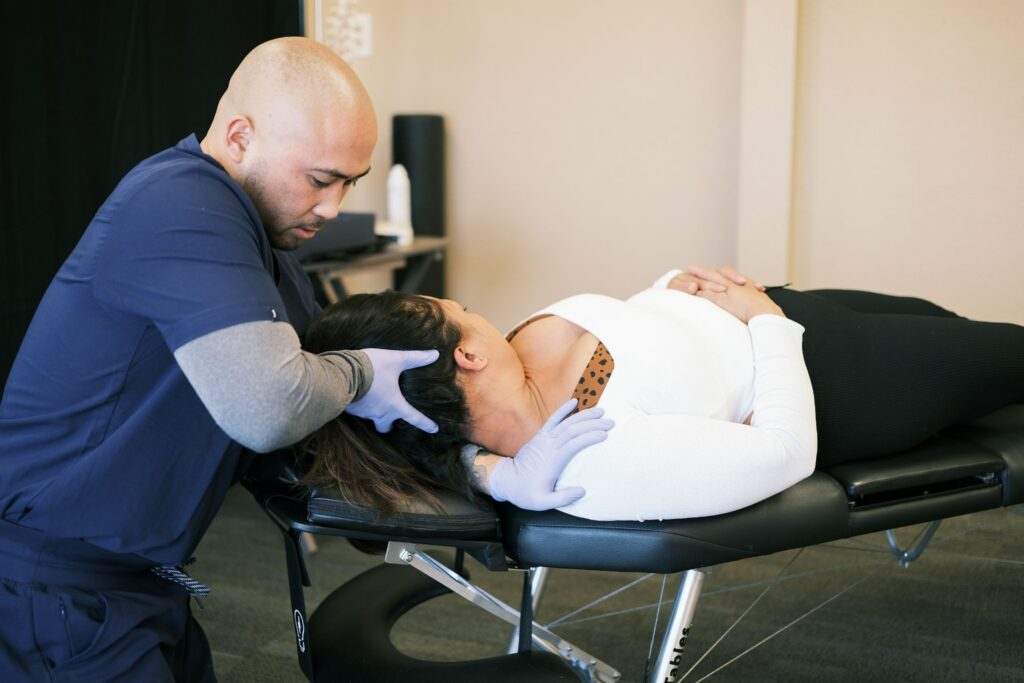

As a local chiropractor, I want to help you understand how making simple adjustments in your training and recovery can significantly enhance your athletic performance. It's crucial to pay attention to how your body moves and responds to different activities. By incorporating chiropractic care into your routine, you can improve your body mechanics, which in turn boosts your efficiency and helps prevent injuries.
Many athletes believe that the key to better performance lies in pushing themselves harder. However, I encourage you to work smarter, not just harder. Small changes, like optimizing your posture and aligning your spine, can lead to substantial improvements in your overall performance. The real challenge is knowing where to start and how to adapt as you progress.
Chiropractic care focuses on natural healing and optimizing your body's function. By understanding your unique needs, we can work together to find the adjustments that will make a real difference for you. Let's explore how these changes can benefit your athletic journey!
Understanding Body Mechanics
As a local chiropractor, I want to emphasize the importance of understanding body mechanics for enhancing your overall health and athletic performance. Body mechanics refers to how your body moves and how different parts interact during physical activity. By familiarizing yourself with these principles, you can improve your efficiency and significantly reduce the risk of injuries.
First and foremost, let's discuss posture. Maintaining proper alignment is crucial for allowing your muscles to function effectively, whether you're engaging in sports or simply going about your daily activities. Poor posture, such as slouching or overextending, can lead to unnecessary strain and fatigue. I encourage you to regularly assess your posture during both workouts and everyday movements to promote better health.
Next, it's important to understand your range of motion. Each joint in your body has a unique range of movement, and knowing this can help you execute exercises both safely and correctly. For example, when performing squats, ensure that your knees don't extend beyond your toes to maintain stability and minimize stress on your joints.
Additionally, consider your center of gravity, which plays a vital role in your stability and balance. Properly shifting your body weight allows for smoother movement. I recommend incorporating exercises that boost your balance and coordination, such as single-leg stands or agility drills, into your routine.
Lastly, let's talk about the kinetic chain. This concept highlights how different parts of your body work together during movement. Strengthening your core is particularly important, as it provides a solid foundation for your limbs and can greatly enhance your performance.
Tailoring Training Regimens
Tailoring your training regimen isn't just about maximizing athletic performance; it's also crucial for maintaining overall health and preventing injuries. As a chiropractor, I see many patients who struggle with discomfort or limitations due to improper training techniques or a lack of personalized approach in their fitness routines. Every individual has unique strengths, weaknesses, and physical characteristics, so it's important to avoid a one-size-fits-all mentality when it comes to exercise.
Start by assessing your current fitness level and identifying your specific goals. Understanding the demands of your chosen activity, whether it's running, weightlifting, or any other sport, is essential. This self-evaluation will allow you to create a program tailored to your unique needs, promoting both health and performance.
Incorporating a balanced mix of strength training, endurance, and skill development is key. For example, if you're focused on sprinting, emphasize exercises that build explosive strength and include high-intensity interval training. On the other hand, if your goal is long-distance running, prioritize aerobic conditioning and endurance-building activities.
Don't overlook the importance of flexibility and mobility training, as these components are vital for preventing injuries and enhancing your overall performance.
While consistency in your training is important, it's equally necessary to be adaptable. Regularly tracking your progress and listening to your body can help you identify when adjustments are needed. If you're experiencing fatigue or a plateau in performance, it might be wise to reassess your training intensity, volume, or frequency.
Remember that incorporating rest days or active recovery is essential for allowing your body to heal and perform at its best.
Finally, consider consulting with a chiropractor or fitness professional who can provide expert guidance on creating a personalized training regimen. We can offer valuable insights into biomechanics, injury prevention, and recovery strategies, ensuring that your approach to fitness is both effective and safe.
Optimizing Nutrition Plans
To support your overall health and well-being, optimizing your nutrition is essential, particularly if you're looking to enhance your physical performance. As a local chiropractor, I believe that the food you choose to fuel your body plays a crucial role in your energy levels, recovery, and overall vitality. It's important to assess your individual nutritional needs based on your lifestyle, activity level, and health goals.
A balanced diet that includes the right mix of macronutrients—carbohydrates, proteins, and healthy fats—serves as the foundation for optimal health.
Carbohydrates are vital for providing energy, especially during physically demanding activities. Incorporating complex carbohydrates like whole grains, fruits, and vegetables into your meals can help maintain your energy levels and prevent fatigue.
For those engaging in intense physical activity, pre-workout meals should focus on carbohydrates while keeping fats and fiber to a minimum to avoid digestive discomfort.
Protein is key for muscle repair and growth, which is especially important for anyone recovering from an injury or looking to enhance their physical strength. Focus on lean protein sources such as chicken, fish, beans, and legumes.
After exercising, it's beneficial to consume a protein-rich meal or snack to support recovery and muscle rebuilding.
Don't forget about healthy fats, which are important for hormone balance and reducing inflammation in the body. Including sources like avocados, nuts, and olive oil in moderation can contribute positively to your health.
Hydration is another critical factor in maintaining your health and performance. Staying well-hydrated is essential, as dehydration can significantly affect your physical capabilities. Aim to drink water consistently throughout the day, and consider electrolyte-rich beverages if you engage in prolonged physical activity.
Lastly, it's important to listen to your body. Pay attention to how different foods influence your energy, performance, and recovery. Being mindful of your dietary choices allows you to make adjustments that can maximize your health and athletic potential.
Enhancing Mental Resilience
Building mental resilience is crucial not only for athletes but for anyone looking to enhance their overall well-being, including those who may be unfamiliar with chiropractic care and natural healing.
It's important to recognize that mental strength goes hand in hand with physical health. Your mindset significantly influences how you cope with stress, setbacks, and the challenges of daily life.
To cultivate mental resilience, start by viewing challenges as opportunities for growth. Instead of fearing failure, consider it a crucial part of your journey towards improvement. This mindset shift can be transformative.
Incorporating mindfulness techniques into your routine—such as meditation or deep breathing—can be beneficial. These practices help you maintain focus and calmness, especially during stressful situations.
Additionally, visualization can be a powerful ally; by picturing yourself overcoming obstacles, you mentally prepare for real-life challenges and enhance your confidence.
Creating a solid support system is also vital for building resilience. Surround yourself with friends, family, and healthcare providers who uplift you and offer constructive feedback.
Sharing your experiences, whether struggles or triumphs, fosters accountability and nurtures a supportive environment for your growth.
Setting realistic goals is another key component. Break down your long-term objectives into smaller, manageable milestones. Celebrate every achievement, regardless of its size, as these victories reinforce your confidence and motivate you to keep going.
Lastly, it's important to develop positive self-talk habits. Challenge any negative thoughts and replace them with affirmations that highlight your strengths and capabilities.
Remind yourself of your past successes and the effort you've invested. By focusing on your strengths and maintaining a positive outlook, you'll find it easier to recover from setbacks and stay committed to your journey towards better health and resilience.
As a chiropractor, I encourage you to consider how both physical and mental health are interconnected.
Tracking Progress and Adjustments
Tracking your progress is vital for enhancing your overall health and well-being, especially when it comes to optimizing your body's performance and recovery. As a chiropractor, I often emphasize the importance of understanding how your body responds to different activities and treatments. By keeping a detailed record of your wellness journey, you can identify what benefits you and what may need adjustment, ensuring your efforts lead to the best possible outcomes.
Start by setting specific health goals. Whether you aim to improve your posture, increase mobility, or reduce pain, having clear targets gives you something to focus on. This can also be a great way to communicate your goals during visits to our chiropractic office.
Utilizing a health journal or app can be incredibly helpful in documenting your daily activities, including exercises, any chiropractic adjustments received, and how you feel throughout the day. This information creates a clear picture of your progress over time. Regularly reviewing this data can reveal patterns that help us, as your healthcare team, make informed adjustments to your treatment plan.
It's equally important to monitor your recovery and nutrition. These elements significantly influence your overall health. If you notice a decline in your well-being, it may be time to reassess your recovery strategies and dietary habits. Together, we can explore how these factors may be affecting your progress.
Additionally, conducting periodic assessments—like flexibility tests or posture evaluations—can provide valuable insights into your health status. These evaluations help us gauge your progress and motivate you to stay committed to your wellness journey.
Lastly, remain open to flexibility in your approach. If a particular strategy isn't yielding the results you're hoping for, don't hesitate to discuss adjustments. Adapting your plan based on your experiences ensures you stay on the right path toward achieving your health goals.
Conclusion
As a local chiropractor, I want to share with you how focusing on your body mechanics can elevate your athletic performance. By tailoring your training to your unique needs, optimizing your nutrition, and enhancing your mental resilience, you can truly unlock your potential.
Regular chiropractic adjustments play a crucial role in improving your mobility and flexibility, which ultimately helps prevent injuries and reduce fatigue. These adjustments encourage your body to function at its best, allowing you to respond better to your physical demands.
I encourage you to embrace these holistic strategies to stay adaptable and in tune with your body. Remember, even the smallest adjustments can lead to significant improvements in your athletic pursuits. Stay committed to your health journey, and together, we can help you push your limits and achieve your goals!