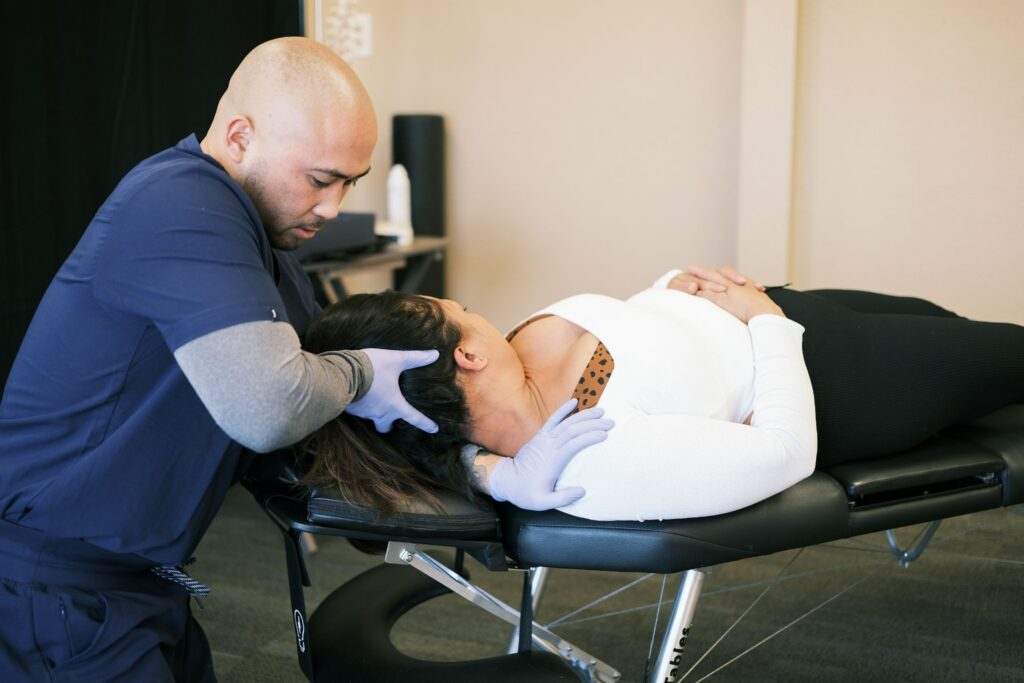

To maximize your athletic recovery, you need to contemplate a multifaceted approach that goes beyond just resting. It's not just about what you do after training; it's about integrating nutrition, hydration, and sleep into your routine. You might be surprised how small changes can lead to significant improvements in your performance and overall well-being. What if you could boost your recovery with techniques you haven't tried yet? Exploring effective strategies could make all the difference in your training regimen.
Importance of Athletic Recovery
Athletic recovery is vital for your performance and longevity in sports. When you push your body to its limits, whether through intense training or competition, it needs time to repair and rejuvenate. Ignoring recovery can lead to fatigue, decreased performance, and even injuries that may sideline you for weeks or months.
Understanding the importance of recovery is fundamental for any athlete. It's during this phase that your muscles repair and grow stronger, your energy stores replenish, and your overall body systems return to peak function. Without adequate recovery, you risk overtraining, which can lead to burnout and a plateau in your performance.
You might think that more training means better results, but that's not the whole story. Quality recovery allows your body to adapt to the stress it's undergone, enhancing your physical capabilities. Incorporating rest days, active recovery sessions, and proper sleep into your routine guarantees you maintain peak performance.
Additionally, recovery can enhance your mental focus. After intense workouts, your mind can become fatigued as well. Taking time to recover gives you a chance to reset mentally, so you can return to training with renewed motivation and clarity.
Ultimately, prioritizing recovery helps you stay healthy, perform better, and enjoy your sport for years to come. So, listen to your body and give yourself the rest you deserve.
Nutrition for Optimal Recovery
To recover effectively, you need to focus on nutrition that supports your body's needs.
Hydration, a balanced intake of macronutrients, and meal timing play vital roles in your recovery process.
Let's explore how each of these elements can help you bounce back stronger.
Importance of Hydration
While you may focus on training hard, neglecting hydration can severely hinder your recovery process. Water plays an essential role in almost every bodily function, from regulating temperature to transporting nutrients.
When you're dehydrated, your muscles can't perform at their best, leading to fatigue and decreased performance in subsequent workouts.
During intense training, you lose fluids through sweat, and failing to replenish those lost fluids can slow down your recovery. To optimize your recovery, aim to drink water consistently throughout the day, not just during workouts.
Monitor your hydration levels by paying attention to your urine color; a pale yellow indicates adequate hydration.
Additionally, consider incorporating electrolyte-rich beverages if you're training intensely. These can help restore the minerals lost through sweat, further enhancing your recovery.
Macronutrient Balance Essentials
A well-rounded macronutrient balance is necessary for peak recovery after intense training sessions. You need to focus on proteins, carbohydrates, and fats to effectively replenish your energy and repair your muscles.
First, prioritize protein intake. Aim for high-quality sources like lean meats, fish, eggs, or plant-based options such as beans and lentils. Protein helps rebuild muscle fibers torn during workouts, so don't skimp on it.
Next, carbohydrates are essential for restoring glycogen stores. After strenuous activity, your body craves carbs to refuel. Incorporate whole grains, fruits, and vegetables into your meals. These not only provide the necessary energy but also offer crucial nutrients for overall recovery.
Lastly, healthy fats shouldn't be overlooked. Incorporate sources like avocados, nuts, and olive oil. Fats support hormone production and help reduce inflammation, which is important after high-intensity workouts.
Balancing these macronutrients in your diet creates a solid foundation for recovery. By ensuring you get enough protein, carbs, and healthy fats, you'll enhance your performance and prepare your body for the next challenge.
Timing Your Meals
Meal timing plays an essential role in enhancing your recovery process after intense workouts. You can boost your recovery by strategically planning when to eat. Consuming the right nutrients at the right times can greatly improve muscle repair and replenish energy stores.
Here are three key meal timing strategies to reflect on:
- Post-Workout Window: Aim to eat a balanced meal within 30 to 60 minutes after finishing your workout. This is when your muscles are most receptive to nutrients, helping to kickstart the recovery process.
- Carbohydrate Loading: If you have another workout scheduled within 24 hours, think about consuming a carbohydrate-rich meal shortly after your intense training. This will replenish glycogen stores, ensuring you have enough energy for your next session.
- Regular Meals: Maintain a consistent eating schedule throughout the day. Having regular meals helps stabilize blood sugar levels and provides your body with a steady stream of nutrients for continuous recovery.
Hydration Strategies for Athletes
Hydration is essential for your performance and recovery, and maintaining electrolyte balance plays a key role in this process.
You need to be mindful of when and how much fluid you're consuming to optimize your hydration strategy.
Let's explore how timing and electrolytes can enhance your athletic recovery.
Importance of Electrolyte Balance
Maintaining electrolyte balance is fundamental for ideal athletic performance and recovery. Electrolytes like sodium, potassium, and magnesium play essential roles in muscle function, hydration, and overall energy levels.
When you sweat during intense workouts, you lose these significant minerals, which can lead to fatigue, cramps, and decreased performance.
To guarantee you're on top of your game, consider these strategies:
- Hydrate with Electrolyte-Enhanced Drinks: Instead of plain water, opt for sports drinks or electrolyte powders that replenish lost minerals. Look for options low in sugar to avoid energy crashes.
- Consume Whole Foods: Incorporate foods rich in electrolytes into your diet. Bananas, avocados, and leafy greens provide potassium and magnesium, helping maintain balance naturally.
- Monitor Your Sweat Rate: Everyone has different sweat rates. By tracking how much you sweat during workouts, you can better tailor your fluid and electrolyte intake to match your needs.
Timing of Fluid Intake
Understanding when to hydrate can make a big difference in your athletic performance and recovery. Proper timing of fluid intake helps you maintain ideal hydration levels, which is vital for endurance and strength.
Start hydrating before your workout; aim to drink water or a sports drink at least 2 hours beforehand. This pre-hydration guarantees your body's fluid levels are adequate when you hit the field or gym.
During exercise, sip on fluids regularly, ideally every 15 to 20 minutes. If you're exercising for over an hour, consider adding electrolytes to your drink to replace what you lose through sweat.
After your workout, rehydrate to recover effectively. Aim to drink at least 16 to 24 ounces of fluids for every pound lost during exercise.
Listen to your body; thirst is a good indicator, but don't rely solely on it. If you're feeling fatigued or experiencing muscle cramps, you're likely already dehydrated.
Keep track of your fluid intake and adjust based on your training intensity and climate conditions. With the right timing, you'll enhance your performance and speed up your recovery.
Sleep and Recovery Connection
Quality sleep is essential for ideal athletic recovery, serving as the body's natural repair mechanism. When you sleep, your body undergoes important processes that help you bounce back from intense workouts and competitions. Adequate rest not only rejuvenates your muscles but also enhances mental clarity and focus, both of which are essential for peak performance.
To maximize your recovery through sleep, consider these three key factors:
- Sleep Duration: Aim for 7-9 hours of quality sleep each night. This duration allows your body to complete necessary sleep cycles, including deep sleep and REM, which are crucial for muscle recovery and cognitive function.
- Sleep Environment: Create a sleep-friendly environment. Keep your bedroom dark, cool, and quiet to minimize disruptions. Consider using blackout curtains, earplugs, or a white noise machine to enhance your sleep quality.
- Sleep Consistency: Establish a regular sleep schedule. Going to bed and waking up at the same time each day helps regulate your body's internal clock, making it easier to fall asleep and wake up feeling refreshed.
Incorporating these practices into your routine can greatly improve your recovery.
Remember, prioritizing quality sleep isn't just a luxury; it's a necessity for any serious athlete.
Active Recovery Techniques
Active recovery techniques play an essential role in enhancing your athletic performance and speeding up recovery. These methods help you maintain blood circulation, reduce muscle soreness, and promote overall well-being without putting excessive strain on your body. You can easily incorporate active recovery into your routine, making it both effective and enjoyable.
One popular technique is low-intensity aerobic exercise, such as walking, cycling, or swimming. These activities elevate your heart rate and keep your muscles engaged while allowing them to recover. Aim for 20 to 30 minutes of light exercise, ideally the day after a tough workout or competition. This practice helps flush out metabolic waste products and aids in nutrient delivery.
Another effective method is engaging in recreational activities that you enjoy. This could be anything from dancing to playing a casual game of basketball. The key is to keep the intensity low and focus on having fun. Not only will this boost your mood, but it'll also help your body recover without the pressure of a structured workout.
Incorporating foam rolling or gentle massage into your active recovery routine can also be beneficial. These techniques help release muscle tightness and improve flexibility, making you feel more refreshed and ready for your next training session.
Stretching and Mobility Work
Incorporating stretching and mobility work into your recovery routine is essential for maintaining flexibility, preventing injuries, and enhancing overall athletic performance.
After intense workouts, your muscles can become tight and stiff, which may limit your range of motion and lead to discomfort. By prioritizing stretching and mobility, you'll not only feel better but also improve your athletic capabilities.
Here are three effective techniques to include in your routine:
- Dynamic Stretching: Before workouts, engage in dynamic stretches that mimic the movements of your sport. This warms up your muscles and increases blood flow, preparing your body for action.
- Static Stretching: After you finish exercising, focus on static stretching. Hold each stretch for 20-30 seconds to lengthen your muscles and enhance flexibility. Target areas that feel tight, such as hamstrings, quads, and hip flexors.
- Mobility Drills: Incorporate mobility exercises that enhance joint range of motion. Movements like hip circles, shoulder dislocates, and ankle rolls can improve your overall movement patterns and reduce the risk of injury.
Role of Foam Rolling
After you've focused on stretching and mobility work, foam rolling can play a significant role in your recovery process. This technique helps release muscle tightness and improve blood circulation, which are vital for speeding up recovery after intense workouts.
By applying pressure to specific areas of your body, you're fundamentally performing self-myofascial release, breaking down knots and tension that can lead to soreness or injury.
When you roll over a foam roller, you target trigger points in your muscles. This action helps increase flexibility and range of motion, allowing you to move more freely in your next session. You can use foam rolling both pre- and post-workout, but doing it after exercise is particularly beneficial. It helps flush out metabolic waste that builds up during your workout, reducing muscle soreness and stiffness.
To get the most out of foam rolling, spend at least 1-2 minutes on each muscle group, focusing on areas that feel tight or sore. Roll slowly, and don't rush the process. You might find some spots more sensitive than others, which is normal. Take your time and breathe through the discomfort.
Integrating foam rolling into your routine can enhance your athletic performance and decrease recovery time. By prioritizing this practice, you're not only investing in your recovery but also setting yourself up for success in future workouts.
Embrace foam rolling as a key component of your recovery strategy, and you'll likely notice significant improvements in your overall performance.
Cold and Heat Therapy
Cold and heat therapy can be powerful tools in your recovery arsenal. These techniques help to reduce soreness, improve blood flow, and speed up the healing process. Knowing when and how to use them can make a significant difference in your athletic performance.
Here's how you can effectively incorporate cold and heat therapy into your routine:
- Cold Therapy (Cryotherapy): Use ice packs or take ice baths to reduce inflammation and numb pain. This is especially beneficial after intense workouts or injuries. Aim for 15-20 minutes of cold exposure, allowing your body to return to normal temperature before reapplying.
- Heat Therapy: Apply heat via heating pads or warm baths to relax muscles and stimulate blood circulation. This is ideal for easing stiffness and preparing your body for activity. Limit heat exposure to 20-30 minutes, ensuring you don't overheat.
- Contrast Therapy: Alternate between cold and heat applications. This method can enhance circulation and reduce muscle soreness more effectively than using either method alone. For instance, switch between 3 minutes of cold and 1 minute of heat for a total of 30 minutes.
Mental Recovery Techniques
Mental recovery techniques play an essential role in enhancing your overall athletic performance and well-being. After intense training or competition, your mind often needs just as much recovery as your body. Incorporating mental strategies into your routine can help you bounce back quicker and improve your focus for future endeavors.
One effective technique is mindfulness meditation. By dedicating a few minutes each day to sit quietly and focus on your breath, you can reduce stress and enhance your concentration. This practice helps you stay present, allowing you to release tension and clear your mind of distractions.
Visualization is another powerful tool. Picture yourself succeeding in your sport—whether that's crossing the finish line or executing a perfect play. This mental imagery not only boosts your confidence but also reinforces the neural pathways related to your performance, making it more likely you'll achieve your goals during actual competition.
Additionally, journaling can be a great way to process your experiences. By writing down your thoughts, feelings, and reflections, you can identify areas for improvement and celebrate your successes, which can foster a positive mindset.
Finally, don't underestimate the power of social support. Engaging with teammates, coaches, or friends can provide emotional relief and motivation. Sharing experiences and discussing challenges can help you feel less isolated and more connected.
Incorporating these mental recovery techniques into your routine won't only enhance your performance but also contribute to your overall mental health. Prioritize your mind as much as your body to achieve peak athletic recovery.
Conclusion
To maximize your athletic recovery, focus on integrating these expert techniques into your routine. Prioritize hydration, balanced nutrition, and quality sleep to fuel your body. Incorporate active recovery methods and stretching to enhance flexibility and circulation. Don't underestimate the power of foam rolling and temperature therapies for muscle relief. Remember, mental recovery is just as vital—take time to relax and recharge. By adopting these strategies, you'll guarantee peak performance and minimize the risk of injury.