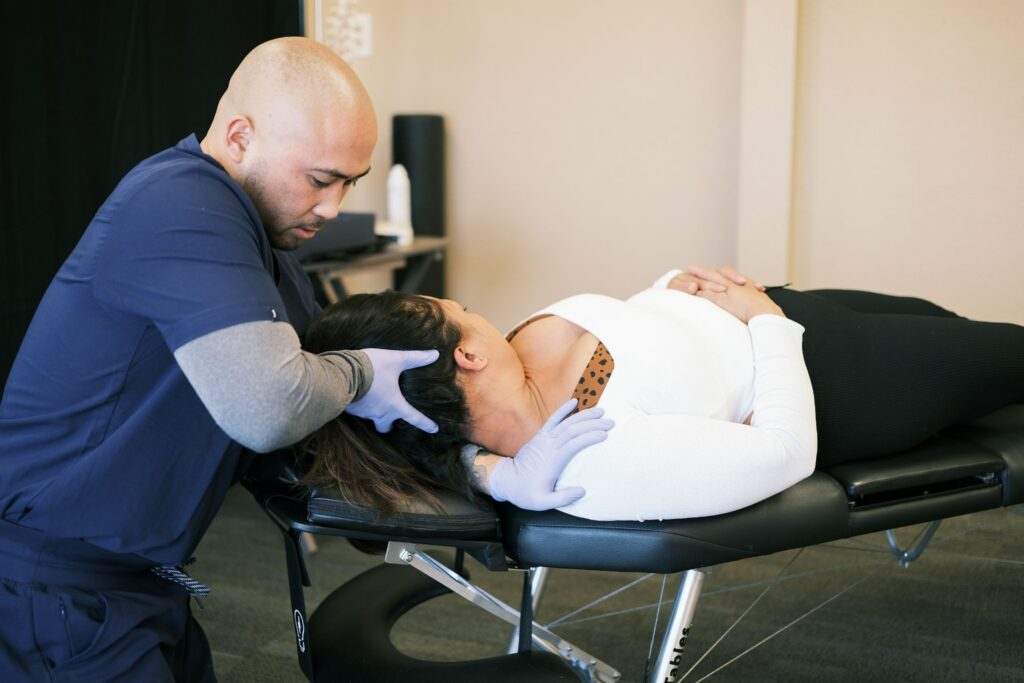

If you’re experiencing chronic neck pain, know that you’re not alone in this journey. Many individuals face discomfort that can disrupt daily life. As a chiropractor, I want to emphasize the significance of understanding the underlying causes of your neck pain and the vital role of maintaining good posture. These two elements are key to managing your discomfort effectively.
Chiropractic care is a natural and holistic approach to pain relief that focuses on restoring proper alignment to the spine and enhancing overall wellness. By addressing misalignments, we can help alleviate pressure on the nerves and muscles in your neck, leading to significant improvement in your symptoms.
Here are some practical strategies you can implement to support your neck health:
- Practice Good Posture: Be mindful of your posture throughout the day. Whether you’re sitting at a desk or using your phone, ensure your head is aligned over your spine. This reduces unnecessary strain on your neck.
- Take Regular Breaks: If you work long hours at a desk or in front of a screen, make it a habit to take short breaks every 30-60 minutes. Stretch your neck gently and move around to relieve tension.
- Incorporate Neck Exercises: Simple neck stretches and exercises can help improve flexibility and strength. For example, slowly tilt your head from side to side and forward and backward to gently stretch the muscles.
- Stay Hydrated: Proper hydration supports the health of your spinal discs, which can help alleviate neck pain. Aim to drink enough water throughout the day.
- Consult a Chiropractor: Regular chiropractic adjustments can help ensure your spine is in alignment, which is crucial for relieving neck pain and promoting overall wellness. Your chiropractor can create a personalized care plan tailored to your needs.
By adopting these strategies and prioritizing chiropractic care, you can take proactive steps toward regaining control and enhancing your quality of life. Remember, you don’t have to live with chronic neck pain—there are effective, natural solutions available to help you feel better.
Key Takeaways
Managing Chronic Neck Pain: A Guide
As a chiropractor, I understand how debilitating chronic neck pain can be. Here are some natural and effective strategies to help you find relief and improve your overall wellness.
- Optimize Your Posture: Ensure that your workstation is ergonomically designed. Keep your computer screen at eye level and your chair supportive to reduce strain on your neck. Good posture is crucial for spinal health and can significantly alleviate discomfort.
- Engage in Regular Movement: Incorporating gentle stretching and strengthening exercises into your routine can greatly benefit your neck muscles. Simple neck stretches, shoulder rolls, and even yoga can improve flexibility and support your spine. Remember, movement is key to healing!
- Manage Stress Naturally: Stress can lead to muscle tension, worsening neck pain. Techniques like deep breathing, meditation, or even mindfulness can help relax your muscles. By managing stress effectively, you can create a more peaceful environment for your body to heal.
- Keep a Pain Journal: Tracking your symptoms can be incredibly helpful. Record when your neck pain occurs, what activities you were doing, and any other factors that may contribute. This can help identify patterns and potential triggers, allowing us to tailor your chiropractic care for maximum relief.
- Seek Chiropractic Care: If your neck pain persists or interferes with daily activities, it’s essential to consult a chiropractor. We are trained to assess and treat the underlying issues causing your discomfort. Chiropractic adjustments can restore proper alignment, relieve pressure, and promote natural healing without the need for medications or surgery.
Remember, the journey to wellness starts with small changes. Prioritize your health by focusing on natural solutions and seeking expert guidance from a chiropractor. Together, we can work towards achieving optimal health and a pain-free life!
Understanding Chronic Neck Pain
Chronic neck pain can feel like an unwelcome companion, sticking around long after an injury or strain has healed. It can disrupt your daily life, making even simple tasks, like turning your head or looking up, feel daunting. You may experience stiffness, discomfort, or even headaches that seem to originate from your neck. Understanding this pain is essential for managing it effectively, and chiropractic care can play a vital role in your journey toward relief.
Your neck supports your head and houses crucial structures like nerves and muscles. Over time, factors such as poor posture, repetitive motions, or stress can lead to ongoing discomfort. Even emotional stress can manifest physically, causing your neck muscles to tighten. Recognizing these patterns is key, and with chiropractic adjustments, we can help restore balance and function to your neck, easing that persistent pain.
It’s easy to feel overwhelmed by chronic neck pain, but remember, you’re not alone in this experience. Gaining awareness about your pain and how chiropractic care can help is the first step in reclaiming your comfort and well-being. Regular chiropractic adjustments can improve your spinal alignment, reduce inflammation, and relieve muscle tension, all of which contribute to alleviating neck pain.
In addition to seeking chiropractic care, there are simple tips you can incorporate into your daily routine to support your neck health. Consider these practices:
- Maintain Good Posture: When sitting or standing, ensure your back is straight and your shoulders are relaxed. This helps reduce strain on your neck.
- Take Breaks: If you work at a desk or spend a lot of time looking at screens, take regular breaks to stretch and move around. This can help prevent stiffness.
- Practice Relaxation Techniques: Stress management techniques such as deep breathing, meditation, or gentle yoga can help alleviate the physical tension in your neck.
- Stay Hydrated: Drinking plenty of water supports overall health and helps maintain the elasticity of your spinal discs.
- Use Supportive Pillows: When sleeping, choose pillows that keep your neck aligned with your spine to prevent strain.
Identifying the Causes
Understanding the origins of your neck pain is a vital step in finding effective relief, and as a chiropractor, I’m here to help guide you through this process. Start by reflecting on your daily activities and routines. Did you recently start a new job that involves long hours at a desk? Perhaps you’ve taken up a new sport or hobby that strains your neck. Recognizing these triggers is key to understanding the cause of your discomfort.
Next, think about any previous injuries or medical conditions that might be contributing to your neck pain. For instance, past whiplash from an accident or conditions like arthritis can lead to ongoing discomfort. Additionally, take a moment to assess your sleep habits. An unsupportive pillow or awkward sleeping position can create tension and exacerbate neck issues.
One practical tip I recommend is keeping a pain diary. Track your symptoms, noting when they flare up and any activities that coincide. This information is incredibly helpful when you consult with a chiropractor, who can better understand your situation and tailor a treatment plan just for you.
Chiropractic care focuses on natural healing and spinal alignment, which can alleviate pain and promote overall wellness. Regular adjustments can help restore proper function to your spine, reduce tension, and improve your quality of life.
Importance of Posture
Your posture plays a crucial role in managing chronic neck pain, and as a local chiropractor, I want to emphasize that maintaining proper alignment is essential for your overall health and well-being. Poor posture can lead to discomfort and strain, but with the right ergonomic solutions and tips, you can significantly improve your posture and alleviate pain naturally—without the need for surgeries or medications.
Let’s explore some simple adjustments and tips that can make a big difference in your daily life. First, be mindful of your sitting position. Ensure that your chair supports your lower back, and keep your feet flat on the ground. If you spend long hours at a desk, consider using a desk that allows you to alternate between sitting and standing. This can help reduce strain on your neck and back.
Additionally, make sure your computer screen is at eye level to avoid craning your neck. When using your phone, try to bring it up to eye level instead of bending your head down. Small changes like these can have a remarkable impact on your posture.
Incorporating regular chiropractic care into your wellness routine can also help you maintain proper alignment and reduce neck pain. Chiropractors focus on natural healing and can provide personalized adjustments that promote spinal health, leading to improved posture and overall well-being.
Effects of Poor Posture
Many people may not be aware that poor posture can significantly affect the health of your neck and lead to chronic pain. When you slouch or hunch over, the muscles in your neck and shoulders must work overtime to support your head, creating tension and discomfort. This strain can trap you in a cycle of pain that’s hard to escape.
Additionally, poor posture can impact your breathing and energy levels, making your discomfort even worse. Over time, these misalignments can lead to more serious issues, such as herniated discs or nerve compression, which can further complicate your health.
As a chiropractor, I believe that addressing your posture is essential for achieving optimal health and wellness. By becoming more aware of how you hold your body and making simple adjustments, you can relieve some of that pressure and promote better neck health.
Here are a few tips to help you improve your posture and reduce chronic pain:
- Mind Your Alignment: When sitting or standing, ensure your ears are aligned with your shoulders and your shoulders are back. This alignment helps distribute the weight of your head evenly.
- Take Frequent Breaks: If you work at a desk, take regular breaks to stand up, stretch, and move around. This helps relieve muscle tension and allows your body to reset.
- Invest in Ergonomics: Make your workspace more ergonomic by adjusting your chair height and monitor level. Your screen should be at eye level to prevent straining your neck.
- Practice Deep Breathing: Poor posture can affect your breathing. Take deep breaths throughout the day to promote relaxation and better oxygen flow to your muscles.
- Consider Chiropractic Care: Regular chiropractic adjustments can help realign your spine, reduce tension, and improve your overall posture. It’s a natural way to support your body’s healing processes and promote wellness.
By implementing these simple strategies and considering chiropractic care, you can take proactive steps toward a healthier neck and a more pain-free life.
Ergonomic Workplace Solutions
Improving your posture is just the beginning; creating an ergonomic workspace can significantly enhance your comfort and productivity while also supporting your spinal health. A properly adjusted workstation can reduce strain on your neck and back, which is essential for overall wellness. As a chiropractor, I believe that maintaining a healthy spine is crucial, and an ergonomic setup can be a simple yet effective way to help you achieve this.
Start with your chair—choose one that offers lower back support and allows your feet to rest flat on the floor. This helps maintain the natural curve of your spine. Position your monitor at eye level to avoid tilting your head, which can lead to discomfort and pain.
Here’s a quick reference to help you set up your workspace for better spinal health:
| Element | Ideal Position | Benefits |
|---|---|---|
| Chair | Feet flat on the floor | Reduces lower back strain, supports spinal alignment |
| Monitor | Eye level | Prevents neck strain, promotes better posture |
| Keyboard | Elbow at 90 degrees | Encourages wrist comfort, reduces risk of strain injuries |
| Desk Height | Below elbow level | Promotes good posture, supports overall spinal health |
Tips for Better Alignment
Maintaining proper alignment is crucial for reducing neck pain and promoting overall spinal health, and as a chiropractor, I believe that chiropractic care is one of the best ways to achieve this. Here are some simple tips to help you align your body and enhance your well-being naturally.
First, let’s look at your workstation. Ensure your computer screen is at eye level to avoid unnecessary strain on your neck. A simple adjustment can make a world of difference!
When sitting, choose a chair that provides support for your lower back, and keep your feet flat on the floor. This will help you maintain a healthy posture throughout the day.
If you find yourself on the phone frequently, consider using a headset instead of cradling the phone between your shoulder and ear. This small change can prevent muscle tension and discomfort in your neck.
Pay attention to your posture while walking, too. Keep your shoulders back and your head held high. Good posture not only helps align your spine but also boosts your confidence!
Don’t forget to take breaks! Regularly stretching your neck and shoulders can promote better circulation and relieve tension. Simple stretches can be done throughout your day to keep your muscles relaxed.
Lastly, be mindful of your sleeping position. A supportive pillow that keeps your head aligned with your spine can significantly impact your alignment overnight. A good night’s sleep is essential for your overall health!
By integrating these tips into your daily routine, you can improve your spinal health naturally. Remember, regular chiropractic adjustments can help maintain proper alignment and enhance your overall well-being.
If you have any concerns or need personalized guidance, don’t hesitate to reach out to your local chiropractor for support on your journey to optimal health.
Stretching and Strengthening Exercises
Incorporating stretching and strengthening exercises into your routine can significantly help alleviate chronic neck pain, and it’s a natural approach that complements chiropractic care. As a chiropractor, I believe that nurturing your body through movement is key to achieving optimal health.
Begin with gentle stretches to enhance flexibility and reduce tension in your neck. Simple movements like tilting your head side to side and forward and backward can work wonders. Aim to hold each stretch for about 15-30 seconds, repeating two to three times. This not only helps to relieve tightness but also promotes better mobility.
Next, let’s focus on strengthening exercises that support your neck muscles. Shoulder shrugs and neck rotations are excellent choices as they improve stability. You can use light resistance, such as a small weight or a resistance band, to gradually build strength without putting undue strain on your neck. Remember, it’s important to listen to your body—if something feels painful, stop immediately.
Consistency plays a vital role in your journey to wellness. Aim to perform these exercises several times a week for the best results. Additionally, being mindful of your posture while doing these exercises can enhance their effectiveness and contribute to overall spinal health.
By integrating these simple, natural practices into your daily routine, you can better manage neck pain and enhance your overall well-being.
And remember, chiropractic care is always here to support you in your quest for a healthier, pain-free life. Embrace these movements, and you’ll be taking significant steps towards natural healing and improved vitality!
Therapeutic Options
While exercises are important for managing chronic neck pain, exploring various therapeutic options can further enhance your recovery and overall well-being. Among the most effective choices is chiropractic care, which focuses on restoring proper alignment in the spine and addressing the root causes of pain.
Chiropractic adjustments can significantly alleviate neck pain and improve mobility by correcting misalignments and reducing tension in the muscles and nerves. Here’s a brief overview of different therapy options that complement chiropractic care:
| Therapy Type | Benefits | Considerations |
|---|---|---|
| Chiropractic Care | Addresses the root cause of pain, improves spinal alignment | Requires regular visits for optimal results |
| Acupuncture | May reduce pain and promote healing | Can require multiple sessions to feel the effects |
| Massage Therapy | Relaxes tense muscles and improves circulation | Can be costly, but effective in conjunction with chiropractic care |
Incorporating chiropractic care into your routine can create a comprehensive approach to healing. Your chiropractor can work with you to develop a personalized plan that may include exercises, stretches, and lifestyle changes to support your recovery.
General tips for managing neck pain naturally include:
- Maintain good posture: Be mindful of your posture while sitting, standing, and using electronic devices to reduce strain on your neck.
- Stay active: Regular movement and gentle stretching can keep your neck muscles flexible and strong.
- Use heat or cold therapy: Applying heat or cold packs can provide relief and reduce inflammation.
- Stay hydrated: Drinking plenty of water supports overall health and helps maintain the elasticity of your muscles and discs.
Always consult your chiropractor to find the best combination of therapies tailored to your needs. Listening to your body and making adjustments as necessary is key to discovering what works best for your unique situation. Emphasizing chiropractic care can lead you on the path to optimal health and natural wellness.
Lifestyle Modifications
To effectively manage chronic neck pain, it’s essential to make some important lifestyle modifications that can support your overall health and well-being. As a chiropractor, I believe that these adjustments can’t only help alleviate pain but also promote a healthier lifestyle without the need for medications or surgeries.
Start by optimizing your workspace. Ensure that your desk and chair are at the right height and that your computer screen is at eye level. This will help maintain proper posture and reduce strain on your neck. Consider using an ergonomic chair that supports your spine’s natural curve, and take regular breaks to stretch and move around.
Incorporating regular exercise into your routine is another key factor. Gentle activities like walking, swimming, or yoga can improve flexibility and strengthen the muscles that support your neck. Even simple neck stretches at your desk can make a significant difference.
Remember, staying active is vital for maintaining a healthy spine.
Practicing stress management techniques is also crucial. Stress can lead to muscle tension, which may worsen neck pain. Explore relaxation methods such as deep breathing exercises, meditation, or even engaging in hobbies that bring you joy. These practices can help promote a sense of calm and well-being.
Lastly, consider visiting a chiropractor for personalized spinal care. Chiropractic adjustments can help restore proper alignment to your spine, relieving pressure on nerves and reducing pain. A chiropractor can also provide tailored advice on exercises and lifestyle changes specific to your needs.
By making these simple changes and prioritizing chiropractic care, you can take control of your neck pain and enhance your overall quality of life.
Ergonomic Workspace Setup
Creating an ergonomic workspace is essential for anyone looking to alleviate chronic neck pain, especially if you find yourself spending long hours at a desk. By optimizing your environment, you can significantly reduce discomfort and support better posture, which is crucial for overall spinal health.
Here are some simple adjustments to consider that can make a big difference:
- Monitor height: Position your screen at eye level to avoid straining your neck. This helps keep your spine aligned and reduces tension.
- Chair support: Invest in an adjustable chair that offers good lumbar support. This will encourage proper posture and provide comfort as you work.
- Keyboard and mouse placement: Ensure that your keyboard and mouse are at elbow height. This promotes a relaxed posture and minimizes strain on your arms and shoulders.
- Foot position: Keep your feet flat on the ground or use a footrest if needed. This helps to maintain balance and support your lower back.
- Breaks: Remember to take short breaks every hour. Stand up, stretch, and move around to relieve tension and keep your body happy.
Incorporating these changes into your workspace can lead to a more comfortable and productive environment, ultimately supporting your journey towards optimal health.
As a chiropractor, I believe that a well-set workspace is an essential part of maintaining your spinal wellness and preventing pain. Consider these tips not just for comfort, but as a proactive approach to your health.
Embracing chiropractic care can further enhance your well-being by addressing any underlying issues and promoting natural healing.
Regular Exercise Routine
Creating an ergonomic workspace is a great first step towards maintaining good posture, but to truly manage chronic neck pain, incorporating a regular exercise routine is essential.
While chiropractic care is a fantastic way to address spinal health and alleviate pain, engaging in exercises that strengthen your neck and shoulder muscles can complement your treatment and provide significant relief.
Consider low-impact activities such as swimming, yoga, or Pilates. These exercises not only enhance flexibility but also promote better posture, which is vital for a healthy spine.
Aim for at least 30 minutes of moderate exercise on most days—this commitment will aid in your recovery and overall well-being.
Don’t forget the importance of stretching exercises that target the neck and upper back. These stretches can help alleviate tension and improve your range of motion.
Always listen to your body and make adjustments to movements as needed.
Remember, chiropractic care is here to support you on your journey to optimal health.
By combining regular exercise with chiropractic adjustments, you can effectively manage neck pain and enhance your vitality.
Stay active, stay aligned, and embrace a healthier lifestyle!
Stress Management Techniques
Managing chronic neck pain effectively often requires incorporating stress management techniques into your daily routine. High stress levels can make your pain worse, so finding ways to relax is crucial for your overall well-being.
Here are some simple techniques to help you unwind and support your healing journey:
- Mindfulness Meditation: Take a few moments each day to focus on the present. This practice can help calm your mind and reduce anxiety, allowing your body to heal more effectively.
- Deep Breathing Exercises: Slow, deep breaths can work wonders. By concentrating on your breath, you can promote relaxation throughout your body, which may help alleviate some of that neck tension.
- Progressive Muscle Relaxation: Try tensing and then relaxing different muscle groups in your body. This technique can help you release built-up tension and increase your awareness of how your body feels.
- Yoga or Tai Chi: Engaging in gentle movements through yoga or Tai Chi not only promotes relaxation but also improves flexibility. These practices can be beneficial for maintaining spinal health and reducing pain.
- Journaling: Take some time to write down your thoughts and feelings. This can help you gain perspective and clarity, reducing stress and allowing for a more positive mindset.
Incorporating these techniques into your life can support your pain relief efforts and overall wellness.
Remember, chiropractic care is a powerful tool for achieving optimal health and alleviating neck pain naturally. Consider working with your chiropractor to create a personalized plan that includes these stress management strategies alongside your chiropractic adjustments.
Together, they can help you live a healthier, pain-free life.
Self-Care Techniques
When dealing with chronic neck pain, incorporating effective self-care techniques can greatly enhance your comfort and mobility. As a chiropractor, I emphasize the importance of maintaining good posture throughout your day. Keep your shoulders relaxed and ensure that your head is aligned with your spine to reduce strain on your neck.
Regular stretching is another key component of managing neck pain. Gentle neck stretches, such as tilting your head side to side or forward and backward, can relieve tension and improve flexibility. Remember, consistency is key—take a few moments each day to incorporate these stretches into your routine.
Using heat or cold therapy can also be beneficial. Applying a warm compress or an ice pack for about 15 minutes can help ease pain and reduce inflammation. Experiment with both to see which one provides you the most relief.
Engaging in low-impact exercises like walking or swimming not only strengthens your neck but also promotes overall well-being. These activities can enhance your flexibility and support your spinal health, making chiropractic care even more effective.
Lastly, don’t overlook the importance of good sleep habits. A supportive pillow and sleeping on your back or side can help maintain proper neck alignment during the night, which is essential for recovery.
By integrating these self-care techniques into your daily routine, you can experience significant relief from neck pain.
When to Seek Professional Help
How do you know when it’s time to seek professional help for chronic neck pain? If your neck pain lingers despite trying self-care techniques, it’s crucial to consult a chiropractor. Listen to your body and recognize when the discomfort goes beyond a simple annoyance.
Here are some signs that indicate it’s time to reach out for chiropractic care:
- Pain that lasts longer than a few weeks
- Severe and sudden neck pain following an injury
- Numbness, tingling, or weakness in your arms or hands
- Difficulty moving your neck or holding your head up
- Pain that disrupts your daily activities or sleep
Don’t hesitate to seek guidance from a chiropractor. They specialize in understanding how the spine and nervous system work together to promote overall health. A chiropractor can provide a thorough assessment, identify the root cause of your neck pain, and recommend effective, natural treatment options tailored to your needs.
In addition to seeking professional help, here are some general tips to support your neck health:
- Maintain good posture while sitting and standing to reduce strain on your neck.
- Take regular breaks from activities that require prolonged neck positioning, such as working on a computer or looking down at your phone.
- Incorporate gentle stretches and exercises to keep your neck muscles flexible and strong.
- Use a supportive pillow while sleeping to keep your neck aligned.
Conclusion
Managing chronic neck pain can be a challenge, but as a chiropractor, I want to assure you that there are effective, natural ways to find relief and improve your overall well-being. By focusing on maintaining good posture, incorporating gentle stretching exercises, and making mindful lifestyle changes, you can significantly reduce discomfort in your neck.
One of the best tools you have at your disposal is chiropractic care. Regular adjustments can help align your spine, relieve tension, and promote healing in your neck. This natural approach not only addresses the pain but also supports your body’s ability to function optimally.
Here are some simple tips to help manage your neck pain:
- Posture Awareness: Be mindful of your posture throughout the day. Whether you’re sitting at a desk or using your phone, keep your head aligned with your spine to avoid unnecessary strain.
- Gentle Stretching: Incorporate regular neck stretches into your daily routine. Simple movements like tilting your head from side to side or gently rolling your shoulders can help ease tightness and improve flexibility.
- Ergonomic Adjustments: Make sure your workstation is set up ergonomically. Your computer screen should be at eye level, and your chair should support your back to promote good alignment.
- Hydration and Nutrition: Staying hydrated and eating a balanced diet can support your overall health and help your muscles function better. Foods rich in omega-3 fatty acids, such as fish and flaxseeds, can reduce inflammation.
- Relaxation Techniques: Stress can contribute to neck pain. Practice relaxation techniques like deep breathing, meditation, or yoga to manage stress levels and promote relaxation in your body.
Remember to listen to your body. If your neck pain persists or worsens, don’t hesitate to seek professional chiropractic care. With a proactive approach to your neck health, you can take control of your discomfort and work towards achieving optimal health naturally. Your journey to wellness starts with caring for your spine!