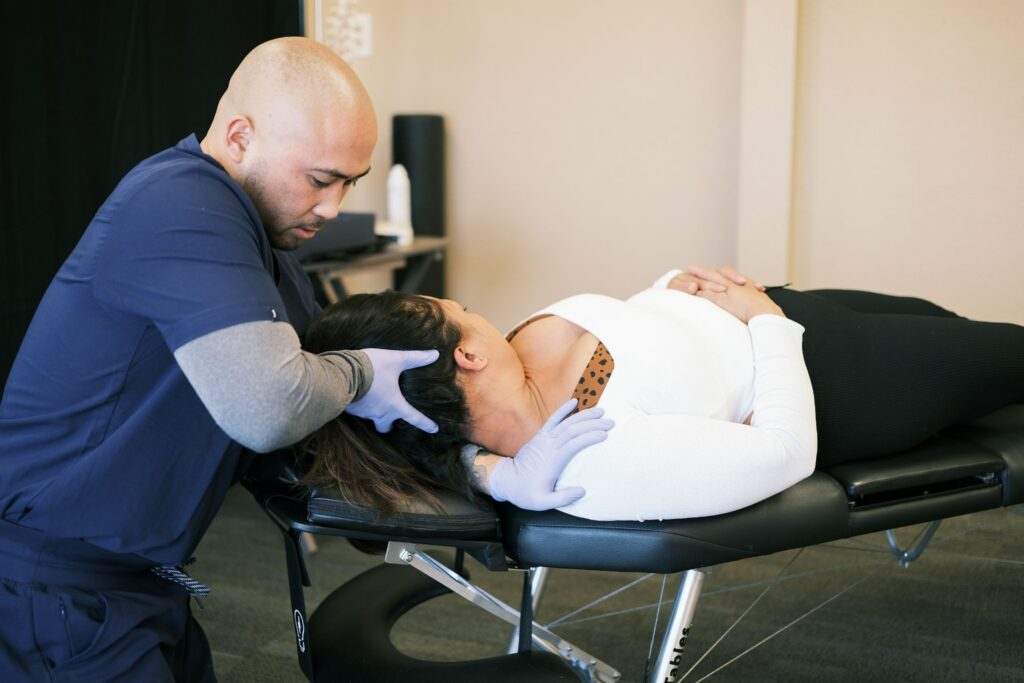

As a local chiropractor, I understand that back pain can be both frustrating and debilitating. However, I want you to know that you can take charge of your health with some straightforward lifestyle adjustments. By focusing on your posture, incorporating regular physical activity, and creating an ergonomic workspace, you can significantly lessen your chances of experiencing discomfort. While these changes may seem minor, their effects can be quite substantial.
Let’s delve into these strategies a bit further to help you implement them effectively:
- Posture Awareness: Maintaining proper posture is crucial for spinal health. Be mindful of how you sit, stand, and move throughout the day. Simple corrections can help align your spine and reduce strain.
- Regular Exercise: Engaging in regular exercise strengthens your back and core muscles, which are vital for supporting your spine. Aim for a mix of cardio, strength training, and flexibility exercises to promote overall wellness.
- Optimizing Your Workspace: An ergonomic workspace can make a world of difference. Ensure that your chair, desk, and computer setup promote good posture and comfort, reducing the risk of strain on your back.
If you have questions about how to make these changes or want to learn more about chiropractic care and natural healing, don’t hesitate to reach out. Together, we can work towards a pain-free life!
Improve Your Posture
As a local chiropractor, I want to emphasize how improving your posture can greatly impact your overall health and help prevent back pain. When you maintain proper alignment while sitting, standing, or walking, you significantly reduce strain on your spine and support your muscles. It’s important to be mindful of your posture throughout the day.
Start by keeping your shoulders back, your chest open, and your chin parallel to the ground. If you spend a lot of time at a desk, ensure that your chair is adjusted so your feet rest flat on the floor. Consider using a cushion to support your lower back, which can make a world of difference.
When standing, make sure to distribute your weight evenly across both feet and avoid locking your knees. Remember to carry heavy objects close to your body and utilize your legs when lifting to prevent injury.
Throughout your daily routine, take short breaks to stretch and reset your posture; this can be incredibly beneficial. Incorporating ergonomic furniture and tools into your workspace can further aid in maintaining better alignment.
Incorporate Regular Exercise
Incorporating regular exercise into your daily routine is crucial for maintaining a healthy back and preventing discomfort. As a chiropractor, I often emphasize the importance of staying active to strengthen your muscles, improve flexibility, and enhance your overall posture.
Here are four types of exercises I recommend for my patients:
- Stretching: I encourage you to engage in gentle stretches daily. This simple practice can significantly improve your flexibility and reduce tension in your back muscles, helping to alleviate stiffness.
- Strength Training: Focus on core-strengthening exercises, such as planks and bridges. These targeted movements support your spine and can reduce strain on your back, making a noticeable difference in your daily activities.
- Low-Impact Cardio: Activities like walking, swimming, or cycling are excellent choices. They boost circulation and promote overall health without putting additional stress on your back, making them ideal for everyone, especially those new to exercise.
- Yoga or Pilates: I highly recommend these practices, as they emphasize proper alignment, strength, and flexibility. They can be incredibly beneficial for your back health and overall body awareness.
I suggest aiming for at least 30 minutes of activity most days of the week.
By committing to regular exercise, you not only enhance your back health but also improve your overall well-being.
Optimize Your Workspace
As a local chiropractor, I want to share some important tips to help you protect your back while working at a desk for long hours. Optimizing your workspace is crucial in preventing discomfort and promoting overall spinal health.
First, adjust your chair to provide adequate support for your lower back. Ideally, your feet should rest flat on the floor, with your knees forming a 90-degree angle. This positioning helps maintain proper posture and reduces strain on your spine.
Next, pay attention to your desk height. When typing, your elbows should also be bent at a 90-degree angle. This alignment minimizes tension in your shoulders and neck, which can lead to discomfort over time.
Your monitor’s position is equally important. Ensure it’s at eye level to prevent unnecessary neck strain. If you’re using a laptop, I recommend investing in a stand and an external keyboard to achieve the correct height and positioning.
Remember to take breaks every hour. Getting up to stretch and move around not only promotes circulation but also helps prevent stiffness in your muscles and joints.
Lastly, keep commonly used items within easy reach. This practice will help you avoid awkward twisting or bending, which can lead to further discomfort and potential injury.
By implementing these simple adjustments, you can create a more ergonomic workspace that supports your back health.
As a chiropractor, I encourage you to prioritize your comfort and well-being while working, as your body will greatly appreciate these efforts.
Conclusion
As a local chiropractor dedicated to your well-being, I want to share three essential lifestyle changes that can significantly reduce your risk of back pain. First, let’s talk about posture. Maintaining good posture is crucial for spinal alignment and overall health. Be mindful of how you sit, stand, and move throughout your day.
Next, regular exercise is key. Engaging in physical activity not only strengthens your core muscles, which support your spine, but also enhances flexibility and overall mobility. I encourage you to find activities you enjoy, whether it’s walking, swimming, or yoga, to keep your body active and strong.
Lastly, optimizing your workspace can make a world of difference. Ensure that your desk, chair, and computer setup promote good posture and comfort. Small adjustments, like using an ergonomic chair or taking frequent breaks to stretch, can greatly improve your work environment.
By incorporating these changes into your daily routine, you’ll likely experience a positive shift in your back health and overall quality of life. Remember, taking charge of your health is a journey, and I’m here to guide you every step of the way towards a more active, pain-free life!