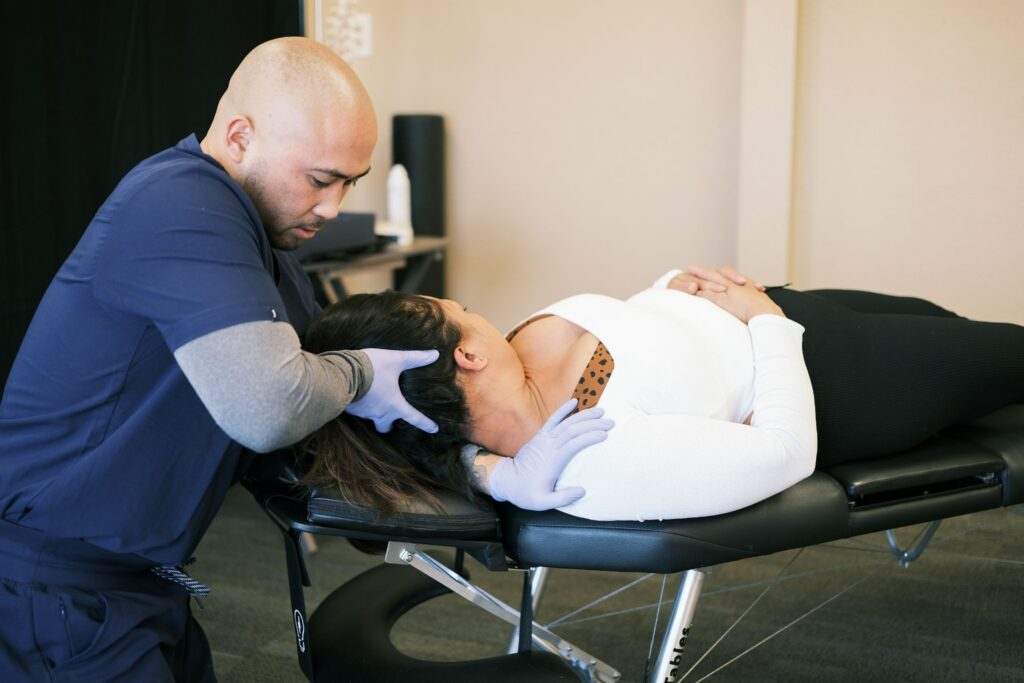

As a local chiropractor, I want to emphasize how crucial your posture is to your overall health and well-being. Many people don’t realize that poor posture can lead to discomfort and pain, affecting your daily activities and quality of life. It’s important to understand the underlying causes of your posture issues and take proactive steps to improve your alignment.
By making intentional adjustments, you can significantly enhance your posture and alleviate that persistent pain you may be experiencing. There are several effective strategies to consider, including simple habits, targeted exercises, and ergonomic changes in your environment.
Let’s delve into these approaches together, so you can start your journey towards better posture and a pain-free life. Remember, small changes can lead to significant improvements in how you feel every day!
Understanding the Importance of Good Posture
As a local chiropractor, I want to emphasize the vital role that good posture plays in your overall health and well-being. Many people may not realize just how significantly posture affects bodily functions, including digestion and breathing. When your body is properly aligned, your muscles and ligaments can work more efficiently, which helps reduce strain and fatigue.
You may be surprised to find that standing or sitting up straight not only enhances your confidence but can also uplift your mood.
Moreover, maintaining good posture can be a powerful preventative measure against chronic pain, particularly in the back, neck, and shoulders. By ensuring that your body weight is distributed evenly, you can minimize the risk of discomfort and injury. Remember, it’s not solely about aesthetics; it’s fundamentally about improving how you feel.
I encourage you to make a conscious effort to improve your posture, as this can lead to long-term benefits. You may experience increased energy levels and enhanced focus throughout your daily activities.
Common Causes of Poor Posture
As a local chiropractor, I want to help you understand how various factors can contribute to poor posture, even if you have the best intentions to maintain a healthy alignment. One of the primary offenders is the frequent use of electronic devices. When you find yourself hunched over your phone or computer for extended periods, it’s all too easy to slip into a slouched position that puts unnecessary strain on your neck and back.
Another significant cause of poor posture is muscle imbalances. In our bodies, some muscles may be stronger than others, leading to an uneven pull that can throw your alignment off balance and result in discomfort.
Additionally, if you lead a sedentary lifestyle and sit for long stretches, you may weaken your core and back muscles, making it more challenging to maintain good posture.
Stress is another factor we often overlook. When you’re feeling tense, you might unconsciously tighten your shoulders and hunch your back, further contributing to poor posture.
Lastly, the type of footwear you choose can significantly impact your alignment. Wearing improper shoes may cause you to shift your weight awkwardly, exacerbating posture issues.
Recognizing these common causes is a crucial first step in addressing poor posture. As a chiropractor, I’m here to guide you on your journey to better posture and overall health, utilizing natural healing methods to help restore balance and alignment in your body.
Together, we can work on strategies to improve your posture and enhance your well-being.
Daily Habits to Promote Better Posture
As a local chiropractor, I want to share some essential habits that can significantly enhance your posture and overall well-being.
First and foremost, it’s crucial to establish an ergonomic workspace that aligns with the natural curves of your body. This means adjusting your chair, desk, and computer screen to promote a healthy sitting position.
In addition to a well-designed workspace, incorporating specific stretching and strengthening exercises into your daily routine can profoundly impact your posture. These exercises help to build the muscles that support your spine, making it easier to maintain proper alignment.
Lastly, I encourage you to practice mindful sitting techniques throughout your day. Being aware of your posture while sitting can help you avoid slouching and other harmful habits.
Ergonomic Workspace Setup
As a chiropractor, I often emphasize the importance of creating an ergonomic workspace to help you maintain good posture and minimize discomfort during those long hours of work. One of the first steps is to adjust your chair so that your feet rest flat on the floor, and your knees are aligned with your hips. This positioning helps to support your spine and can significantly reduce strain on your body.
Next, consider the height of your keyboard. It should be at elbow level to prevent unnecessary strain on your wrists and forearms. Similarly, your monitor should be positioned at eye level. This alignment helps to avoid neck strain, which is a common issue I see in patients who spend a lot of time at their desks.
Using a chair with proper lumbar support is crucial as it helps to keep your spine aligned and can prevent back pain. Additionally, keep frequently used items within easy reach to minimize awkward movements that could lead to discomfort or injury. If you find that your feet don’t comfortably touch the ground, a footrest can be a helpful addition.
Lighting also plays a significant role in your workspace setup. Ensure your environment is well-lit to reduce eye strain, which can contribute to headaches and fatigue.
Stretching and Strengthening Exercises
As a local chiropractor, I want to emphasize the importance of incorporating stretching and strengthening exercises into your daily routine to support your spine and overall health.
Even if your workspace is set up ergonomically, it’s crucial to actively engage in exercises that promote good posture. Begin with simple stretches such as neck rolls and shoulder shrugs to alleviate tension that can build up throughout the day.
In addition, focus on strengthening your core, back, and shoulders with exercises like planks, bridges, and rows. A balanced routine that targets all major muscle groups is essential for maintaining proper alignment and supporting your spine effectively.
I recommend setting reminders to move every hour—whether that means standing up, stretching, or doing a quick set of exercises—to break up long periods of sitting.
Mindful Sitting Practices
As a local chiropractor, I want to share some insights on how your sitting habits can significantly influence your posture and overall health. Many people may not be aware, but by adopting mindful sitting practices, you can promote better spinal alignment and reduce discomfort.
Here are a few key habits to integrate into your daily routine:
- Align Your Body: It’s essential to maintain a proper alignment while sitting. Make sure to keep your back straight, shoulders relaxed, and your feet flat on the floor. Choosing a chair that provides support for your lower back can make a world of difference in maintaining good posture.
- Take Breaks: I can’t stress enough the importance of taking regular breaks. I recommend setting a timer to remind yourself to stand up and stretch every 30 to 60 minutes. This practice helps alleviate tension and enhances circulation, which is vital for your spine and overall well-being.
- Limit Distractions: To keep your posture in check, it’s important to limit distractions while sitting. Focus on maintaining a strong sitting posture and avoid slouching, which often occurs when we’re engrossed in our phones or computer screens. Reducing screen time can help you stay mindful of your alignment.
By implementing these simple habits, you can support your spine’s health and contribute to your overall wellness.
Exercises to Strengthen Postural Muscles
As a local chiropractor, I want to share some effective exercises that can help strengthen your postural muscles, which is vital for maintaining good spinal health and overall well-being. Incorporating these targeted movements into your routine can make a significant difference.
First, I recommend starting with planks. This exercise engages your core and back muscles, which are essential for proper posture. Aim to hold the plank position for 20-30 seconds to begin with, and as you become stronger, gradually increase the duration.
Another great exercise is wall angels. This movement helps improve shoulder mobility and alignment. To perform it, stand against a wall with your arms raised. Slide your arms up and down while keeping contact with the wall to promote proper shoulder positioning.
Bridges are also an excellent exercise to consider, as they activate your glutes and lower back. Lie on your back with your knees bent, lift your hips towards the ceiling, and hold for a few seconds. This will help strengthen the muscles that support your spine.
Finally, I encourage you to include rows with resistance bands in your routine. This exercise helps strengthen the upper back muscles, which play a crucial role in maintaining good posture. Stand on the band, pull it towards you, and focus on squeezing your shoulder blades together during the movement.
By consistently practicing these exercises, you’ll not only build a stronger foundation for better posture but also reduce discomfort over time.
Ergonomic Adjustments for Your Workspace
As a local chiropractor, I want to share the importance of creating an ergonomic workspace to help you reduce strain and enhance your comfort throughout the day.
Many people are unaware of how simple adjustments can significantly improve your posture and overall well-being. Here are three essential changes to consider for your workspace:
- Chair Height: It’s crucial that your feet rest flat on the floor, with your knees aligned at hip level. By adjusting your chair to achieve this position, you provide proper support to your thighs, which can help prevent discomfort and promote better spinal alignment.
- Monitor Position: Your monitor should be set at eye level and positioned about an arm’s length away from you. This alignment encourages a neutral neck position, which is essential in minimizing the risk of neck strain and other musculoskeletal issues.
- Keyboard and Mouse: Position your keyboard and mouse so that they’re at the same height as your elbows. This setup allows your wrists to remain straight and relaxed while you type or click, reducing tension and preventing repetitive strain injuries.
By implementing these ergonomic adjustments, you can create a more comfortable and productive work environment.
This won’t only allow you to focus on your tasks but also help your body feel better, supporting your journey towards improved health and wellness.
If you’re experiencing discomfort, remember that chiropractic care can further assist in addressing any underlying issues.
Mindfulness Techniques for Posture Awareness
As a local chiropractor, I understand that even with an ergonomic workspace, it can be difficult to maintain good posture throughout the day. That’s why I want to introduce you to some mindfulness techniques that can support your posture awareness and overall well-being.
First, consider setting reminders throughout your day to check in with your body. You can use an app or a simple timer to prompt you to pause and assess your posture. This practice can help you become more attuned to how your body feels and how you’re sitting or standing.
When you notice yourself slouching, take a deep breath and consciously align your spine. It’s important to focus on grounding your feet into the floor and allowing your shoulders to relax back into a more natural position.
Additionally, practicing body scans can be incredibly beneficial. Take a moment to mentally scan your body from head to toe, acknowledging any areas of tension that may need your attention.
Incorporating short mindfulness breaks, even if they last just a minute or two, can significantly enhance your awareness of your posture and help you reset. With consistent practice, you’ll find it easier to maintain good posture, which can reduce discomfort and promote better health.
Remember, your posture plays a crucial role in your overall well-being, and by utilizing these mindfulness techniques, you can help support your body’s natural alignment and function.
If you have any questions about how chiropractic care can further assist you in this journey, feel free to reach out!
Conclusion
As a local chiropractor, I want to share how improving your posture and alleviating pain can be achieved through simple adjustments and mindful habits. Many people may not realize the significant impact that daily habits have on their alignment and overall health. By incorporating targeted exercises that strengthen your postural muscles, you can promote a healthier spinal alignment.
It’s essential to assess your workspace ergonomically; this means setting up your desk, chair, and computer in a way that supports your body’s natural posture. Additionally, practicing mindfulness throughout the day can help you stay aware of your posture, allowing you to make necessary adjustments before discomfort arises.
These strategies are not only about feeling better in the moment but are also key to enhancing your overall well-being in the long run. Embracing these changes can lead you to a stronger, pain-free future. I encourage you to start implementing these adjustments today and consider how chiropractic care can support you on this journey to better health.