
As a local chiropractor, I understand that recovering from sports injuries can often feel daunting. However, it’s important to remember that you’re not alone in this journey toward healing. By gaining a deeper understanding of your injury and focusing on natural recovery methods, you can significantly support your body’s healing process.
In my practice, I emphasize the importance of rest, proper nutrition, and gentle movement. These elements are crucial in aiding your recovery and ensuring that your body can heal effectively. But what specific strategies can you adopt to facilitate a smoother path back to full health?
Let’s delve into some essential techniques for natural recovery. By implementing these strategies and considering chiropractic care, you may find that your healing journey becomes not only easier but also more holistic. Remember, your body has an incredible ability to heal itself when given the right support!
Understanding Your Injury: The First Step to Recovery
Understanding your injury is a crucial step towards a successful recovery, and as your local chiropractor, I’m here to guide you through this process with a natural healing approach.
When you experience a sports injury, it’s important to first identify the type and severity of your condition. Is it a sprain, strain, or perhaps a fracture? Each of these injuries requires tailored care and attention, which we can provide through chiropractic techniques.
Listening to the pain signals your body sends you is vital. These signals can help us understand the extent of the injury and guide your recovery process effectively. I encourage you to take note of where and how the pain manifests, as this information is essential for developing a personalized treatment plan.
Next, I recommend researching your specific injury. Understanding the common symptoms and typical healing timelines can set realistic expectations for your recovery. While self-education is beneficial, consulting with a healthcare professional like me will give you a thorough diagnosis.
I can help identify any underlying issues that may not be immediately apparent and provide insights on how to address them effectively.
Additionally, consider how your injury affects your overall fitness and wellbeing. Recognizing your limitations will help us adapt your training regimen and prevent future injuries.
Through a comprehensive understanding of your injury, we can work together to create a foundation for effective recovery, allowing you to return to your sport not only healed but stronger than before.
The Importance of Rest and Recovery
As a local chiropractor, I want to emphasize the critical role that rest and recovery play in your overall health and healing journey. I know it can be tempting to push through pain, but it’s vital to listen to your body. Ignoring discomfort signals can lead to more severe injuries and longer recovery times. Your body is remarkable at healing itself, but it needs the proper time and conditions to do so.
Rest isn’t about being completely inactive; rather, it’s about allowing your body to recuperate effectively. Incorporating gentle activities such as stretching or light movements can be beneficial, as long as they don’t exacerbate any injuries.
Sleep is particularly important in this process; it’s during these hours that your body actively repairs and rejuvenates itself.
I encourage you to be patient and not rush the healing process. Taking the time to rest now can prevent complications in the future and lead to a more effective return to your daily activities or sports.
Nutrition for Healing: Foods to Include
As a local chiropractor dedicated to supporting your recovery from sports injuries, I want to share some important nutritional advice that can greatly enhance your healing process. One of the best things you can do is to incorporate a wide variety of fruits and vegetables into your diet. These foods are powerhouse sources of vitamins and antioxidants that can help reduce inflammation and promote healing. Think about adding berries, oranges, spinach, and broccoli to your meals.
In addition to fruits and veggies, it’s crucial to include lean proteins in your diet. Foods like chicken, fish, and legumes play a vital role in muscle repair and tissue regeneration, which are essential for recovery.
Don’t overlook the power of healthy fats; incorporating avocados, nuts, and olive oil can also aid in reducing inflammation and supporting your overall healing journey.
Whole grains, such as brown rice and quinoa, are another important component. They provide the necessary energy your body needs to heal effectively.
And let’s not forget about hydration—drinking plenty of water is essential for nutrient transport and overall recovery.
Utilizing Physical Therapy Techniques
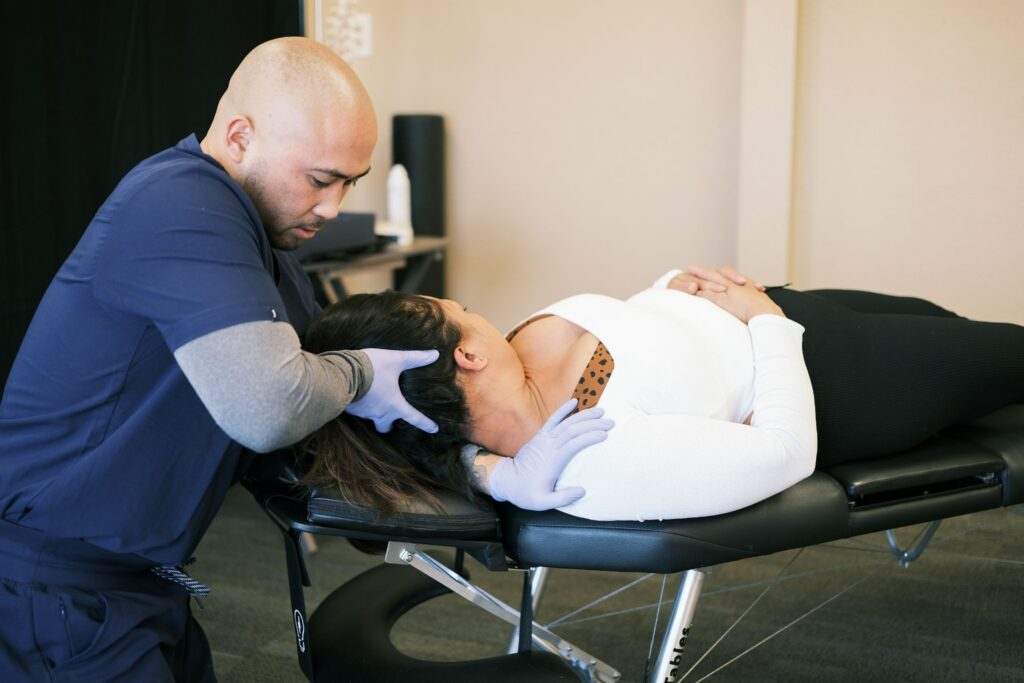
Incorporating chiropractic care techniques into your recovery plan can significantly enhance your healing process after a sports injury.
These natural healing methods help you regain strength, flexibility, and functionality, allowing you to return to your favorite activities more quickly and safely. By working with a chiropractor, you’ll receive personalized care tailored to your specific needs.
- Spinal adjustments: Gentle manipulations that help restore proper alignment and mobility, alleviating pain and improving overall movement.
- Rehabilitative exercises: Customized routines designed to strengthen muscles and support your body, reducing the risk of future injuries.
- Soft tissue therapy: Techniques aimed at releasing tension in muscles and fascia, which can prevent tightness and promote better range of motion.
Utilizing these chiropractic techniques not only supports your recovery but also empowers you to take an active role in your rehabilitation journey.
By committing to this comprehensive approach, you’ll enhance your chances of a successful return to sports with confidence and resilience.
Embrace the benefits of natural healing, and let’s guide you towards optimal health and performance.
The Benefits of Acupuncture in Injury Recovery
As a local chiropractor, I want to share with you another powerful natural healing method that can complement your recovery from sports injuries: acupuncture.
While many are familiar with chiropractic care, acupuncture is an ancient practice that can significantly enhance your healing process. By inserting thin needles at specific points in your body, acupuncture stimulates your body’s natural healing mechanisms. This promotes improved blood flow, reduces inflammation, alleviates pain, and ultimately accelerates your recovery.
Acupuncture can also be instrumental in relieving muscle tension, which is crucial for regaining mobility after an injury. Furthermore, this practice is known to release endorphins—your body’s natural painkillers—contributing to a better sense of overall well-being during your recovery journey.
I’ve seen many athletes report quicker recovery times and improved performance after incorporating acupuncture into their rehabilitation routines.
If you’re exploring a holistic approach to recovery, I encourage you to consider acupuncture as a valuable addition to your healing process. Together with chiropractic care, it can provide a comprehensive strategy for restoring your health and vitality.
Incorporating Gentle Movement and Stretching
As your local chiropractor, I want to emphasize the importance of incorporating gentle movement and stretching into your recovery routine. These practices can significantly enhance your healing process. Not only do they improve flexibility, but they also promote essential blood flow, which is crucial for recovery.
Let’s delve into some effective stretching techniques and discuss how keeping your body in motion can be beneficial. By engaging in gentle movements, you can help alleviate tension, reduce pain, and support your overall well-being.
Regular stretching can also prevent stiffness and improve your range of motion, making it easier for your body to heal naturally.
Benefits of Gentle Movement
As a local chiropractor, I want to emphasize the importance of gentle movement and stretching during your recovery from a sports injury. Many people may not realize how crucial these activities are for healing. Engaging in light movements can help maintain your flexibility and improve blood circulation, which is vital for recovery.
By incorporating gentle movement into your daily routine, you not only aid your body’s natural healing process but also enhance your mental well-being.
Here are some key benefits of gentle movement:
- Enhances mobility and reduces stiffness: Gentle movement helps to keep your joints and muscles flexible, reducing any tightness you may be experiencing.
- Promotes relaxation and reduces stress: Light activities can help release tension in your body, promoting a sense of calm and reducing stress levels.
- Supports gradual strength building without strain: It’s important to rebuild strength after an injury, and gentle movement allows you to do this safely, minimizing the risk of further injury.
Integrating these gentle movements into your recovery plan is essential. Always remember to listen to your body and adjust your activities based on how you feel.
This mindful approach will help you regain strength and mobility while reducing the chances of re-injury. If you have any questions or would like guidance on specific movements, please feel free to reach out!
Effective Stretching Techniques
As a chiropractor dedicated to your recovery, I want to emphasize the importance of effective stretching techniques in enhancing your healing process.
It’s essential to start with gentle stretches that specifically target the injured area, as this promotes blood flow and flexibility, which are vital for healing. Aim to hold each stretch for 15-30 seconds while taking deep breaths to help relax your muscles.
Incorporating dynamic stretches, such as arm circles or leg swings, can also be beneficial. These movements serve as a warm-up, preparing your body for more intense activities.
However, it’s crucial to listen to your body throughout this process. If you experience any pain, it’s a signal to ease back and modify your approach.
Consistency is key in your stretching routine; I recommend aiming to stretch daily to gradually enhance your range of motion.
Remember, these techniques should complement your overall recovery plan. By incorporating them into your routine, you’ll be on your way to regaining strength and stability safely.
If you have any questions about how stretching fits into your chiropractic care, feel free to reach out!
The Role of Hydration in Healing
As a local chiropractor, I want to emphasize the critical role that hydration plays in your recovery from sports injuries.
Many people may not realize that staying well-hydrated is vital for efficient healing. When your body is dehydrated, it struggles to repair itself, which can significantly slow down your recovery.
By prioritizing your water intake, you’re not just quenching your thirst; you’re actively supporting your body’s natural healing processes and helping to reduce inflammation.
Importance of Water Intake
As a local chiropractor, I want to emphasize the vital role hydration plays in your recovery from sports injuries. Proper water intake not only helps transport essential nutrients to damaged tissues but also aids in flushing out toxins from your body. By staying adequately hydrated, you can significantly accelerate your healing process and enhance your overall performance.
When dealing with an injury, it’s crucial to ensure that you’re drinking enough water throughout the day. Here are a few key benefits of hydration that you should be aware of:
- Joint Lubrication: Staying hydrated supports the lubrication of your joints, which can help reduce stiffness and alleviate pain. This is particularly important when you’re working on your recovery.
- Enhanced Circulation: Hydration improves your blood circulation, enabling a faster delivery of nutrients to the areas that are healing. This means your body can repair itself more efficiently.
- Maintaining Energy Levels: Adequate hydration helps sustain your energy levels, making it easier for you to engage in rehabilitation exercises and get back to your regular activities.
Remember, as you focus on your recovery, don’t overlook the importance of drinking enough water. It’s a simple yet powerful way to support your healing journey.
If you have any questions or need guidance on how to incorporate hydration into your recovery plan, feel free to reach out!
Effects of Dehydration
As a local chiropractor, I want to emphasize the importance of hydration for your overall health and recovery, especially if you’re dealing with sports injuries. Many people are unaware of how crucial water is for our bodies to function properly. When you don’t hydrate adequately, it can significantly slow down your recovery process.
Water plays a vital role in transporting nutrients and removing waste from your body. If you’re not drinking enough fluids, you might find yourself suffering from muscle cramps, fatigue, and stiff joints—symptoms that can really hinder your healing.
Dehydration can also reduce your blood volume, which means less oxygen gets delivered to the tissues that are injured, leading to a longer recovery time.
Moreover, staying hydrated is essential for maintaining mental clarity. When you’re not properly hydrated, it can be difficult to concentrate and follow through with your rehabilitation exercises, which are critical for your recovery.
To support your healing journey, I encourage you to drink plenty of fluids throughout the day, particularly during and after any physical activity.
Mindfulness and Mental Health Strategies
As a local Chiropractor, I want to emphasize that while physical recovery from a sports injury is crucial, your mental health is just as important in the healing process. Your mindset significantly influences the speed and effectiveness of your recovery.
Incorporating mindfulness practices can help you stay present, manage stress, and foster a positive attitude during your rehabilitation.
Here are some strategies to enhance your mental well-being as you recover:
- Meditation: I encourage you to set aside a few minutes each day for deep breathing exercises or guided meditation. This practice can help alleviate anxiety and improve your concentration, making it easier to focus on your recovery.
- Visualization: Take a moment to visualize yourself fully healed and performing at your peak. This mental imaging can enhance your confidence and drive, motivating you to put in the effort needed for a successful recovery.
- Journaling: Keeping a journal can be a beneficial tool for expressing your feelings and tracking your progress. Writing about your experiences can offer valuable insights and support your emotional healing.
Remember, your mind and body work together in the healing process, and nurturing both can lead to a more complete recovery.
If you have any questions about how chiropractic care can support your journey, don’t hesitate to reach out!
Preventing Future Injuries: Tips for Long-Term Success
As a local chiropractor, I want to share some essential tips to help you stay active and injury-free in the long run. One of the most important steps you can take is to incorporate a proper warm-up routine before engaging in any physical activity. This practice increases blood flow to your muscles, preparing your body for movement and reducing the risk of injuries.
Strength training is another key element of injury prevention. By focusing on building strength in your muscles, you support your joints and improve overall stability. This is especially crucial as we age or if we’ve a history of injuries.
Listen to your body—it’s your best indicator of when something isn’t right. If you experience pain or discomfort, don’t ignore it. Taking a break and allowing yourself time to recover is vital for long-term health.
I often emphasize the importance of cross-training, as it helps to reduce the risk of overuse injuries by varying your workouts and engaging different muscle groups.
Another important aspect to consider is your footwear. Investing in proper shoes that are well-fitted for your specific activity can provide the necessary support and cushioning. This simple change can make a significant difference in preventing injuries.
By adopting these preventative measures, you can build a strong foundation for your athletic pursuits and enhance your overall performance.
Conclusion
As a local chiropractor, I want to share some insights on how to recover from sports injuries naturally, which is essential for promoting your overall health and well-being. First and foremost, it’s crucial to listen to your body during the recovery process. Your body knows what it needs, so prioritizing rest is key to healing.
In addition to giving your body time to recover, nourishing it with the right foods can significantly enhance your healing journey. A balanced diet rich in nutrients supports tissue repair and boosts your immune system.
Incorporating gentle movement into your routine can also aid in recovery. Activities like stretching or low-impact exercises can help maintain flexibility and circulation without putting additional strain on your injuries.
Moreover, I encourage you to explore alternative therapies, such as chiropractic care, which can align your spine and improve overall function. Mindfulness practices, like meditation or yoga, can also support your mental health during recovery.
By adopting these holistic strategies, you can not only heal from your current injuries but also reduce the risk of future ones. Together, we can work towards achieving a healthier and more active lifestyle. If you have any questions about how chiropractic care can assist you in this process, I’m here to help!