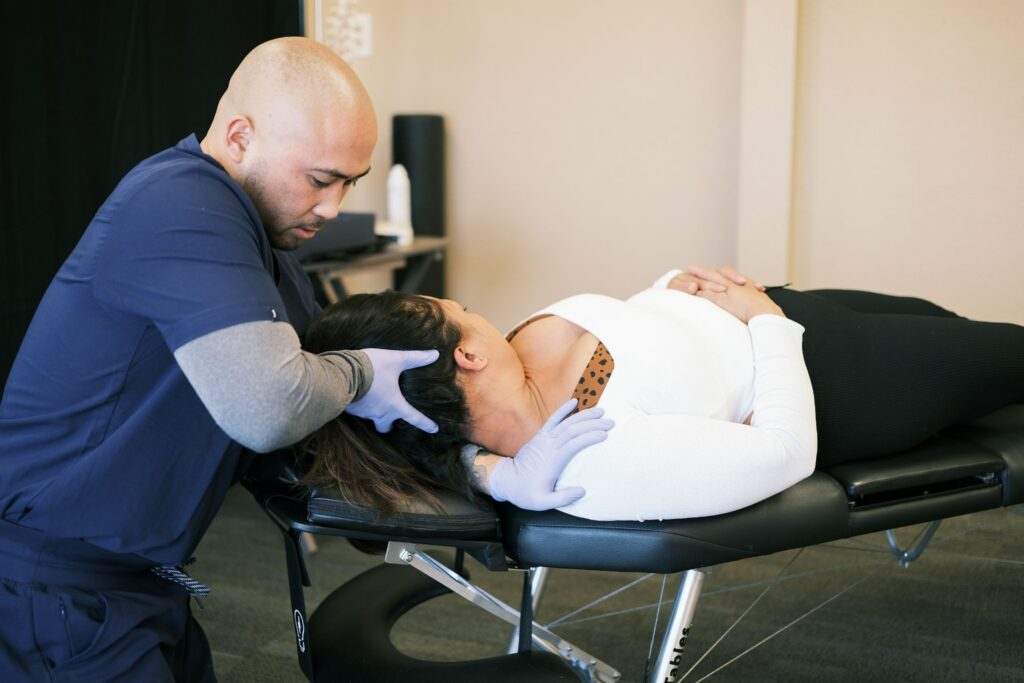

If you’re dealing with migraines linked to neck pain, you’re certainly not alone. This challenging combination affects many individuals, making it vital to seek effective relief for your overall well-being. It’s important to understand the connection between neck discomfort and migraines, as this knowledge can lead you to powerful solutions that are both natural and effective.
Chiropractic care stands out as one of the best paths to alleviating these symptoms. By focusing on spinal health, a chiropractor can help restore proper alignment, which may significantly reduce neck pain and, in turn, lessen the frequency and intensity of migraines. Regular adjustments can enhance your body’s natural healing processes, promoting better overall health.
In addition to chiropractic adjustments, here are some practical tips and tricks that you can incorporate into your daily routine to further alleviate your symptoms:
- Practice Good Posture: Being mindful of your posture, especially while sitting at a desk or using your phone, can help reduce neck strain. Make sure your workstation is ergonomically set up to support a healthy spine.
- Stay Hydrated: Dehydration can be a trigger for migraines. Drinking plenty of water throughout the day can help keep your body functioning optimally.
- Incorporate Stretching and Strengthening Exercises: Gentle neck stretches and strengthening exercises can help improve flexibility and muscle support in the neck area. A chiropractor can guide you on safe exercises tailored to your needs.
- Manage Stress: Stress is a common trigger for both neck pain and migraines. Techniques such as deep breathing, meditation, or yoga can greatly help in managing stress levels.
- Apply Heat or Cold: Using a warm compress or ice pack on your neck can provide temporary relief from pain and discomfort. Experiment with both to see which works best for you.
If you’re seeking a natural way to manage your migraines and neck pain, consider scheduling a consultation with a chiropractor. They can offer personalized strategies and treatments to help restore balance to your body and enhance your overall health. Remember, taking care of your spine is a crucial step toward achieving optimal wellness!
Key Takeaways
How to Alleviate Migraines with Neck Pain Solutions Through Chiropractic Care
Migraines can be incredibly debilitating, especially when coupled with neck pain. As a local chiropractor, I want to share some effective, natural solutions to help you find relief and improve your overall well-being.
- Posture Matters: Start by being mindful of your posture. Aligning your head with your spine not only helps to reduce neck strain but also minimizes potential migraine triggers. Try to keep your computer screen at eye level and take regular breaks to stretch.
- Chiropractic Adjustments: One of the best ways to alleviate neck pain and reduce the frequency of migraines is through chiropractic care. Regular adjustments can help realign your spine, relieve tension, and promote natural healing. This non-invasive approach is focused on restoring your body’s balance and improving overall function.
- Gentle Neck Stretches: Incorporate gentle neck stretches into your daily routine. Simple movements can help relieve tension and improve flexibility. Techniques from yoga can be particularly beneficial, as they promote relaxation and reduce stress, which are key factors in managing migraines.
- Heat and Cold Therapy: For immediate relief, consider using heat or cold therapy. Applying heat can relax tight neck muscles, while cold packs can help reduce inflammation during a migraine attack. Alternating between the two can provide soothing relief and improve your comfort levels.
- Seek Professional Guidance: If you experience persistent neck pain or migraines, it’s important to seek professional help. A chiropractor can assess your condition and develop a personalized treatment plan tailored to your needs. This proactive approach can help you address underlying issues and improve your quality of life.
Remember, taking care of your spine and neck is essential for overall health. By choosing chiropractic care, you’re opting for a natural and effective way to manage pain, enhance your wellness, and avoid unnecessary medications or surgeries. Prioritize your health with these tips, and embrace a more balanced, pain-free life!
Understanding the Link Between Neck Pain and Migraines
While you mightn’t immediately connect neck pain with migraines, there’s a strong link between the two that you should be aware of. When you experience tension or discomfort in your neck, it can trigger or worsen migraine symptoms. This connection is largely due to how your body processes pain signals. Your neck is home to vital nerves and muscles, and when they’re strained or inflamed, they can contribute to the onset of migraines.
Poor posture or stress can further aggravate neck pain, creating a cycle that can be difficult to break. As you tense your neck muscles, you may inadvertently increase pressure on the nerves that lead to headaches. That’s why it’s crucial to understand this relationship for effective management of both conditions.
Chiropractic care is an excellent approach to address neck pain and ultimately help reduce migraines. Through gentle adjustments and targeted treatments, chiropractors can relieve tension in the neck and promote proper alignment, which can alleviate discomfort and improve overall well-being.
In addition to chiropractic care, here are some helpful tips you can incorporate into your daily routine to support neck health and reduce the risk of migraines:
- Practice Good Posture: Be mindful of your posture while sitting, standing, and using electronic devices. Keeping your head aligned with your spine can significantly reduce neck strain.
- Take Breaks: If you spend long hours at a desk, make sure to take regular breaks to stretch and move around. This helps to relieve tension and give your neck a rest.
- Incorporate Gentle Stretches: Simple neck stretches can help release tight muscles. Try tilting your head side to side and forward and backward to improve flexibility.
- Manage Stress: Techniques such as deep breathing, meditation, or yoga can help reduce stress, which in turn may alleviate neck tension.
- Stay Hydrated: Proper hydration supports muscle health and can help prevent headaches.
- Consider Chiropractic Adjustments: Regular visits to your chiropractor can help keep your spine aligned, relieve neck tension, and reduce the frequency and severity of migraines.
Common Causes of Neck Pain Related to Migraines
Neck pain related to migraines can arise from several unexpected factors that are often overlooked. One of the most common culprits is poor posture. If you find yourself slouched over a computer or smartphone for extended periods, this can put a strain on your neck muscles, leading to tension headaches and discomfort. Maintaining good posture is essential for spinal health and can significantly reduce neck pain and migraine occurrences.
Stress is another significant contributor. When you feel anxious or tense, your neck muscles tend to tighten, which can trigger migraines. Incorporating relaxation techniques, such as deep breathing exercises or gentle yoga, can help alleviate stress and promote muscle relaxation.
Muscle strain from overexertion or sleeping in an awkward position can also lead to neck pain. If you wake up with a stiff neck, it might be time to evaluate your pillow choice and sleeping posture. Using a supportive pillow that maintains proper neck alignment can make a big difference in reducing discomfort.
Injuries, such as whiplash, can cause chronic neck pain and migraines as well. If you’ve experienced an injury, it’s crucial to seek care that addresses the root cause rather than just masking symptoms.
Additionally, dehydration and nutritional deficiencies, such as low magnesium levels, can worsen neck pain and migraines. Staying hydrated and consuming a balanced diet rich in essential nutrients can support overall health and wellness.
Chiropractic care is an excellent option for addressing these underlying causes of neck pain and migraines. A chiropractor can provide targeted adjustments and therapies to relieve tension, improve spinal alignment, and promote natural healing.
Here are some general tips to help you manage neck pain and reduce the frequency of migraines:
- Practice Good Posture: Keep your computer screen at eye level and take regular breaks to stretch and move around.
- Manage Stress: Engage in relaxation techniques like deep breathing or meditation to help ease muscle tension.
- Sleep Smart: Invest in a supportive pillow and try to sleep on your back or side, avoiding stomach sleeping.
- Stay Hydrated: Drink plenty of water throughout the day and eat a nutritious diet to support your body’s needs.
- Seek Chiropractic Care: Regular chiropractic adjustments can help maintain proper spinal alignment and reduce pain.
Effective Stretching Exercises for Neck Relief
To effectively relieve neck pain and reduce the frequency of migraines, it’s essential to integrate stretching exercises into your daily routine. These simple yet effective techniques not only enhance flexibility but also strengthen the muscles surrounding your neck.
As a chiropractor, I believe that committing to a consistent stretching routine can significantly improve your overall neck health and assist in managing migraines naturally.
Incorporating stretches that target the neck can be a powerful adjunct to chiropractic care. Regular stretching helps maintain the mobility of your spine and supports the alignment that we work to achieve during your chiropractic visits.
Here are some tips to help you get started:
- Gentle Neck Rolls: Slowly roll your head in a circular motion, allowing your neck to relax with each rotation. This helps release tension and increases blood flow to the area.
- Chin Tucks: Sit or stand up straight and gently tuck your chin towards your chest. Hold for a few seconds and then release. This exercise helps strengthen the muscles that support your neck.
- Side Stretches: While sitting or standing, gently tilt your head to one side, bringing your ear toward your shoulder. Hold for a few seconds, then switch sides. This stretch can relieve tightness in the neck muscles.
- Shoulder Shrugs: Raise your shoulders towards your ears and then release them down. This simple movement can help alleviate tension in the neck and upper back.
- Posture Check: Be mindful of your posture throughout the day. Keeping your spine aligned can prevent unnecessary strain on your neck.
By incorporating these easy stretches into your routine, you can complement the benefits of chiropractic care in achieving optimal health and wellness.
Always remember that chiropractic adjustments can help restore proper alignment and function to your spine, providing a solid foundation for your body to heal and thrive.
Together with stretching, you can create a holistic approach to neck relief and migraine management, paving the way for a healthier, pain-free life.
Neck Stretches Benefits
Stretching your neck is an excellent way to alleviate tension and discomfort, especially for those who experience migraines. At our chiropractic practice, we emphasize the importance of regular neck stretches to improve blood circulation. Better blood flow means more oxygen and nutrients are delivered to your muscles, which can help reduce pain and discomfort.
When you engage in neck stretches, your body releases endorphins—natural painkillers that promote a sense of well-being. This can be particularly beneficial for those who struggle with tension headaches or migraines.
Additionally, enhancing your flexibility through neck stretches can improve your range of motion, helping to prevent stiffness and further pain. By incorporating simple neck stretches into your daily routine, you can also alleviate pressure on nerves, which may help in reducing the likelihood of migraines triggered by neck strain.
Remember, it’s important to take a few moments throughout your day to stretch. This not only helps your body but also provides a mental break, which can be crucial for managing stress—another common trigger for migraines.
Chiropractic care is your best ally in achieving optimal health and wellness. By focusing on natural healing methods, such as spinal adjustments alongside neck stretches, you can find lasting relief from discomfort.
Regular chiropractic visits can enhance the benefits of your stretching routine, ensuring that your spine and overall body function at their best. So, make neck stretches a part of your wellness journey, and experience the difference they can make in your life!
Simple Stretch Techniques
Incorporating simple stretch techniques can significantly enhance the relief you experience from neck pain and migraines. Regularly practicing these stretches not only improves flexibility but also helps reduce tension in your body.
As a chiropractor, I believe that embracing natural methods, like stretching, can complement your chiropractic care and support your journey to optimal health. Here are three effective stretches you can easily add to your routine:
- Neck Tilt: Gently tilt your head toward one shoulder, holding for 15-30 seconds. This stretch targets the neck muscles and promotes relaxation. Remember to repeat on the other side to ensure balanced relief.
- Chin Tucks: Sit up straight and gently tuck your chin towards your chest. Hold for a few seconds, allowing the stretch to travel along the back of your neck. This exercise helps improve posture and alleviates tension.
- Shoulder Rolls: Roll your shoulders forward and backward in a circular motion. This simple movement can ease tension in both your neck and shoulders, promoting a sense of overall comfort.
By incorporating these stretches into your daily routine, you’ll likely notice significant improvements in your comfort and pain levels.
Daily Stretching Routine
Daily Stretching Routine for Neck Pain Relief
As a chiropractor, I understand the challenges that neck pain and migraines can bring to your daily life. While you might already know a few stretches, incorporating a daily stretching routine can greatly aid in alleviating discomfort and reducing the frequency of migraines. Here are some simple yet effective stretches you can easily add to your day:
| Stretch Name | Description |
|---|---|
| Neck Tilt | Gently tilt your head to one side, hold for 15 seconds, and then switch sides. This helps to loosen tight muscles in your neck. |
| Chin Tuck | Pull your chin towards your chest and hold for 10 seconds. This stretch promotes better posture and can relieve pressure on your spine. |
| Shoulder Shrug | Raise your shoulders towards your ears, hold for 5 seconds, then release. This helps to release tension in the shoulders and upper back. |
Incorporating these stretches into your daily routine can enhance your flexibility and significantly reduce tension in your neck and shoulders. Remember, consistency is key! Set aside a few minutes each day to focus on your neck health. Over time, you may notice a reduction in pain and fewer migraine episodes.
In addition to these stretches, consider regular chiropractic care to support your overall wellness. Chiropractic adjustments can help realign your spine, improve mobility, and enhance your body’s natural healing abilities. By choosing chiropractic, you’re opting for a holistic approach to health that emphasizes natural healing and pain relief without the need for medications or surgeries.
Take these tips to heart and prioritize your neck health today for a more comfortable tomorrow!
The Role of Posture in Neck and Head Pain
Good posture is vital for preventing neck and head pain, as it helps to maintain the natural alignment of your spine and reduces unnecessary strain on your muscles and ligaments.
When you practice proper posture, you can ease the tension that often leads to migraines and other discomforts. As a chiropractor, I believe that maintaining good posture is one of the simplest yet most effective ways to support your overall health and wellness.
Here are three easy tips to help you improve your posture and keep those aches at bay:
- Align Your Ears with Your Shoulders: Make it a habit to check your alignment. When standing or sitting, ensure your ears are directly in line with your shoulders. This simple adjustment can prevent forward head posture, which is a common culprit of neck strain.
- Choose Ergonomic Furniture: Investing in ergonomic chairs and desks can significantly support a neutral spine position. This means you’re less likely to slouch, which can lead to discomfort over time. Look for furniture designed to keep your body in a healthy position while you work or relax.
- Take Regular Breaks: If you find yourself sitting for extended periods, make it a point to take breaks. Stand up, stretch, and check your posture every hour. This not only helps reset your alignment but also encourages better circulation and reduces muscle fatigue.
Remember, chiropractic care is an excellent resource for achieving optimal health. Regular adjustments can help improve your posture, alleviate pain, and enhance your overall well-being.
Heat and Cold Therapy for Neck Discomfort
When neck discomfort strikes, many people turn to heat and cold therapy for relief, and for good reason! As a chiropractor, I often recommend these methods to help manage pain naturally.
Heat therapy can be incredibly beneficial, as it works to relax tight muscles and improve blood circulation in the affected area. This enhanced blood flow can promote healing and provide much-needed relief from discomfort.
On the other hand, cold therapy serves a different purpose. Applying cold can help reduce inflammation and numb pain, making it an excellent option for acute injuries or flare-ups. The combination of both heat and cold therapies can be a powerful tool in managing neck pain and tackling those pesky migraines effectively.
While these therapies can provide temporary relief, it’s essential to remember that they should complement a comprehensive approach to health. Regular chiropractic adjustments can help align the spine, alleviate nerve pressure, and promote overall wellness. By addressing the root cause of your neck discomfort, chiropractic care can lead to long-lasting results.
Here are a few tips to keep in mind:
- Listen to Your Body: When using heat or cold therapy, apply it for 15-20 minutes at a time. Pay attention to how your body responds and adjust as needed.
- Stay Active: Gentle stretching and mobility exercises can help maintain flexibility in your neck and prevent future discomfort.
- Posture Matters: Be mindful of your posture, especially when sitting for long periods. Proper alignment can reduce strain on your neck.
- Chiropractic Care: Consider regular visits to a chiropractor to ensure your spine is properly aligned and to receive personalized care tailored to your needs.
Benefits of Heat Therapy
Heat therapy can be a wonderful, natural solution for those experiencing neck discomfort, especially when used alongside cold therapy. As a chiropractor, I want to share how incorporating heat into your wellness routine can provide relief and support your overall health.
- Boosts Blood Flow: Applying heat to your neck helps expand blood vessels, which improves circulation. This increased blood flow brings essential nutrients to your muscles and tissues, aiding in a faster recovery process.
- Relaxes Muscles: The warmth from heat therapy helps to soothe tight muscles and reduce stiffness. This relaxation can enhance your range of motion, making everyday activities more comfortable and enjoyable.
- Eases Pain: Heat therapy works by blocking pain signals sent to your brain, providing a soothing sensation that can significantly ease discomfort. Many people find that the gentle warmth helps them feel more at ease and relaxed.
Incorporating heat therapy into your daily routine is a simple but effective way to manage neck pain.
Remember, while heat can be beneficial, it’s important to combine it with other healthy practices, such as maintaining good posture and seeking regular chiropractic care.
Chiropractic adjustments can help align your spine and alleviate underlying issues that contribute to neck discomfort, leading to long-lasting health benefits.
For optimal wellness, consider making heat therapy a part of your self-care routine, and don’t hesitate to reach out to your chiropractor for personalized advice on managing your neck pain naturally.
Advantages of Cold Therapy
While heat therapy can provide soothing relief for neck pain, cold therapy has unique benefits that can be a great addition to your overall wellness routine. Cold therapy is particularly effective for reducing inflammation, making it an ideal choice for acute neck pain. By simply applying ice packs or cold compresses to the affected area, you can numb the pain, alleviate discomfort, and even reduce muscle spasms.
This method can also help improve blood circulation, which promotes faster healing. One of the great things about cold therapy is its simplicity; you don’t need fancy equipment—just some ice or a cold pack will do the trick. You’ll likely find the refreshing relief especially beneficial after physical activity or when you’ve been sitting in one position for too long.
Incorporating cold therapy into your regular self-care routine can significantly enhance your ability to manage neck pain and may even help lessen migraine triggers. Remember, while cold therapy is helpful, it’s essential to pair it with chiropractic care, which addresses the root causes of your discomfort.
Regular chiropractic adjustments not only help with pain relief but also support your body’s natural healing processes, ensuring you stay on the path to optimal health. So, when dealing with neck pain, don’t underestimate the power of cold therapy, but always consider how chiropractic care can be your best ally in achieving long-term wellness.
Combining Both Methods
Cold therapy can be incredibly effective for relieving neck pain, and when you pair it with heat therapy, you can take your comfort and healing to the next level. Alternating between these two methods not only enhances relaxation but also helps reduce tension in your neck.
Here’s how to effectively combine them for the best results:
- Start with Cold: Use a cold pack on the affected area for about 15-20 minutes. This will help numb the pain and reduce any inflammation. It’s a great way to give your neck an immediate relief.
- Follow with Heat: After your cold therapy, switch to a warm compress or a heating pad for another 15-20 minutes. The warmth will help soothe tight muscles and promote better blood flow, which is essential for healing.
- Listen to Your Body: Everyone’s comfort level is different, so pay attention to how your body responds. You might find that you prefer longer or shorter durations for each therapy. Adjust the timing based on what feels best for you.
This balanced approach not only helps alleviate neck discomfort but can also play a role in reducing migraine triggers.
Massage Techniques to Alleviate Neck Pain
To effectively relieve neck pain that may contribute to migraines, incorporating massage techniques into your routine can be incredibly beneficial. As a chiropractor, I emphasize the importance of maintaining a healthy spine and neck for overall wellness.
Start by using your fingertips to apply gentle pressure along the base of your skull and down the sides of your neck. This technique helps release tension and improve circulation, which is essential for spinal health.
Next, try kneading the muscles with your thumbs, focusing on any tight spots you may find. This targeted approach can help alleviate discomfort and promote relaxation.
Another effective method is to use a tennis ball against a wall to target specific areas; simply lean into it and roll slowly, allowing the ball to work out those knots in your neck.
Once you’ve completed your massage, don’t forget to stretch your neck gently. Tilting your head side to side and forward can enhance flexibility and further relieve tension. I recommend incorporating these techniques a few times a week to help reduce discomfort and potentially lessen the frequency of migraines.
Always pay attention to your body; if you feel pain, ease off and listen to what your body is telling you.
Regular massage, combined with chiropractic care, can help you maintain a healthier neck and promote overall well-being.
Ergonomic Adjustments for a Pain-Free Workspace
Creating an ergonomic workspace is a vital step toward preventing neck pain and migraines, particularly for those of us who spend long hours at a desk. By making a few straightforward adjustments, you can significantly lessen strain on your neck and enhance your overall comfort, paving the way for better health and wellness.
Here are three key adjustments to consider, along with the benefits of chiropractic care to further support your journey to optimal health:
1. Chair Height: Start by adjusting your chair so that your feet rest flat on the floor, with your knees aligned with your hips. This positioning helps maintain proper spinal alignment, which is crucial for reducing discomfort and preventing pain.
Regular chiropractic adjustments can also ensure that your spine remains aligned, promoting better posture and reducing tension in your neck.
2. Monitor Position: Position your monitor at eye level and about an arm’s length away. This placement prevents you from craning your neck or straining your eyes, which are common culprits of discomfort.
Remember, incorporating periodic chiropractic visits can help address any misalignments that may arise from poor posture over time, keeping your neck healthy and pain-free.
3. Keyboard and Mouse: Keep your keyboard and mouse close enough so that your elbows can remain at a 90-degree angle. This setup minimizes strain on your shoulders and wrists.
Alongside these adjustments, regular chiropractic care can help alleviate any existing discomfort and enhance your body’s natural ability to heal, enabling you to work more comfortably.
By implementing these ergonomic adjustments and considering chiropractic care as a part of your wellness routine, you can create a workspace that supports your body and promotes better health.
Alternative Therapies for Neck Pain and Migraines
If you’re dealing with neck pain and migraines, consider chiropractic care as a natural and effective solution. As a chiropractor, I believe that spinal health plays a crucial role in overall wellness. By focusing on realigning the spine, chiropractic adjustments can help alleviate pressure in the neck area, which may significantly reduce the frequency and intensity of migraines.
Acupuncture is another alternative therapy that some people find beneficial. While I focus on chiropractic methods, I recognize that acupuncture involves inserting thin needles into specific points on the body to relieve pain and tension. Some patients report feeling better after a few sessions, so it might be worth looking into as a complementary approach.
Yoga is also an excellent practice to incorporate into your routine. It enhances flexibility and strength in your neck, while promoting relaxation—crucial for those prone to migraines. Simple poses can help stretch and strengthen the neck muscles, contributing to overall spinal health.
In addition to these therapies, mindfulness meditation can be a powerful tool for managing stress, which is often a trigger for migraines. Taking just a few minutes each day to practice mindfulness can lead to a calmer mind and body.
Lastly, don’t underestimate the power of essential oils! Oils like peppermint and lavender can soothe headaches and relax tense neck muscles. You can apply them topically or use them in a diffuser to create a calming atmosphere.
Remember, the key to optimal health is a well-aligned spine. If you’re experiencing neck pain or migraines, reach out to a chiropractor to explore how adjustments can help you find relief and improve your quality of life.
Your journey to natural wellness starts with a healthy spine!
When to Seek Professional Help for Neck and Migraine Pain
Recognizing when to seek professional help for neck and migraine pain is essential for effective management, and as a chiropractor, I want to guide you toward natural healing solutions. If you’re experiencing persistent discomfort or worsening symptoms, it’s vital to consult a healthcare provider who understands the body’s mechanics, like a chiropractor.
Here are three signs that indicate it’s time to seek help:
- Severe Pain: If your neck or migraine pain is intense and doesn’t improve despite trying home remedies like ice or gentle stretches, it’s important to consult a chiropractor. We specialize in addressing the root causes of pain, helping to alleviate discomfort without relying on medications.
- Neurological Symptoms: Symptoms such as numbness, weakness, or changes in vision are red flags. While these can indicate serious conditions, a chiropractor can perform a thorough assessment to determine if the cause is related to spinal health and how we can help restore balance.
- Frequent Episodes: If you find yourself facing migraines or neck pain multiple times a week, it’s a sign that it’s time to look deeper into what might be causing these issues. Chiropractic care can help identify underlying problems, such as misalignments in the spine, and provide tailored treatment to improve your condition.
Don’t ignore these warning signs; addressing them early can lead to better treatment outcomes and an improved quality of life.
Alongside seeking professional help, consider incorporating daily habits that promote spinal health, such as maintaining good posture, staying hydrated, and practicing relaxation techniques.
Conclusion
By addressing neck pain through chiropractic care, you can significantly reduce the frequency and intensity of your migraines. Regular visits to a chiropractor can help align your spine and relieve tension in your neck, which is often a contributing factor to migraine headaches. Additionally, practicing good posture throughout your day can prevent strain in your neck and upper back, helping to maintain a healthy spine.
Incorporating gentle stretches into your daily routine is another effective way to alleviate neck pain. Simple exercises like neck tilts and shoulder rolls can enhance flexibility and reduce tension. Don’t overlook the benefits of heat or cold therapy as well; applying a warm compress or an ice pack to your neck can provide immediate relief.
Massage techniques, whether from a professional or self-massage, can also offer great relief. Focus on areas that feel tight or sore, as this can help release muscle tension that may be contributing to your migraines.
If you find that your symptoms persist, it’s essential to consult with a chiropractor who specializes in spinal health. They can offer tailored strategies and treatments designed to address the root causes of your neck pain and migraines.
Remember, taking proactive steps to manage your neck pain through chiropractic care can lead to a more comfortable and migraine-free life. Embrace these natural methods for healing and wellness, and prioritize your health for a better quality of life.