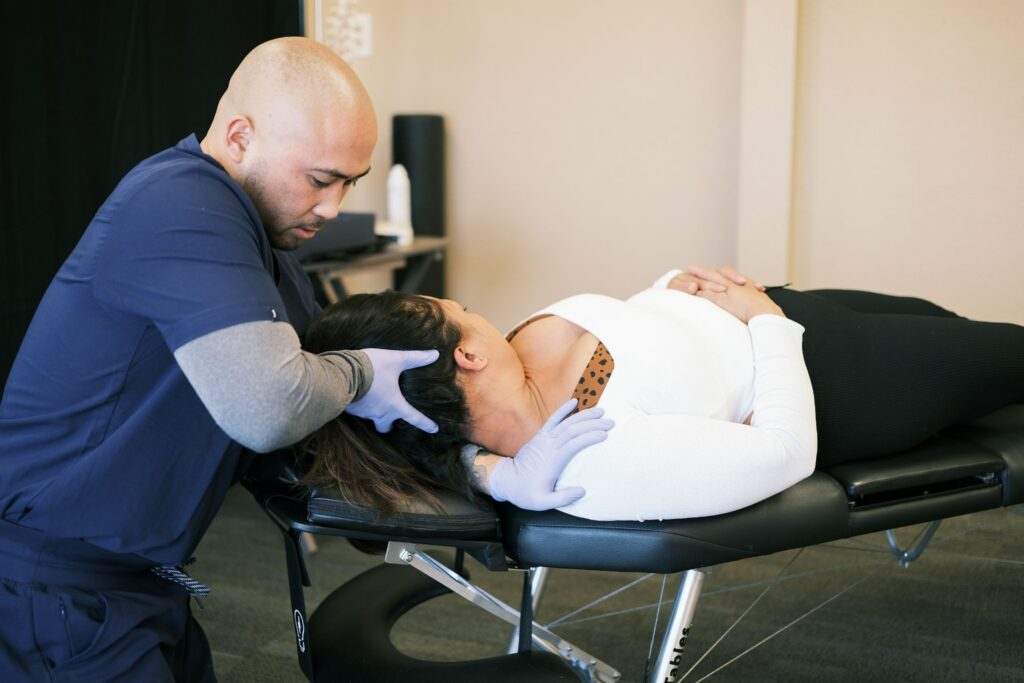

If you're dealing with neck pain in Tracy, CA, you're not alone, and finding relief is possible. You might start with simple at-home remedies like stretching or heat therapy, but if those don't cut it, professional options are available right in your community. Understanding the underlying causes of your discomfort can also play an important role in your recovery. So, what should you consider next to effectively manage your neck pain and improve your overall well-being? The answer might be closer than you think.
Understanding Neck Pain Causes
Neck pain can often feel like a heavy weight dragging you down, but understanding its causes is the first step toward relief. Various factors contribute to neck pain, and recognizing them can help you address the issue effectively.
One common cause is poor posture. If you spend hours hunched over a computer or looking down at your phone, your neck muscles may become strained. This tension can lead to discomfort and stiffness, making daily activities challenging.
You might also find that sleeping in an awkward position exacerbates your pain, as your neck remains unsupported, leading to muscle fatigue.
Injuries are another significant contributor. Whiplash, often caused by car accidents, can lead to severe neck pain. Even minor falls or sports-related injuries can strain the neck muscles or ligaments, resulting in pain that lingers for weeks or even months.
Degenerative diseases, such as arthritis or disc degeneration, can also play a role. As you age, the discs in your spine may lose hydration and elasticity, leading to pain and reduced mobility.
Additionally, stress can manifest physically through muscle tension in the neck and shoulders, making you feel even more discomfort.
At-Home Remedies for Relief
When you're dealing with neck pain, trying some at-home remedies can make a big difference.
Simple stretching exercises, heat and cold therapy, and proper sleep positioning are effective ways to find relief.
Let's explore how these techniques can help ease your discomfort.
Stretching Exercises for Neck
Finding relief from neck pain can often be as simple as incorporating some effective stretching exercises into your daily routine.
These stretches can help improve flexibility, reduce tension, and ease discomfort. Here are three stretches you can try at home:
- Neck Tilt: Sit or stand comfortably. Slowly tilt your head toward one shoulder, holding for 15-30 seconds. Switch sides and repeat.
- Chin Tucks: While sitting or standing, gently tuck your chin toward your chest. Hold for 5 seconds, then release. Repeat 10 times.
- Shoulder Shrugs: Raise your shoulders towards your ears, hold for a few seconds, then relax them down. Repeat this 10 times.
Incorporating these stretches into your routine can make a significant difference in how your neck feels.
Try to perform these exercises a few times a day, especially after long periods of sitting or working at a desk.
Remember, consistency is key. If your pain persists or worsens, consider consulting a healthcare professional for further evaluation.
Taking these simple steps can lead to a more comfortable, pain-free neck.
Heat and Cold Therapy
Heat and cold therapy can be a powerful duo in easing neck pain and promoting relaxation. When you apply heat, it helps increase blood flow to the affected area, which can relieve stiffness and promote healing. You can use a warm towel, heating pad, or even take a warm shower to provide soothing relief.
Just remember to limit heat application to 15-20 minutes at a time to avoid overheating.
On the other hand, cold therapy works wonders for reducing inflammation and numbing sharp pain. Ice packs or a bag of frozen peas wrapped in a towel can be effective.
Apply cold therapy for 15-20 minutes, allowing your skin to return to normal temperature before reapplying.
You might find it beneficial to alternate between heat and cold therapies throughout the day. This approach can provide immediate relief while allowing your muscles to relax and recover.
Always listen to your body; if you experience increased pain or discomfort, stop the treatment and consult a healthcare professional.
Embracing these simple techniques at home can pave the way toward significant neck pain relief.
Proper Sleep Positioning
Sleeping in the right position can make a significant difference in alleviating neck pain. Adopting proper sleep positioning helps reduce strain on your neck and promotes better alignment of your spine.
Here are some tips to enhance your sleep posture:
- Use a supportive pillow: Choose a pillow that keeps your neck aligned with your spine. A medium-loft pillow is often ideal for most sleepers.
- Sleep on your back or side: If you sleep on your back, a pillow under your knees can maintain the curve of your spine. If you prefer your side, place a pillow between your knees to keep your hips aligned.
- Avoid sleeping on your stomach: This position can twist your neck and lead to pain. If you can't break the habit, try using a thin pillow or no pillow at all to minimize strain.
Professional Treatment Options
When neck pain becomes unbearable, seeking professional treatment can make all the difference in your recovery. You don't have to suffer in silence; various treatment options can help alleviate your discomfort.
First, consider visiting a chiropractor. Chiropractors specialize in spinal alignment and can help relieve pressure on your neck joints. They use hands-on adjustments to improve mobility and reduce pain. Many people find significant relief through regular chiropractic care.
Another option is physical therapy. A physical therapist will assess your condition and create a personalized treatment plan. They'll guide you through targeted exercises and stretches designed to strengthen the muscles supporting your neck. This can help improve your range of motion and prevent future pain.
Massage therapy is also an effective choice. A licensed massage therapist can work on the muscles in your neck, relieving tension and promoting relaxation. This can be particularly helpful if your neck pain is related to stress or overuse.
If your pain is severe or persistent, it may be worth consulting with a physician. They can evaluate your condition and determine if more advanced treatments are necessary, such as prescription medications, injections, or even surgical options in rare cases.
Exercises for Neck Strength
In addition to professional treatments, incorporating exercises for neck strength can play a significant role in your recovery and ongoing neck health. Strengthening the muscles around your neck helps improve stability, reduce pain, and prevent future injuries.
Here are some effective exercises you can try:
- Neck Flexion: Sit or stand up straight. Gently lower your chin to your chest and hold for a few seconds. Raise your head back to the starting position and repeat 10 times.
- Neck Extension: From a seated position, look straight ahead. Slowly tilt your head back, gazing at the ceiling. Hold for a few seconds before returning to the neutral position. Aim for 10 repetitions.
- Side Neck Stretch: While standing or sitting, tilt your head to one side, bringing your ear toward your shoulder. Hold for 15-30 seconds, then switch sides. Repeat this 2-3 times per side.
These exercises can easily be integrated into your daily routine and require minimal time. Remember to perform them gently and listen to your body; if you feel any sharp pain, stop immediately.
Consistency is key, so aim to do these exercises a few times a week. Strengthening your neck won't only alleviate discomfort but also enhance your overall posture and mobility, setting you on a path to better neck health.
Posture Improvement Techniques
Many people underestimate the impact of good posture on neck health. Poor posture can lead to muscle strain, discomfort, and even chronic pain in your neck. Fortunately, improving your posture is something you can actively work on every day.
Start by being mindful of how you sit and stand. When sitting, make sure your back is straight, shoulders relaxed, and feet flat on the floor. Adjust your chair height so your elbows form a 90-degree angle when typing. If you're using a computer, position the screen at eye level to avoid tilting your head forward.
When standing, distribute your weight evenly on both feet. Keep your head aligned over your shoulders and avoid leaning forward or backward. Imagine a string pulling you upward from the top of your head—this can help you maintain an upright position.
Incorporate posture checks into your daily routine. Set reminders on your phone to prompt you to assess your posture throughout the day. You can also practice exercises like wall angels or chin tucks, which strengthen your back and neck muscles while reinforcing good posture.
Lastly, consider ergonomic adjustments in your workspace. Using supportive chairs, standing desks, or even a lumbar roll can greatly enhance your comfort and posture.
Stress Management Strategies
Good posture can help alleviate some neck discomfort, but stress often exacerbates these issues. When you're feeling stressed, your muscles tend to tense up, especially around the neck and shoulders, leading to increased pain.
To manage stress effectively and, in turn, ease neck pain, consider implementing these strategies into your daily routine:
- Practice Mindfulness: Taking a few minutes each day to focus on your breath can help calm your mind and relax your muscles. Try deep breathing exercises or meditation to center yourself.
- Engage in Regular Exercise: Physical activity releases endorphins, which are natural stress relievers. Whether it's a brisk walk, yoga, or dancing, find an activity you enjoy and make it a regular part of your life.
- Establish a Sleep Routine: Quality sleep is essential for managing stress. Aim for 7-9 hours a night, and create a relaxing bedtime routine to improve your sleep quality.
Local Resources in Tracy
Explore the local resources in Tracy that can help you manage neck pain effectively. With a variety of options available, you're sure to find the right support to alleviate your discomfort.
Start by visiting local chiropractic clinics. Chiropractors in Tracy specialize in spinal adjustments and can provide targeted treatments for neck pain. They'll assess your condition and create a personalized plan to help you regain mobility and reduce pain.
Physical therapy is another great option. Numerous facilities in Tracy offer tailored rehabilitation programs. A physical therapist will work with you to strengthen your neck muscles, improve posture, and enhance flexibility, all of which are essential for long-term relief.
You might also consider local massage therapy services. Many licensed massage therapists in Tracy focus on relieving tension in the neck area. Regular sessions can help reduce muscle tightness and promote relaxation, making it an excellent complementary treatment.
Additionally, check out wellness centers that offer yoga and Pilates classes. These practices emphasize stretching and strengthening, which can greatly improve neck health. Participating in a class won't only help with your neck pain but also promote overall well-being.
Lastly, don't overlook community resources like support groups. Connecting with others who face similar challenges can provide encouragement and valuable tips for managing your neck pain.
When to Seek Medical Help
If your neck pain persists for more than a few days, it's time to contemplate seeking medical help.
Pay attention to any accompanying symptoms, like numbness or severe headaches, as these could indicate a more serious issue.
Additionally, if your pain is impacting daily activities, don't hesitate to consult a healthcare professional.
Persistent Pain Duration
When neck pain lingers beyond a few days, it's crucial to assess whether medical intervention is necessary. Ignoring persistent pain can lead to more significant issues down the line.
You should consider seeking help if:
- The pain worsens or doesn't improve with self-care methods.
- You experience difficulty moving your neck or shoulder.
- The pain disrupts your daily activities or sleep.
Don't hesitate to consult a healthcare professional if you notice these signs. They can help identify the root cause of your discomfort and recommend appropriate treatments.
Early intervention often leads to better outcomes, so trust your instincts.
Keep in mind that persistent neck pain could stem from various issues, including muscle strain, injuries, or underlying medical conditions.
Accompanying Symptoms Present
Recognizing accompanying symptoms can be an important step in determining whether you need medical help for neck pain. If you experience numbness, tingling, or weakness in your arms or hands, it's vital to seek medical attention. These symptoms could indicate nerve involvement, which may require urgent care.
Additionally, if you notice severe headaches, particularly if they come on suddenly, they may signal a more serious issue. Don't ignore symptoms like fever, swelling, or redness in the neck area, as these could point to an infection or other complications.
If your neck pain follows an injury, such as a fall or car accident, it's important to consult a healthcare professional, even if the pain seems manageable at first.
You should also reach out for help if your neck pain is accompanied by dizziness, balance issues, or changes in vision.
Lastly, if your usual pain management methods aren't providing relief, it may be time to see a doctor. Trust your instincts; if something feels off, don't hesitate to seek help. Your health is paramount, and addressing these symptoms early can lead to better outcomes.
Impact on Daily Activities
Neck pain can considerably disrupt your daily activities, affecting everything from work to leisure. You might find it challenging to focus on tasks, engage in conversations, or even enjoy your favorite hobbies.
It's crucial to recognize when this discomfort goes beyond the typical aches and warrants medical attention.
Consider seeking help if you experience:
- Intense pain that doesn't improve with rest or over-the-counter medications.
- Numbness or tingling in your arms or hands, which could indicate nerve involvement.
- Severe headaches or dizziness, suggesting a more serious underlying issue.
Ignoring these symptoms can lead to chronic problems that may further impact your daily life.
If your neck pain interferes with your ability to work or enjoy life, don't hesitate to consult a healthcare professional. They can provide the necessary evaluations and treatment options to help you regain your normal routine.
Conclusion
To sum up, managing neck pain in Tracy, CA, requires a blend of self-care and professional support. By incorporating at-home remedies, exercises, and posture improvement techniques, you can greatly reduce discomfort. Don't forget to explore local resources like yoga classes to enhance your overall well-being. If your pain persists or worsens, don't hesitate to seek medical help. Prioritizing your neck health is key to enjoying a more active and pain-free life. Take the first step today!