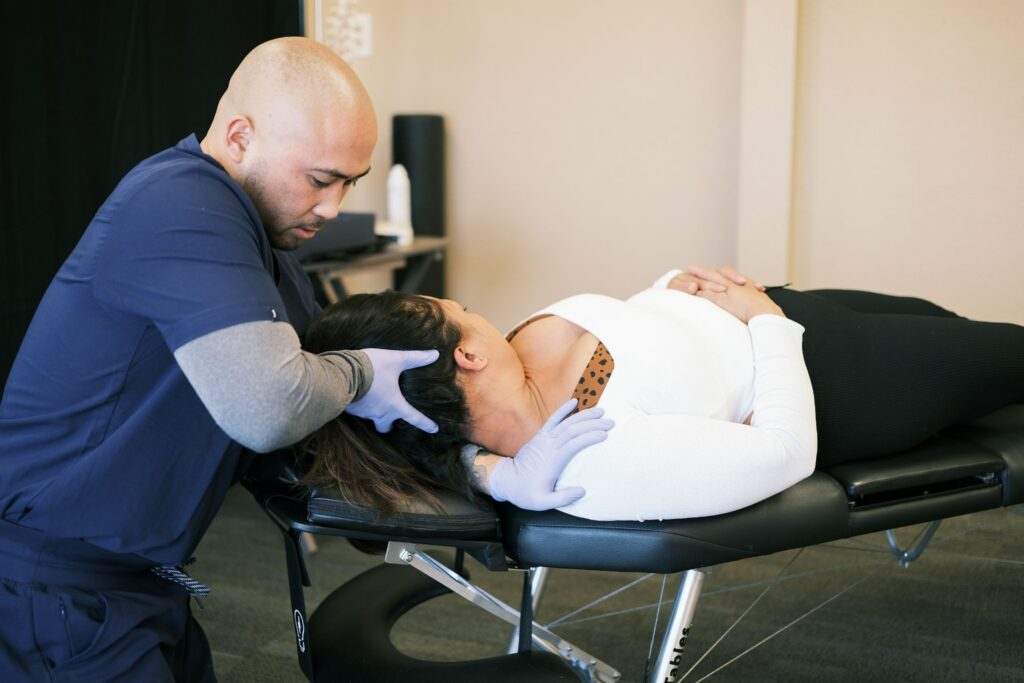

As a local chiropractor, I want to share an important aspect of your athletic performance that you may not have considered: spinal alignment. Achieving peak performance and those coveted gold medals isn't just about the countless hours you put into training; it's also about maintaining proper spinal health. Your spine plays a crucial role in your strength, flexibility, and overall movement efficiency.
Many athletes, both amateur and professional, tend to overlook spinal health and often find themselves grappling with injuries that could have been prevented. This is where chiropractic care comes in. By ensuring that your spine is properly aligned, you can enhance your body's ability to perform at its best.
So, what specific strategies can you adopt to ensure your spine supports you instead of holding you back? Regular chiropractic adjustments can help maintain alignment, relieve tension, and improve your range of motion. Additionally, incorporating exercises that strengthen your core and support your spine is key to avoiding injuries.
By prioritizing your spinal health, you not only boost your performance but also pave the way for a safer and more effective training regimen. If you're curious about how chiropractic care can benefit you, I'm here to help guide you on your journey to peak performance and beyond.
Importance of Spinal Alignment
As a local chiropractor, I want to emphasize the crucial role that proper spinal alignment plays in your overall health and well-being. When your spine is correctly aligned, it significantly reduces strain on your muscles and ligaments, allowing them to perform optimally. This alignment is vital for ideal nerve function, facilitating effective communication throughout your body. Conversely, poor spinal alignment can lead to a host of problems, such as back pain, headaches, and even digestive issues.
Many people may not realize that their daily habits—how they sit, stand, and move—can greatly affect their spinal health. For instance, slouching at your desk or hunching over your phone can cause misalignments that may result in discomfort over time. I encourage you to pay attention to your posture throughout the day; take a moment to check in with yourself and make necessary adjustments.
In addition to being mindful of your posture, incorporating exercises that strengthen your core and back muscles can further support your spinal alignment. Activities such as yoga, Pilates, or even simple stretches can enhance your flexibility and alleviate tension. As you strengthen these areas, you may find that your overall comfort improves significantly.
Also, let's not overlook the importance of your sleeping habits. The choices you make regarding your mattress and pillows are essential for maintaining spinal alignment while you rest. Ensure that your sleep environment supports the natural curves of your spine for optimal restorative sleep.
How Spinal Health Affects Performance
As a local chiropractor, I want to emphasize how crucial your spinal health is for your overall performance in everyday activities and sports.
When your spine is properly aligned, it not only boosts your flexibility and strength but also makes your movements more efficient. This means you can perform better and with less effort.
Additionally, by prioritizing spinal alignment through chiropractic care, you can significantly reduce your risk of injuries, allowing you to maintain peak performance.
Taking care of your spine is a vital step toward achieving your health and fitness goals naturally.
Importance of Spinal Alignment
As a local chiropractor, I want to emphasize the vital role that spinal alignment plays in your overall health and daily performance. A well-aligned spine isn't just a matter of comfort; it's essential for maintaining proper posture and balance, which allows you to move through your daily activities with ease.
Whether you're lifting weights at the gym or simply picking up a box, good spinal alignment can make those tasks feel effortless.
Furthermore, your spine is closely linked to your nervous system's function. When your spine is properly aligned, nerve signals can travel freely between your brain and body. This is crucial for coordination and quick reaction times—important not only for athletes but for anyone seeking to enhance their physical capabilities.
Additionally, maintaining good spinal health can significantly reduce your risk of injury. Misalignment can lead to compensatory movement patterns that place unnecessary strain on your muscles and joints, increasing the likelihood of injury.
By prioritizing spinal alignment, you can improve your physical performance while also supporting your long-term health and well-being.
In summary, focusing on spinal alignment is a wise choice for anyone looking to enhance their daily performance, whether you're a professional athlete or simply someone who wants to navigate life with less discomfort.
Your spine is a key component of your health, and by taking care of it, you're taking care of yourself! If you have any questions about how chiropractic care can help you achieve and maintain proper spinal alignment, I'm here to help.
Impact on Flexibility and Strength
As a local chiropractor, I want to emphasize the vital connection between your spinal health, flexibility, and strength. Your spine plays a crucial role in how well you can perform in various physical activities. When your spine is properly aligned, it enables optimal mobility and range of motion. This means you can stretch further, bend with ease, and carry out movements more efficiently.
However, if your spine is misaligned, it can limit your flexibility, making it more difficult to reach your full potential in any sport or exercise.
A healthy spine also supports your core muscles, which are essential for strength. When your spine is aligned correctly, your core can engage more effectively, providing the stability you need during dynamic movements. This enhanced strength can lead to improved performance, whether you're sprinting, jumping, or lifting weights.
On the other hand, poor spinal health can result in compensatory movements that put unnecessary strain on other parts of your body. This not only weakens your overall strength but can also lead to fatigue, hindering your performance.
By prioritizing your spinal health through chiropractic care, you can enhance your flexibility and strength, allowing you to train harder, recover faster, and ultimately pursue your athletic goals with greater success.
Injury Prevention Strategies
As your local chiropractor, I want to emphasize the importance of maintaining proper spinal alignment for effective injury prevention during your physical activities. A well-aligned spine plays a crucial role in distributing stress evenly throughout your body, which can significantly reduce your risk of injuries, including sprains, strains, and even chronic pain issues.
To enhance your spinal health, I encourage you to incorporate exercises that strengthen your core muscles. These muscles are essential for providing support to your spine and can help prevent injuries.
Before engaging in any physical activity, it's essential to warm up properly. A good warm-up increases blood flow and flexibility, preparing your muscles and joints for the physical demands ahead. Stretching is especially beneficial, as it improves your range of motion and keeps your muscles pliable, further reducing the likelihood of injuries.
It's also crucial to be mindful of your posture, both during workouts and in your everyday activities. Poor posture can lead to misalignments in your spine, which can increase your risk of injury. If you spend long hours sitting, consider using ergonomic equipment to support your body better and maintain proper alignment.
Lastly, always listen to your body. If you experience any pain or discomfort, don't hesitate to take a break and assess how you feel. Ignoring these signals can lead to more significant issues down the line.
Common Spinal Issues in Athletes
As a local chiropractor, I want to share with you how important it's to understand the impact of posture on your athletic performance and overall health.
Many athletes may not recognize that improper posture can lead to a variety of spinal issues, which can ultimately result in injuries and hinder your mobility and flexibility.
In my practice, I often see athletes who are unaware of the stress that sports-related activities can place on their spines.
It's essential to be mindful of these common spinal issues, as they can significantly influence your athletic journey.
By addressing these concerns through chiropractic care, we can help you enhance your performance, promote natural healing, and maintain a healthy spine.
Let's work together to ensure you stay at the top of your game!
Poor Posture Effects
As a local chiropractor, I want to take a moment to highlight the often-overlooked effects of poor posture on your health and daily performance. Many people may not realize how slouching or misaligning your spine can have a significant impact on your body's biomechanics. This misalignment can create muscle imbalances, which can lead to inefficient movement patterns.
As a result, you might find that your speed, agility, and strength are compromised, especially if you're active in sports or physical activities.
Another crucial aspect to consider is how poor posture can affect your breathing. When your chest is hunched forward, it restricts your lungs' ability to expand fully, which can limit your oxygen intake. This restriction can lead to feelings of fatigue and decreased stamina, making it more challenging to perform at your best.
Additionally, poor alignment can create tension in your neck and shoulders, causing discomfort that may distract you from your focus and performance.
It's also important to note that maintaining poor posture can contribute to chronic fatigue and stress. When your muscles have to work harder to keep you balanced, it can drain your energy levels, making recovery more difficult.
Over time, these issues can escalate into more serious spinal problems, which can impact your overall well-being and athletic longevity.
As a chiropractor, my goal is to help you understand the importance of maintaining good posture and how it can benefit your health and performance. By addressing postural issues through chiropractic care and natural healing methods, we can work together to promote better alignment, enhance your movement efficiency, and support your overall wellness.
Sports-Related Injuries
As a local chiropractor dedicated to promoting health and wellness, I want to highlight the importance of posture, especially for athletes. Many people may not realize that poor posture can greatly impact your daily life and lead to serious spinal issues, particularly in those engaged in sports.
When participating in physical activities, maintaining proper alignment is crucial to reducing the risk of injuries, particularly in vulnerable areas like the spine.
Here are a few common spinal problems that can arise from neglecting posture:
- Herniated Discs: This condition occurs when the cushioning discs between your vertebrae bulge or rupture, which can cause significant pain and discomfort.
- Spondylolysis: Often seen in athletes, this is a stress fracture in the lumbar spine that can lead to persistent lower back pain, especially in those who frequently extend their backs during activities.
- Sciatica: If the sciatic nerve is compressed, it can result in pain shooting down your leg, often due to misalignment in the spine.
To prevent these injuries, it's vital to pay attention to your posture, both during training and competitions. Incorporating regular stretching and strengthening exercises into your routine can greatly aid in maintaining spinal health.
Remember, your spine serves as your body's foundation; by taking care of it, you'll not only feel better but also enhance your athletic performance while minimizing injury risks.
By prioritizing proper alignment, you can achieve optimal health and well-being. If you're interested in learning more about how chiropractic care can support your athletic journey and overall health, don't hesitate to reach out.
Together, we can work towards keeping your spine healthy and your performance at its peak!
Flexibility and Mobility
As a local chiropractor, I want to emphasize the vital importance of flexibility and mobility in maintaining your spinal health, especially if you're active in sports or physical activities. Many people don't realize that a lack of flexibility can lead to tight muscles and restricted movement in the spine, resulting in discomfort and even injuries.
That's why incorporating regular stretching into your routine is crucial. It enhances your range of motion, which is essential for sports that require agility and quick movements.
To prepare your spine and the surrounding muscles for the demands of your activities, I recommend including dynamic stretches in your warm-up routine. Exercises like lunges and torso twists can significantly improve spinal mobility.
After your workouts, don't forget about static stretching. This type of stretching not only helps improve flexibility but also aids in recovery, alleviating muscle stiffness and promoting overall well-being.
Additionally, it's important to focus on building your core strength. A strong core provides essential support for your spine and helps maintain proper posture during physical activities. When your core muscles are weak, it can lead to poor spinal alignment, increasing your risk of injury.
Lastly, never underestimate the power of rest and recovery. Overworking your body can lead to tightness, making it even more challenging to achieve the flexibility and mobility you need.
By prioritizing these aspects of your health, you can help ensure that your spine remains aligned and healthy, setting you up for peak performance and longevity in your athletic endeavors.
Exercises for a Strong Spine
As your local chiropractor, I want to emphasize the importance of a strong spine for your overall health and well-being. Many people may not realize that engaging in specific exercises can significantly enhance spinal strength, which supports better posture, reduces the risk of injuries, and even boosts athletic performance.
Here are three effective exercises that I often recommend to my patients to help build a strong spine:
- Plank: This foundational exercise is excellent for engaging your core and back muscles, helping to provide the stability your spine needs. Begin in a push-up position, making sure your elbows are bent and directly under your shoulders. Maintain a straight line from your head to your heels, and aim to hold this position for 20 to 60 seconds. This will help strengthen those crucial stabilizing muscles.
- Bird-Dog: This exercise not only improves your balance but also targets the muscles along your spine, which is vital for overall spinal support. Start on all fours, with your hands positioned under your shoulders and your knees beneath your hips. Extend your right arm forward while simultaneously extending your left leg backward, ensuring your hips remain level. Hold this position for a few seconds before switching sides. This movement promotes coordination and strengthens your back.
- Bridge: A simple yet effective exercise, the bridge is fantastic for strengthening your lower back and glute muscles. Lie on your back with your knees bent and feet flat on the floor. Lift your hips towards the ceiling while squeezing your glutes at the top of the movement. Hold for a few seconds before gently lowering back down. This exercise not only strengthens your spine but also helps alleviate tension in the lower back.
Incorporating these exercises into your weekly routine can lead to a stronger spine, improved posture, and enhanced overall physical performance. If you start today, you'll likely feel the positive effects soon!
Role of Nutrition in Spinal Health
As a local chiropractor, I want to emphasize the crucial role nutrition plays in maintaining your spinal health. The foods you consume can significantly impact your spine's strength, flexibility, and resilience.
For starters, calcium and vitamin D are essential for keeping your spine healthy. Calcium is key for building and maintaining bone density, while vitamin D enhances the absorption of calcium in your body. You can find these nutrients in dairy products, leafy greens, and fortified foods. Ensuring you have an adequate intake of both can support your spinal structure.
Another important component of spinal health is omega-3 fatty acids. These healthy fats help reduce inflammation, which can relieve pressure on your spinal nerves. Fatty fish such as salmon, as well as walnuts and flaxseeds, are excellent sources of omega-3s. Including these in your diet can help promote a healthier spine.
Antioxidants also play a vital role in keeping your spine in top shape. Vitamins C and E help combat oxidative stress, which can affect spinal integrity. You can boost your antioxidant intake by enjoying citrus fruits, berries, nuts, and seeds—these foods are packed with these beneficial nutrients.
Moreover, hydration is often overlooked, but it's essential for maintaining the intervertebral discs in your spine. These discs act as shock absorbers, so staying well-hydrated is key. Aim to drink plenty of water throughout the day to ensure your body functions efficiently.
Lastly, let's not forget about protein. Strong muscles support your spine and can significantly reduce the risk of injury. Incorporating lean meats, beans, and legumes into your meals will help ensure you're getting enough protein to support your overall spinal health.
Benefits of Chiropractic Care
As a local chiropractor, I want to share with you the incredible benefits of chiropractic care, particularly when it comes to maintaining a healthy spine. Many people are surprised to discover that regular visits to a chiropractor can significantly enhance your overall well-being beyond just relieving pain.
By focusing on spinal alignment, chiropractic care optimizes your body's performance, which can lead to improved athletic ability and better daily functioning.
Let me highlight a few key benefits you can expect from chiropractic care:
- Improved Mobility: One of the primary advantages of chiropractic adjustments is the increase in your range of motion. This enhancement makes everyday activities, as well as sports, easier and more enjoyable.
- Enhanced Athletic Performance: When your spine is properly aligned, you may experience better coordination and balance, essential elements for peak performance in any sport. This alignment helps your body work more efficiently.
- Stress Reduction: Chiropractic care isn't just about physical adjustments; it also promotes relaxation and reduces muscle tension. This allows your body to recover more effectively and helps you feel more at ease in your daily life.
In addition to these benefits, chiropractic care plays a vital role in injury prevention. Maintaining proper spinal alignment reduces the risk of strains and overuse injuries that can occur during training or competition.
It's not just about treating pain; it's about adopting a proactive approach to your health. By receiving regular adjustments, you can maintain a strong and resilient spine, empowering you to pursue your athletic goals with confidence.
If you're interested in reaching your peak potential and improving your overall health, I encourage you to consider incorporating chiropractic care into your routine. Your spine will appreciate the attention, and so will your body as a whole!
Stretching Techniques for Flexibility
At our chiropractic practice, we believe that achieving overall wellness goes beyond just spinal adjustments. One of the best ways to enhance your health and flexibility is by incorporating effective stretching techniques into your routine. Flexibility is vital for optimal performance, injury prevention, and recovery from physical activities.
To begin, consider starting with dynamic stretches as part of your warm-up. These stretches involve controlled movements that help increase your range of motion and get your blood flowing. Examples include leg swings, arm circles, and torso twists. These movements prepare your muscles for the activities ahead and can be a great addition to your pre-exercise routine.
After you've warmed up, it's essential to transition to static stretches. These stretches are most effective when performed after your workout, as your muscles are more pliable and receptive to lengthening. Focus on key muscle groups, such as your hamstrings, quadriceps, and shoulders. Remember to hold each stretch for 15-30 seconds without any bouncing, as this method helps prevent injury and promotes better results.
Incorporating a variety of stretches is crucial for improving flexibility. Activities like yoga or Pilates can be fantastic complements to your stretching routine, as they not only enhance flexibility but also build core strength. Poses such as downward dog or pigeon pose can be especially beneficial for your overall well-being.
Consistency is key! We recommend stretching at least three times a week. Keeping to a regular stretching schedule will allow you to notice improvements in your flexibility and mobility over time.
Lastly, always listen to your body. If you ever feel pain during a stretch, it's important to modify the movement or ease off. You should aim for a gentle pull rather than discomfort.
Proper Posture for Athletes
As a local chiropractor, I want to emphasize the importance of proper posture for athletes—and for everyone, really. Good posture isn't just about looking confident; it's crucial for enhancing performance and preventing injuries. When your body is aligned correctly, you can maximize your strength, endurance, and agility.
Here are some key components of good posture that I encourage all my patients to focus on:
- Spinal Alignment: It's essential to keep your spine straight and aligned from your head to your tailbone. This alignment supports your body's natural curves and facilitates optimal movement. When your spine is in proper alignment, it can help reduce strain on your muscles and joints.
- Shoulder Position: Relaxing your shoulders and keeping them back is vital. Avoiding a hunched appearance not only opens up your chest but also improves your breathing, which can significantly enhance your overall performance in physical activities.
- Core Engagement: Activating your core muscles is crucial for supporting your spine. A strong core stabilizes your body during dynamic movements, which is particularly important in athletic performance. This stability can also help prevent injuries that occur due to poor posture.
Being mindful of your posture allows you to make corrections during your training and daily activities. I recommend practicing posture drills and incorporating exercises that strengthen your back, shoulders, and core.
Remember, good posture is about how you carry your body in every movement, not just when you're standing still. Integrating good posture habits into your daily routine can lead to significant health benefits, whether you're running, lifting weights, or simply going about your day.
Recovery Strategies for Spinal Health
As a local chiropractor dedicated to your spinal health, I want to emphasize that maintaining good posture is only part of a comprehensive approach to wellness. Recovery strategies are equally crucial for your spine to recuperate effectively after physical activity. Here are some key strategies I recommend integrating into your routine.
First and foremost, prioritize rest. Your body needs time to heal and rebuild, especially after intense training or competition. Ensure you're getting enough sleep each night, as this is the time when your muscles and tissues do most of their recovery work. If your schedule allows, consider incorporating short recovery naps during the day to replenish your energy.
Hydration is another vital aspect of recovery that shouldn't be overlooked. Proper hydration helps maintain the elasticity of your spinal discs and supports overall joint health. Aim to drink plenty of water throughout the day, particularly before and after your workouts.
In addition, incorporating gentle stretching and mobility exercises into your recovery sessions can significantly benefit your spine. Focus on stretching your back, hips, and shoulders to alleviate tension and enhance flexibility. Practices such as yoga or Pilates can be particularly effective for improving spinal alignment and building core strength.
I also encourage the use of foam rollers or seeking out massage therapy. These techniques can help relieve muscle tightness and improve circulation, which promotes faster recovery. If you find yourself experiencing persistent discomfort, I recommend consulting with a professional for personalized advice tailored to your individual needs.
Lastly, it's important to balance your training routine with active recovery days. Engage in low-impact activities like walking or swimming; these allow your body to stay active without putting strain on your spine.
Conclusion
As a local chiropractor, I want to emphasize the importance of spinal health in your overall well-being, especially if you're an athlete or someone who is active. Understanding how your spine affects your performance can be a game-changer. When your spine is properly aligned, it not only helps reduce the risk of injuries but also enhances your athletic capabilities, allowing you to perform at your best.
Incorporating spinal care into your training routine can be as simple as focusing on correct posture, engaging in specific strengthening exercises, and seeking regular chiropractic adjustments. These practices can support your body in recovery and help you maintain optimal performance. Remember, a strong spine is the backbone of a strong athlete.
So, I encourage you to prioritize your spinal health and be mindful of how you move and recover. With the right approach to your spinal care, you'll be well on your way to reaching your fitness goals and maybe even winning those coveted gold medals! If you have any questions about how chiropractic care can benefit you, I'm here to help guide you on your journey to natural healing and improved performance.