
When you've sustained a sports injury, figuring out the right treatment options can feel overwhelming. You might start with basic strategies like rest and ice, but as you seek to regain your full strength, understanding the range of therapies available becomes essential. From physical therapy to innovative treatments, each option plays a role in your recovery journey. However, not every method works for everyone, and knowing how to tailor your approach can make a significant difference. So, what factors should you consider to optimize your recovery?
Common Types of Sports Injuries
Sports injuries can happen to anyone, whether you're a weekend warrior or a seasoned athlete. It's important to recognize the most common types of injuries you might encounter during physical activities. Understanding these injuries can help you take preventive measures and seek appropriate treatment when needed.
One of the most frequent injuries is a sprain, which occurs when you overstretch or tear a ligament. This often happens in your ankles or knees, especially during activities that involve sudden changes in direction.
Another common injury is a strain, where you stretch or tear a muscle or tendon. Strains typically affect your hamstrings or lower back, especially during weightlifting or sprinting.
Fractures are also prevalent, especially among athletes participating in contact sports or high-impact activities. A fracture can range from a small crack to a complete break, and it usually requires immediate medical attention.
Tendonitis, an inflammation of the tendons, is another concern, especially for those who engage in repetitive motions, like runners or tennis players.
You might also encounter contusions, which are bruises caused by a direct blow to a muscle. These can be painful and may limit your range of motion.
Finally, stress fractures, tiny cracks in your bones, often result from overuse, particularly in runners or dancers.
Initial Assessment and Diagnosis
Recognizing the signs of a sports injury is the first step toward effective treatment. When you experience pain, swelling, or limited mobility during or after physical activity, it's essential to assess the situation promptly.
Begin by evaluating the affected area. Check for visible signs like bruising or swelling, and note any changes in your range of motion.
Next, consider the pain level. Is it sharp, dull, or throbbing? Rate your pain on a scale of 1 to 10 to help convey the severity to a healthcare professional. If you can, try to recall how the injury occurred. Did you feel a sudden pop, or did the discomfort develop gradually? This information can greatly aid in the diagnosis.
It's also important to assess your functional ability. Can you bear weight on the injured limb or perform regular movements? If you struggle with these tasks, it's a sign that further evaluation is necessary.
Once you've gathered this information, consult a healthcare provider. They might perform a physical examination and may recommend imaging tests like X-rays or MRIs to confirm the diagnosis.
Getting an accurate assessment is crucial, as it determines the appropriate treatment plan. Don't ignore symptoms or delay seeking help; acting quickly can help prevent further damage and improve your recovery outlook.
Rest and Recovery Strategies
After a sports injury, effective rest and recovery strategies are essential for a successful healing process. You need to give your body the time it requires to heal properly. Rushing back into activity can lead to further injury and prolonged recovery times.
Here are some key strategies to incorporate into your recovery plan:
- Prioritize Rest: Your body needs adequate time to repair itself. Don't underestimate the power of sleep and downtime.
- Manage Pain and Swelling: Use ice and over-the-counter pain relief as recommended to control inflammation.
- Stay Hydrated: Drinking plenty of water aids in the healing process, ensuring your body functions efficiently.
- Eat a Balanced Diet: Nutrient-rich foods can promote healing. Focus on proteins, vitamins, and minerals to support tissue repair.
- Listen to Your Body: Pay attention to what your body tells you. If you feel pain or discomfort, you may need to adjust your activity levels or take additional rest.
Implementing these strategies will help you recover more effectively and get back to your favorite sports.
Remember that recovery isn't just about physical healing; it's also a mental game. Stay patient and positive throughout your recovery journey. Each step you take towards healing is a step closer to returning to the field or court, stronger and more resilient than before.
Physical Therapy Techniques
When dealing with a sports injury, incorporating physical therapy techniques can greatly enhance your recovery process. These techniques focus on restoring strength, flexibility, and function, helping you return to your sport safely and effectively.
One essential technique is therapeutic exercise. Your physical therapist will design a personalized exercise program that targets your specific injury. These exercises often include stretching, strengthening, and balance activities to help regain mobility and stability.
You'll likely start with gentle movements and progress to more challenging exercises as your condition improves.
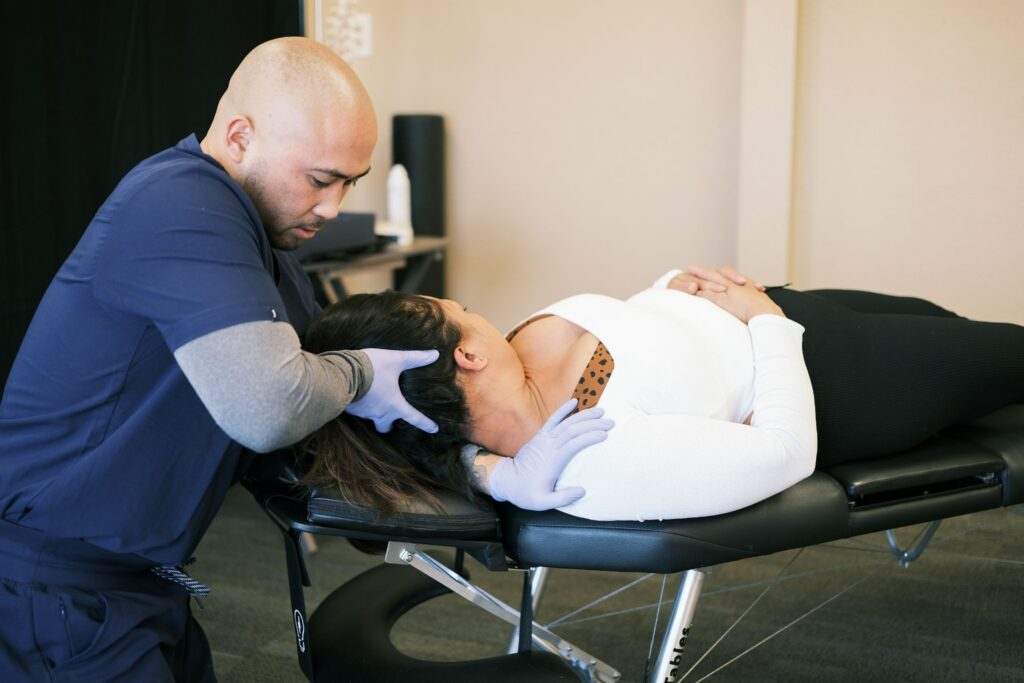
Manual therapy is another important component. Your therapist may use hands-on techniques to manipulate soft tissues and joints. This approach can reduce pain, improve circulation, and promote healing.
You might also experience techniques like joint mobilization, which helps restore normal movement in stiff joints.
Modalities such as ultrasound and electrical stimulation can aid in pain relief and tissue healing. These treatments can enhance the effectiveness of your exercise program, making your recovery more efficient.
Don't forget about education! Your physical therapist will equip you with knowledge about your injury, proper body mechanics, and injury prevention strategies. Understanding your condition is essential for making informed decisions about your recovery.
Finally, consistency is key. Attend your scheduled sessions and stick to your home exercise program.
With dedication and the right physical therapy techniques, you'll be on your way to a successful recovery, ready to tackle your sport with renewed strength and confidence.
Medications and Pain Management
While physical therapy techniques play an essential role in recovery, medications and pain management strategies can also greatly impact your healing process. By effectively managing pain and inflammation, you can improve your comfort and enhance your ability to participate in rehabilitation activities.
Here are some common approaches you might consider:
- Over-the-Counter Pain Relievers: Nonsteroidal anti-inflammatory drugs (NSAIDs) like ibuprofen or naproxen can help reduce pain and swelling.
- Prescription Medications: If your pain is severe, your doctor might prescribe stronger medications to manage it effectively.
- Topical Analgesics: Creams or patches can be applied directly to the skin over the injured area, providing localized relief without systemic side effects.
- Corticosteroid Injections: These can be used in cases of persistent inflammation, providing targeted relief directly into the affected area.
- Muscle Relaxants: If muscle spasms are contributing to your pain, your doctor might recommend these medications to help ease tension.
Always consult with your healthcare provider before starting any medication to verify it's appropriate for your specific situation.
Remember, managing pain is just one aspect of your recovery. It's important to combine medication with other treatments, such as physical therapy, to promote healing and restore function.
Alternative and Innovative Therapies
Alternative and innovative therapies are increasingly popular among athletes seeking effective ways to recover from sports injuries. These treatments often complement traditional approaches, providing additional options for healing and rehabilitation.
You might find therapies like acupuncture beneficial, as it can help reduce pain and inflammation by promoting blood flow to the affected areas. Many athletes report quicker recovery times and improved mobility after sessions.
Another option to reflect on is cryotherapy, where you expose your body to extremely cold temperatures for short periods. This method can help reduce swelling and muscle soreness, allowing you to return to your sport faster.
You can also explore methods like infrared therapy, which uses light to penetrate the skin and promote healing at a cellular level.
If you're looking for a more hands-on approach, think about visiting a practitioner who specializes in myofascial release or massage therapy. These treatments target tight muscles and fascia, improving flexibility and easing tension.
You may also want to try kinesiology taping, which provides support to injured areas while allowing for full range of motion.
Finally, don't overlook the power of nutrition and supplementation. Incorporating anti-inflammatory foods and essential nutrients can greatly impact your recovery process.
Preventive Measures for Future Injuries
To avoid future injuries, you need to focus on a few key preventive measures.
Incorporating strength training regimens, practicing proper warm-up techniques, and choosing the right footwear can make a big difference.
Strength Training Regimens
Strength training regimens play an essential role in preventing future sports injuries by enhancing muscle strength, stability, and overall biomechanical function.
When you commit to a well-designed strength training program, you're not just building muscle; you're also fortifying your body against potential injuries.
Here are some key components to focus on:
- Core Strength: A strong core stabilizes your entire body, reducing the risk of injury during dynamic movements.
- Balance Exercises: Incorporating balance work helps improve your stability, which is vital for preventing falls and missteps.
- Flexibility Training: Maintaining flexibility in your muscles and joints can enhance your range of motion, lowering the risk of strains.
- Progressive Overload: Gradually increasing the resistance or intensity of your workouts allows your body to adapt and grow stronger over time.
- Sport-Specific Movements: Tailoring your strength training to mimic the movements of your sport can enhance performance while reducing injury risk.
Proper Warm-Up Techniques
A well-structured warm-up can greatly enhance your athletic performance and reduce the risk of injuries. Before you jump into any intense physical activity, you need to prepare your body. Start with a few minutes of light aerobic exercise, like jogging or jumping jacks, to increase your heart rate and warm up your muscles. This gets the blood flowing and primes your body for more strenuous movements.
Next, incorporate dynamic stretches that mimic the activities you'll be doing. Think leg swings, arm circles, or torso twists. These movements not only improve flexibility but also activate the muscles you'll use during your sport. Aim for about 10-15 minutes of warming up, gradually increasing intensity.
Don't forget to focus on specific muscle groups that will be engaged during your activity. For instance, if you're playing soccer, pay special attention to your legs and hips.
Finally, listen to your body—if something doesn't feel right, adjust your routine accordingly. By taking the time to warm up properly, you're setting yourself up for a safer and more effective performance.
Appropriate Footwear Choices
Choosing the right footwear is essential for preventing sports injuries and enhancing your performance. The shoes you wear can greatly impact your stability, comfort, and overall athletic ability.
To make certain you're protecting your feet and joints, consider the following factors when selecting your footwear:
- Type of Sport: Different activities require specific shoe designs, like running shoes for runners and cleats for soccer players.
- Fit and Comfort: Ensure your shoes fit snugly but not too tight, allowing for some movement while providing support.
- Cushioning and Support: Look for shoes with proper cushioning to absorb impact and arch support to maintain foot alignment.
- Material Breathability: Choose shoes made from breathable materials to keep your feet cool and dry during intense workouts.
- Terrain Compatibility: Select footwear suited for the terrain you'll be on, such as trail shoes for off-road running or court shoes for indoor sports.
Conclusion
To sum up, exploring treatment options for sports injuries is essential for your recovery. By understanding the common types of injuries and implementing effective strategies like rest, physical therapy, and pain management, you can get back to your activities faster. Don't overlook innovative therapies and preventive measures, as they play a significant role in reducing the risk of future injuries. Stay proactive about your health, and remember that a personalized approach is key to achieving the best recovery.