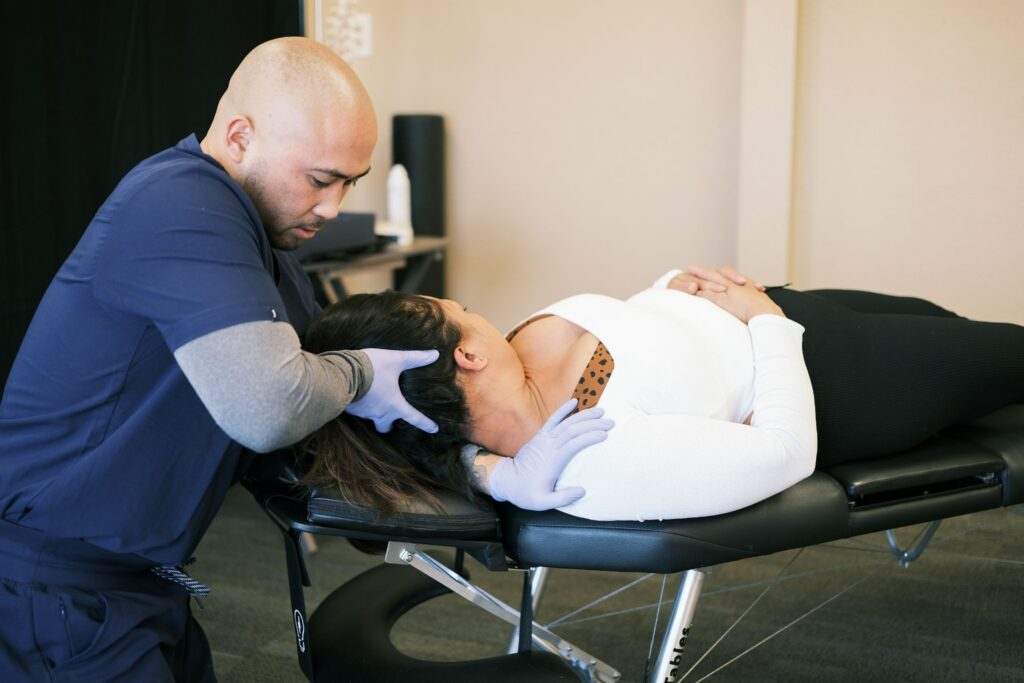

As a local chiropractor, I understand how disruptive back pain can be in your daily life. Many of my patients have shared their experiences, and it’s clear that this discomfort can affect everything from work to leisure activities. The good news is that there are natural and effective exercises designed to help prevent back pain.
By focusing on strengthening your core muscles and enhancing flexibility, you can provide crucial support to your spine while improving your overall well-being. In the sections ahead, I will introduce you to ten essential exercises that can truly make a difference in your life. I encourage you to explore these movements and learn how they can benefit not just your back, but your entire body. Let’s take this journey together towards a healthier, pain-free lifestyle.
Cat-Cow Stretch
As a chiropractor, I often recommend the Cat-Cow Stretch to my patients as a simple yet effective way to relieve tension in the back and improve spinal health. This exercise is particularly beneficial for those who may be unfamiliar with chiropractic care and natural healing practices.
To begin the Cat-Cow Stretch, find a comfortable tabletop position on your hands and knees. Ensure that your wrists are positioned directly beneath your shoulders and your knees are aligned under your hips. This proper alignment is crucial for maximizing the benefits of the stretch.
As you take a deep breath in, gently arch your back, allowing your belly to drop toward the ground while lifting your head and tailbone toward the ceiling. This position is known as the “Cow” position and helps to open up the front of your body, promoting flexibility in the spine.
Next, as you exhale, round your spine upward, tucking your chin to your chest and engaging your core by drawing your belly button in. This is referred to as the “Cat” position, which encourages a gentle stretch along your back and helps to release tension.
I encourage you to flow between these two positions, coordinating your breath with your movements. Aim for about 5-10 rounds, paying close attention to the sensations in your back.
This practice not only enhances flexibility but also plays a significant role in promoting better posture and spinal alignment. Incorporating the Cat-Cow Stretch into your daily routine can be a proactive step in preventing back pain and supporting your overall well-being.
Child’s Pose
As a chiropractor dedicated to your well-being, I want to introduce you to a wonderful stretch called Child’s Pose, which can be a valuable addition to your back care routine. This gentle pose isn’t only effective in relieving tension in your back, but it also promotes relaxation—something we all need in our busy lives.
To practice Child’s Pose, begin by kneeling on the floor and sitting back on your heels. From there, reach your arms forward and lower your torso between your thighs, allowing your forehead to rest comfortably on the mat. You’ll likely feel a soothing stretch along your spine as you settle into this position.
I recommend holding Child’s Pose for 30 seconds to a minute while focusing on deep, calming breaths. This mindful breathing helps release any tightness in your back, contributing to overall relaxation. If you find it comfortable, consider widening your knees slightly to deepen the stretch, but always ensure your neck stays relaxed to avoid any strain.
Incorporating Child’s Pose into your routine can significantly benefit your back health. It not only alleviates discomfort but also enhances flexibility, making it a fantastic complement to the chiropractic care I provide.
Embrace this stretch as a part of your journey to better health, and remember, taking time for yourself is essential for both physical and mental well-being.
Pelvic Tilts
As a local chiropractor, I often recommend pelvic tilts to my patients as a simple yet effective exercise to strengthen the core and alleviate lower back pain. This exercise is particularly beneficial for those who may not be familiar with chiropractic care or natural healing techniques.
To perform pelvic tilts, begin by lying on your back with your knees bent and feet flat on the floor, positioned hip-width apart. As you exhale, gently tilt your pelvis upwards, pressing your lower back into the floor. This action engages your core muscles and promotes proper spinal alignment. Hold this position for a few seconds before inhaling and returning to the starting position.
I suggest aiming for 10 to 15 repetitions, ensuring that each movement is smooth and controlled. One of the great aspects of pelvic tilts is that they can be incorporated into your daily routine. Not only do they work to strengthen your abdominal muscles, but they also enhance flexibility in your spine, which is crucial for overall back health.
Remember to focus on your breathing throughout the exercise; deep, relaxing breaths can help your body respond better and foster a sense of calm.
Bird-Dog Exercise
As a local chiropractor dedicated to promoting natural healing and overall wellness, I want to share the benefits of a fantastic exercise known as the Bird-Dog. This exercise builds on the strength you’ve developed from pelvic tilts, further enhancing your core stability and supporting your spinal health.
To begin, get into a tabletop position on your hands and knees, ensuring your wrists are directly beneath your shoulders and your knees are aligned under your hips. This positioning is crucial for maintaining proper form.
As you take a deep breath in, extend your right arm forward while simultaneously reaching your left leg back. It’s important to keep your back straight and engage your core throughout this movement. Hold this position for a brief moment, concentrating on maintaining your balance.
When you’re ready, exhale and return to the starting position. Now, switch sides by extending your left arm and right leg, repeating the movement. I recommend aiming for 8-12 repetitions on each side.
The Bird-Dog exercise not only strengthens your back and core but also enhances coordination and balance—key components in preventing back pain.
By incorporating the Bird-Dog into your regular routine, you can promote a healthier spine and improve your overall stability. Remember, a strong core is vital for supporting your spine and reducing discomfort.
If you have any questions about how this exercise fits into your wellness journey, feel free to ask!
Bridge Exercise
As your local chiropractor, I want to introduce you to the Bridge Exercise, an excellent way to strengthen your lower back and core muscles. This exercise is particularly beneficial in preventing pain and discomfort that many people experience in their daily lives.
By understanding the proper technique, you can ensure that you’re exercising safely while maximizing the benefits for your body.
Let’s take a closer look at how to perform the Bridge Exercise effectively. First, lie on your back with your knees bent and your feet flat on the ground, hip-width apart. Engage your core and slowly lift your hips towards the ceiling, squeezing your glutes at the top of the movement. Hold this position for a few seconds before gently lowering back down.
It’s important to maintain proper alignment throughout the exercise to avoid any strain on your back.
Incorporating this exercise into your routine can lead to numerous advantages, such as improved posture, enhanced stability, and reduced risk of injury.
As a chiropractor, I emphasize the importance of strengthening your core and lower back to support your spine and overall health. By adopting natural healing practices like this exercise, you can take proactive steps towards maintaining your well-being and preventing discomfort.
If you have any questions or need further guidance on how to integrate the Bridge Exercise into your routine, feel free to reach out. Your journey to better health starts with understanding how to care for your body effectively!
Benefits of Bridge Exercise
As a local chiropractor, I want to share the incredible benefits of incorporating bridge exercises into your routine. These exercises are an excellent way to strengthen your lower back and core muscles, which are essential for maintaining a healthy spine.
When you regularly practice bridge exercises, you can improve your posture, alleviating strain on your spine and promoting overall spinal health. Strengthening your lower back and core not only enhances your stability and balance but also significantly reduces the risk of injury during everyday activities.
Additionally, bridges are fantastic for engaging your glutes, contributing to greater overall body strength and functionality. You may also notice an improvement in flexibility, especially in your hips and spine, which can lead to a more comfortable range of motion in your daily life.
As your core becomes stronger, you’ll find that performing other exercises and even routine tasks becomes easier. This is why I encourage my patients to consider bridge exercises as an essential component of their strategy to prevent back pain and promote natural healing.
Proper Technique Guide
As a local chiropractor dedicated to promoting natural healing and overall wellness, I want to emphasize the importance of proper technique when performing bridge exercises. These exercises can offer significant benefits for your back and core stability, but they need to be done correctly to avoid injury.
Start by lying on your back, ensuring your knees are bent and your feet are flat on the floor, positioned hip-width apart. It’s important that your arms rest comfortably at your sides with your palms facing down. Before you begin, take a moment to engage your core and glutes—this activation is crucial for protecting your spine during the movement.
Now, gently lift your hips towards the ceiling, making sure to keep your shoulders and feet firmly grounded. Be mindful to avoid any arching in your lower back, as this can lead to discomfort or injury. Hold this elevated position for a few seconds while maintaining steady breathing.
After that, lower your hips back down to the ground in a controlled manner. I recommend aiming for 10 to 15 repetitions, but always prioritize quality over quantity. Focus on maintaining proper form throughout the exercise to maximize its effectiveness and prevent any potential harm.
Standing Forward Bend
As a chiropractor, I often emphasize the importance of maintaining a healthy spine and overall body flexibility. One effective stretch I recommend to my patients is the Standing Forward Bend. This simple stretch not only helps to alleviate tension in your back but also promotes flexibility in your hamstrings and calves, which are essential for overall mobility.
To perform the Standing Forward Bend, start by standing tall and hinging at your hips to allow your upper body to hang towards the ground. It’s important to relax your neck and shoulders during this stretch. If needed, don’t hesitate to keep a slight bend in your knees to avoid strain.
Here are some key benefits of incorporating the Standing Forward Bend into your routine:
- It improves circulation and blood flow to your spine, which is crucial for spinal health.
- It helps relieve stress, fostering a sense of calm and relaxation in the mind and body.
- It enhances your overall body awareness and alignment, which can contribute to better posture.
By regularly practicing this stretch, you can alleviate back pain and improve your flexibility, which is vital for your daily activities.
I encourage you to take a moment each day to engage in the Standing Forward Bend and experience the relief it can offer. Your body will thank you!
Seated Spinal Twist
As a chiropractor, I often recommend the Seated Spinal Twist to my patients as a wonderful exercise to increase spinal mobility and alleviate back tension.
To perform this effective twist, begin by sitting on the floor with your legs extended straight in front of you. Bend your right knee and place your foot on the outside of your left thigh. Next, position your left elbow on the outside of your right knee while maintaining a straight spine. Gently twist your torso to the right, using your elbow to enhance the stretch. Hold this position for several breaths, and pay attention to the sensations along your spine and in your shoulders. After a few moments, switch sides and repeat the process.
This exercise not only enhances flexibility but also promotes proper posture, which is essential for overall spinal health.
I encourage you to focus on deep, calming breaths throughout the stretch, as this can help your body relax more with each exhale. Incorporating the Seated Spinal Twist into your regular routine can be a proactive step in preventing back pain and supporting your journey toward natural healing.
Plank
As a local Chiropractor, I want to share the benefits of the Plank exercise, which is an excellent way to enhance your core strength and stability. These components are vital for maintaining a healthy back and overall well-being. The Plank engages multiple muscle groups, which can improve your posture and help mitigate the risk of back pain.
To begin, here’s how you can perform the Plank safely and effectively:
- Start by positioning yourself face down on the floor, supporting your weight on your forearms and toes.
- Ensure your body forms a straight line from your head to your heels. Engage your core to maintain this alignment throughout the exercise.
- Begin by holding the position for 20-30 seconds, and as you develop strength, gradually extend the duration.
It’s important to remember to breathe steadily during the exercise and to avoid allowing your hips to sag or your back to arch, as this can lead to strain.
Incorporating the Plank into your routine a few times a week can significantly enhance your core strength and stability.
One of the great advantages of the Plank is its versatility; you can perform it virtually anywhere, making it easy to integrate into your busy lifestyle.
Side Lying Leg Lifts
As a local chiropractor, I want to emphasize the importance of exercises that not only strengthen your body but also enhance your overall stability and well-being. One such exercise is the Side Lying Leg Lift. This movement targets your hip muscles, which play a crucial role in maintaining balance and reducing the risk of back pain.
To perform this exercise safely, start by lying on your side with your legs extended and stacked on top of each other. Support your head with your bottom arm, and engage your core to stabilize your body.
Slowly lift your top leg towards the ceiling, keeping it straight throughout the motion. It’s important to focus on using your hip muscles rather than your back for the lift. Hold your leg at the top for a moment before lowering it back down, ensuring that it doesn’t touch your bottom leg. Aim for 10-15 repetitions on each side.
Maintaining proper form is critical during this exercise: avoid leaning forward or backward, and ensure your hips remain stacked.
Wall Sits
As a chiropractor dedicated to promoting natural healing and overall wellness, I want to highlight the benefits of wall sits for strengthening your legs and core.
These exercises play a crucial role in supporting your back, which is essential for maintaining a healthy spine. To truly reap the benefits, it’s important to focus on proper form, the duration you hold the position, and your frequency of practice.
As you become more comfortable with wall sits, I encourage you to explore variations that can further challenge your muscles and enhance your stability.
Proper Form Importance
As a local chiropractor, I want to emphasize the importance of proper form when performing wall sits, not just for strengthening your core and lower body, but also for safeguarding your overall health.
Here are some essential points to consider:
- Back Alignment: It’s crucial to press your lower back against the wall, ensuring that your spine remains in a neutral position. This alignment helps to prevent unnecessary strain on your back muscles, reducing the risk of discomfort or injury.
- Knee Position: Pay close attention to your knee alignment. Your knees should be positioned directly above your ankles, creating a perfect 90-degree angle. This correct posture protects your knees from excessive stress, which can lead to long-term issues.
- Engaged Core: Throughout the exercise, keep your core engaged. Not only does this stabilize your body, but it also enhances the effectiveness of your workout. A strong core is fundamental in maintaining overall body balance and reducing the risk of injury.
By adhering to these guidelines, you not only maximize the benefits of wall sits but also promote better spinal health and prevent injuries.
If you have any questions about your form or how to incorporate these exercises safely into your routine, feel free to reach out. Your well-being is my priority!
Duration and Frequency
As a chiropractor, I often emphasize the importance of strengthening your body to support overall health and well-being. One effective exercise that I recommend is the wall sit. When incorporating wall sits into your routine, it’s crucial to consider both how long you hold the position and how often you do it.
If you’re new to wall sits, I suggest starting with a hold time of about 20 to 30 seconds. This will allow your body to adapt to the exercise without overwhelming it. As you become stronger and more comfortable, aim to gradually increase your hold time to 60 seconds or even longer. It’s vital to listen to your body—if you experience any discomfort, it’s perfectly fine to take a break and reassess your form.
In terms of frequency, I recommend integrating wall sits into your routine two to three times a week. Consistent practice can help strengthen your core and lower body, which is essential for maintaining proper posture and reducing the risk of back pain—a common issue I see in my practice.
Variations for Progression
As a chiropractor dedicated to promoting natural healing and overall wellness, I often encourage my patients to incorporate various physical exercises that can enhance their strength and stability. One exercise that can be particularly beneficial is the wall sit.
Once you feel comfortable with the basic wall sit, there are several variations you can try to increase the challenge and further strengthen your muscles. Here are some effective ways to progress your wall sit routine:
- Single Leg Wall Sit: By lifting one leg off the ground while maintaining your position against the wall, you not only engage your leg muscles more intensely, but you also activate your core and stabilizing muscles. This variation helps improve balance and coordination, which are essential for spinal health.
- Wall Sit with Calf Raises: While holding your wall sit, try raising your heels off the ground. This adds an extra layer of intensity to the exercise, targeting your calves and enhancing your lower body strength. Stronger legs can contribute to better posture and reduced strain on your back.
- Weighted Wall Sit: For those looking to take their workout to the next level, holding a dumbbell or weight plate at chest level during your wall sit can significantly increase resistance. This not only boosts muscle engagement but also helps build endurance, which is vital for maintaining a healthy spine and preventing injury.
Incorporating these variations into your routine can help you develop a stronger foundation for overall health and wellness.
Remember to listen to your body and consult with your chiropractor if you have any concerns about your form or technique.
Conclusion
As a chiropractor dedicated to your health, I want to emphasize the importance of incorporating specific exercises into your routine to help prevent back pain. Strengthening your core and enhancing flexibility are crucial not only for protecting your back but also for boosting your overall wellness. I recommend practicing these movements two to three times a week. You may find that your posture improves and you feel more stable in your daily activities. Remember, consistency is vital in keeping back pain at bay. Embracing these exercises can lead to a healthier, more active lifestyle, and I’m here to support you every step of the way on your journey to natural healing!