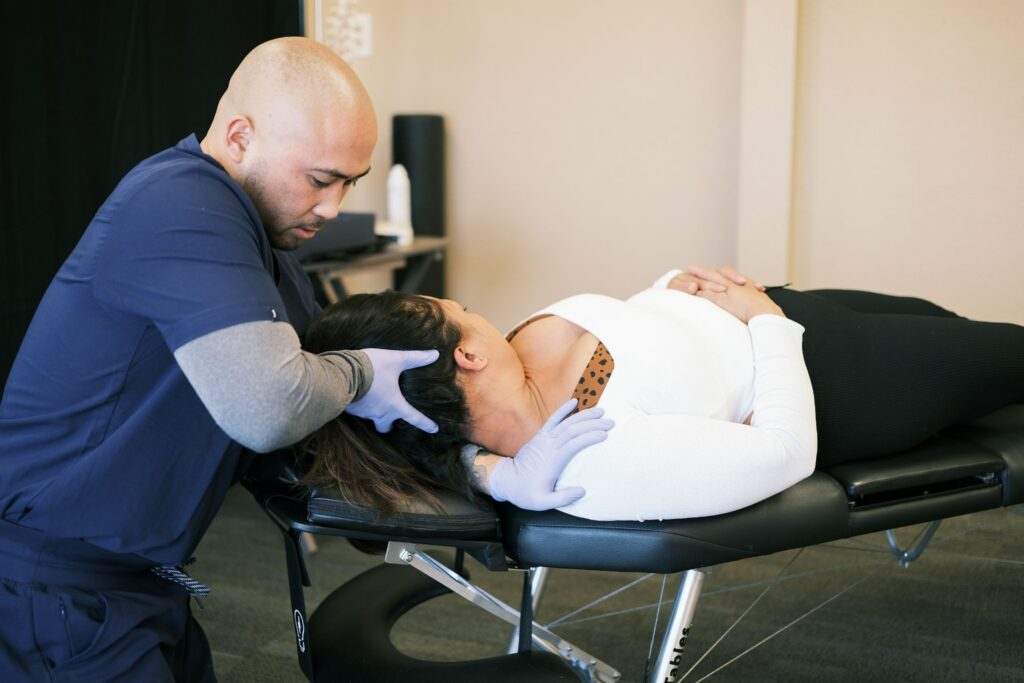

As a local chiropractor, I often see patients struggling with back pain, a common issue that can significantly affect your everyday life. Many may not realize that incorporating simple stretches into your routine can be a game-changer in preventing discomfort. By practicing a few essential movements, you can enhance your flexibility and support your spinal health.
If you’re curious about which specific stretches can help alleviate back pain, let me share some effective techniques that can provide relief and contribute to your overall well-being. Remember, caring for your back doesn’t have to be complicated; with consistent effort, you can promote better alignment and function in your body. Let’s take a closer look at how these stretches can benefit you!
Understanding the Causes of Back Pain
As a chiropractor dedicated to helping you understand and manage back pain, it’s important to recognize that its causes can vary widely. Many of my patients experience discomfort due to muscle strain, which often results from lifting heavy objects or making sudden movements without proper care.
Additionally, poor posture can significantly contribute to back pain, especially for those who spend long hours sitting without the right support.
I often see individuals who lead inactive lifestyles, as this can weaken the back muscles and make you more vulnerable to pain. Another common issue I encounter is herniated discs, which happen when the cushioning between your vertebrae slips out of alignment. This can lead to significant discomfort and requires careful attention.
It’s also worth noting that age-related conditions, such as arthritis, can cause stiffness and pain in the back.
Furthermore, we shouldn’t overlook the role of emotional stress; it can lead to muscle tension in the back, exacerbating your discomfort.
Understanding these causes is the first step toward effective management and relief. As your chiropractor, I’m here to guide you through natural healing methods that can help restore balance and wellness to your back.
The Importance of Stretching for Back Health
As a local chiropractor, I want to emphasize the importance of incorporating stretching into your daily routine for optimal back health. By making stretching a regular part of your self-care, you’re taking proactive measures to support your spine and overall wellness.
Stretching not only enhances flexibility, enabling your muscles to move freely, but it also plays a crucial role in reducing the risk of injury. Furthermore, it encourages better posture, which is essential for alleviating strain on your spine.
Here are three significant benefits of stretching that I often share with my patients:
- Increases blood flow: Stretching improves circulation to your back muscles, promoting healing and helping to alleviate stiffness. This is particularly important for those who spend long hours sitting or engaging in repetitive activities.
- Improves range of motion: By committing to regular stretching, you keep your muscles and joints limber. This increased flexibility not only makes daily movements more comfortable but also minimizes the risk of pain during activities you enjoy.
- Reduces tension: Stretching is a powerful way to release built-up tension in your back. This relief can significantly reduce discomfort, helping to prevent future pain and enhance your overall quality of life.
Incorporating these stretching techniques into your routine can be a game-changer for your back health.
Hamstring Stretch
As a local chiropractor, I want to emphasize the importance of stretching, particularly the hamstring stretch, in maintaining a healthy spine and alleviating lower back tension. Many of my patients are surprised to learn that tight hamstrings can significantly contribute to back pain.
By incorporating regular stretching into your routine, you can improve your flexibility and support your overall spinal health.
To perform the hamstring stretch effectively, start by sitting on the floor. Extend one leg in front of you while bending the other, placing the foot against your inner thigh. As you reach toward the toes of your extended leg, it’s essential to keep your back straight. Hold this position for 15-30 seconds, and pay attention to the gentle stretch you feel along the back of your thigh.
Afterward, switch legs and repeat the process.
For an alternative approach, you can try the hamstring stretch while standing. Simply place one foot on a low surface in front of you, keeping the leg straight, and lean forward slightly. This variation can be just as effective.
As you stretch, remember to breathe deeply and relax; this will enhance the benefits of the stretch.
Incorporating this simple exercise into your daily routine can be a powerful way to improve your flexibility and reduce the risk of back pain.
I encourage you to explore these stretches and discuss any concerns with me during your next visit. Together, we can work towards a healthier, pain-free life.
Child’s Pose
Child’s Pose is a wonderful stretch that I often recommend to my patients for relieving tension in the lower back. This gentle pose not only helps you unwind but also promotes spinal elongation.
Let me guide you through the steps to perform this effective stretch:
- Begin by positioning yourself on your hands and knees, known as the tabletop position. Make sure your wrists are directly under your shoulders and your knees are aligned under your hips.
- Gradually sit back onto your heels while extending your arms forward and lowering your torso toward the ground. Allow your forehead to rest comfortably on the mat.
- Focus on your breathing—take deep breaths in and out, and with each exhale, let your body sink deeper into the stretch.
You can hold this position for 30 seconds to a minute, paying attention to your breath. As you do so, you’ll likely notice a soothing stretch in your lower back and hips, which can help promote relaxation and alleviate stress.
Incorporating Child’s Pose into your routine not only eases discomfort but can also enhance your flexibility, making it a valuable tool in your journey toward natural healing and overall well-being.
Cat-Cow Stretch
As a chiropractor, I often recommend the Cat-Cow Stretch to my patients as an effective way to enhance spinal flexibility and alleviate tension. This dynamic movement is simple yet powerful and can be easily incorporated into your daily routine.
To begin, find yourself in a tabletop position on your hands and knees. Make sure your wrists are directly beneath your shoulders and your knees are aligned under your hips. Take a deep breath in and as you inhale, arch your back, lifting your head and tailbone toward the ceiling—this is the “Cow” position. You should feel a gentle stretch across your abdomen and chest, promoting openness in your upper body.
Next, as you exhale, round your spine by tucking your chin to your chest and drawing your belly button in toward your spine—this is the “Cat” position. This motion encourages spinal mobility and helps to release any tightness that may have built up throughout the day.
I recommend flowing between these two positions, synchronizing your breath with each transition. Aim for 5 to 10 rounds, paying close attention to how your lower back feels.
This simple stretch not only supports spinal health but can also contribute to reducing pain and discomfort. Integrating movements like the Cat-Cow Stretch into your routine can be a great step towards maintaining a healthy back and overall well-being.
Seated Forward Bend
The Seated Forward Bend is an excellent stretch that can significantly alleviate tension in your back and hamstrings.
As a chiropractor, I encourage my patients to incorporate this stretch into their routine to enhance flexibility and promote overall spinal health.
By practicing this stretch with the correct technique, you not only maximize its benefits but also minimize the risk of injury.
Let’s take a closer look at how to perform this stretch effectively for the best results in your journey towards natural healing.
Benefits of Seated Forward Bend
As a local chiropractor, I often encounter patients who struggle with back pain and are seeking natural ways to find relief. One effective technique I recommend is the Seated Forward Bend, a simple yet powerful stretch that offers several benefits for your back health.
Allow me to share three key advantages of incorporating this stretch into your routine:
- Improved spinal alignment: The Seated Forward Bend encourages a gentle stretch of the spine, which can help improve your posture. By promoting better alignment, you can reduce unnecessary strain on your back muscles, ultimately leading to less discomfort.
- Stress relief: Many of my patients find that back pain is often exacerbated by stress and anxiety. This stretch not only targets your back but also serves as a calming practice that helps quiet the mind, alleviating tension and contributing to overall emotional well-being.
- Enhanced blood circulation: Engaging in the Seated Forward Bend stimulates blood flow to your back and legs. Improved circulation is essential for recovery and can significantly decrease stiffness, making it easier for you to move and engage in daily activities.
Incorporating the Seated Forward Bend into your daily routine can be a valuable step towards achieving better back health and overall wellness.
If you have any questions or need further guidance on how to perform this stretch safely, feel free to reach out to me or schedule a visit. Together, we can work towards alleviating your pain naturally.
Proper Technique Guidelines
As your local chiropractor, I want to share some insights on how to practice the Seated Forward Bend safely and effectively. This stretch can be a wonderful addition to your routine, promoting flexibility and spinal health.
Start by sitting with your legs extended straight in front of you, making sure to keep your spine upright and your shoulders relaxed.
When you inhale, reach your arms overhead to lengthen your torso. This helps create space in your spine. As you exhale, gently hinge at your hips and fold forward, maintaining a straight back. It’s important to reach for your feet or shins based on your own level of flexibility, but please avoid rounding your back. Instead, focus on bringing your chest closer to your thighs.
Hold this position for several breaths, and you should feel a nice stretch along your spine and hamstrings. Always listen to your body—if you feel any discomfort, ease off the stretch.
This practice not only enhances flexibility but also supports your overall spinal health, which is a key aspect of natural healing. Remember, stretching should never be forced; it’s about honoring your body’s limits while fostering improvement.
Spine Twist
As a local chiropractor, I want to introduce you to the benefits of spine twists—a simple yet effective way to relieve tension in your back while also enhancing flexibility. Many people may not realize the importance of these twists in promoting spinal health.
First, let’s talk about the benefits. Spine twists can help alleviate discomfort in your back, which is something I often see in my patients. They not only improve your range of motion but also support better posture.
By incorporating these twists into your routine, you can foster a greater sense of well-being and reduce stress on your spine.
Now, it’s crucial to use the proper technique when performing spine twists to maximize their benefits and avoid injury. I encourage you to focus on gentle movements, ensuring that you’re not forcing your body into uncomfortable positions.
Lastly, frequency and duration are key. I recommend practicing spine twists regularly, ideally a few times a week, and holding each position for about 15-30 seconds. This consistency can lead to significant improvements in your spinal health over time.
If you’re looking to ease discomfort and enhance your overall well-being, consider adding spine twists into your daily routine. Remember, natural healing involves taking proactive steps, and I’m here to guide you through your journey to better health!
Benefits of Spine Twists
As a local chiropractor, I want to shed some light on the often-overlooked benefits of spine twists. Many people are unaware of how these simple yet effective stretches can significantly alleviate back pain and enhance overall flexibility.
If you incorporate spine twists into your routine, you may notice improvements in several key areas:
- Increased Range of Motion: Spine twists are fantastic for enhancing spinal mobility. This increased flexibility allows you to move more freely during everyday activities and exercises, making it easier to engage in the things you love.
- Relief from Tension: Practicing spine twists regularly can help release built-up tension in your back and shoulders. This release promotes relaxation and can significantly reduce discomfort, making it easier to go about your day.
- Enhanced Posture: These gentle twists encourage proper alignment of your spine, which is crucial for maintaining good posture. Improved posture not only enhances your appearance but also helps prevent future back pain, supporting your overall well-being.
By understanding and incorporating spine twists into your wellness routine, you can take proactive steps toward better spinal health and a more comfortable lifestyle.
If you have any questions or would like personalized guidance, feel free to reach out during your next visit!
Proper Technique Overview
As a local chiropractor, I want to emphasize the importance of mastering the proper technique for spine twists. This practice not only enhances your mobility but also helps prevent injury.
Start by sitting upright on the floor with your legs extended in front of you. Bend your right knee and place your foot outside your left thigh, ensuring your left leg remains straight and your right foot is flat on the floor.
Take a deep breath in, lengthening your spine to prepare for the twist. As you exhale, gently rotate your torso to the right. You can use your left elbow against your right knee for additional support during this movement.
It’s crucial to keep your shoulders relaxed and your neck aligned with your spine throughout the twist. Hold this position for several breaths, and with each exhale, aim to deepen the twist gently.
After a few breaths, switch to the other side to maintain balance in your practice. Remember, maintaining symmetry is key to achieving the full benefits of this exercise while protecting your spine’s health.
Frequency and Duration Tips
As a local chiropractor, I want to share some insights about the benefits of spine twists and how to incorporate them into your routine for optimal spinal health. Regular practice not only enhances flexibility but can also significantly alleviate back pain.
Here are some tips on frequency and duration to help you get started:
- Daily Practice: I recommend incorporating spine twists into your routine at least five days a week. Short and consistent sessions tend to yield better results than longer, sporadic ones.
- Duration: Aim to dedicate around 5-10 minutes each session. It’s important to focus on your technique and breath rather than hurrying through the exercises. Quality matters!
- Listen to Your Body: Pay attention to how your body feels during these movements. If you experience any discomfort, don’t hesitate to reduce the intensity or take breaks. Your body has its own wisdom, so it’s crucial to adjust your practice accordingly for the best outcomes.
Standing Quadriceps Stretch
As a local chiropractor dedicated to helping you understand the benefits of natural healing, I want to share an effective stretch that can help alleviate back pain: the standing quadriceps stretch. This simple technique can be easily integrated into your daily routine, especially if you find yourself sitting for extended periods.
To perform the standing quadriceps stretch, begin by standing tall and firmly. With your right hand, grab your right ankle, pulling your heel gently towards your glutes. It’s important to keep your knees close together and maintain an upright posture with your torso. If you feel unsteady, don’t hesitate to hold onto a wall or any sturdy object for support.
Aim to hold this position for 15-30 seconds, and pay attention to the stretch you feel in your thigh and hip flexor. Remember to take deep breaths and keep your shoulders relaxed throughout the stretch.
Once you’ve completed the stretch on your right side, switch to your left side and repeat the process. This stretch not only targets your quadriceps but also opens up your hips, which can significantly relieve tension in your lower back.
Incorporating the standing quadriceps stretch into your daily activities can contribute to improved flexibility and help prevent back pain from becoming a recurring issue.
Conclusion
As a local chiropractor, I want to share with you the importance of incorporating essential stretches into your daily routine to help prevent back pain. These stretches can enhance your flexibility, improve spinal mobility, and promote relaxation, all of which are vital for maintaining a healthy back.
When you make these stretches a regular part of your day, you’re taking proactive steps towards better spinal health. Consistency is crucial—just like with any health practice, the more you commit to it, the more benefits you will see. By prioritizing these stretches, you can improve your posture and reduce discomfort over time.
Remember, taking care of your back today will set you up for a more comfortable tomorrow. So don’t delay—let’s get started on your journey to better back health through natural healing methods. If you have any questions or need guidance on which stretches are best for you, feel free to reach out!