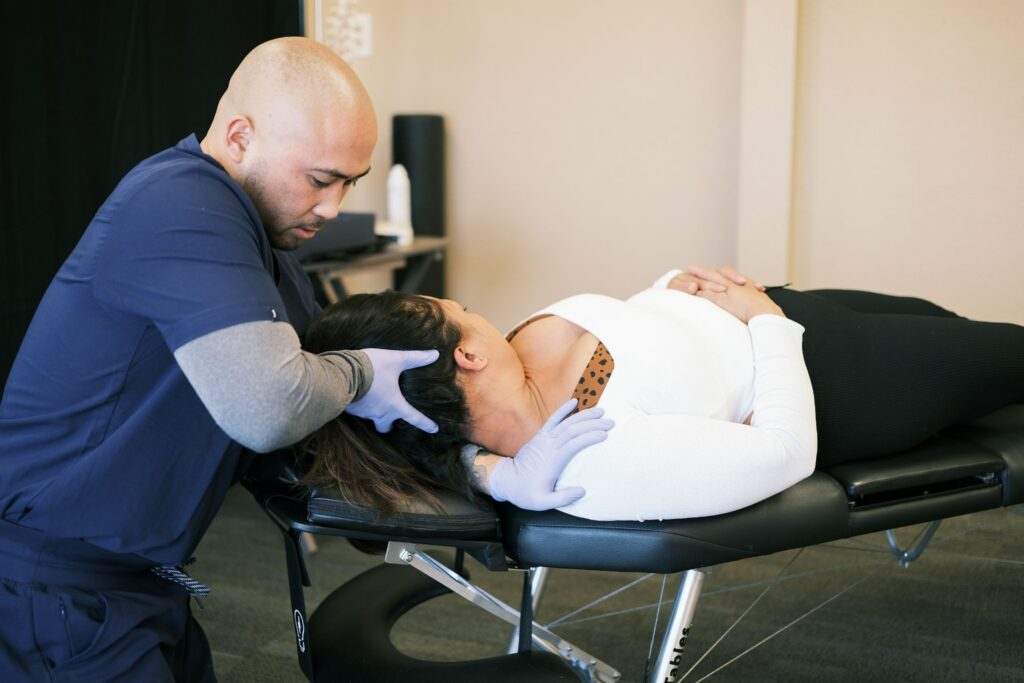

As a local chiropractor, I understand that many of you may experience back pain, and I want to share some proactive steps you can take to prevent it. Focusing on core-strengthening exercises and effective stretching techniques is essential for enhancing your spinal health and improving your overall posture. While incorporating these practices into your daily routine may seem daunting, the benefits for your back health and overall well-being are substantial.
Let’s delve into some essential exercises that can greatly contribute to your back health. By strengthening your core muscles and ensuring proper flexibility, you can support your spine and reduce the risk of discomfort or injury. Remember, taking these steps not only helps alleviate current issues but also fosters a healthier, pain-free future. If you have any questions or need guidance on how to safely integrate these exercises into your life, don’t hesitate to reach out!
Understanding Back Pain: Causes and Prevention
As a local chiropractor, I want to help you understand the various causes of back pain and how you can prevent it through natural healing methods. Many people experience discomfort due to factors such as poor posture, muscle strain, or even underlying medical conditions.
It’s important to recognize how you sit, stand, and move throughout your day, as these habits can significantly impact your back health. For instance, if you often find yourself hunched over a desk for long periods, your back may pay the price.
Additionally, improper lifting techniques can lead to sudden pain or injury. I encourage you to be mindful of your body mechanics during everyday activities, whether you’re lifting groceries or bending down to pick something up.
Stress is another common contributor to back pain, as it can create muscle tension and exacerbate any discomfort you may already be feeling.
Preventing back pain doesn’t have to be complicated. Simple lifestyle changes can make a world of difference. Incorporating regular movement into your daily routine, taking breaks to stretch, and being aware of ergonomic practices in your workspace are all effective strategies.
The Importance of Core Strength
As a local chiropractor, I want to emphasize the vital role core strength plays in maintaining a healthy back and preventing discomfort. When your core muscles are strong, they provide essential support to your spine, helping to evenly distribute weight and minimize strain on your back.
This stability not only enhances your posture but also improves your balance and overall body mechanics, which is crucial for daily activities.
Incorporating core-strengthening exercises—such as planks, bridges, and various abdominal workouts—into your routine can help build a solid foundation for your body. By focusing on strengthening your core, you’re effectively creating a protective layer around your spine.
This allows you to engage in everyday tasks with greater ease and reduces the risk of injury.
Additionally, a strong core can play a significant role in alleviating existing back pain. It helps relieve pressure on your spine and the surrounding muscles.
Whether you’re lifting heavy items or simply sitting at your desk, maintaining a strong core is essential for preserving proper alignment and function.
Prioritizing core strength isn’t just beneficial; it’s a crucial step toward achieving a pain-free back and overall well-being. As your chiropractor, I encourage you to consider core strength as a fundamental aspect of your journey to better health.
Stretching for Flexibility
As a local chiropractor, I want to emphasize the importance of stretching for improving your flexibility and preventing back pain. Many people are unaware of how crucial stretching is in maintaining a healthy spine and overall mobility.
By incorporating specific stretching techniques into your daily routine, you can significantly enhance your range of motion and alleviate tension in your muscles.
It’s also vital to consider how frequently and for how long you should stretch to truly maximize these benefits. Regular stretching not only complements chiropractic adjustments but also plays a key role in your body’s natural healing process.
Importance of Stretching
As a local chiropractor, I want to emphasize the vital role that regular stretching plays in your overall health and well-being, especially when it comes to maintaining a healthy back.
Stretching isn’t just about enhancing flexibility; it’s an essential practice that supports proper posture, alleviates muscle tension, and promotes better blood circulation throughout your body.
Here are three key benefits of incorporating stretching into your daily routine:
- Increased Range of Motion: Stretching effectively lengthens your muscles, which allows for greater movement and can significantly reduce stiffness. This is especially important for maintaining mobility as we age.
- Enhanced Muscle Performance: When your muscles are flexible, they perform better. This means you can engage in physical activities more effectively, making daily tasks easier and more enjoyable.
- Injury Prevention: One of the most critical aspects of stretching is its ability to help prevent injuries. By regularly stretching, you prepare your muscles for physical stress, which lowers the risk of strains and sprains.
By understanding and integrating these benefits of stretching into your routine, you’re taking proactive steps towards a healthier lifestyle and supporting your chiropractic care.
Key Stretching Techniques
As a local chiropractor committed to your health and well-being, I want to share some key stretching techniques that can significantly enhance your flexibility and help prevent back pain. These exercises are a natural way to support your spine and overall body function.
Let’s start with the cat-cow stretch, which is excellent for improving spinal mobility. This gentle movement involves alternating between arching and rounding your back, allowing your spine to move freely and reducing stiffness.
Next, consider the seated forward bend. While sitting, reach for your toes to stretch your hamstrings and lower back. This stretch not only aids in flexibility but also helps relieve tension in the lower back, which is crucial for maintaining good posture.
The standing quad stretch is another important technique. While standing tall, pull one foot towards your glutes. This stretch helps alleviate tension in your hips, which can often contribute to discomfort in the lower back.
Don’t overlook the child’s pose; it’s a wonderful way to gently stretch your spine and shoulders. This restorative position encourages relaxation and can be a great way to unwind after a long day.
Lastly, incorporating the figure-four stretch into your routine is beneficial for targeting your hips and lower back. This stretch can help release built-up tension and improve your overall flexibility.
By consistently practicing these key stretching techniques, you’re not only promoting your flexibility but also reducing the risk of back pain.
Frequency and Duration
As a local chiropractor dedicated to your well-being, I want to share the importance of incorporating a consistent stretching routine into your daily life. Stretching isn’t only vital for enhancing flexibility but also plays a crucial role in preventing back pain.
To help you get the most out of your stretching sessions, here are three essential points to consider:
- Stretch Regularly: I recommend aiming to stretch at least five times a week. Establishing a daily practice can significantly help in maintaining and improving your flexibility over time.
- Pay Attention to Duration: It’s important to hold each stretch for 15 to 30 seconds. This duration allows your muscles to relax and lengthen properly, which can lead to better results and reduce the risk of injury.
- Tune into Your Body: Always listen to how your body responds during stretching. If you experience any pain, it’s crucial to ease off or modify your technique. Stretching should feel good and promote relaxation, not discomfort.
Strengthening Exercises for the Back
As your local chiropractor, I want to emphasize the importance of strengthening your back for preventing pain and enhancing your overall stability.
Many people are unaware that incorporating core stability workouts and resistance training into their routine can significantly improve posture and provide vital support for the spine.
By focusing on these exercises, you can truly make a difference in your back health and well-being.
Let’s take a closer look at how these approaches can benefit you and contribute to a healthier, pain-free life.
Core Stability Workouts
As a chiropractor dedicated to promoting natural healing and overall wellness, I want to emphasize the importance of core stability workouts in your routine.
While many individuals gravitate toward traditional weightlifting for fitness, it’s crucial to incorporate exercises that strengthen the core. A strong core is vital for supporting your spine, maintaining good posture, and preventing back pain.
Here are three effective core stability workouts that I recommend for everyone, regardless of fitness level:
- Plank: Start by holding a plank position for 30 seconds to 1 minute. Ensure your body forms a straight line from head to heels. This exercise not only strengthens your core but also engages your shoulders and back.
- Bird-Dog: Begin on all fours, and as you engage your core, extend one arm forward while stretching the opposite leg back. Alternate sides, completing 10-15 repetitions. This movement helps improve balance and coordination while stabilizing your spine.
- Dead Bug: Lie on your back and extend your arms and legs towards the ceiling. Lower one arm and the opposite leg simultaneously while maintaining core engagement, then return to the starting position. Aim for 10-15 reps. This exercise is fantastic for enhancing core strength and stability.
Incorporating these simple yet effective moves into your routine can significantly improve your back health and overall well-being.
Resistance Training Benefits
As a local chiropractor, I want to share how resistance training can greatly benefit your back health and overall posture. Building on the foundation of core stability workouts, incorporating resistance exercises—such as deadlifts, rows, and lat pulldowns—can effectively strengthen the muscles that support your spine.
These movements do more than just build muscle; they also enhance your flexibility and endurance, making everyday activities easier and less painful.
When you engage in resistance training, you’ll likely notice improvements in your balance and coordination, which can significantly reduce your risk of injury. Furthermore, this type of training can boost your metabolism, assisting you in maintaining a healthy weight. This is particularly important, as excess weight can place additional strain on your back.
By committing to a regular resistance training routine, you can empower your back to function optimally, helping to keep discomfort at bay and improving your overall quality of life.
Posture Correction Techniques
As a local chiropractor, I want to emphasize the importance of correcting your posture to prevent back pain. Many people are unaware that poor alignment can’t only lead to discomfort but also result in long-term health issues.
By implementing some straightforward techniques, you can significantly improve your posture and safeguard your back. Here are three effective methods I recommend:
- Create an Ergonomic Workspace: It’s crucial to adjust your chair, desk, and computer screen properly. Ensure that your feet are flat on the floor, your knees form a 90-degree angle, and the top of your screen is at eye level. This setup minimizes strain on your back and promotes better alignment.
- Be Mindful of Your Sitting Position: When seated, make sure to sit all the way back in your chair, maintaining a straight back and relaxed shoulders. Avoid slumping or leaning forward, as this can put undue pressure on your spine and lead to discomfort.
- Strengthen Your Core Muscles: Incorporating exercises that target your core, such as planks or bridges, is essential. A strong core provides vital support for your spine, which in turn helps promote better posture and overall spinal health.
By practicing these techniques regularly, you can enhance your posture and contribute to your well-being.
If you have any questions or need personalized guidance, feel free to reach out to me. Your journey to better posture starts here!
Incorporating Movement Into Your Day
As your local chiropractor, I want to emphasize the importance of incorporating movement into your daily routine to prevent back pain and enhance your overall well-being. Many of you may not realize how crucial it’s to stay active, especially if you find yourself sitting for long periods at work or home.
It’s essential to take short, frequent breaks throughout your day. I recommend standing up, stretching, or taking a brief walk every hour. This practice helps keep your muscles engaged and supports a healthy spine.
You can also integrate simple exercises into your day-to-day activities. For instance, try doing calf raises while waiting for your coffee or leg extensions while sitting at your desk. If you have the option, consider using a standing desk or take your phone calls while walking around.
Daily activities such as gardening, playing with your children, or even dancing to your favorite music can keep you active and energized. Remember, movement doesn’t have to be vigorous; even gentle exercises can have a significant impact.
By prioritizing movement, you not only reduce the risk of experiencing back pain but also boost your energy levels and improve your overall mood.
As your chiropractor, I encourage you to embrace these habits for a healthier, more active lifestyle.
The Role of Proper Footwear
As a local chiropractor, I want to emphasize how crucial it’s to choose the right footwear for your spinal health and to help prevent back pain. Many people may not realize that the shoes you wear can significantly impact your posture and spinal alignment, which in turn affects how your back feels.
Here are three important factors to consider when selecting your footwear:
- Arch Support: Opt for shoes that provide adequate arch support. This feature helps to evenly distribute your weight, which reduces strain on your back and can alleviate discomfort.
- Cushioning: Look for footwear with sufficient cushioning. Good cushioning absorbs shock from activities like walking or running, which helps to minimize the impact on your spine and can prevent pain.
- Fit: It’s essential to ensure that your shoes fit properly. Ill-fitting shoes can lead to blisters and pressure points, which can alter your gait and contribute to back issues. Comfort is key!
Investing in quality footwear that meets these criteria is a proactive step towards staying active and pain-free.
Remember, the shoes you choose aren’t just a fashion statement; they’re vital for your overall health and well-being, especially concerning your back. Don’t underestimate their importance!
If you have any questions about how your footwear may be affecting your spine, please feel free to ask during your next visit.
Tips for Safe Lifting
As a local chiropractor, I want to emphasize the importance of safe lifting techniques to protect your back and overall well-being. When you find yourself needing to lift heavy objects, it’s crucial to adopt the right methods to prevent injuries.
Start by standing with your feet shoulder-width apart to provide a stable base. Bend at your knees rather than your waist as you lower yourself to the object. This is key—keeping your back straight and engaging your core muscles will help evenly distribute the weight you’re about to lift.
Before you lift, make sure to grip the object firmly and hold it close to your body. This position minimizes strain on your back. As you lift, straighten your legs while maintaining that straight back—avoid twisting your body during this movement, as it can lead to injury. If the object feels too heavy, please don’t hesitate to ask for assistance or consider using a lifting aid.
When it’s time to set the object down, remember to use the same techniques: bend your knees again and keep your back straight.
Creating a Consistent Exercise Routine
As a local chiropractor, I want to emphasize how establishing a consistent exercise routine can significantly improve your back health and overall wellness.
Regular physical activity not only strengthens your muscles but also enhances flexibility, both of which are crucial for maintaining a healthy spine.
Here’s how you can get started on your journey to better back health:
1. Set Specific Goals: Take a moment to think about what you’re looking to achieve with your exercise routine.
Whether it’s alleviating pain, building strength, or enhancing your posture, having clear objectives will help keep you motivated throughout your journey.
2. Schedule Your Workouts: Treat your exercise sessions with the same importance as any other appointment you have.
I recommend blocking out time in your calendar for at least three workout sessions each week.
Consistency is essential for reaping the benefits.
3. Choose Activities You Enjoy: Engaging in exercises that you find enjoyable—be it yoga, swimming, or strength training—will make it easier to stick with your routine.
When you enjoy what you’re doing, you’re more likely to make it a regular part of your life.
By incorporating these steps into your routine, you can take proactive measures toward enhancing your back health and overall quality of life.
Conclusion
As a local chiropractor, I want to emphasize the importance of incorporating core-strengthening exercises and stretching into your daily routine to prevent back pain. Focusing on your core, enhancing flexibility, and maintaining good posture are essential steps in minimizing discomfort and improving your overall health.
Staying active is crucial, and I encourage you to prioritize proper footwear and practice safe lifting techniques to protect your back. By consistently engaging in these practices and being mindful of your body, you can build resilience in your back, leading to a more active and pain-free life.
I invite you to start today—your back will thank you! If you have any questions about how chiropractic care can further support your journey to wellness, feel free to reach out. Together, we can work towards a healthier, pain-free future.