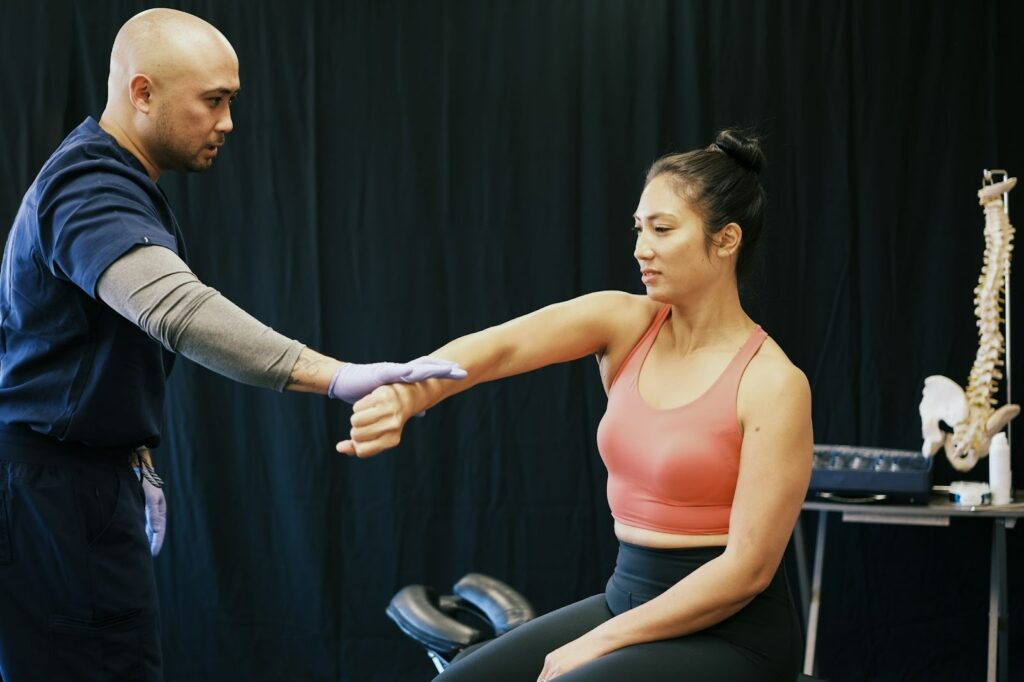

As a local chiropractor, I understand that many individuals experience back pain, and I want to assure you that it doesn’t have to be a persistent problem. By incorporating essential exercises into your routine, you can strengthen your core, enhance flexibility, and promote proper posture—all of which are crucial for preventing discomfort and improving your everyday movements.
If you’re wondering which specific exercises can truly make a difference for your back health, I’m here to guide you. Let’s delve into the key components that will help you achieve a healthier back and reduce the risk of pain. Embracing these practices can be a significant step towards natural healing and overall wellness.
Understanding the Importance of Core Strength
As a local chiropractor, I want to emphasize the importance of having a strong core for your overall health, especially when it comes to maintaining a healthy back.
It’s a common misconception that core strength is solely about having defined abdominal muscles. In reality, your core encompasses the muscles surrounding your pelvis, lower back, and abdomen. These muscles are crucial for stabilizing your spine and supporting good posture.
When your core is weak, it can lead to poor alignment and increased strain on your back, which often results in pain and discomfort.
By strengthening your core, you can improve your posture, reduce the risk of back injuries, and enhance your overall well-being. Incorporating core-strengthening exercises into your routine can be a natural and effective way to support your spine and maintain a healthy back.
If you have any questions or need guidance on how to begin, feel free to reach out—I’m here to help you on your journey to better health!
Stretching for Spinal Flexibility
As a local chiropractor, I want to emphasize the importance of stretching for maintaining a healthy back and improving spinal flexibility. Many people may not realize how essential regular stretching is for alleviating tension and enhancing mobility.
One of the simplest yet effective stretches to start with is the cat-cow pose. This gentle movement warms up your spine and increases its range of motion, making it a fantastic addition to your routine.
Another beneficial stretch is the seated forward bend. By sitting with your legs extended and reaching toward your toes, you specifically target your lower back and hamstrings, helping to relieve any built-up tension in those areas.
Incorporating side bends into your stretching routine is also crucial. These movements stretch your obliques and improve lateral flexibility, which can enhance your overall movement and reduce discomfort.
Gentle spinal twists are another excellent option, as they promote better rotation and help alleviate stiffness in the spine.
When performing these stretches, aim to hold each position for 15-30 seconds while taking deep breaths. This breathing technique will help you relax your muscles further and increase the effectiveness of each stretch.
By making these stretches a regular part of your daily routine, you can significantly improve your spinal flexibility and contribute to better overall back health.
The Role of Proper Posture
As your local chiropractor, I want to emphasize the importance of proper posture in maintaining your spinal health and preventing back pain.
When you create an ergonomic workspace, you’re actively supporting the natural curves of your body, which helps reduce strain on your muscles and joints.
It’s crucial to be mindful of your posture throughout the day, as this simple practice not only alleviates discomfort but also enhances your overall well-being.
By making small adjustments to how you sit and stand, you can significantly improve your quality of life.
Let’s work together to ensure your body stays aligned and healthy!
Importance of Alignment
As your local chiropractor, I want to emphasize the importance of maintaining good posture to support proper alignment in your spine, which is crucial for your overall back health.
When you sit, stand, or move with the right alignment, you’re ensuring that your body weight is distributed evenly. This reduces stress on your spine and the surrounding muscles, helping to prevent discomfort and injuries.
It’s essential to pay attention to how your head, shoulders, and hips align. Keeping these areas in line creates a stable foundation for your body.
Many people may not realize that slouching or leaning can lead to muscle imbalances and chronic pain over time.
Incorporating awareness of your alignment into your daily routine can truly transform your well-being.
By focusing on your posture, you can enhance your back health and overall vitality, which in turn boosts your confidence and energy levels.
Ergonomic Workspace Setup
As a chiropractor, I want to emphasize the importance of maintaining proper alignment in your workspace, just as you’d in your daily activities. An ergonomic workspace setup can make a significant difference in your overall health and well-being.
Begin by adjusting your chair so that your feet are flat on the floor and your knees are in line with your hips. This positioning is fundamental in supporting your spine. Your chair should also have a lumbar curve that supports your lower back, encouraging an upright posture.
Next, it’s crucial to position your computer monitor at eye level, approximately an arm’s length away. This helps prevent unnecessary strain on your neck and eyes.
Keep your keyboard and mouse easily accessible, allowing your elbows to remain close to your body, forming a 90-degree angle. This alignment helps reduce tension in your shoulders and arms.
Remember to take regular breaks to stretch and move around. These breaks are vital for keeping your muscles engaged and preventing stiffness.
Strengthening Exercises for the Back
As your local chiropractor, I want to help you understand how strengthening your back muscles and enhancing core stability can play a crucial role in alleviating back pain.
By incorporating specific exercises into your routine, you can significantly improve your upper back strength and provide better support for your spine.
Let’s take a closer look at some essential workouts that can truly make a difference in your overall back health.
These exercises not only help in pain relief but also promote natural healing and long-term wellness.
Core Stability Workouts
As a local chiropractor, I understand that back pain can be a significant challenge for many individuals. One effective way to alleviate this discomfort is by incorporating core stability workouts into your daily routine. These exercises specifically target the muscles that support your spine, including the abdominal and lower back muscles, which can lead to improved posture and overall stability.
I recommend starting with planks—these exercises help you hold your body in a straight line from your head to your heels, engaging your core effectively. Once you’re comfortable with those, you can progress to side planks. These not only engage your obliques but also enhance your lateral stability, which is crucial for preventing injuries.
Another excellent exercise is the bridge. This movement activates your glutes and lower back, promoting strength in those areas. Additionally, bird-dogs are fantastic for challenging your balance and coordination, providing a comprehensive workout for your core.
For optimal results, aim for 2-3 sets of each exercise, maintaining each position for 20-30 seconds. It’s important to be consistent with these workouts; by making them a regular part of your fitness routine, you can reap the benefits of a stronger, more stable core.
Upper Back Strengthening
As a chiropractor dedicated to promoting natural healing and spinal health, I want to emphasize the importance of strengthening your upper back. A strong upper back is crucial for maintaining good posture and reducing strain on your spine, which can prevent discomfort and enhance overall well-being.
Here are four effective exercises that I recommend incorporating into your routine:
- Rows: By using resistance bands or weights, you can perform rows to pull towards your torso. This movement engages your shoulder blades, helping to strengthen the muscles that support your spine.
- Reverse Flys: Bend at the hips and lift weights outward to target your rear deltoids and upper back. This exercise not only strengthens the upper back but also promotes better shoulder alignment.
- Face Pulls: Utilizing a cable machine, pull the rope towards your face. This action enhances shoulder stability and strengthens the muscles that are often neglected in everyday activities.
- Wall Angels: Stand against a wall and slide your arms up and down. This simple yet effective movement promotes mobility and strength in your upper back, which can alleviate tension and improve your posture.
Incorporating these exercises into your daily routine can help build a resilient upper back, alleviate pain, and support your overall spinal health.
Core Stability Exercises
As a local chiropractor, I want to share the importance of core stability exercises in managing back pain and improving your overall posture. Strengthening your core muscles creates a solid foundation that supports your spine, which is crucial for your overall well-being.
These exercises don’t just focus on your abdominal muscles; they also engage your lower back, hips, and pelvis—key areas that contribute to stability and comfort.
To help you get started, I recommend incorporating exercises like planks, bridges, and bird-dogs into your routine. For planks, you’ll hold your body in a straight line from head to heels, ensuring that your core is engaged throughout.
In bridges, lie on your back with your knees bent and lift your hips while squeezing your glutes. For bird-dogs, get on all fours and extend one arm and the opposite leg, which helps develop balance and coordination.
I suggest integrating these exercises into your weekly routine at least three times a week. With dedication to this practice, you may experience improved strength and a reduction in back pain.
This can lead to greater ease and confidence in your daily activities. Remember, chiropractic care and natural healing work hand in hand with these exercises to promote a healthier, more active lifestyle.
Effective Hip and Leg Movements
As a local chiropractor, I want to share how incorporating effective hip and leg movements into your routine can significantly aid in managing back pain. Strengthening the muscles around your hips and legs not only supports your spine but also promotes overall body stability.
Here are four essential exercises that I recommend for my patients:
- Hip Bridges: Start by lying on your back with your knees bent. As you lift your hips toward the ceiling, focus on engaging your glutes and core muscles. Hold this position for a few seconds before gently lowering back down. This exercise is fantastic for strengthening your lower back and glutes.
- Leg Raises: While lying on your back, lift one leg straight up while keeping the other leg bent. Alternate between legs to ensure a balanced workout. This movement helps strengthen your abdominal muscles and improves hip flexibility.
- Lunges: Begin by stepping forward with one leg and bending both knees to lower your body. After a moment, push back to the starting position and switch to the other leg. Lunges are excellent for building strength in your legs and enhancing your balance.
- Clamshells: Lie on your side with your knees bent. While keeping your feet together, open and close your top knee to activate your hip muscles. This exercise is particularly useful for strengthening the stabilizing muscles around your hips.
Incorporating these movements into your daily routine can play a significant role in alleviating back pain and improving your overall health.
Incorporating Balance and Coordination
As a local chiropractor, I want to share with you the importance of incorporating balance and coordination exercises into your routine, especially when managing back pain. These exercises play a crucial role in enhancing your overall stability and improving how efficiently you move. By strengthening the muscles that support your spine, you can better prepare your body to handle unexpected movements.
Simple activities such as standing on one leg or practicing yoga poses can significantly challenge your balance while engaging your core muscles. These foundational exercises aren’t only accessible but also highly effective in building the strength and stability needed to support your back.
Additionally, consider trying dynamic movements like tai chi or stability ball exercises. These activities not only promote coordination but also contribute to enhancing your core strength. By integrating these exercises into your daily routine, you’ll cultivate better control over your body, which is essential in reducing the risk of falls and injuries.
I recommend starting with just a few minutes each day and gradually increasing the duration and complexity of the exercises as you become more comfortable. Remember, maintaining proper form is vital to prevent any strain on your back.
Creating a Consistent Exercise Routine
Establishing a consistent exercise routine is crucial for effectively managing back pain, as it helps to strengthen the muscles that support your spine.
As a local chiropractor, I want to share some steps to help you create a routine that fits your lifestyle and promotes natural healing:
1. Set Realistic Goals: It’s important to start with achievable goals that will keep you motivated.
Begin with shorter exercise sessions and gradually increase both the duration and intensity as you build strength.
2. Choose Enjoyable Activities: Engaging in exercises that you find enjoyable—such as yoga, swimming, or walking—can significantly enhance your adherence to your routine.
When you love what you’re doing, you’re much more likely to stick with it.
3. Schedule Your Workouts: I recommend treating your exercise sessions as important appointments.
By setting specific days and times each week for your workouts, you can create a habit that becomes a natural part of your routine.
4. Track Your Progress: Keeping a journal of your workouts can be a great motivational tool.
Documenting your improvements in strength and flexibility will serve as a reminder of how far you’ve come and encourage you to continue on your path to better health.
Remember, a consistent exercise routine not only aids in managing back pain but also contributes to your overall well-being.
If you have any questions or need guidance, feel free to reach out during your next visit!
Conclusion
As a local chiropractor, I want to share some crucial insights on preventing back pain through natural methods. It’s important to prioritize core strength, flexibility, and good posture in your daily life. Simple exercises like planks, bridges, and gentle stretches can work wonders in building a strong foundation for a healthy spine. Additionally, incorporating balance and coordination activities, such as yoga or tai chi, can significantly improve your overall well-being.
Establishing a consistent exercise routine is key; it not only supports your back health but also enhances your overall quality of life, allowing you to partake in daily activities without discomfort. By embracing these natural approaches, you can take significant steps towards a pain-free life. Remember, your spine is vital to your overall health, and taking proactive measures now can lead to lasting benefits.