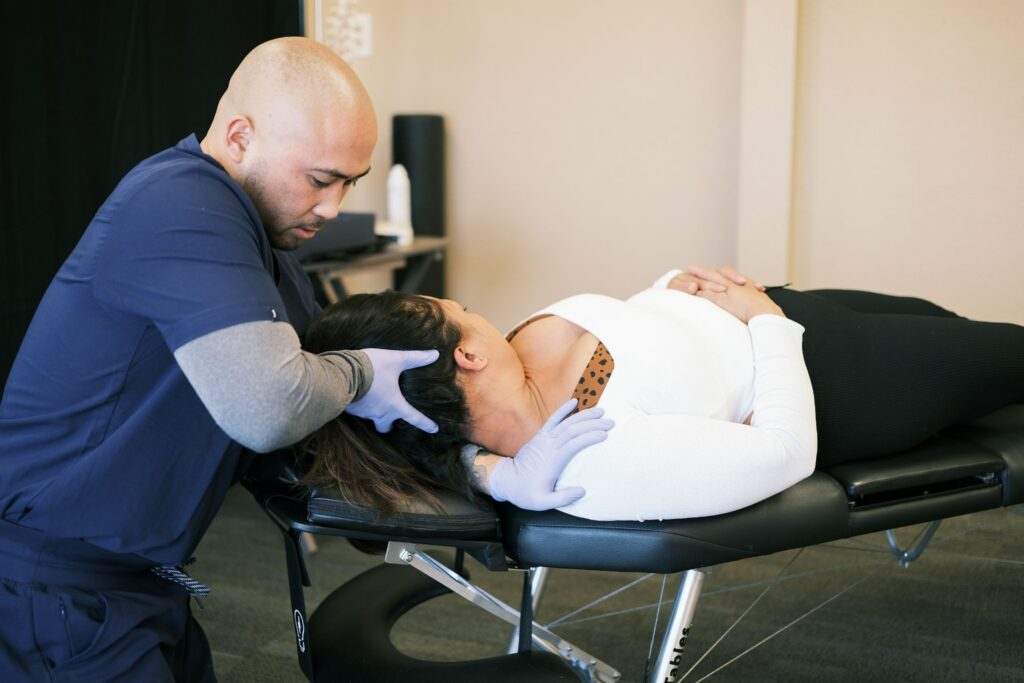

As a local chiropractor, I want to emphasize how crucial joint flexibility is for your overall health and mobility. Many people overlook this aspect, but enhancing your range of motion can significantly improve your daily life. By incorporating simple yet effective techniques such as stretching, mindful movement practices, and maintaining a balanced diet, you can naturally increase your flexibility.
It's not solely about preventing injuries; it's also about enhancing your comfort and ease in everyday activities. Have you ever thought about how your nutrition and hydration habits might influence your joint health? Taking the time to explore these factors could uncover new opportunities for improving your body's movement capabilities. Let's work together to unlock your potential for better mobility and a healthier lifestyle!
Importance of Joint Flexibility
As a local chiropractor dedicated to your health and well-being, I want to emphasize the vital role that joint flexibility plays in your overall quality of life. Maintaining flexible joints is key to enjoying an active and pain-free lifestyle. When your joints can move freely, you'll find it easier to navigate daily activities and engage in exercise without the fear of injury.
Many people may not realize how much the range of motion in their joints affects their overall mobility. If you experience stiffness or tightness, even the simplest movements can feel daunting, leading to frustration and discomfort.
In my practice, I see firsthand how good joint flexibility can significantly enhance physical performance. Whether you're participating in sports, lifting weights, or simply taking a stroll, your body needs those flexible joints to operate effectively. Limited flexibility can impede your performance and make it more challenging to reach your fitness goals.
Additionally, if your joints aren't moving optimally, your body may resort to compensatory movements, which can place extra strain on other joints and muscles, ultimately increasing your risk of injury.
Moreover, proper joint flexibility is essential for maintaining good posture and alignment. When your joints are functioning as they should, your body can achieve a balanced position that minimizes strain on your muscles and connective tissues. This balance not only helps you avoid pain but also improves your overall body mechanics.
As your chiropractor, I encourage you to prioritize joint flexibility through regular movement, stretching, and chiropractic adjustments. Together, we can help you achieve a healthier, more active lifestyle.
Benefits of Stretching
As a local chiropractor, I want to emphasize the incredible benefits of stretching and how it can significantly improve your flexibility and overall well-being. When you integrate stretching into your daily routine, you may experience an increased range of motion, making everyday activities and exercise feel much more manageable. Enhanced flexibility can also lead to better posture, which is crucial in reducing strain on your muscles and joints, something we often see in our practice.
One of the primary advantages of stretching is its ability to alleviate muscle tension. After a long day of work or an intense workout, it's common for your muscles to feel tight. By incorporating stretching, you can effectively release this tension, promoting relaxation and lowering your risk of injury. Many of our patients find that regular stretching leads to faster muscle recovery, allowing them to maintain a consistent fitness routine without setbacks.
Stretching also plays a vital role in enhancing blood circulation. When you stretch, you increase blood flow to your muscles, delivering essential nutrients and oxygen they need to function optimally. This improvement in circulation can help reduce soreness and fatigue, making you feel more energized throughout your day.
Moreover, stretching can have a positive impact on your mental well-being. Taking a few moments to focus on stretching can serve as a form of mindfulness, helping you connect with your body and breath. This practice can significantly reduce stress and anxiety, promoting a more positive mindset that's crucial for overall health.
Finally, regular stretching contributes to improved athletic performance. Whether you're an avid athlete or simply enjoy staying active, the flexibility gained through stretching can enhance your strength and coordination, allowing you to perform at your peak.
By embracing stretching as part of your lifestyle, you're not only investing in your physical health but also nurturing your mental well-being, leading to a more active and fulfilling life.
As your chiropractor, I encourage you to consider the role of stretching in your health journey. It's a simple yet powerful tool that can support your body in numerous ways, enhancing both your physical and emotional health.
Effective Stretching Techniques
As a local chiropractor, I want to share with you the importance of effective stretching techniques for improving joint flexibility. Many people may not realize how crucial these methods are for maintaining a healthy body.
Dynamic stretching is a fantastic way to warm up your muscles and increase your range of motion before any physical activity. This type of stretching prepares your body for movement, reducing the risk of injuries.
On the other hand, static stretching is essential for maintaining flexibility after your exercise routine. It helps your muscles relax and recover, promoting overall mobility.
By incorporating both dynamic and static stretching into your routine, you can enhance your movement and performance while supporting your body's natural healing processes.
Let's work together to keep you feeling your best!
Dynamic Stretching Benefits
As a local chiropractor dedicated to promoting natural healing and wellness, I want to share the importance of dynamic stretching in enhancing your overall health. Many people may not realize how beneficial dynamic stretching can be, especially when incorporated into your warm-up routine. Here are some key advantages that can help you prepare your body for activity:
- Increased Blood Flow: Dynamic stretching raises your heart rate and enhances circulation, which is crucial for delivering oxygen to your muscles. This increased blood flow prepares your body for optimal performance, whether you're exercising or engaging in daily activities.
- Enhanced Range of Motion: These types of stretches help improve your mobility, allowing your joints to move freely through their full range. This enhanced flexibility can lead to better performance in sports and a more comfortable experience in everyday movements.
- Improved Muscle Activation: By engaging in dynamic stretching, you effectively activate your muscles, priming them for the demanding tasks ahead. This proactive approach significantly reduces the risk of injury and prepares your body for physical challenges.
- Better Coordination: Dynamic stretching focuses on controlled movements, which enhances your body awareness and coordination. This not only makes you more agile during physical activities but also contributes to overall functional movement, which is vital for maintaining good health.
Incorporating dynamic stretching into your routine can create a positive foundation for your workouts. As your chiropractor, I encourage you to make it a regular practice.
You'll likely notice improvements in flexibility, movement efficiency, and overall performance. Let's work together to help you achieve your health and wellness goals naturally!
Static Stretching Techniques
As a local chiropractor, I want to share the importance of incorporating effective static stretching techniques into your routine to enhance your flexibility and promote overall muscle function.
Static stretching is a simple yet powerful method that involves holding a stretch for an extended period, typically between 15 to 60 seconds. This practice helps your muscles lengthen and relax, ultimately improving your range of motion.
To get started, it's crucial to identify the major muscle groups you wish to target. Some common stretches I recommend include the hamstring stretch, quadriceps stretch, and shoulder stretch.
For the hamstring stretch, sit on the floor, extend one leg in front of you, and reach toward your toes. You should feel a gentle stretch in the back of your thigh. For a quadriceps stretch, stand upright and gently pull one foot towards your glutes while keeping your knees together. Remember to switch legs to ensure balanced flexibility.
While holding each stretch, deep breathing is essential. It not only helps your muscles relax further but also enhances the overall benefits of your stretching routine.
I suggest including static stretching at the end of your workout when your muscles are warm. This practice is beneficial for recovery and can significantly improve your performance in various physical activities.
Consistency is key in achieving great results, so make it a habit to stretch regularly. By doing so, you'll not only improve your flexibility but also support your muscle function and overall well-being, aligning perfectly with the principles of natural healing that we emphasize in chiropractic care.
Role of Nutrition
As a local Chiropractor, I want to emphasize the significant role nutrition plays in maintaining joint flexibility and overall joint health.
It's essential to incorporate anti-inflammatory foods and vital nutrients into your diet to support your joints. By making informed food choices, you can improve your mobility and alleviate discomfort.
Understanding the connection between what you eat and how your body feels is a crucial step in your journey toward better health and natural healing.
Let's explore how nutrition can enhance your chiropractic care and promote a more active lifestyle.
Anti-Inflammatory Foods
As a local chiropractor dedicated to your overall well-being, I want to emphasize the vital role nutrition plays in managing joint flexibility and reducing inflammation.
It's essential to understand that what you eat can significantly impact how your body feels and functions. By incorporating anti-inflammatory foods into your diet, you can help alleviate discomfort and enhance your mobility.
These nutrient-rich foods not only nourish your body but also combat inflammation at a cellular level, supporting your healing process. Here are some key anti-inflammatory foods I recommend:
- Fatty Fish: Incorporating fish like salmon and mackerel into your meals is beneficial due to their high omega-3 fatty acid content, which is known to significantly reduce joint swelling and discomfort.
- Berries: Blueberries and strawberries aren't just delicious; they're also packed with antioxidants that play a crucial role in fighting oxidative stress and inflammation throughout your body.
- Leafy Greens: Vegetables like spinach and kale are nutritional powerhouses. They're rich in vitamins and minerals that support overall joint health and actively help in reducing inflammation.
- Nuts: Snacking on walnuts and almonds provides healthy fats that are essential for your body. These nuts can help lower inflammatory markers, contributing to better joint health.
By making these dietary changes, you're taking a proactive step toward improving your joint health and overall well-being.
Essential Nutrients for Joints
As a local chiropractor, I want to share with you some essential nutrients that play a vital role in maintaining healthy joints. Our joints are crucial for our mobility and overall well-being, and by focusing on specific nutrients, we can support their structure and function effectively.
One of the key nutrients to consider is omega-3 fatty acids. These beneficial fats are known for their ability to reduce inflammation in the body. You can find omega-3s in fatty fish like salmon, as well as in walnuts. Incorporating these into your diet can help keep your joints feeling more comfortable.
Antioxidants, particularly vitamins C and E, are also significant for joint health. They protect our joints from oxidative stress, which can lead to wear and tear over time. You can boost your intake of vitamin C by enjoying citrus fruits, berries, and leafy greens. For vitamin E, look to nuts and seeds as excellent sources.
Additionally, I encourage you to consider glucosamine and chondroitin sulfate, which are compounds that support cartilage health. Many people find these in supplements or foods like bone broth. It's an excellent way to nourish your joints.
Don't forget about calcium and vitamin D! These nutrients are crucial for overall bone health, which directly impacts your joints. You can get calcium from dairy products, leafy greens, and fortified foods. Vitamin D is often absorbed from sunlight and can also be found in fatty fish, helping your body utilize calcium effectively.
Lastly, I want to emphasize the importance of staying hydrated. Water is essential for keeping your joints lubricated, allowing for smoother movement.
By focusing on these essential nutrients, you can enhance your joint health and maintain flexibility, ensuring you're ready for all the activities life has to offer.
If you have any questions or would like to discuss how chiropractic care can complement your journey towards better joint health, feel free to reach out!
Hydration and Joint Health
As a local chiropractor, I'm passionate about helping my patients understand the vital connection between hydration and joint health. Proper hydration is crucial for keeping your joints functioning smoothly, as it helps to lubricate the cartilage and minimize friction during movement.
When your body is adequately hydrated, it can produce synovial fluid effectively, which serves as a protective cushion and lubricant for your joints. If you're not drinking enough water, your joints can become stiff, leading to discomfort and reduced mobility—something we definitely want to avoid!
To support optimal joint health, here are some practical hydration tips that you can easily incorporate into your daily routine:
- Drink Water Regularly: Aim to drink at least eight 8-ounce glasses of water throughout your day. If you're more active or live in a hotter climate, you may need to adjust this amount upwards.
- Monitor Your Urine Color: A good indicator of your hydration status is the color of your urine. Light yellow usually means you're well-hydrated, while darker urine can be a sign that you need to increase your fluid intake.
- Include Hydrating Foods: Don't forget that many fruits and vegetables, like cucumbers, watermelon, and oranges, are packed with water and can help boost your hydration levels.
- Limit Dehydrating Beverages: Be mindful of beverages like caffeine and alcohol, which can contribute to fluid loss. If you enjoy these drinks, make sure to balance them by drinking extra water.
By prioritizing hydration, you're not only supporting your joint health but also enhancing your overall well-being.
At our practice, we believe in a holistic approach to health, and staying hydrated is a simple yet effective step you can take towards a healthier lifestyle. If you have any questions or need personalized advice, feel free to reach out!
Mindful Movement Practices
As a local chiropractor, I want to share how incorporating mindful movement practices into your daily routine can significantly improve your joint flexibility and enhance your overall physical well-being.
These practices emphasize being present during your movements, which allows you to connect with your body and truly understand its needs. By tuning in to how your joints feel, you can make adjustments to your movements that help prevent strain and promote a greater range of motion.
I recommend starting with simple exercises like tai chi or walking meditation. These activities promote slow, intentional movements that help you become more aware of your body's mechanics. As you move, pay attention to your breath and the sensations within your joints. You may discover areas that feel tight or restricted, and by gently working through those sensations, you can increase your flexibility.
In addition to tai chi, I encourage you to incorporate dynamic stretches into your routine. When performed mindfully, these stretches allow you to explore your body's limits without forcing any movements.
Focus on smooth, flowing motions that engage your joints in various planes of motion. This approach not only enhances your joint flexibility but also improves your coordination.
Incorporating Yoga and Pilates
As a local chiropractor, I want to share how incorporating Yoga and Pilates into your routine can significantly enhance your joint flexibility and overall body awareness. These practices aren't just about exercise; they're powerful tools for connecting with your body while promoting a healthier lifestyle.
By integrating Yoga and Pilates, you can improve your range of motion and develop a deeper understanding of how your body moves. Both disciplines emphasize breath control, proper alignment, and mindful movement, which are essential for anyone looking to improve their joint health and overall wellness.
Here are some key elements to consider as you begin your journey with these practices:
- Dynamic Stretching: Start each session with dynamic stretches to warm up your joints. This prepares your body for the deeper movements that follow and helps prevent injury.
- Mindful Breathing: Use your breath as a guide. Inhale to expand, and exhale to deepen your stretches. This mindful breathing technique can enhance your flexibility and promote relaxation.
- Controlled Movements: Focus on slow and controlled movements. This approach not only helps prevent injuries but also promotes joint stability and builds strength, leading to improved flexibility.
- Regular Practice: Consistency is key. Aim for just a few sessions a week, and you may notice significant improvements in your joint health and overall body awareness.
As you explore Yoga and Pilates, it's important to listen to your body. Make adjustments to poses as needed, and never push through pain.
With time, you'll likely find that your joints feel more relaxed, your movements become smoother, and your awareness of your body sharpens. Embrace this journey and enjoy the enhanced flexibility and energy it brings to your daily life.
Strengthening Exercises for Joints
As a local chiropractor, I want to emphasize the importance of strengthening your joints for overall joint health and stability. Building on the flexibility you may have developed through practices like Pilates and Yoga, it's equally vital to focus on strengthening the muscles that support your joints. Strong muscles can significantly reduce the risk of injury and enhance your range of motion.
I recommend starting with simple bodyweight exercises such as squats and lunges. These exercises not only target your leg muscles but also engage your hips and knees, reinforcing the surrounding joints. I suggest aiming for three sets of 10-15 repetitions, ensuring you maintain proper form to avoid any unnecessary strain.
Don't overlook the importance of upper body strength. Incorporating push-ups and tricep dips into your routine can strengthen your shoulders and arms, both of which are critical for joint stability. Depending on your fitness level, try performing these exercises in sets of 8-12 repetitions.
Additionally, core strength plays a crucial role in stabilizing your entire body. Exercises like planks and bridges are fantastic for building core strength. Start by holding each position for 20-30 seconds, and gradually increase your hold time as you become stronger.
Lastly, I encourage you to incorporate balance exercises such as single-leg stands. These not only strengthen your joints but also improve your proprioception, which is your body's ability to sense its position in space. This is particularly helpful for maintaining stability during your daily activities.
Natural Supplements for Flexibility
As a local chiropractor, I often emphasize the importance of flexibility and joint health for overall well-being. Many of my patients are surprised to learn how natural supplements can enhance mobility and reduce stiffness in their joints.
Let's delve into some effective options that you might consider incorporating into your routine to support your flexibility:
- Glucosamine: This supplement, typically derived from shellfish, is known for its ability to support cartilage health. Many individuals report experiencing relief from joint pain with glucosamine, which can lead to increased range of motion in daily activities.
- Chondroitin: Often paired with glucosamine, chondroitin plays a crucial role in maintaining the elasticity of cartilage. It helps retain moisture, which in turn cushions the joints and facilitates smoother movement.
- Turmeric: Renowned for its anti-inflammatory benefits, turmeric contains curcumin, a compound that can significantly reduce joint inflammation. This reduction in inflammation can lead to improved flexibility, making it easier for you to engage in physical activities.
- Omega-3 Fatty Acids: Found in fish oil, omega-3s are essential fats that promote joint lubrication and help diminish stiffness. Incorporating these into your diet may help you feel more agile and comfortable in your movements.
Before starting any new supplements, I always recommend consulting with a healthcare professional. It's important to ensure that these supplements align with your specific health needs and lifestyle.
Remember, consistency is essential. Pairing these supplements with a balanced diet and regular exercise will yield the best results. By proactively addressing your joint health, you can enjoy increased flexibility and a more active, fulfilling lifestyle.
If you have any questions about how chiropractic care can complement these natural supplements, feel free to reach out!
Conclusion
As a local chiropractor, I want to share how prioritizing joint flexibility and movement can significantly enhance your overall well-being. Incorporating regular stretching into your routine, along with mindful practices such as yoga and Pilates, can play a crucial role in maintaining your joint health. It's also important to nourish your body with a nutritious diet and ensure you're staying well-hydrated.
Consider the benefits of natural supplements that can support your joints, as these can complement your efforts in improving flexibility. By integrating these elements into your daily life, you not only enhance your flexibility but also reduce stiffness and lower your risk of injuries. Embracing this holistic approach can make you feel more agile and comfortable in your everyday activities. Remember, your joints are essential for your mobility, and taking care of them is a vital step towards a healthier life.