
When it comes to optimizing your athletic performance, it's easy to overlook the essential aspect of recovery. As a local chiropractor, I want to emphasize the importance of expert care in tailoring recovery strategies specifically for you. Recovery isn't just about alleviating physical pain; it's also about preparing your mind for the next challenge.
In our practice, we focus on personalized assessments and targeted treatments that can significantly enhance your recovery process. Many athletes may not realize how chiropractic care can help with not just muscle and joint issues, but also improve overall body function and mental readiness.
So, what specific techniques and nutritional strategies can elevate your resilience? Techniques such as spinal adjustments, soft tissue therapy, and rehabilitation exercises can support your body's natural healing processes. Additionally, I can guide you on the best nutritional practices to fuel your recovery.
Together, we can redefine your approach to training and performance, ensuring that both your body and mind are prepared for whatever comes next. Remember, recovery is just as crucial as the training itself!
Understanding Athletic Recovery
As a local chiropractor, I want to emphasize the importance of athletic recovery for anyone engaged in sports or vigorous physical activities. Recovery is the process that allows your body to heal, regain strength, and prepare for future challenges. Neglecting proper recovery can lead to injuries and burnout, which may put you out of commission for weeks or even months.
Understanding the various components of athletic recovery is crucial. First and foremost, let's talk about rest. Your muscles need time to repair after intense workouts. This includes not just getting a good night's sleep but also integrating active recovery days into your routine. Low-intensity activities like walking or swimming can stimulate blood flow and assist in muscle repair without putting additional strain on your body.
Nutrition plays a pivotal role in recovery as well. After exercising, it's vital to fuel your body with the right nutrients to replenish glycogen stores and rebuild muscle fibers. Aim for a balanced diet that includes a mix of proteins, carbohydrates, and healthy fats. Hydration is equally important. Staying well-hydrated helps flush out toxins and can significantly reduce muscle soreness.
In addition to rest, nutrition, and hydration, I encourage you to consider incorporating techniques like stretching, foam rolling, and mindfulness practices into your recovery routine. These methods can enhance flexibility, alleviate stress, and boost overall performance.
As a chiropractor, I often see the benefits of these practices in my patients, helping them to recover more effectively and enjoy their activities more. By prioritizing your recovery, you can't only enhance your athletic performance but also achieve your health and fitness goals in a safe and sustainable manner.
Importance of Expert Care
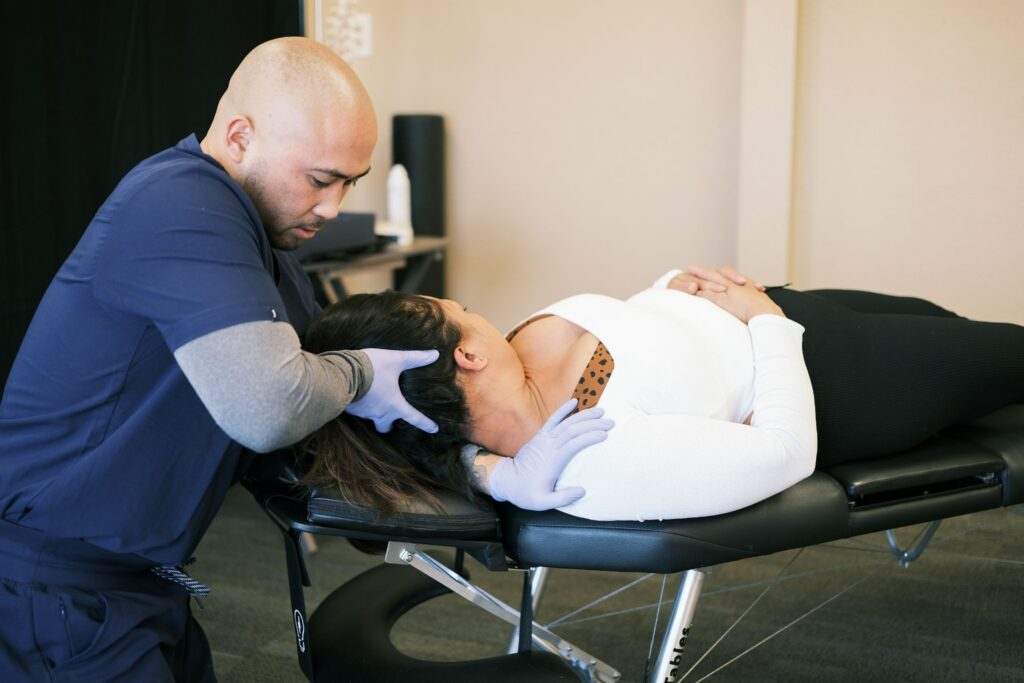
Recovery isn't solely about rest and nutrition; it's also about seeking expert care to enhance your healing process. As a local chiropractor, I want to emphasize how crucial professional support can be when your body is pushed to its limits.
By consulting with a chiropractor, you can address specific issues, prevent injuries, and improve your overall performance. Here's why chiropractic care is essential for anyone looking to recover effectively:
- Personalized Assessment: As a trained chiropractor, I can evaluate your unique needs and identify areas that require attention. This personalized approach ensures that you're not following a one-size-fits-all recovery plan, but rather a strategy tailored to your specific situation.
- Targeted Treatment: Chiropractic care focuses on your individual challenges through targeted treatments. Utilizing advanced techniques such as spinal adjustments, soft tissue therapy, and lifestyle advice, I can help you recover more effectively and address issues you may not even be aware of.
- Injury Prevention: Regular visits to a chiropractor can help you identify potential problems before they escalate into serious injuries. By being proactive with your care, you can maintain your athletic performance and continue enjoying your favorite activities without setbacks.
Incorporating chiropractic care into your recovery routine not only speeds up healing but also enhances your overall athletic longevity.
By investing in your health with expert guidance, you're setting the stage for success, enabling you to train harder and achieve your goals with confidence.
Don't underestimate the positive impact that chiropractic care can have on your recovery journey. Let's work together to ensure your body is functioning at its best!
Techniques for Enhanced Recovery
As a local chiropractor, I'm here to share some valuable techniques that can greatly enhance your recovery process after physical activity. Many people are unfamiliar with the natural methods we can use to aid in healing, so let's explore some effective strategies together.
One of the most beneficial practices is active recovery. Instead of simply resting, I encourage you to engage in low-intensity activities such as walking, swimming, or cycling. These activities promote blood flow to your muscles, which can help reduce soreness and expedite the healing process.
Another important technique is stretching. Incorporating dynamic stretches before your workouts can prepare your body for activity, while static stretches afterward can improve flexibility and alleviate muscle tightness.
I also recommend foam rolling as part of your routine. This self-myofascial release technique is excellent for releasing muscle knots and enhancing circulation, both of which are crucial for recovery.
Don't underestimate the power of sleep! Quality rest is vital for muscle repair and overall healing. Aim for 7-9 hours of uninterrupted sleep each night. Creating a restful environment by minimizing distractions and keeping the temperature comfortable can make a significant difference in your recovery.
Additionally, contrast baths or ice baths can be incredibly beneficial. Alternating between hot and cold water helps reduce inflammation and promotes quicker recovery.
Lastly, regular massages or using percussion devices can effectively relieve muscle tension and improve blood flow, supporting your body's natural healing processes.
Nutrition's Role in Recovery
As your local chiropractor, I want to emphasize how vital proper nutrition is for your recovery after physical activity. What you choose to eat can significantly impact how quickly you heal and how effectively your body repairs itself. Neglecting the right nutrients can prolong your recovery time, leading to unnecessary fatigue and soreness.
Here are three crucial elements to consider:
- Protein: Adequate protein intake is essential for repairing and building muscle. Including a good source of protein in your post-exercise meals—like chicken, fish, tofu, or legumes—can help restore the muscle fibers that may have sustained damage during your workouts. This not only aids in recovery but also supports your overall musculoskeletal health.
- Carbohydrates: After engaging in vigorous physical activity, your body's glycogen stores can become depleted. Carbohydrates are vital for replenishing these energy reserves and preparing you for your next workout. Incorporating whole grains, fruits, and vegetables into your meals can enhance this replenishment process, allowing you to maintain optimal energy levels.
- Hydration: One of the often-overlooked aspects of recovery is hydration. Water is essential for transporting nutrients throughout your body and ensuring proper muscle function. Replenishing fluids lost through sweat is crucial for effective recovery.
Make it a habit to drink water consistently throughout the day, and consider electrolyte-rich beverages after extended exercise sessions to support your hydration needs.
Monitoring Progress and Adaptation
Monitoring your progress and adapting your recovery plan is vital for enhancing your overall well-being, especially when it comes to your athletic performance. It's important to understand that simply setting a plan and ignoring it won't yield the best results; as your body responds to training and recovery, adjustments will be necessary.
Regularly assessing how you feel both physically and mentally can help you identify what's working and what isn't. A great starting point is to keep a recovery journal. Document your workouts, your feelings afterward, and any signs of fatigue or soreness. This practice provides valuable insights into your body's patterns and can inform adjustments in your routine.
If you notice ongoing soreness or fatigue, it might be a signal to modify your training intensity or to incorporate additional rest days. Embrace technology as a helpful ally in your recovery journey. Wearable devices can monitor important metrics such as heart rate variability, sleep quality, and overall activity levels.
These data points can assist you in recognizing when your body requires more recovery time or when you're ready to push yourself further. Communication with your chiropractor is another crucial element. Sharing your observations and any changes in how you feel can lead to personalized adjustments in your recovery plan.
As a chiropractor, I can provide expert guidance on whether to increase or decrease your training load based on your feedback and specific needs. Together, we can create a holistic approach to your recovery that supports both your athletic goals and overall health.
Conclusion
As a local chiropractor, I want to emphasize how incorporating expert care into your recovery routine can significantly impact your athletic performance. Many of you may not be familiar with chiropractic care and its benefits, but understanding your unique needs is crucial. Through targeted treatments, we can help reduce your risk of injuries and enhance your overall well-being.
It's important to recognize that nutrition plays a vital role in your recovery journey as well. I encourage you to stay proactive by monitoring your progress and adjusting your approach as needed. With the right support from chiropractic care, you'll not only recover more quickly but also be better prepared for future challenges. Let us guide you on this journey to improved health and performance.