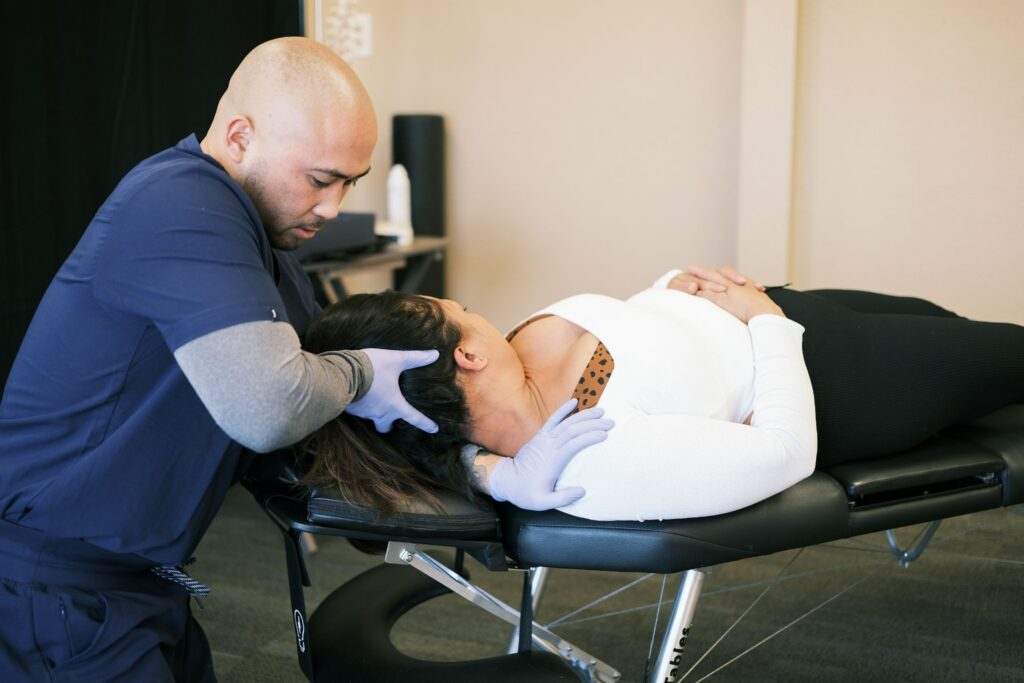

As a local chiropractor, I understand how debilitating back pain can be for many of you. It's not just a minor inconvenience; it can significantly affect your daily life. You may be surprised to know that simple adjustments in your everyday routine can lead to impressive improvements in your discomfort.
One of the first areas to focus on is your posture. Many people unknowingly adopt poor posture habits that can exacerbate back pain. By being mindful of how you sit, stand, and move, you can make a big difference. Additionally, reevaluating your workspace setup is crucial. Ensuring that your desk, chair, and computer are ergonomically aligned can help reduce strain on your back.
Incorporating regular movement throughout your day is vital as well. Too much sitting can lead to stiffness and discomfort. Simple activities like stretching or taking short walks can promote better spinal health. Furthermore, mindfulness practices such as deep breathing and meditation can not only help ease tension but also enhance your overall well-being.
Now, you may be wondering which specific adjustments would be most beneficial for you and how to integrate them into your lifestyle. As we explore these effective strategies together, I'm here to guide you on your journey to better back health and overall wellness through natural healing methods. Let's work together to create a personalized plan that fits your unique needs.
Improve Your Posture
As a local chiropractor dedicated to promoting natural healing and overall wellness, I want to emphasize the importance of good posture as a fundamental aspect of a healthy back. When you maintain proper alignment while standing, sitting, or moving, you ensure that your body weight is evenly distributed. This practice significantly reduces the strain on your muscles and ligaments, helping to prevent discomfort and potential long-term damage.
Conversely, slouching or hunching can create unnecessary tension, leading to pain and complications over time.
To start improving your posture, it's essential to become more aware of how your body is aligned. When standing, aim to keep your feet shoulder-width apart, distributing your weight evenly across both legs. Engage your core muscles to help stabilize your spine, and remember to keep your shoulders relaxed and pulled back.
When sitting, choose a chair that adequately supports your lower back and ensure your feet are flat on the ground. It's best to avoid crossing your legs, as this can lead to muscular imbalances and discomfort.
Incorporating posture exercises into your routine can be highly beneficial. Simple stretches and strengthening movements can enhance your posture over time. Focus on exercises that target your core, back, and shoulder muscles, as these are crucial for maintaining proper alignment.
Additionally, if you find yourself sitting or standing for extended periods, be sure to take breaks. Stand up, stretch, and move around every hour to reset your posture and alleviate any built-up tension.
Lastly, using reminders can be an effective strategy for maintaining good posture throughout your day. Consider placing sticky notes on your computer screen or setting phone alerts to prompt you to check your alignment.
Ergonomic Workspace Setup
As a local chiropractor, I want to emphasize the importance of setting up your workspace ergonomically to significantly reduce back pain and improve your overall health.
One of the first steps you can take is adjusting your chair height so that your feet rest flat on the floor. This simple adjustment helps to maintain proper alignment of your spine.
Additionally, it's crucial to position your monitor at eye level. This way, you can avoid unnecessary neck strain, which is often a contributing factor to discomfort.
By making these minor adjustments, you can enhance your posture and create a healthier work environment, ultimately supporting your body's natural healing processes.
Chair Height Adjustment
As a local chiropractor, I want to emphasize the importance of adjusting your chair height for an ergonomic workspace that supports your overall back health. Many people overlook this simple adjustment, but it can make a significant difference in your comfort and well-being.
Here are some important steps to ensure your chair is set up correctly:
- Feet Flat on the Ground: Begin by ensuring that your feet rest flat on the floor. This creates a 90-degree angle at your knees, which is crucial for proper circulation. If you find your feet dangling, I recommend using a footrest to provide the necessary support.
- Knees at Hip Level: Your knees should be positioned at or slightly below the level of your hips. This alignment is important for promoting good circulation and minimizing pressure on your lower back, which can lead to discomfort over time.
- Back Support: It's vital that your chair's backrest provides adequate support for your lower back. Adjust the height so that it comfortably fits against your lumbar region, helping to maintain the natural curve of your spine.
- Elbow Position: When you're typing or using your mouse, your elbows should be bent at a 90-degree angle. This positioning not only promotes better posture but also helps prevent strain on your shoulders and arms, reducing the risk of discomfort or injury.
By following these simple adjustments, you can create a workspace that not only enhances your comfort but also supports your chiropractic health.
If you have any questions or would like to learn more about maintaining a healthy posture, I'm here to help!
Monitor Positioning Tips
As a local chiropractor dedicated to promoting natural healing and overall well-being, I want to emphasize the importance of positioning your monitor correctly to reduce eye strain and maintain proper posture during your workday.
First and foremost, it's crucial to set your monitor at eye level. This positioning helps prevent the need to tilt your head up or down, which can lead to unnecessary strain on your neck and back. If your monitor doesn't have height adjustments, consider using a monitor stand to achieve the ideal height.
Next, aim to keep your monitor about an arm's length away from your face. This distance is key in minimizing eye strain and ensuring a comfortable viewing experience. Additionally, tilting the screen slightly back—between 10 to 20 degrees—can help reduce glare and ease the strain on your eyes.
When addressing screen glare, try to position your monitor away from windows and harsh lighting sources. If glare persists, investing in an anti-glare screen protector can be beneficial.
Lastly, for those of you using multiple monitors, it's important to keep them aligned horizontally and at the same height. This alignment prevents awkward neck movements and supports better posture, which is essential for maintaining spinal health.
By following these monitor positioning tips, you can create an ergonomic workspace that enhances your comfort and significantly contributes to alleviating back pain over time.
Stretching and Flexibility Exercises
As a local chiropractor, I want to emphasize the importance of incorporating stretching and flexibility exercises into your daily routine. These practices can significantly alleviate back pain and enhance your overall mobility.
By regularly engaging in these exercises, you can reduce tension in the muscles that support your spine, which can lead to increased comfort and an improved range of motion.
Here are four effective stretching and flexibility exercises that you can easily perform at home:
- Cat-Cow Stretch: Begin on your hands and knees in a tabletop position. First, arch your back like a cat, tucking your chin to your chest. Then, transition into the cow position by lowering your belly while lifting your head and tailbone toward the ceiling. Repeat this sequence several times to help loosen your back and relieve tension.
- Child's Pose: Start by kneeling on the floor. Sit back onto your heels and extend your arms forward, allowing your forehead to rest gently on the ground. This pose effectively stretches your lower back and hips, offering a gentle release of tension.
- Seated Forward Bend: Sit with your legs extended straight in front of you. Gently reach for your toes while keeping your back straight. Hold this stretch for 15-30 seconds, and you'll notice a soothing stretch in your hamstrings and lower back.
- Knees-to-Chest Stretch: Lie on your back and bring your knees up towards your chest. Wrap your arms around your shins and gently pull your knees closer to your body. This position is excellent for relieving tension in your lower back and can provide a sense of comfort.
Incorporating these simple exercises into your routine can be a powerful step toward better spinal health and overall wellness.
If you have any questions or need further guidance, don't hesitate to reach out to our chiropractic office. We're here to help you on your journey to natural healing.
Strengthening Core Muscles
As a chiropractor, I'm here to emphasize the importance of strengthening your core muscles in your journey towards alleviating back pain and enhancing your spinal health. A strong core is crucial because it helps stabilize your spine, which can relieve pressure on your back muscles and improve your overall posture.
When your core muscles—specifically those in your abdomen, lower back, and pelvis—are well-developed, they work together to support your spine during daily activities, significantly reducing your risk of injury.
To begin strengthening your core, I recommend incorporating exercises such as planks, bridges, and pelvic tilts into your routine. These exercises engage multiple muscle groups, making them particularly effective for building core strength.
For instance, when you perform a plank, you need to maintain a straight body line, which engages not just your abdominal muscles but also your back and shoulders. I suggest starting with holds of 20-30 seconds and gradually increasing the duration as your strength improves.
Bridges are another great exercise that targets your glutes and lower back. To perform a bridge, lie on your back with your knees bent and feet flat on the floor. Then, lift your hips towards the ceiling, hold for a few seconds, and lower back down. Start with 10 repetitions, and as you grow more comfortable, you can gradually increase the number.
Remember, it's crucial to listen to your body. If you experience any pain while exercising, please stop and reassess your form.
Consistency is vital in this process. By incorporating these core-strengthening exercises into your routine, you'll not only help alleviate back pain but also enhance your overall stability and strength, making your daily activities much easier.
If you have any questions or need guidance, don't hesitate to reach out—I'm here to help you on your path to better health and wellness through natural healing.
Adjusting Sleep Positions
As a local chiropractor, I want to share how adjusting your sleep position can significantly alleviate back pain and improve your overall well-being.
Many of my patients are surprised to learn that the way they sleep can affect their spinal health. By finding the right pillow height and adopting a side-sleeping position, you can achieve better spinal alignment, which is crucial for reducing discomfort and promoting a restful night's sleep.
Let's delve into these changes together and discover how they can help you wake up feeling more refreshed and pain-free.
Optimal Pillow Height
As a local chiropractor dedicated to helping you achieve optimal health and well-being, I want to emphasize the importance of finding the right pillow height for your sleep. The height of your pillow can significantly affect your spinal alignment, which in turn impacts your back pain and overall sleep quality.
When your pillow is too high or too low, it can lead to misalignment of your spine, resulting in discomfort and poor rest. Here are some helpful tips to guide you in selecting the perfect pillow height:
- Evaluate Your Sleep Position: Your favorite sleeping position is crucial in determining the right pillow height. If you typically sleep on your back, a medium loft pillow will help maintain proper alignment. Conversely, if you're a side sleeper, a higher loft pillow can provide essential neck support.
- Take Body Size into Account: Your body size also influences your pillow needs. Those with larger frames may benefit from thicker pillows to keep their spine aligned, while individuals with smaller frames might find a flatter pillow more comfortable.
- Explore Different Pillow Materials: It's worth trying out various pillow types, such as memory foam, latex, or down. Each material offers unique levels of support and comfort, and finding the right one for you can make a significant difference in your sleep quality.
- Listen to Your Body: After adjusting your pillow height, pay close attention to how you feel. If you wake up with neck or back pain, it may be time to reconsider your pillow choice. Your comfort is key to achieving a restful night's sleep and maintaining your spinal health.
Side Sleeping Benefits
As a local chiropractor, I often emphasize the importance of sleep positions in promoting overall health and well-being, and I want to share how side sleeping can be particularly beneficial for you.
First and foremost, side sleeping can significantly alleviate back pain. When you sleep on your side, it helps align your spine in a neutral position, which reduces pressure on your lower back. Many of my patients report waking up with less soreness and discomfort after adopting this position, making it a great choice for those who struggle with back issues.
Another key benefit of side sleeping is its positive impact on digestion. Sleeping on your left side, in particular, can facilitate the digestive process. This position allows gravity to assist your body, potentially reducing acid reflux and promoting better gut health.
Additionally, side sleeping can help minimize snoring and improve your breathing patterns. By keeping your airways open, this sleeping position can lessen the likelihood of obstructive sleep apnea, allowing for a more restorative night's sleep.
For expectant mothers, side sleeping is especially advantageous. It supports optimal blood flow to the fetus and alleviates pressure on the uterus, enhancing comfort for both the mother and the baby.
To fully harness the benefits of side sleeping, I recommend using a supportive pillow that helps maintain proper spinal alignment. This simple adjustment can significantly enhance your sleep quality and overall health.
I encourage you to give side sleeping a try—it may just work wonders for your well-being! If you have any questions or need further tips on improving your sleep posture, feel free to reach out.
Mindfulness and Stress Management
As a local chiropractor, I want to share with you the importance of incorporating mindfulness and stress management techniques into your daily routine, especially if you're experiencing back pain.
In our fast-paced world, stress can often lead to physical manifestations, such as muscle tension and discomfort in the back. By focusing on mindfulness, we can strengthen the connection between your mind and body, which can significantly alleviate pain and enhance your overall well-being.
Here are four effective techniques that I recommend to help manage stress and cultivate mindfulness:
- Deep Breathing Exercises: I encourage you to take a few minutes each day to practice deep breathing. Inhale deeply through your nose, allowing your abdomen to expand, and then exhale slowly through your mouth. This simple yet powerful exercise can calm your mind and help reduce tension in your back, supporting the chiropractic care you receive.
- Meditation: Setting aside time for meditation can be incredibly beneficial. Even if you can only spare five minutes, find a quiet space, close your eyes, and concentrate on your breath. Let your thoughts come and go without judgment. Regular meditation enhances your awareness of bodily sensations, allowing you to respond to pain more effectively, complementing the adjustments and treatments I provide.
- Progressive Muscle Relaxation: Consider trying progressive muscle relaxation to release any built-up tension. Begin at your toes and work your way up, tensing each muscle group for a few seconds before relaxing them. This technique helps you become more attuned to areas of tension in your body, which is crucial in understanding how your chiropractic adjustments can help.
- Mindful Movement: Engaging in gentle activities such as yoga or tai chi can be incredibly beneficial. These practices emphasize mindful movements, helping you develop flexibility and strength while fostering a deeper awareness of your body. This not only reduces stress but also alleviates back pain, enhancing the effectiveness of your chiropractic care.
By incorporating these mindfulness and stress management techniques into your routine, you can create a supportive environment for your body to heal and thrive.
Regular Movement Breaks
As a local chiropractor, I want to emphasize the importance of taking regular movement breaks, especially for those of you who spend long hours sitting. When you remain seated for extended periods, your muscles can become tight, and your posture may suffer, leading to discomfort and pain in your back.
By incorporating short breaks into your daily routine, you can help your body reset and rejuvenate, preventing potential issues. I recommend setting a timer to remind yourself to stand up and move every 30 to 60 minutes.
During these breaks, engage in simple stretches or take a brief walk around your workspace. These activities are crucial as they help to increase blood circulation, reduce muscle tension, and improve your posture. Even something as simple as standing up and shifting your weight from one foot to the other can relieve pressure on your spine.
You don't need to dedicate long periods to exercise; just a few minutes of movement can significantly impact your overall well-being. Focus on movements that engage your back and core muscles, like gentle twists or shoulder rolls.
These exercises not only help strengthen the muscles that support your spine but also promote better alignment, reducing the likelihood of experiencing pain.
Using Supportive Footwear
As a local chiropractor, I often discuss the importance of footwear with my patients, and you might be surprised to learn just how much your choice of shoes can influence your back health.
Wearing the right supportive footwear can significantly improve your spinal alignment and reduce strain on your back, allowing you to move through your daily activities with greater comfort and less pain.
Here are some essential features to consider when selecting shoes that can benefit your back:
- Arch Support: Shoes that provide strong arch support help to evenly distribute your body weight, alleviating pressure on your spine and promoting better posture.
- Cushioning: Look for shoes with adequate cushioning that can absorb shock and lessen the impact on your back when you walk or stand for extended periods. This is especially important for those of you who are on your feet a lot during the day.
- Heel Height: It's best to choose shoes with a low, stable heel. High heels can disrupt your balance and place additional stress on your lower back, which can lead to discomfort over time.
- Fit and Comfort: Make sure that your shoes fit properly and feel comfortable. Shoes that are too tight or poorly fitted can lead to misalignment, which may contribute to back pain and discomfort.
By paying attention to these features in your footwear, you can take an important step toward maintaining your back health.
If you have any questions or need further guidance, feel free to reach out during your next visit!
Conclusion
As your local chiropractor, I want to share some effective adjustments that can help you alleviate back pain and improve your overall well-being. One of the first steps is to focus on your posture; maintaining a proper alignment can make a significant difference. Setting up an ergonomic workspace is crucial, especially if you spend long hours sitting. Regular stretching and core-strengthening exercises are essential components of a healthy lifestyle that can support your spine.
Don't overlook the importance of your sleep position—finding the right alignment during rest is vital for recovery. Additionally, practicing mindfulness techniques can help manage stress, which often contributes to tension and discomfort in your back. Remember to take movement breaks throughout your day to keep your body active and engaged, and consider investing in supportive footwear to improve your posture and reduce strain.
By making these simple yet impactful changes, you'll not only enhance your spinal health but also enjoy a more comfortable, pain-free life. If you have any questions or need further guidance, I'm here to help you on your journey to better health through chiropractic care and natural healing.