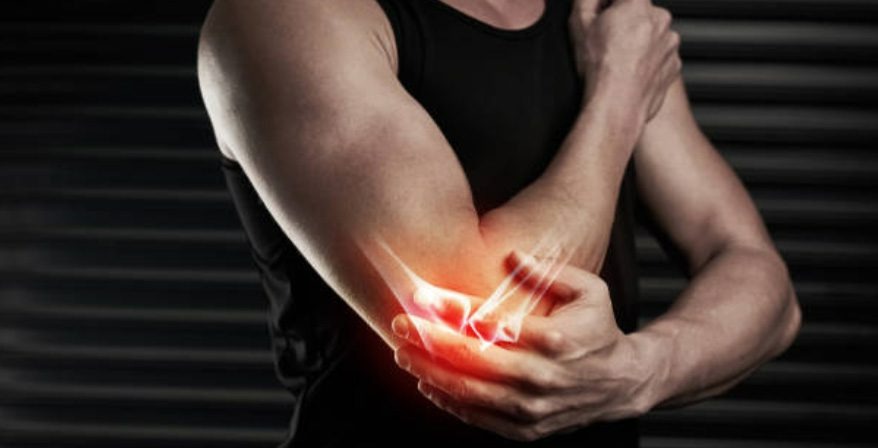
When you're dealing with sports-related pain, it's essential to explore effective treatments that can help you regain your performance. From physical therapy techniques to medication options and alternative therapies, there are various approaches to take into account. Each method has its own benefits and limitations, and understanding these can greatly impact your recovery. You might find that combining strategies not only eases your discomfort but also enhances your overall well-being. So, what specific treatments could work best for you, and how can you implement them effectively?
Physical Therapy Techniques
When you're dealing with sports-related pain, which physical therapy techniques can make a real difference?
First off, manual therapy is a powerful method. Your therapist can use hands-on techniques to manipulate tissues, improve circulation, and alleviate stiffness. This can enhance your movement and reduce pain considerably.
Next, therapeutic exercises play an essential role. Your physical therapist will design a tailored program focusing on strength, flexibility, and endurance. These exercises can help restore function and prevent future injuries. You'll find that consistency is key—stick with your routine, and you'll notice remarkable improvements.
Another technique worth considering is modalities like ultrasound or electrical stimulation. These methods can reduce pain and inflammation while promoting healing in affected areas. Your therapist can guide you in using these modalities effectively, ensuring you get the maximum benefit.
Don't overlook the importance of posture and body mechanics. Your therapist will assess your movements and identify any faulty patterns contributing to your pain. By correcting these habits, you can reduce strain on your body during sports activities.
Finally, education is essential. Your therapist will provide you with valuable insights into your condition, empowering you to make informed decisions about your recovery. Understanding your body's signals can help you prevent re-injury.
In essence, combining various physical therapy techniques can lead to considerable improvements in managing sports-related pain.
Medication Options
After exploring physical therapy techniques, it's important to contemplate medication options that can help manage sports-related pain. Depending on the severity of your discomfort, different medications can effectively alleviate your symptoms and support your recovery.
Here are three common medication options you might consider:
- Nonsteroidal Anti-Inflammatory Drugs (NSAIDs): Medications like ibuprofen and naproxen can reduce inflammation and relieve pain. They're often the first line of defense for minor injuries and soreness. Just be sure to follow the recommended dosage to avoid any adverse effects.
- Acetaminophen: If NSAIDs aren't suitable for you, acetaminophen can be a good alternative for pain relief. It works well for mild to moderate pain without the anti-inflammatory properties, making it a safe option for those with certain health conditions.
- Topical Analgesics: Creams and gels that contain ingredients like menthol or capsaicin can provide localized pain relief. These are particularly useful for muscle strains and joint pain, as they can be applied directly to the affected area without systemic side effects.
Always consult with your healthcare provider before starting any new medication. They can guide you on the best options based on your specific condition and health history.
Alternative Therapies
Exploring alternative therapies can offer valuable options for managing sports-related pain beyond traditional medication. These therapies often focus on holistic approaches, helping not just with pain relief but also with overall well-being.
Acupuncture is one popular alternative therapy. By inserting fine needles into specific points on your body, it can stimulate your natural pain relief mechanisms. Many athletes have reported decreased pain and improved recovery times after regular sessions.
Another option is chiropractic care, which focuses on spinal alignment and neuromuscular function. Regular adjustments can improve your mobility, reduce pain, and enhance your overall athletic performance. It's a hands-on therapy that often yields immediate results, making it a favorite among active individuals.
Massage therapy is also effective for relieving muscle tension and promoting relaxation. Deep tissue or sports massage can target specific areas of pain and help in muscle recovery, allowing you to return to your sport more quickly.
You might also want to take into account mindfulness practices, such as yoga or tai chi. These disciplines not only improve flexibility and strength but can also help you manage pain by promoting relaxation and reducing stress.
Lastly, herbal remedies and supplements, like turmeric or omega-3 fatty acids, can provide anti-inflammatory benefits. Always consult with a healthcare professional before starting any new treatment.
Incorporating these alternative therapies into your pain management routine can enhance your recovery and help you stay active in your sport.
Recovery Strategies
Integrating effective recovery strategies into your routine can greatly enhance your performance and help prevent injuries.
Recovery isn't just about resting; it's about rejuvenating your body and mind to guarantee you're ready for your next challenge. Here are three essential strategies to take into account:
1. Active Recovery: Instead of complete rest, engage in low-intensity activities like walking, swimming, or cycling. This promotes blood flow to your muscles and aids in the removal of waste products, speeding up recovery.
2. Hydration and Nutrition: Don't underestimate the power of proper hydration and nutrition. Drinking plenty of water replenishes lost fluids, while consuming a balanced diet rich in proteins, carbohydrates, and healthy fats supports muscle repair and energy restoration.
Think about incorporating snacks like bananas or protein shakes post-workout for ideal recovery.
3. Stretching and Foam Rolling: Incorporating stretching and foam rolling into your routine can help alleviate tightness and improve flexibility.
Spend at least 10-15 minutes after workouts focusing on major muscle groups. Foam rolling helps release muscle knots and enhances circulation, which can reduce soreness.
Preventive Measures
Preventing injuries is essential for athletes at all levels, and adopting proactive measures can make a significant difference in your performance and longevity in the sport.
To start, focus on proper warm-ups and cool-downs. Engaging in dynamic stretches before your activity prepares your muscles and joints for the demands ahead, while static stretching afterward aids in recovery.
Next, pay attention to your technique. Whether you're running, swimming, or lifting weights, using proper form reduces the risk of injury. If you're unsure, consider working with a coach or trainer who can provide guidance and feedback.
Additionally, listen to your body. If you feel pain or discomfort, don't push through it; instead, take a step back and assess your condition.
Cross-training is another effective way to enhance your fitness and prevent overuse injuries. Mixing different types of workouts can strengthen various muscle groups and keep your routine fresh.
In addition, verify you're wearing appropriate footwear for your sport. A good pair of shoes provides the necessary support and cushioning, reducing the strain on your body.
Finally, prioritize rest and recovery. Scheduling regular rest days allows your body to heal and rebuild, minimizing the risk of burnout.
Incorporating mindfulness techniques like yoga or meditation can also help manage stress and improve your overall well-being.
Conclusion
Incorporating a mix of physical therapy, medication, and alternative therapies can make a real difference in managing sports-related pain. Don't underestimate the power of active recovery strategies and preventive measures to keep you in peak condition. By taking a proactive approach, you can enhance your recovery, reduce discomfort, and lower the risk of injuries. Remember, staying informed and engaged in your treatment plan is key to maintaining your athletic performance and overall well-being.