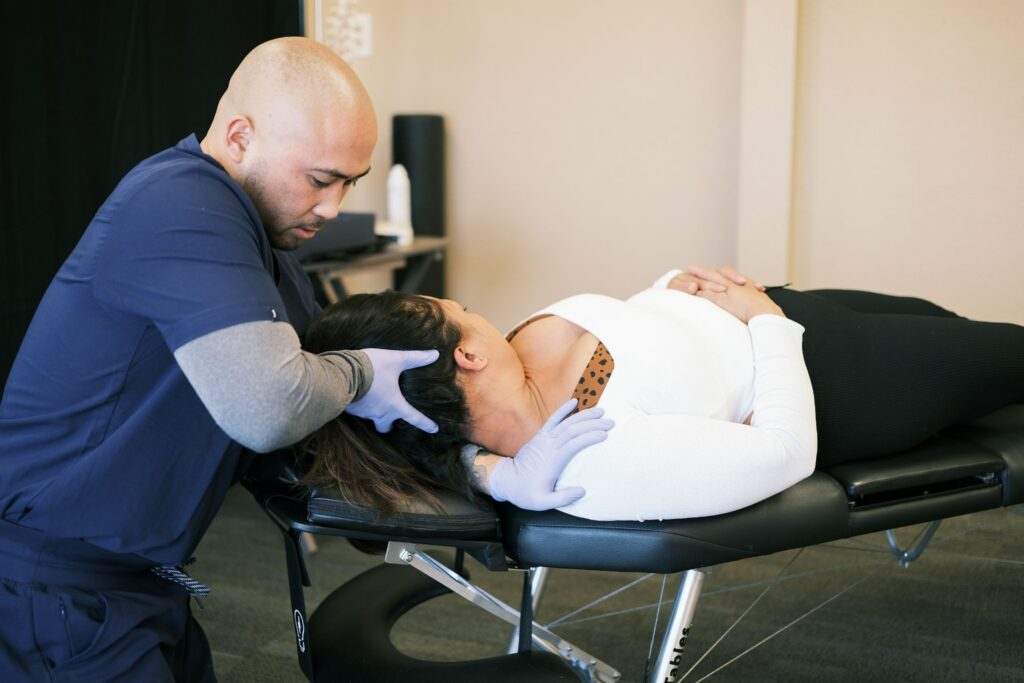

When it comes to posture correction, understanding the impact of your daily habits is crucial. Poor posture can arise from various factors, including how you sit, stand, and even sleep. Recognizing these habits is the first step toward making positive changes that can lead to relief from discomfort and improved overall health. You might be surprised at how simple adjustments and targeted exercises can significantly enhance your posture and well-being.
As a chiropractor, I want to share some effective techniques that can help you maintain better posture naturally. Here are some tips that you can easily incorporate into your daily routine:
- Mind Your Sitting Position: When sitting, ensure your back is straight and shoulders are relaxed. Your feet should be flat on the floor, and your knees should be at a right angle. Consider using a small cushion to support the lower back.
- Stand Tall: When standing, distribute your weight evenly on both feet. Keep your shoulders back and your head aligned over your spine. Engaging your core muscles can help support your posture.
- Adjust Your Workstation: If you spend long hours at a desk, ensure your computer screen is at eye level and your chair provides good lumbar support. Take breaks every hour to stretch and move around.
- Incorporate Stretching: Simple stretches can help alleviate tension and promote flexibility. Focus on stretching the muscles that tend to become tight, such as the chest, shoulders, and hip flexors.
- Stay Active: Regular physical activity is essential for maintaining strong muscles that support your spine. Activities like walking, swimming, or yoga can be beneficial for posture.
- Chiropractic Care: Regular visits to a chiropractor can provide tailored adjustments and therapies that promote optimal spinal alignment. This can lead to improved posture, pain relief, and enhanced overall health.
By implementing these techniques and seeking chiropractic care, you can take significant steps toward better posture and a healthier lifestyle. Remember, making small changes in your daily habits can lead to lasting improvements in your well-being. If you’re struggling with pain or discomfort related to posture, don’t hesitate to reach out to a chiropractor for personalized guidance and support. Your journey toward optimal health starts with caring for your spine!
Key Takeaways
- Regularly check and adjust your body alignment while sitting or standing to help maintain proper posture. This simple practice can make a big difference in how you feel throughout the day.
- Incorporate core-strengthening exercises like planks and bridges into your routine. These exercises not only support your spine but also promote overall stability and strength, which is essential for good posture.
- Create an ergonomic workspace that encourages proper alignment. Ensure your monitor is at eye level and your chair supports your lower back. This setup can help reduce strain on your spine while you work.
- Remember to take frequent breaks to stretch and realign your body. This is especially important if you find yourself sitting for long periods, as it can help reduce tension and discomfort.
- Consider scheduling regular chiropractic visits. Chiropractic care focuses on maintaining spinal health and can significantly improve your posture, helping you achieve overall wellness naturally. By working with a chiropractor, you can address any underlying issues that may be affecting your posture and overall health.
By following these tips and incorporating chiropractic care into your wellness routine, you can take proactive steps toward a healthier spine and a more comfortable life.
Understanding the Importance of Good Posture
Good posture isn’t just about looking confident; it’s vital for your overall health and well-being. When you maintain proper alignment, you not only look your best, but you also reduce the strain on your muscles and joints. This can help prevent discomfort and potential injury, which is where chiropractic care comes in. By ensuring your spine is aligned, a chiropractor can help you maintain good posture and alleviate pain naturally, without the need for medications or surgery.
Maintaining good posture can also improve your breathing. When your spine is aligned, your lungs have more room to expand, allowing more oxygen to flow through your body. This can enhance your energy levels and focus throughout the day, making you feel more productive and alert.
Additionally, standing or sitting up straight can positively affect your mood and self-esteem. You may notice that you feel more empowered and less fatigued when your body is aligned correctly. Regular chiropractic adjustments can help keep your spine in check, minimizing the risk of developing chronic back pain and improving your overall quality of life.
Here are a few tips to help you maintain good posture throughout the day:
- Be Mindful of Your Body: Regularly check in with yourself to ensure you’re sitting or standing straight. Keep your shoulders back and your head aligned with your spine.
- Use Ergonomic Furniture: If you spend long hours sitting at a desk, invest in an ergonomic chair that supports your lower back and promotes good posture.
- Take Breaks: Get up and stretch regularly to prevent stiffness and maintain flexibility. Simple stretches can help relieve tension and keep your body aligned.
- Strengthen Your Core: Engage in exercises that strengthen your core muscles, as a strong core supports proper posture and reduces strain on your back.
- Visit Your Chiropractor: Regular chiropractic visits can help ensure that your spine remains aligned, allowing you to maintain good posture and optimal health.
Common Causes of Poor Posture
You mightn’t realize it, but the daily habits we cultivate can significantly affect our posture. Many of us lead sedentary lifestyles, work in environments with poor ergonomics, or have muscle weakness, all of which can lead to slouching or misalignment of the spine. Recognizing these common causes is the first step toward making positive changes.
As a chiropractor, I want to emphasize that maintaining good posture is crucial for your overall health and well-being. Poor posture can lead to pain and discomfort, but the good news is that there are natural ways to address it. Chiropractic care focuses on aligning the spine, which can alleviate pain and improve your posture without the need for invasive procedures or medication.
Here are some practical tips you can incorporate into your daily routine to help improve your posture:
- Be Mindful of Your Sitting Habits: Ensure your workstation is ergonomically friendly. Keep your feet flat on the ground, and your monitor at eye level to reduce strain on your neck and back.
- Take Breaks to Move: If you find yourself sitting for long periods, set a timer to remind you to stand up, stretch, and walk around every 30-60 minutes. This can help relieve tension and keep your muscles engaged.
- Strengthen Your Core: Incorporate exercises that target your core muscles. A strong core supports your spine and helps maintain proper alignment.
- Practice Good Posture: When standing or sitting, aim to keep your shoulders back and down, your head over your shoulders, and your hips aligned with your knees and ankles.
- Regular Chiropractic Check-ups: Regular visits to your chiropractor can help keep your spine aligned and address any issues before they become significant problems.
Sedentary Lifestyle Effects
As we find ourselves spending more hours sitting at desks or in front of screens, it’s crucial to understand how a sedentary lifestyle can negatively impact our posture and overall health.
You may not realize it, but your daily habits can contribute to poor posture. Here are three common effects of a sedentary lifestyle and how chiropractic care can help:
- Muscle Weakness: Prolonged sitting can lead to weakened core and back muscles, making it more challenging to maintain proper spinal alignment. Chiropractic adjustments can help restore balance and strength to these muscles, supporting better posture.
- Stiffness: A lack of movement often results in stiffness in the hips, shoulders, and neck, which can encourage slouched posture. Regular chiropractic visits can enhance mobility and flexibility, reducing stiffness and promoting a healthier spine.
- Discomfort: Extended periods of sitting can lead to discomfort and tension in the body, which may cause you to adopt unhealthy positions. Chiropractic care not only addresses pain but also teaches you techniques to maintain proper posture and alleviate discomfort naturally.
To counteract the effects of a sedentary lifestyle, consider incorporating these tips into your routine:
- Take regular breaks: Stand up, stretch, or take a short walk every 30-60 minutes to keep your muscles engaged and your spine healthy.
- Practice good ergonomics: Ensure your workspace is set up to promote good posture, with your screen at eye level and your chair providing proper support.
- Strengthen your core: Engage in exercises that strengthen your core and back muscles, which can enhance your posture and overall stability.
By prioritizing your spinal health through chiropractic care and adopting these healthy habits, you can achieve optimal wellness and enjoy a pain-free life.
Ergonomic Misalignment Issues
While many people overlook the importance of proper ergonomics in their daily activities, poor alignment can significantly contribute to posture problems and discomfort.
As a chiropractor, I’ve seen firsthand how poor alignment can lead to pain and tension in the body. When you sit at your desk, it’s crucial to pay attention to your chair height, monitor position, and keyboard placement. If your chair is too low or your monitor is too high, you may find yourself straining your neck or slouching, which can lead to chronic pain over time.
Using a laptop without an external keyboard often results in hunching over, putting additional strain on your spine. Also, don’t underestimate the impact of your footwear; ill-fitting shoes can affect your alignment from the ground up, contributing to foot, knee, and back pain.
Here are some simple tips to improve your workspace ergonomics and support your spinal health:
- Adjust Your Chair: Ensure your chair height allows your feet to rest flat on the ground with your knees at a 90-degree angle. Your back should be supported by the chair’s lumbar support.
- Monitor Position: Position your monitor so that the top of the screen is at or just below eye level. This helps prevent neck strain.
- Keyboard Height: Your keyboard should be at a height that allows your elbows to be at a 90-degree angle. This minimizes strain on your wrists and arms.
- Take Breaks: Make it a habit to take short breaks every hour. Stand up, stretch, and move around to relieve tension.
- Footwear Matters: Choose supportive shoes that fit well. Your feet are the foundation of your body, and proper support helps maintain good alignment.
By taking a moment to assess your workspace and making these simple adjustments, you can greatly improve your posture and overall comfort.
Remember, small changes can lead to significant benefits for your spinal health. If you’re experiencing pain or discomfort, chiropractic care is a natural and effective way to achieve relief and support your journey to optimal wellness.
Let’s prioritize your spine health together!
Muscle Weakness Factors
Muscle weakness can significantly contribute to poor posture, which often leads to discomfort and pain. When your muscles aren’t strong enough to support your spine and body properly, it can result in misalignment.
Fortunately, there are many ways to strengthen your muscles naturally, and chiropractic care can play a vital role in this process. Here are some common factors that may weaken your muscles and tips on how to address them:
- Sedentary Lifestyle: Spending long hours sitting can reduce muscle engagement and lead to weakness. Aim to take short breaks every hour to stand up, stretch, or walk around. Incorporating regular physical activity into your routine can also help strengthen your muscles and improve your posture. Activities such as yoga or Pilates can be particularly beneficial for enhancing core strength.
- Poor Nutrition: A diet lacking essential nutrients can impair muscle function and recovery. Focus on eating a balanced diet rich in fruits, vegetables, lean proteins, and whole grains. Proper nutrition not only fuels your body but also supports muscle health. Staying hydrated is equally important, so make sure to drink plenty of water throughout the day.
- Neglected Exercise: Skipping strength training or flexibility exercises can lead to imbalanced muscle development. Consider incorporating simple exercises into your daily routine to build strength. Even bodyweight exercises like squats, lunges, and push-ups can be effective.
Additionally, regular visits to your chiropractor can help ensure your spine is aligned and functioning optimally, which can enhance your overall physical performance.
By addressing these factors, you can strengthen your muscles and improve your posture, leading to a healthier and more comfortable life.
Assessing Your Posture
How can you tell if your posture needs attention? A great starting point is to observe your body in a mirror or ask a trusted friend for their feedback. Take note of your head, shoulders, and spine alignment—these areas are key indicators of your overall posture. You can also conduct a quick self-evaluation using the criteria below:
| Signs of Poor Posture | Possible Consequences |
|---|---|
| Head juts forward | Neck and shoulder pain |
| Hunched shoulders | Increased back strain |
| Arched lower back | Discomfort during daily activities |
Additionally, pay attention to how you feel during various activities, such as sitting at your desk or standing in line. If you notice any discomfort or fatigue, it may indicate that your posture requires some adjustments. Regularly assessing your posture can help you identify potential issues early on, allowing you to make the necessary changes and prevent long-term problems.
As a chiropractor, I can’t emphasize enough the importance of maintaining good posture for your overall health and wellness. When your body is aligned properly, it can function more efficiently, leading to reduced pain and enhanced vitality. Here are a few simple tips to improve your posture:
- Mind Your Alignment: When sitting, keep your feet flat on the floor and your back straight. Use a chair that supports your lower back.
- Strengthen Your Core: Engage in exercises that strengthen your core muscles, as a strong core supports good posture.
- Take Breaks: If you’re sitting for long periods, take regular breaks to stand up, stretch, and realign your body.
- Consider Chiropractic Care: Regular visits to a chiropractor can help assess your posture and provide treatments that promote proper spinal alignment and overall well-being.
Stretching Exercises for Posture Improvement
After evaluating your posture and identifying areas that need improvement, incorporating stretching exercises can be a game changer in your journey toward optimal health.
These stretches not only help release tension but also improve flexibility and promote better alignment, which is essential for overall wellness. Here are three effective stretches to consider:
- Chest Stretch: Stand tall and clasp your hands behind your back. Gently pull your shoulders back and take a deep breath, holding for 15-30 seconds. This stretch opens up your chest, counteracting the slouched posture many of us develop from sitting for long periods.
- Upper Back Stretch: Interlace your fingers and reach your arms forward while rounding your upper back. Hold for 15-30 seconds to relieve tightness in the upper back. This stretch is particularly beneficial for those who experience discomfort from poor posture.
- Hip Flexor Stretch: Kneel on one knee, push your hips forward while keeping your back straight, and hold for 15-30 seconds on each side. This stretch addresses tight hip flexors, which can contribute to lower back pain and poor posture.
Incorporating these stretches into your daily routine can significantly enhance your posture and overall well-being.
Remember to breathe deeply as you stretch and stay consistent for the best results. Additionally, consider visiting your chiropractor for personalized guidance on how to improve your posture and maintain spinal health naturally.
Chiropractic care is an excellent approach to achieving optimal health and alleviating pain without the need for medications or surgery. Stay proactive about your wellness, and take these steps toward a healthier, more aligned you!
Strengthening Exercises for Core Support
Building a strong core is vital not only for enhancing your posture but also for ensuring overall stability and reducing discomfort in your daily life. As a chiropractor, I want to emphasize that a solid core supports your spine, which is essential for optimal health and wellness.
Here are some effective exercises that can help you strengthen your core naturally—without the need for medications or invasive procedures.
Start with planks. This exercise is great for engaging your abdominal muscles and promoting spinal stability. Hold the plank position for 30 seconds to a minute, ensuring your body is in a straight line from head to heels. Focus on breathing and keeping your core tight throughout the duration.
Next, try bridges. Lie on your back with your knees bent. Lift your hips towards the ceiling while squeezing your glutes at the top. This not only strengthens your core but also supports your lower back. Aim for 10 to 15 repetitions. Remember, a strong lower back contributes significantly to spinal health.
Another excellent exercise is the bird-dog. From a tabletop position, extend one arm forward and the opposite leg back while maintaining a neutral spine. This movement enhances balance and stability. Hold the position briefly before switching sides. It’s a fantastic way to engage your core while promoting spinal alignment.
Lastly, incorporate seated Russian twists into your routine. Sit on the floor with your knees bent and lean back slightly. Twist your torso side to side while holding a light weight or even just your hands. Aim for 10 to 15 repetitions on each side. This exercise not only works your core but also encourages flexibility and movement in your spine.
By regularly integrating these exercises into your routine, you’ll develop a robust core that supports your spine, aids in better posture, and reduces discomfort.
Ergonomic Adjustments for Your Workspace
Creating a comfortable and health-focused workspace is essential for maintaining your well-being and spinal health. As a chiropractor, I want to share some key ergonomic adjustments that can help you avoid discomfort and pain while you work.
First, ensure your chair height is adjusted so that your feet rest flat on the floor. This alignment helps support your lower back and reduces strain on your spine.
Next, position your monitor at eye level to prevent neck strain. You should be able to look straight ahead without tilting your head up or down.
Additionally, keep your keyboard and mouse within easy reach. This minimizes the risk of arm and shoulder strain over time. Consider using a wrist rest to further support your wrists and prevent repetitive strain injuries.
Remember, making these simple adjustments can have a significant impact on your overall health and wellness.
If you find yourself experiencing discomfort or pain, chiropractic care can provide natural relief and help you achieve optimal spinal health.
Prioritize your well-being by creating an ergonomic workspace that supports your body’s natural alignment.
Chair Height Adjustment
Proper chair height adjustment is crucial for maintaining good posture and preventing discomfort during long hours at your desk, which directly impacts your spinal health.
As a local chiropractor, I want to share some simple steps to ensure your chair is at the right height, promoting natural healing and wellness:
- Feet Flat on the Floor: Make sure your feet are resting flat on the floor or on a footrest. Your knees should be at a 90-degree angle. This position helps maintain proper spinal alignment and reduces strain on your lower back.
- Elbow Position: Adjust your chair so your elbows are at a 90-degree angle when resting on the desk. This alignment minimizes tension in your shoulders and neck, allowing for smoother movement and better overall posture.
- Back Support: It’s important that your chair offers adequate lumbar support. Your lower back should be supported to maintain its natural curvature. This support helps prevent discomfort and promotes spinal health, which is vital for your overall well-being.
By following these tips, you can create a more ergonomic workspace that supports your spine and overall health.
Monitor Positioning Tips
Once you’ve adjusted your chair for ideal support, it’s essential to turn your attention to monitor positioning, as it directly impacts your overall comfort and spinal health.
Start by placing your monitor at eye level to avoid unnecessary strain on your neck. The top of the screen should rest just below your eye line, allowing you to look down slightly while keeping your head in a neutral position. This simple adjustment can help prevent neck pain and promote better spinal alignment.
Position your monitor about an arm’s length away to help reduce eye strain, which can often lead to discomfort in the neck and shoulders. It’s also beneficial to tilt the screen back slightly, between 10 to 20 degrees, to minimize glare and encourage a more relaxed posture.
If you work with multiple monitors, arrange them in a gentle arc to help keep your head aligned and reduce the risk of developing discomfort.
Remember, maintaining proper posture throughout your workday is key to supporting your spine and preventing pain. Incorporating these monitor positioning tips can significantly enhance your comfort and contribute to your overall well-being.
And if you ever find yourself dealing with pain or discomfort, consider visiting your local chiropractor. Chiropractic care is a natural, effective approach to achieving pain relief and promoting optimal health without the need for medications or invasive procedures. Your spine will thank you!
Keyboard and Mouse Placement
When you’re setting up your workspace, the placement of your keyboard and mouse is crucial for maintaining comfort and preventing strain on your spine. Proper positioning not only promotes better posture but also enhances your overall productivity.
Here are three essential adjustments to consider for a healthier workspace:
- Height: Ensure your keyboard is at elbow height. This allows your arms to rest comfortably at your sides, reducing stress on your shoulders and spine. Proper alignment can help keep your spine in its natural position, which is vital for avoiding discomfort and pain.
- Distance: Position your keyboard and mouse close enough so that you don’t have to stretch or reach excessively. This reduces the risk of cramping and helps maintain a relaxed posture. Remember, the less strain you put on your body, the better your chances of staying pain-free.
- Angle: Keep your keyboard flat or slightly tilted. This can help minimize wrist strain, and it’s important that your mouse is on the same surface level as your keyboard to maintain a straight wrist position. A well-aligned workspace can significantly contribute to your overall spinal health.
By paying attention to these adjustments, you can create a workspace that not only enhances your productivity but also supports your spine’s natural alignment.
Mindfulness Techniques for Posture Awareness
Although many people may not realize it, the connection between mindfulness and posture plays a crucial role in overall health and wellness. As a chiropractor, I can assure you that cultivating awareness of your body can significantly enhance how you carry yourself and support your spine.
Start by taking regular moments to check in with yourself. Whether you’re sitting at a desk or standing in line, pause to notice your posture. Are your shoulders rounded? Is your back straight? Just a few seconds of awareness can lead to meaningful improvements.
Incorporating deep breathing exercises is another excellent way to promote better posture. Take a deep breath, allowing your abdomen to expand fully. As you exhale, imagine any tension in your body drifting away. This simple practice not only helps to align your posture but also reduces stress, which can contribute to discomfort and misalignment.
To further enhance your posture awareness, add short mindfulness breaks into your daily routine. Stand up, stretch, and consciously align your body. You might consider trying a body scan meditation, where you focus on how each part of your body feels. This active engagement with your posture fosters better habits and can help maintain a more confident stance throughout your day.
Remember, proper posture is essential for spinal health, and chiropractic care can be an excellent resource for achieving optimal health. Regular adjustments can help align your spine, relieve pain, and promote natural healing.
Daily Habits to Promote Better Posture
To promote better posture and overall spinal health, incorporating specific daily habits can make a significant difference in how you carry yourself. As a chiropractor, I believe that maintaining proper posture is essential not just for comfort, but for your overall well-being.
Here are three effective habits to adopt that can help you achieve and maintain optimal posture:
- Set Reminders: Use alarms or apps to remind you to check your posture every hour. This simple act of mindfulness can help you stay aware of your body alignment throughout the day. Remember, awareness is the first step towards improvement!
- Strengthen Core Muscles: Engaging in exercises like planks and bridges is a fantastic way to build core strength. A strong core supports your spine and encourages proper alignment, which is crucial for reducing strain on your back. Incorporating these exercises into your routine can lead to long-term benefits for your posture and overall health.
- Adjust Your Workspace: Ensuring that your desk and chair set-up promotes good posture is vital. Your computer screen should be at eye level, and your feet should rest flat on the floor. This ergonomic setup helps prevent unnecessary strain on your spine and encourages a more natural posture while you work.
Remember, chiropractic care is an excellent option for addressing posture-related issues and enhancing your overall wellness.
Conclusion
Improving your posture is a journey that requires awareness and dedication, and as a chiropractor, I want to guide you through effective techniques that can lead to better spinal health and overall well-being. One of the best ways to achieve optimal posture is through regular body alignment checks. Take a moment each day to assess your posture; are your shoulders back, and is your head aligned over your spine?
Engaging in core-strengthening exercises is another essential element. A strong core supports your spine, helping to maintain proper alignment throughout your day-to-day activities. Simple exercises like planks and bridges can be very effective and can easily be incorporated into your routine.
Don’t overlook the importance of your workspace. Making ergonomic adjustments, such as ensuring your chair supports your lower back and your computer screen is at eye level, can make a significant difference in how you hold your body while working.
In addition, remember the power of stretching and mindfulness. Incorporating gentle stretches into your daily routine helps to keep your body flexible and promotes awareness of your posture. Mindfulness techniques can also help you stay present and aware of your body’s positioning throughout the day.
With consistent practice and small daily changes, you will not only promote better posture but also enhance your spinal health. This, in turn, leads to improved comfort and overall well-being in your daily life. If you’re looking for a natural approach to pain relief and wellness, consider chiropractic care as an essential part of your journey toward optimal health. Your spine deserves the best!