
If you're struggling with chronic back pain, you're likely aware of how it can impact your daily life. Fortunately, effective non-invasive solutions exist that can greatly improve your situation. From targeted physical therapy techniques to the benefits of chiropractic care, there's a range of approaches to evaluate. You might also find that alternative therapies and mindfulness strategies can play an essential role in your recovery. But which methods truly resonate with your needs and lifestyle? Exploring these options could lead you to a more comfortable life.
Understanding Chronic Back Pain
Chronic back pain affects many people, often making daily activities a challenge. You're not alone if you've experienced discomfort that lingers for weeks or even months. Understanding the nature of chronic back pain is imperative to managing it effectively. This type of pain typically lasts for more than three months and can stem from various causes, including injuries, degenerative disc disease, or even stress.
When you suffer from chronic back pain, you may notice that it changes how you move and interact with your environment. Simple tasks like bending down to pick something up or sitting for an extended period can become intimidating. You might also find that the pain affects your mood and overall quality of life, leading to frustration or even anxiety.
It's important to recognize that chronic back pain isn't just a physical issue; it often has psychological components as well. You might notice that stress or anxiety can intensify your pain, creating a cycle that feels difficult to break. Identifying these connections can be an essential step in your healing process.
Additionally, each person's experience with chronic back pain is unique. What works for one person may not work for another, so it's critical to explore different strategies and solutions. By understanding the complexities of your pain, you can better advocate for yourself and seek out the most appropriate non-invasive solutions for your specific situation.
Physical Therapy Techniques
For many dealing with persistent back pain, physical therapy offers a pathway to relief and improved mobility. You'll engage in tailored exercises designed to strengthen your back, improve flexibility, and enhance posture. A licensed physical therapist will assess your condition and create a personalized plan that focuses on your specific needs.
Common techniques include manual therapy, where your therapist uses hands-on methods to manipulate muscles and joints. This approach can alleviate pain and improve circulation. You'll also likely participate in therapeutic exercises aimed at enhancing strength and stability, which are vital for long-term relief. These exercises often focus on core strengthening, as a strong core supports your spine and reduces strain.
Another important component is education. Your therapist will teach you proper body mechanics, helping you understand how to lift, bend, and sit correctly to avoid aggravating your back pain. They may also introduce modalities like heat or cold therapy, ultrasound, or electrical stimulation to complement your treatment and provide additional relief.
Consistency is key. Attending regular sessions and diligently following your home exercise program can greatly accelerate your recovery. You'll learn to listen to your body and recognize signs of overexertion, allowing you to adapt your activities accordingly.
Incorporating these physical therapy techniques into your routine can empower you to manage your back pain more effectively, ultimately leading to a better quality of life and increased mobility.
Chiropractic Care Benefits
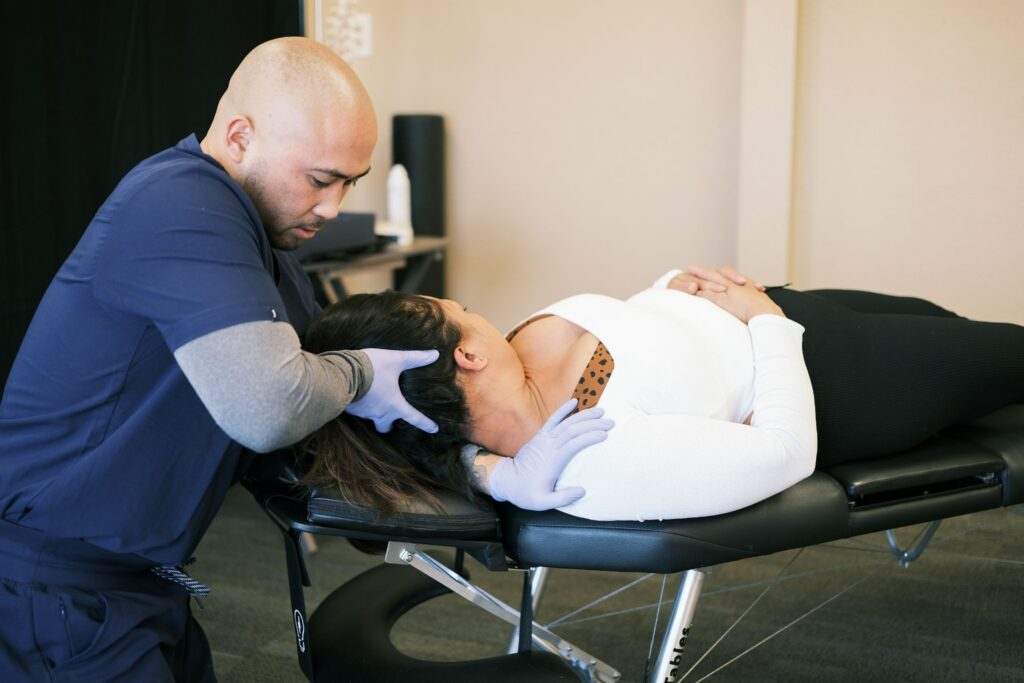
Exploring chiropractic care can provide significant benefits for those suffering from back pain. This hands-on approach focuses on diagnosing and treating musculoskeletal issues, particularly in the spine. When you visit a chiropractor, they'll assess your condition and create a tailored treatment plan to address your specific needs.
One of the primary benefits of chiropractic care is pain relief. Adjustments can help alleviate discomfort by restoring proper alignment to your spine. This not only reduces pressure on nerves but also improves blood flow, aiding in the healing process. You might find that regular adjustments lead to a marked decrease in your pain levels, enhancing your overall quality of life.
Chiropractic care also promotes improved mobility and flexibility. By addressing misalignments and tension in your body, you can experience greater range of motion. This can be especially beneficial for daily activities, making it easier to perform tasks without the fear of aggravating your back pain.
Moreover, chiropractic care emphasizes a holistic approach to health. Your chiropractor may provide guidance on lifestyle changes, exercise routines, and ergonomic practices to support your recovery and prevent future issues.
This proactive approach empowers you to take charge of your health and well-being.
Alternative Therapies
Many people seeking relief from back pain turn to alternative therapies as effective options. These therapies can complement traditional treatments or serve as standalone solutions.
One popular approach is acupuncture, where fine needles are inserted at specific points in the body. This technique can stimulate the release of endorphins, which help alleviate pain and promote healing.
Another option you might consider is massage therapy. Regular sessions can relieve muscle tension, improve circulation, and enhance mobility. Different techniques, like deep tissue or myofascial release, target specific areas of discomfort, helping to restore balance and flexibility in your back.
You could also explore herbal remedies and nutritional supplements. Some herbs, such as turmeric and ginger, possess anti-inflammatory properties that may ease pain when incorporated into your diet. Always consult with a healthcare professional to verify these remedies are suitable for your needs.
Additionally, physical therapy can be a valuable alternative. A trained therapist can create a tailored exercise program focusing on strengthening the muscles that support your spine, improving posture, and enhancing overall function.
If you're open to it, consider trying yoga or tai chi. Both practices emphasize gentle movements and stretching, which can alleviate stiffness and increase your range of motion. They also promote better body awareness, helping you recognize and adjust habits that may contribute to your back pain.
Exploring these alternative therapies could lead to significant relief from chronic back pain, empowering you to regain control over your life and well-being.
Mindfulness and Relaxation Strategies
Mindfulness and relaxation strategies can be powerful tools in managing chronic back pain. By incorporating these techniques into your daily routine, you can cultivate a greater sense of awareness and reduce the stress that often exacerbates pain.
Mindfulness encourages you to focus on the present moment, helping you recognize and acknowledge pain without judgment. This shift in perspective can lessen the emotional impact of discomfort.
Practicing mindfulness can be as simple as finding a quiet place to sit or lie down. Close your eyes, take deep breaths, and concentrate on how your body feels. Notice areas of tension or discomfort, but try not to dwell on them. Instead, observe your breath, allowing it to guide you back to a state of calm whenever your mind wanders.
Regular practice can improve your ability to manage pain more effectively.
In addition to mindfulness, relaxation strategies like progressive muscle relaxation and guided imagery can be beneficial. Progressive muscle relaxation involves tensing and then relaxing each muscle group, promoting physical relaxation.
Guided imagery, on the other hand, invites you to visualize peaceful scenarios, helping to distract your mind from pain.
Incorporating these strategies into your daily routine can enhance your overall well-being. Set aside a few minutes each day to practice, whether it's through meditation, deep breathing, or visualization.
Over time, you'll likely find that your relationship with chronic back pain shifts, allowing you to reclaim a sense of control and peace.
Conclusion
Incorporating these non-invasive solutions can greatly improve your chronic back pain. By exploring physical therapy, chiropractic care, and alternative therapies, you can find what works best for you. Remember to practice mindfulness and relaxation techniques, as they help manage pain perception and enhance emotional resilience. Embracing a holistic approach, like yoga or tai chi, fosters flexibility and body awareness. Take charge of your well-being and start your journey toward a pain-free life today!