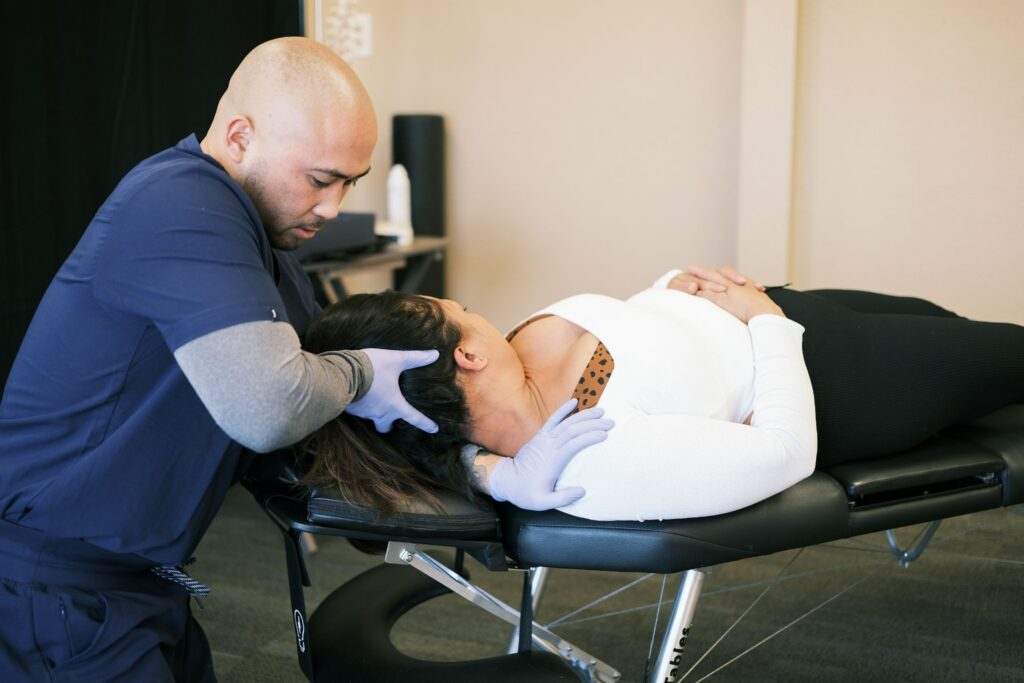

If you've ever experienced a headache, you know how disruptive it can be. You might not realize that chiropractic adjustments can offer effective natural relief by addressing the root causes of your discomfort. By improving spinal alignment and reducing muscle tension, these adjustments help restore your body's natural balance. But there's more to this approach than just adjustments alone. Exploring other remedies and preventative strategies can greatly enhance your experience and outcomes. So, what other methods can complement chiropractic care for lasting relief?
Understanding Headache Types
Headaches can feel like unwelcome guests crashing your day, and understanding the different types is key to finding relief. You might experience tension headaches, which are the most common. These often feel like a tight band around your head, stemming from stress or muscle tension. Knowing that these headaches can arise from poor posture or prolonged screen time can help you address the root cause.
Then there are migraines, which can be more debilitating. They typically come with intense throbbing pain, often on one side of your head, accompanied by nausea, sensitivity to light, or sound. If you've experienced aura symptoms—visual disturbances or tingling before the pain hits—you might be dealing with this type. Identifying triggers like certain foods, hormonal changes, or stress can aid in prevention.
Cluster headaches are another type, and they're characterized by severe, piercing pain around one eye, often occurring in cycles or clusters over weeks. While less common, they can be incredibly painful, and understanding their pattern is essential for managing them.
Finally, sinus headaches are linked to sinus infections or pressure, resulting in a feeling of heaviness in your forehead, cheeks, or around your eyes. Recognizing these different types can empower you to take proactive steps towards finding suitable relief.
Benefits of Chiropractic Adjustments
Chiropractic adjustments can greatly reduce your headache pain by targeting the root causes.
By improving spinal alignment, these adjustments help your body function better and may enhance your nervous system performance.
You might find that regular chiropractic care not only eases your headaches but also promotes overall wellness.
Pain Reduction Techniques
Many people experience relief from headaches through chiropractic adjustments, which focus on realigning the spine and improving overall function.
These adjustments can greatly reduce pain by addressing the root causes rather than just masking the symptoms. When you visit a chiropractor, you can expect several pain reduction techniques tailored to your needs:
- Spinal Manipulation: This technique involves applying controlled force to specific joints, helping to restore proper motion and reduce tension in surrounding muscles.
- Soft Tissue Therapy: Chiropractors often use methods like massage or stretching to target tight muscles and alleviate discomfort, promoting better circulation and relaxation.
- Lifestyle Recommendations: Your chiropractor might provide you with tips on posture, ergonomics, and exercises that can help reduce headache frequency and intensity.
Adopting these recommendations can lead to long-term relief.
Improved Spinal Alignment
Over time, improved spinal alignment can lead to significant benefits for your overall health and well-being. When your spine is properly aligned, it reduces the strain on your muscles and ligaments, which can help alleviate tension and discomfort. This relief often translates into fewer headaches, allowing you to enjoy daily activities without the nagging pain that can disrupt your focus.
Good spinal alignment enhances your posture, making it easier for you to sit and stand correctly. This can prevent the development of chronic issues, such as neck and back pain, which often accompany misalignment. By addressing these issues through chiropractic adjustments, you're not only treating existing headaches but also preventing future occurrences.
Additionally, improved spinal alignment contributes to better mobility. When your spine is in alignment, your range of motion increases, allowing you to move freely and comfortably. This increased mobility can enhance your overall quality of life, making physical activities more enjoyable and less painful.
Enhanced Nervous System Function
One key benefit of chiropractic adjustments is their ability to enhance nervous system function. When your spine is properly aligned, the communication between your brain and body improves, leading to better overall health. This enhancement can considerably contribute to relief from headaches and various other ailments.
Consider these three ways chiropractic adjustments can boost your nervous system function:
- Improved Signal Transmission: With proper spinal alignment, nerve pathways become unobstructed. This means your brain can send and receive messages more effectively, helping your body respond better to stressors.
- Increased Blood Flow: Adjustments can promote better circulation. Enhanced blood flow ensures your brain and other organs receive the oxygen and nutrients they need, which can alleviate headache symptoms.
- Reduced Inflammation: Chiropractic care can help decrease inflammation around nerves. Lower inflammation levels can reduce pain and discomfort, offering you a more pleasant experience in your daily life.
How Adjustments Work for Relief
Adjustments can be a powerful tool in finding relief from headaches. When you receive an adjustment, a trained professional applies targeted pressure to specific areas of your spine and joints. This process helps restore proper alignment, which can alleviate tension and reduce nerve irritation. By addressing misalignments, adjustments can notably improve your body's overall function, allowing it to heal more effectively.
When your spine is aligned, it positively impacts your nervous system. A well-functioning nervous system means better communication between your brain and body, which can lead to a decrease in headache frequency and intensity. Many headaches stem from muscle tension, stress, or inflammation caused by misalignment. By correcting these issues, adjustments can help relieve the underlying causes of your headaches, rather than just masking the symptoms.
You might notice that after a session, you feel more relaxed and less tense, which can contribute to headache relief. Additionally, regular adjustments can promote better posture, reducing strain on your neck and shoulders—common culprits in headache development.
It's not just about the immediate relief, either; consistent adjustments can help prevent headaches from recurring. By maintaining proper spinal alignment, you're investing in your long-term health and well-being.
Additional Natural Remedies
When you're seeking relief from headaches, consider exploring additional natural remedies that can make a difference.
Herbal supplements and teas, essential oils, and staying hydrated with proper nutrition are all effective options.
Each of these remedies can help you manage and reduce headache symptoms naturally.
Herbal Supplements and Teas
Herbal supplements and teas often provide a gentle yet effective way to relieve headaches. They can help reduce tension, promote relaxation, and even address underlying causes of your discomfort.
Here are three popular options you might consider:
- Peppermint Tea: Known for its cooling effect, peppermint can help soothe headaches caused by tension or sinus issues. Sipping a warm cup can also promote relaxation.
- Ginger Root: Ginger isn't just for cooking; it's also a powerful anti-inflammatory. You can brew ginger tea to ease headaches, especially those related to nausea or digestive issues.
- Feverfew: This herb has a long history of use for preventing migraines. Taking feverfew supplements or drinking feverfew tea may help reduce the frequency and intensity of your headaches.
Incorporating these herbal remedies into your routine can provide you with a natural approach to headache relief.
Always consult with a healthcare professional before starting any new supplements, especially if you're already taking medications. By exploring these options, you might just find the relief you've been seeking.
Essential Oils Usage
Harnessing the power of essential oils can be an effective way to alleviate headaches naturally. These concentrated plant extracts offer a variety of benefits, and using them can provide quick relief when you feel a headache coming on.
Lavender oil is particularly known for its calming properties; simply inhaling its scent or applying it topically can help ease tension and promote relaxation.
Peppermint oil is another standout option. Its cooling effect can help soothe headache pain, especially when you apply it to your temples and massage gently.
You might also consider eucalyptus oil, which can open up your sinuses and relieve pressure. A few drops in a diffuser or a warm bath can work wonders.
To maximize the benefits, blend different oils. For instance, mixing lavender and peppermint can create a powerful remedy.
Just remember to dilute essential oils with a carrier oil before applying them to your skin to avoid irritation. Always perform a patch test to verify you don't have any allergic reactions.
With so many options available, you can find the perfect combination that works best for you.
Hydration and Nutrition
Staying hydrated and maintaining a balanced diet are essential for preventing and alleviating headaches. When you don't drink enough water or consume the right nutrients, you might find yourself more susceptible to those nagging pains.
By focusing on hydration and nutrition, you can enhance your overall well-being and lessen headache occurrences.
Here are three important tips to reflect on:
- Drink Plenty of Water: Aim for at least eight 8-ounce glasses of water daily. Dehydration is a common headache trigger, so keep a water bottle handy to stay on track.
- Incorporate Magnesium-Rich Foods: Foods like spinach, nuts, and whole grains can help reduce headache frequency. Magnesium deficiency is linked to migraines, so adding these foods can be beneficial.
- Limit Processed Foods and Sugars: High sugar and refined carbohydrate intake can lead to sudden spikes and drops in blood sugar, which may trigger headaches.
Focus on whole foods for balanced energy levels.
Lifestyle Tips for Prevention
Making simple lifestyle changes can greatly reduce your chances of experiencing headaches. First, pay attention to your sleep habits. Aim for 7 to 9 hours of quality sleep each night. Establish a regular sleep schedule by going to bed and waking up at the same time every day. This consistency helps regulate your body's internal clock, minimizing headache triggers.
Next, manage your stress levels. Incorporate relaxation techniques like deep breathing, meditation, or yoga into your daily routine. These practices can help you unwind and reduce tension, which often contributes to headaches.
Regular physical activity also plays an important role in stress management. Aim for at least 30 minutes of moderate exercise most days of the week. It boosts your mood and helps prevent headaches.
Don't overlook your environment. Make sure your workspace is ergonomic; adjust your chair and computer screen to reduce strain on your neck and eyes. Limit screen time and take regular breaks to prevent digital eye strain.
Finally, keep an eye on your caffeine intake. While it can help relieve headaches for some, too much caffeine can trigger them in others. Stick to moderate amounts and pay attention to how your body responds.
When to Seek Professional Help
Even with effective lifestyle changes in place, there are times when headaches can signal a more serious issue.
It's vital to monitor your symptoms and know when to seek professional help. While headaches can often be managed at home, certain signs should prompt you to consult a healthcare professional.
Here are three key indicators that it's time to get help:
- Sudden Onset or Severe Pain: If you experience a headache that comes on suddenly and is more intense than any you've had before, don't ignore it. This could indicate a migraine or even conditions like a stroke or aneurysm.
- Persistent or Frequent Headaches: If your headaches are becoming more frequent or lasting longer than usual, it's worth discussing with a doctor. You may need a proper diagnosis or treatment plan to address underlying causes.
- Accompanying Symptoms: If your headache is accompanied by other symptoms such as vision changes, difficulty speaking, confusion, weakness, or numbness, seek immediate medical attention. These could be signs of a more serious condition requiring urgent care.
Listening to your body is key.
If you notice any of these warning signs, don't hesitate to reach out for professional assistance. Early intervention can lead to better outcomes, helping you manage your headaches more effectively.
Conclusion
Incorporating chiropractic adjustments into your routine can be a powerful way to find natural headache relief. By understanding different headache types and how adjustments work, you can take control of your well-being. Combining these treatments with healthy lifestyle choices will not only help ease your pain but also prevent future headaches. Remember, if your headaches persist or worsen, don't hesitate to seek professional help. Your journey to a headache-free life starts with taking the right steps today!