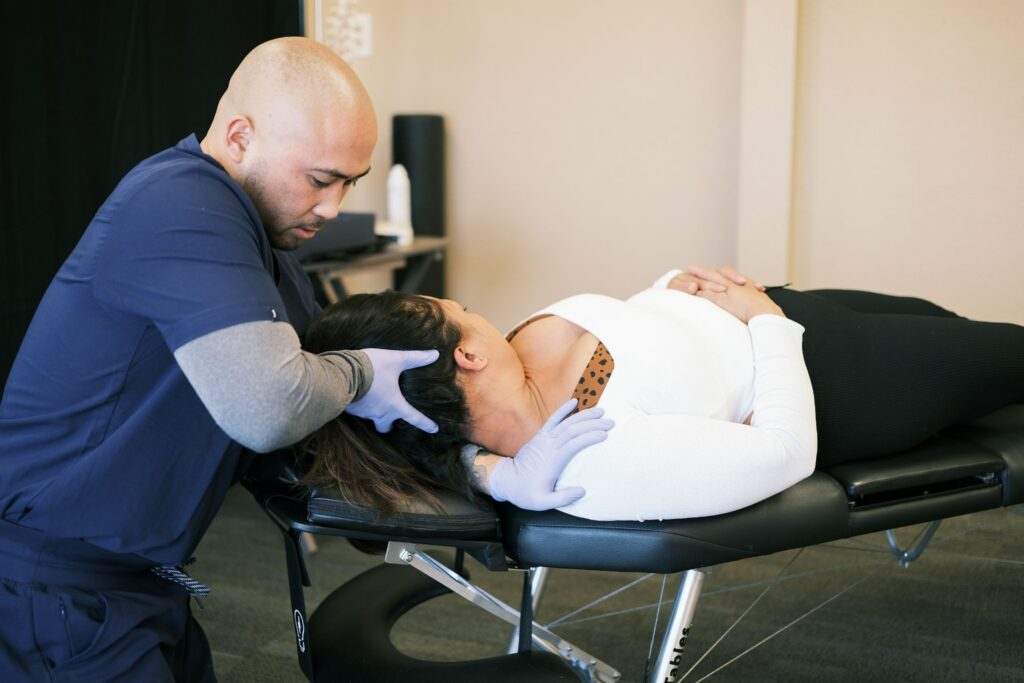

As a local chiropractor, I often see patients struggling with back pain, which can be both frustrating and limiting. However, I want to share with you that the right exercises can truly make a significant difference in your overall spinal health. By focusing on core strength, flexibility, and proper posture, you can effectively support your spine and alleviate discomfort.
It’s essential to incorporate specific movements into your daily routine to prevent back pain. Many of my patients are curious about which exercises can best help them and how to seamlessly integrate these practices into their lives. Together, we can explore effective strategies that not only promote healing but also enhance your overall well-being.
If you’re ready to take control of your back health, let’s discuss some simple yet effective exercises that you can start today!
Importance of Core Strength for Back Health
As a local chiropractor dedicated to educating my patients about natural healing, I want to emphasize the crucial role of core strength in maintaining back health. Strengthening your core does more than just improve your overall stability; it plays a pivotal role in supporting your spine, which can significantly reduce the risk of injury and alleviate discomfort.
When you engage your abdominal, oblique, and lower back muscles, you establish a solid foundation that promotes proper posture during your daily activities. This is especially important because many of us spend long hours sitting or performing repetitive tasks that can strain our backs.
Incorporating core-strengthening exercises into your daily routine can help distribute weight more evenly across your body, thereby relieving pressure on your back. I often recommend exercises like planks, bridges, and pelvic tilts, as they effectively target these essential muscle groups.
As your core strength improves, you’ll likely experience better balance and reduced strain on your back, particularly when lifting or bending.
Focusing on core strength not only helps in preventing back pain but can also boost your performance in sports and enhance your ability to perform everyday movements.
I encourage you to start prioritizing your core today, as it can lead to a healthier back and an overall improvement in your well-being. If you have any questions or need guidance on specific exercises, feel free to reach out during your next visit!
Stretching Exercises for Flexibility
As a local chiropractor, I want to emphasize the importance of stretching exercises in enhancing your flexibility and supporting your back health. Many individuals may not realize how vital regular stretching is for improving your range of motion, reducing muscle tension, and promoting better circulation.
To start, I recommend incorporating simple stretches into your daily routine. One effective stretch is the cat-cow pose. This gentle movement helps warm up your spine and relieve tension throughout your back.
Another great stretch is the seated forward bend, which targets your hamstrings and lower back. When performing these stretches, hold each position for at least 15-30 seconds while breathing deeply to fully reap the benefits.
Don’t overlook the child’s pose, either. This stretch gently elongates your spine and promotes relaxation in your muscles.
Remember, the goal of stretching is to feel good—if something feels painful, it’s essential to listen to your body and ease up.
I encourage you to aim for daily stretching, or at the very least, three times a week. You may find that with consistent practice, you experience improved flexibility, reduced stiffness, and a stronger foundation for your back health.
Strengthening Movements for Lower Back Support
As your local chiropractor, I want to emphasize the importance of strengthening movements that can significantly support your lower back.
Focusing on exercises that enhance core stability and promote glute activation is crucial for maintaining a healthy spine. Additionally, incorporating hip flexor stretching into your routine can greatly improve your overall mobility and flexibility.
Let’s delve into some effective exercises that can help you build a stronger foundation for your back.
By strengthening your core and glutes, you not only safeguard your spine but also enhance your overall posture and reduce the risk of injury.
I encourage you to explore these movements to foster a healthier back and improve your quality of life.
Core Stability Exercises
As your local chiropractor, I want to emphasize the importance of core stability exercises for maintaining a healthy lower back. Strong core muscles provide essential support to your spine, which can help prevent injuries and alleviate pain. One effective exercise to consider is the plank. This exercise not only strengthens your abdominal muscles but also encourages proper posture, which is crucial for spinal health.
Incorporate side planks into your routine as well; they specifically target your oblique muscles, enhancing stability from various angles. Another great option is the bird-dog exercise, which blends balance and coordination, engaging both your core and lower back effectively.
I recommend incorporating these exercises into your regimen at least three times a week. It’s important to focus on maintaining proper form while performing these exercises to ensure you reap the maximum benefits.
Hip Flexor Stretching
As a local chiropractor, I want to emphasize the importance of incorporating hip flexor stretching into your routine, especially if you’re looking to support your lower back health.
Many people are unaware that tight hip flexors can contribute to poor posture and increased strain on the lumbar region of your spine. Regular stretching can effectively counteract this tension and promote better alignment.
To perform a simple hip flexor stretch, start by kneeling on one knee, positioning the opposite foot in front of you to create a 90-degree angle. As you gently push your hips forward, be sure to keep your back straight. You should feel a pleasant stretch in the front of your hip.
Hold this position for 20-30 seconds before switching sides.
I recommend incorporating this stretch into your routine at least a few times a week. By enhancing the flexibility in your hips, you’re not only improving your mobility but also creating a more stable foundation for your lower back, which is essential for overall spinal health.
If you have any questions or would like guidance on proper techniques, don’t hesitate to reach out for assistance!
Glute Activation Techniques
As a chiropractor dedicated to helping you achieve optimal health, I want to emphasize that while many individuals focus on stretching to relieve back pain, it’s equally crucial to strengthen your glutes to support your lower back.
Engaging your glute muscles plays a vital role in stabilizing your pelvis and spine, which can significantly reduce strain on your lower back.
Here are some effective glute activation techniques that I recommend incorporating into your routine:
- Bridges: Start by lying on your back with your knees bent. Lift your hips towards the ceiling, engaging those glute muscles.
- Clamshells: While lying on your side with your knees bent, lift the top knee while keeping your feet together. This exercise targets your outer glutes effectively.
- Squats: Stand with your feet shoulder-width apart. Lower your hips back into a squat position, then rise back up, ensuring you engage your glutes as you stand.
- Lunges: Take a step forward and lower your back knee toward the ground. This movement helps activate your glutes and improves balance.
- Donkey Kicks: Get on all fours and lift one leg towards the ceiling while keeping your knee bent. This exercise is excellent for isolating your glute muscles.
By incorporating these exercises regularly, you can enhance your lower back support and contribute to your overall spinal health.
Remember, a strong foundation in your glutes can lead to a healthier back and improved well-being.
If you have any questions about these exercises or how they fit into your overall care plan, please feel free to ask!
Posture Improvement Techniques
As a local chiropractor, I want to help you understand the importance of posture and how it can significantly impact your overall health.
One of the first steps in improving your posture is to focus on your desk ergonomics. By making simple adjustments to your workspace, you can create a more supportive environment that encourages proper sitting and standing habits throughout your day.
Additionally, incorporating stretching techniques into your daily routine can work wonders in relieving tension and promoting better alignment.
These stretches not only help alleviate discomfort but also enhance your overall posture, contributing to your well-being.
Desk Ergonomics Tips
As a local chiropractor, I want to emphasize the importance of good posture at your desk, as it can significantly reduce back pain and enhance your overall comfort during those long work hours.
Here are some essential tips to help you maintain an ergonomic workspace that supports your spine and overall health:
- Adjust your chair so that your feet are flat on the floor, and your knees form a 90-degree angle. This position helps maintain proper alignment in your spine and reduces strain on your lower back.
- Position your screen at eye level and about an arm’s length away. This setup will help prevent neck strain and encourage a more natural alignment of your head and neck.
- Choose a supportive chair that promotes a natural curve in your lower back. A chair with lumbar support can make a significant difference in how your back feels after a day of sitting.
- Keep your keyboard and mouse within easy reach. This will help you avoid overreaching and ensure that your elbows remain close to your body, reducing tension in your shoulders.
- Incorporate regular breaks into your work routine. Stand up, stretch, and move around to keep your muscles engaged and prevent stiffness. This practice is essential for maintaining flexibility and reducing the risk of injury.
By following these ergonomic tips, you can create a healthier workspace that not only supports your physical well-being but also enhances your productivity.
Stretching for Alignment
As a local chiropractor, I often see patients struggling with posture and back pain, and I’m here to share how stretching can be a vital part of your healing journey. Regular stretching promotes muscle flexibility and balance, which are crucial for maintaining proper alignment in your spine and overall body.
When you engage in stretching, you help release tension in areas that may be tight due to poor posture, allowing your body to find its natural alignment. It’s particularly important to focus on key muscle groups like your chest, shoulders, and hip flexors, which can become tight and restrictive over time.
I recommend incorporating specific stretches into your daily routine, such as the chest opener, shoulder rolls, and hip flexor stretch. Aim to hold each stretch for 20-30 seconds and repeat them several times throughout the day. Not only will you feel more relaxed, but you’ll also be actively working to improve your posture.
By committing to these stretching practices, you can significantly reduce your risk of experiencing back pain and enhance your comfort in everyday activities.
Daily Habits to Reduce Back Strain
As a local chiropractor dedicated to your health and well-being, I want to emphasize how important daily habits are in reducing back strain. Many people overlook these small adjustments, but they can have a significant impact on your spine health.
By being mindful of your daily routine, you can protect your back and enhance your overall wellness. Here are some key habits I encourage you to adopt:
- Maintain good posture: Pay attention to how you sit and stand. Align your ears, shoulders, and hips to promote a healthy spine.
- Use ergonomic furniture: Investing in a chair that provides proper support to your lower back, along with a desk at the correct height, can make a world of difference in how your body feels throughout the day.
- Take frequent breaks: It’s important to stand up, stretch, or walk around every hour. This keeps your muscles engaged and helps prevent stiffness and strain.
- Lift properly: Always bend your knees and keep your back straight when lifting heavy objects to avoid unnecessary strain on your spine.
- Stay hydrated: Drinking plenty of water is crucial for keeping your spinal discs healthy and functioning optimally.
By incorporating these simple habits into your daily life, you can’t only reduce back strain but also support your body’s natural healing processes.
Incorporating Exercise Into Your Routine
As your local chiropractor, I want to emphasize the importance of incorporating exercise into your daily routine for enhancing your back health. It’s not just about managing pain; it’s about creating a foundation for a healthier lifestyle. I recommend setting aside dedicated time for physical activity, ideally aiming for at least 30 minutes on most days.
Focus on exercises that strengthen your core muscles, improve your flexibility, and promote good posture. Activities such as yoga, Pilates, and swimming can be particularly beneficial for your back.
In addition to formal workouts, it’s essential to integrate movement into your everyday life. Simple changes, like taking the stairs instead of the elevator or going for a walk during your breaks, can significantly contribute to your overall physical health. Remember, even short bursts of activity can have a positive impact.
Pay attention to your body; if you feel discomfort during any movement, it’s important to adjust your routine accordingly and communicate with me about any concerns.
Consistency is crucial for long-term benefits, so I encourage you to find activities that you genuinely enjoy. This will help keep you motivated and engaged. Joining a class or partnering with a friend for workouts can also provide added encouragement.
With a bit of intentional effort, you can’t only reduce your risk of back pain but also enhance your overall well-being. Let’s work together to create a personalized plan that suits your lifestyle and supports your journey towards better health.
Conclusion
As a local chiropractor, I want to share with you the importance of incorporating effective exercises into your routine to help prevent back pain. By strengthening your core, enhancing flexibility, and focusing on maintaining proper posture, you can provide crucial support to your spine and improve your overall well-being.
It’s essential to understand that consistency is key in this process, so I recommend aiming to engage in these exercises at least three times a week. Remember, simple adjustments in your daily habits can lead to significant improvements in your body’s health. Not only will you begin to feel better, but you’ll also enjoy a healthier, pain-free back in the long run. Embracing these practices is a vital step toward natural healing and a greater quality of life.