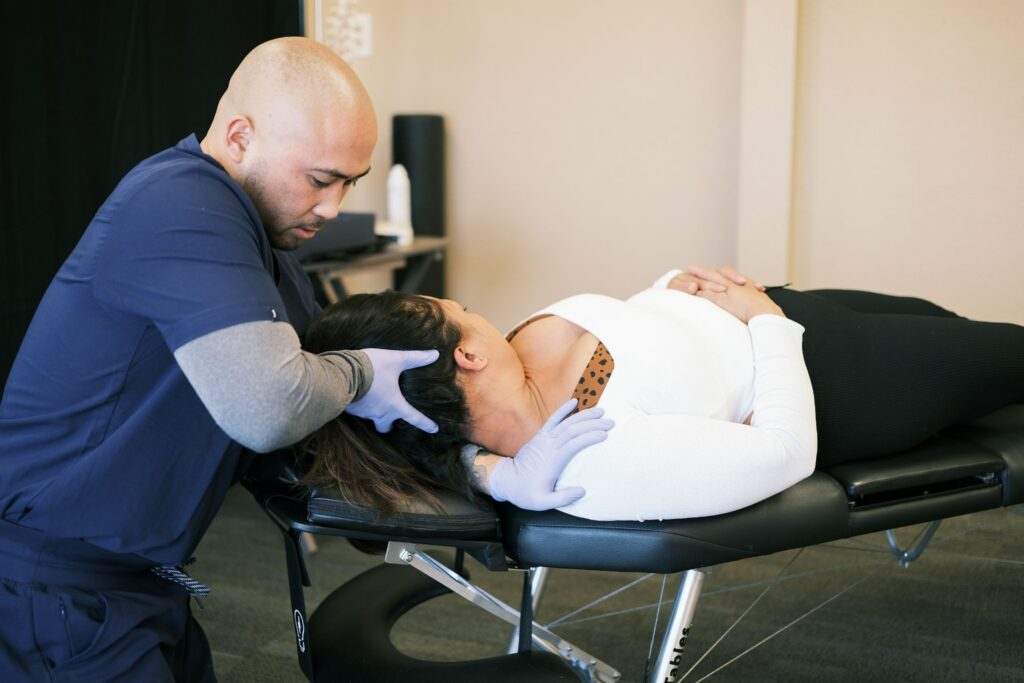

As a local chiropractor, I want to share with you some effective natural techniques for managing pain that you may not be aware of. Many patients are surprised to learn about the range of options available beyond traditional medication. For instance, mindfulness practices can significantly enhance your awareness of bodily sensations, helping you manage discomfort more effectively.
In addition, herbal remedies can be beneficial in targeting inflammation, providing a natural alternative to over-the-counter solutions. Physical therapy and exercise are also essential components of pain management, as they can improve your mobility and overall well-being.
But there are even more methods to consider incorporating into your routine for enhanced relief. Techniques such as spinal adjustments, acupuncture, and nutritional support can all contribute to a holistic approach to pain management. Let’s explore these options together and find the best strategies tailored to your needs.
Mindfulness and Meditation Practices
As your local chiropractor, I understand that many of you may feel overwhelmed by pain on a daily basis. One effective way to manage that discomfort is by incorporating mindfulness and meditation practices into your routine. These techniques not only help you focus on the present moment but also significantly reduce the anxiety and stress that can make your pain feel even worse.
I recommend starting with just a few minutes of deep breathing each day. As you inhale and exhale, imagine the pain gradually fading away with every breath. This simple practice can create a powerful shift in how you experience discomfort.
For those looking for more structured guidance, consider trying guided meditations specifically designed for pain management. These can help you cultivate a more compassionate relationship with your body, helping you to understand and accept your pain rather than resist it.
Additionally, practicing mindfulness in everyday activities such as eating or walking can help redirect your focus away from your discomfort. By engaging more fully in these moments, you may find that you’re better able to enjoy life despite the challenges you face.
Over time, many of my patients notice an increased ability to tolerate discomfort and a greater sense of calm in their lives. Embracing mindfulness and meditation not only aids in pain relief but also enhances your overall well-being, making each day a little easier to navigate.
I encourage you to explore these practices alongside your chiropractic care to achieve the best possible results on your healing journey.
Herbal Remedies and Supplements
As your local chiropractor, I want to share some insights about herbal remedies and supplements that can support your journey toward pain relief and overall wellness. Many of my patients find great benefit from natural options, such as turmeric, which contains curcumin known for its anti-inflammatory properties. This can be particularly helpful for those experiencing discomfort.
Another effective herb is ginger; it has been shown to reduce muscle pain and soreness, making it a great addition to your wellness routine.
If you’re looking for something akin to traditional pain relief, consider willow bark. It’s often compared to aspirin due to its analgesic effects, providing a natural alternative for managing pain.
Incorporating omega-3 fatty acids, typically found in fish oil, can also help decrease inflammation in the body, supporting your overall recovery.
Moreover, for those who struggle with chronic pain, CBD oil has become a popular choice due to its potential to alleviate discomfort without the psychoactive effects associated with THC.
Before you introduce any new supplement into your regimen, I highly recommend consulting with a healthcare professional. This ensures that the remedies you choose align with your individual health needs.
By integrating these natural remedies, you can enhance your pain management strategy, empowering you to take control of your health and well-being.
Physical Therapy and Exercise Techniques
As a local chiropractor, I want to share how incorporating physical therapy and exercise techniques can significantly help in managing pain.
Many patients find that stretching and flexibility exercises are crucial in improving their range of motion, which is essential for daily activities. Additionally, strength training not only builds muscle but also provides essential support for your joints, reducing the risk of injury.
By combining these techniques, we can enhance your overall well-being and alleviate discomfort naturally.
Remember, chiropractic care focuses on treating the root cause of pain, and integrating these approaches can lead to lasting relief.
Let’s work together to create a personalized plan that suits your needs and helps you feel your best!
Stretching and Flexibility Exercises
As a local chiropractor, I want to share with you the importance of incorporating stretching and flexibility exercises into your daily routine for effective pain management.
These exercises can significantly enhance your mobility, alleviate muscle tension, and reduce stiffness, which are common issues many of my patients face.
By regularly engaging in stretching, you can improve your blood circulation, which is vital for healing and can help minimize discomfort in your body.
It’s essential to start with gentle stretches that focus on the areas where you experience tightness or pain. I recommend holding each stretch for 15 to 30 seconds while taking deep breaths to enhance relaxation and effectiveness.
Aim to stretch at least three times a week, but always listen to your body—it’s crucial not to push yourself beyond your limits.
Whether you prefer yoga, Pilates, or simple static stretches, find a method that resonates with you.
With consistent practice, many of my patients have reported significant improvements in their flexibility and overall comfort levels.
Strength Training Essentials
As a local chiropractor, I often emphasize the importance of strength training as a crucial component of pain management and overall physical wellness. Many people may not realize how integral this form of exercise is for improving muscle function, enhancing stability, and alleviating discomfort.
Here are four essential tips I encourage my patients to consider when incorporating strength training into their routines:
- Start Slow: It’s vital to begin with lighter weights or resistance. This approach minimizes the risk of injury, allowing your body to adapt before gradually increasing the intensity of your workouts.
- Focus on Form: Proper technique can’t be overstated. Maintaining the correct form during exercises not only helps prevent injuries but also maximizes the benefits you’ll receive from your strength training efforts.
- Incorporate Variety: To ensure a balanced and engaging routine, mix different exercises that target various muscle groups. This variety not only keeps your workouts interesting but also promotes overall muscle development.
- Rest and Recover: Remember that your muscles need time to recover between sessions. Adequate rest is essential for promoting strength gains and preventing fatigue, enabling you to achieve your fitness goals safely.
By integrating these strength training essentials into your lifestyle, you can experience improved physical health and potentially alleviate pain, enhancing your overall quality of life.
If you have any questions or need guidance on how to get started, feel free to reach out!
Acupuncture and Acupressure
As a local chiropractor, I want to introduce you to two powerful, natural methods for managing pain: acupuncture and acupressure. These techniques tap into your body’s innate healing abilities, offering effective relief without the need for medication.
Acupuncture involves the insertion of fine needles into specific points on your body. This process stimulates energy flow, helping to promote relaxation and reduce pain. While you may feel a slight pinch during the treatment, many patients find the experience to be quite soothing and beneficial.
On the other hand, acupressure applies finger pressure to the same points used in acupuncture. This makes acupressure a convenient option that you can easily practice anywhere, empowering you to manage your pain on your own.
Both acupuncture and acupressure can effectively alleviate headaches, back pain, and joint discomfort. They work by activating your body’s natural pain-relieving hormones, which can lead to long-lasting relief.
The great thing about acupressure is that you don’t need to be a specialist to benefit from it; with just a little guidance, you can take control of your pain management.
I encourage you to consider integrating these practices into your wellness routine. By doing so, you may discover a new path to comfort and well-being that complements your chiropractic care.
Heat and Cold Therapy
As a local chiropractor, I want to share with you some effective methods for pain management that you may not be familiar with: heat and cold therapy. These natural techniques can provide quick relief and help you manage discomfort more effectively.
Here are four key methods to consider:
- Heat Packs: When you apply warmth to an area, it helps to relax tense muscles, increases blood flow, and alleviates pain. This is especially beneficial for chronic muscle tension.
- Cold Compresses: Cold therapy is excellent for reducing swelling and numbing sharp pain, making it ideal for acute injuries, such as sprains or strains. It’s a simple yet effective way to tackle inflammation.
- Contrast Therapy: By alternating between hot and cold treatments, you can enhance circulation and reduce inflammation. This method can be very effective in promoting healing and easing discomfort.
- Warm Baths: Taking a soak in warm water can do wonders for your body. Not only does it soothe sore muscles, but it also helps relieve stress and promotes overall relaxation, contributing to your well-being.
Incorporating these methods into your routine can significantly improve your comfort and support your journey to natural healing.
If you have any questions or need guidance on how to implement these therapies effectively, feel free to reach out!
Nutrition and Dietary Changes
As a local chiropractor, I want to emphasize how important your diet is when it comes to managing pain and enhancing your overall well-being. The foods you choose to nourish your body can significantly impact your health. By incorporating anti-inflammatory foods into your meals, you can’t only alleviate pain but also support your recovery and wellness.
Start by focusing on a variety of fruits and vegetables, particularly berries, leafy greens, and cruciferous vegetables. These foods are packed with antioxidants and essential nutrients that can help combat inflammation.
Healthy fats, such as those found in avocados, olive oil, and fatty fish, are also beneficial for reducing inflammation and promoting joint health. I recommend adding spices like turmeric and ginger to your dishes, as they possess natural anti-inflammatory properties that can further assist in pain management.
Conversely, it’s wise to limit your intake of processed foods, sugar, and excessive salt, as these can actually worsen pain and inflammation. Staying well-hydrated is equally important; drinking plenty of water helps your body function properly and aids in flushing out toxins.
By making these dietary changes, you’ll not only find that you can manage pain more effectively but also enhance your overall health and well-being.
Conclusion
As a local chiropractor, I want to share with you how incorporating natural techniques for pain management can significantly enhance your overall well-being. Many of my patients have found relief through practices such as mindfulness and meditation, which can help you manage stress and pain more effectively.
Herbal remedies are another excellent option that can complement your healing journey. Additionally, engaging in physical therapy can help strengthen your body and improve mobility, making it easier to manage discomfort holistically.
Don’t underestimate the power of heat and cold therapy, which can provide immediate relief and support your recovery process. Nutrition and dietary changes also play a vital role in your body’s healing capabilities, so it’s essential to be mindful of what you eat.
By embracing these natural approaches, you can take an active role in your health and well-being. Together, we’ll work towards finding the relief you seek and enhancing your quality of life through chiropractic care and holistic practices.