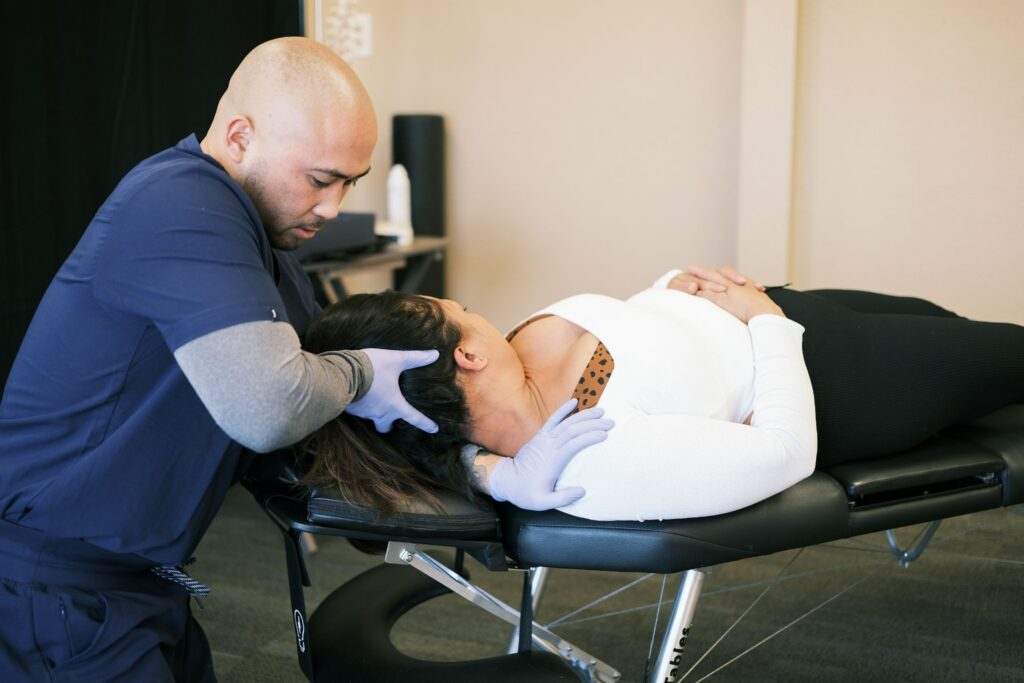

As a local chiropractor, I understand that many of you may be dealing with back pain that disrupts your daily life. You’re not alone in this struggle; countless individuals experience similar discomfort. The good news is that there are natural solutions available to help you find relief.
Chiropractic care focuses on identifying the root causes of your pain and providing gentle adjustments and lifestyle recommendations to improve your back health. By making simple changes to your daily routine and incorporating chiropractic techniques, you can effectively manage your pain and enhance your overall well-being.
Let’s work together to explore effective strategies that can transform your approach to back pain. Are you ready to take the first step toward a healthier back?
Understanding the Causes of Back Pain
As a local chiropractor, I want to help you understand the various causes of back pain, which is a common issue many people face at some point in their lives.
It’s important to recognize that back pain can stem from multiple sources. For instance, improper lifting techniques, muscle strains, or injuries can all lead to discomfort in your back. Additionally, if you lead a sedentary lifestyle, you might be at a higher risk due to weakened muscles and decreased flexibility.
There are also specific conditions that can contribute to back pain, such as arthritis or herniated discs. Another factor that often goes unnoticed is stress; it can cause muscle tension, making your existing pain feel worse.
Believe it or not, even the way you sleep can significantly affect your back health. Misalignment during sleep can lead to discomfort and exacerbate any underlying issues.
As your chiropractor, I encourage you to consider these factors and how they may relate to your own experiences. Understanding the root causes of your back pain is a crucial step toward finding effective, natural healing solutions tailored to your needs.
The Importance of Posture in Back Health
As a local chiropractor, I want to emphasize how crucial your posture is for maintaining a healthy back. Many people underestimate the impact of poor alignment, which can lead to discomfort and even chronic issues over time.
By creating an ergonomic workstation and focusing on strengthening your core muscles, you can significantly enhance your posture. These simple adjustments can lead to a noticeable improvement in your daily life.
Let’s dive into how these changes can support your overall well-being and help you avoid potential back problems. Remember, good posture isn’t just about looking confident; it’s about nurturing your spine and ensuring long-term health.
Effects of Poor Posture
As a local chiropractor, I want to shed light on the importance of maintaining proper posture for your overall health. When you find yourself slouching or hunching over, it places excessive strain on your back, which can lead to significant discomfort and long-term health issues.
Poor posture compresses your spine, potentially causing pain that radiates through your neck and shoulders. You may not realize it, but this misalignment can also lead to increased fatigue and difficulty concentrating, as your body struggles to support itself correctly.
Over time, these issues can create muscle imbalances, making it challenging to stay active and engaged in your daily life. Unfortunately, this can lead to a higher risk of injuries or chronic pain conditions.
The good news is that by becoming more aware of your posture and making small adjustments, you can alleviate some of this strain. As a chiropractor, I emphasize that good posture isn’t just about back health; it plays a vital role in your overall well-being.
Ergonomic Workstation Setup
As a local chiropractor, I want to emphasize how an ergonomic workstation setup can significantly improve your back health. Many people underestimate the impact of proper posture on their overall well-being, but making a few adjustments to your workspace can lead to a substantial reduction in back pain and discomfort.
Let’s start with your chair. It’s essential that it supports your lower back, allowing your feet to rest flat on the floor. This support helps maintain the natural curve of your spine.
Next, consider your desk height—ideally, your elbows should be at a 90-degree angle while typing. This positioning not only promotes comfort but also prevents strain on your back and neck.
Your monitor placement is equally important; it should be at eye level to avoid unnecessary neck strain. If you find yourself slouching or leaning forward, it may be time to reassess your setup. A footrest can also be beneficial if your feet don’t touch the ground comfortably.
Additionally, I recommend considering a sit-stand desk. Alternating between sitting and standing throughout the day can alleviate pressure on your spine and encourage better posture.
Lastly, don’t forget to take regular breaks to stretch and move around. Simple movements can significantly enhance your comfort and overall health.
Strengthening Core Muscles
As a chiropractor, I often emphasize the importance of an ergonomic workstation setup, which serves as a solid foundation for good posture. However, it’s equally crucial to strengthen your core muscles to maintain that posture throughout your daily activities.
A strong core plays a vital role in supporting your spine, allowing you to sit or stand without slouching, which can prevent discomfort and pain. To build that strength, consider incorporating exercises like planks, bridges, and targeted abdominal workouts into your routine.
Even simple actions, such as consciously engaging your core while sitting, can have a significant impact on your overall posture. It’s important to remember that achieving good posture isn’t just about formal exercise; it’s about being aware of your body and how you carry it throughout the day.
By focusing on maintaining proper posture during everyday tasks, you can reduce strain on your back and promote better spinal health. Prioritizing core strength won’t only make it easier to maintain proper posture but also help in reducing back pain over time.
If you have any questions about how to improve your posture or strengthen your core, feel free to reach out for guidance. Your spine will thank you!
Gentle Exercises and Stretches for Relief
As a local chiropractor, I want to share with you how gentle exercises and stretches can significantly alleviate back pain.
Many of my patients have found that focusing on effective stretching techniques and strengthening their core muscles not only brings immediate relief but also plays a crucial role in preventing future discomfort.
By incorporating these simple movements into your daily routine, you can take an active role in your healing process and overall well-being.
Let’s explore some easy exercises that can help you feel better and support your spine health.
Effective Stretching Techniques
As a local chiropractor, I understand that back pain can be a daunting experience for many. However, I want to share that incorporating effective stretching techniques into your daily routine can offer significant relief.
Start with gentle stretches like the cat-cow pose, which is excellent for enhancing the flexibility of your spine. The child’s pose is another fantastic option, as it allows you to gently elongate your back, promoting relaxation.
I also recommend trying the seated forward fold. This stretch is beneficial because it targets your hamstrings and lower back, helping to alleviate tension. Aim to hold each of these stretches for 15-30 seconds while focusing on deep, calming breaths to enhance your relaxation experience.
In addition to these, side stretches can also play a crucial role in improving your overall mobility. It’s essential to listen to your body during these exercises—if you feel any discomfort or if something seems too intense, don’t hesitate to ease off.
With consistent practice of these stretches, you may find that they help alleviate your discomfort and support a healthier back. Remember, natural healing through movement is a vital part of maintaining your well-being!
Strengthening Core Muscles
As a local chiropractor, I want to emphasize the importance of strengthening your core muscles, not just for alleviating back pain, but also for enhancing your overall stability and well-being.
A robust core plays a crucial role in supporting your spine, which in turn can significantly reduce the strain on your back.
To get started, I recommend incorporating simple yet effective exercises into your routine, such as planks and bridges.
For planks, position your body in a straight line from head to heels, making sure to engage your abdominal muscles throughout the duration.
For bridges, lie on your back with your knees bent, and lift your hips towards the ceiling to form a straight line from your shoulders to your knees.
Additionally, gentle stretches like the cat-cow stretch can help improve flexibility, which is vital for maintaining a healthy spine.
As you practice these exercises, remember to breathe deeply and focus on maintaining proper form.
Consistency is key! With regular practice, you’ll likely notice improved strength and a reduction in discomfort over time.
Always listen to your body, and if you ever experience pain during any exercise, don’t hesitate to reach out for professional guidance.
Together, we can work towards a healthier, pain-free life through natural healing methods.
The Role of Mindfulness and Meditation
As a local chiropractor, I want to emphasize that while back pain is commonly linked to physical issues, incorporating mindfulness and meditation into your daily routine can significantly improve your overall well-being.
These practices are essential for helping you become more in tune with your body and its sensations, enabling you to identify tension and discomfort before they escalate into more serious problems.
By focusing on your breath and being fully present, you can effectively reduce stress and encourage relaxation, which may ease some of the pain you’re experiencing.
Meditation can also assist you in releasing negative thoughts and emotions associated with your back pain. This positive shift in your mindset can enhance your resilience, making it easier to manage discomfort.
Moreover, mindfulness promotes better posture and movement awareness, which is crucial for avoiding positions that might worsen your pain.
I encourage you to take just a few minutes each day to practice mindfulness or meditation.
The benefits can be profound, creating a ripple effect that enhances both your emotional and physical health.
This holistic approach can play a vital role in your journey toward a pain-free and healthier life.
Dietary Changes to Support Spine Health
As your local chiropractor, I want to share some important insights on how you can support your spine health through dietary changes.
One effective approach is to incorporate anti-inflammatory foods into your meals. These foods play a crucial role in reducing discomfort and promoting healing in your body.
In addition to focusing on anti-inflammatory options, it’s essential to ensure you’re getting the right nutrients that are vital for maintaining a strong and healthy spine.
This can include foods rich in calcium, magnesium, and omega-3 fatty acids, which contribute to overall spine wellness.
By making these dietary adjustments, you can complement your chiropractic care and enhance your body’s natural healing abilities.
Let’s work together to create a healthier spine!
Anti-Inflammatory Foods
As a chiropractor, I want to share with you the incredible benefits of incorporating anti-inflammatory foods into your diet—not just for overall health, but specifically for supporting your spine health.
These foods play a crucial role in reducing inflammation and can help alleviate back pain, positively impacting your overall wellbeing. Plus, adding these options to your meals can be both nutritious and delicious!
Here are some fantastic anti-inflammatory foods I encourage you to consider:
- Fatty fish like salmon and mackerel are excellent sources of omega-3 fatty acids, which are known for their anti-inflammatory properties and can promote spinal health.
- Berries such as blueberries and strawberries are packed with antioxidants that combat inflammation and support your body’s healing processes.
- Leafy greens like spinach and kale are loaded with essential vitamins and minerals that not only nourish your body but also help reduce inflammation.
By integrating these foods into your daily diet, you’re not just making healthier choices; you’re also taking proactive steps towards better spinal health and overall wellness.
Let’s work together to create a lifestyle that supports your body naturally!
Essential Nutrients for Healing
As a local chiropractor, I want to emphasize how crucial it’s to understand the essential nutrients your body needs for optimal spine health and overall healing. One of the best places to start is with calcium and vitamin D. These nutrients are vital for strengthening your bones and ensuring your spine maintains its structural integrity.
Incorporating omega-3 fatty acids into your diet, found in foods like fish and flaxseeds, can significantly reduce inflammation and promote healing, which is particularly beneficial for your spine.
Additionally, don’t forget about magnesium; this mineral plays a key role in relaxing your muscles and supporting nerve function, both of which are essential for maintaining a healthy back.
Antioxidants, such as vitamins C and E, are also important. They help protect your cells from damage and support recovery processes.
Lastly, consider adding collagen-rich foods, like bone broth, to your meals. Collagen is known to enhance tissue repair, which can be particularly helpful if you’re recovering from an injury.
By making these dietary adjustments, you can create a nurturing environment for healing and significantly improve your spine health. I encourage you to prioritize these essential nutrients, as you may notice a positive shift in your overall well-being.
Herbal Remedies and Natural Supplements
As a local chiropractor, I often see patients seeking natural ways to alleviate back pain. Many individuals find relief through herbal remedies and natural supplements, which can be effective alternatives to pharmaceuticals that may carry unwanted side effects.
If you’re curious about these options, here are a few that I frequently recommend:
- Turmeric: This vibrant spice is well-known for its powerful anti-inflammatory properties. Incorporating turmeric into your diet may help reduce pain and swelling in your back.
- Willow Bark: Often dubbed nature’s aspirin, willow bark has been traditionally used to relieve pain and discomfort. It’s a natural option that many people find beneficial.
- Devil’s Claw: This herb has a long history of use for treating pain and inflammation, particularly in the back and joints. It may provide some much-needed relief.
However, before you start any herbal remedy or supplement, it’s essential to consult with a healthcare professional, such as myself.
I can help guide you on the appropriate dosages and ensure that these natural solutions won’t interfere with any medications or treatments you may currently be undergoing.
Exploring these options could lead you to the relief you’ve been searching for, complementing the chiropractic care I provide to improve your overall spinal health and well-being.
The Benefits of Hot and Cold Therapy
As your local chiropractor, I want to share with you the significant benefits of hot and cold therapy in managing back pain, especially if you’re new to chiropractic care and natural healing.
Many patients find that incorporating these methods into their routine can greatly enhance their recovery process.
Let’s start with heat therapy. Applying heat to your back can promote blood circulation, relax tense muscles, and alleviate stiffness.
Simple tools like a warm towel, a heating pad, or even a soothing hot bath can provide immediate relief, particularly after a long day of physical activity.
I often recommend using heat for about 15-20 minutes to experience noticeable comfort.
On the flip side, cold therapy can be incredibly effective in reducing inflammation and numbing sharp pain.
Ice packs or cold compresses are especially beneficial for managing acute back pain, particularly following an injury.
Just be sure to wrap the ice in a cloth to protect your skin from frostbite.
For many patients, alternating between hot and cold therapy yields the best results.
This combination harnesses the unique benefits of both methods, allowing you to ease discomfort while promoting overall well-being.
Embracing these simple yet effective techniques can be a valuable addition to your chiropractic care journey.
Exploring Acupuncture and Chiropractic Care
As a local chiropractor, I often encounter patients who are curious about how acupuncture can complement chiropractic care, especially when it comes to managing back pain.
It’s important to understand how these two therapies can work together to create a more holistic approach to your health and well-being.
Chiropractic adjustments focus on realigning your spine and enhancing your overall physical function. On the other hand, acupuncture works by targeting specific points in your body to relieve pain and promote healing.
When combined, these therapies can offer a powerful solution to your discomfort.
Here are some benefits of integrating acupuncture with chiropractic care:
- Enhanced Pain Relief: Acupuncture can help reduce inflammation and muscle tension, which can make chiropractic adjustments more effective and provide quicker relief.
- Improved Mobility: Engaging in both chiropractic and acupuncture treatments regularly can significantly enhance your range of motion and flexibility—crucial for performing daily activities without pain.
- Stress Reduction: The calming effects of acupuncture can help you unwind, allowing your body to be more receptive to chiropractic adjustments and enhancing the overall effectiveness of your treatment.
I encourage you to consider this integrated approach to your health.
Together, acupuncture and chiropractic care could lead you to a more balanced, pain-free life.
If you have any questions or would like to learn more, feel free to reach out.
Your journey to wellness starts here!
The Power of Restorative Sleep for Healing
As a local chiropractor, I want to share with you how acupuncture and chiropractic care can play a vital role in your overall health and healing journey. One aspect that’s often overlooked but incredibly important is the role of restorative sleep. Quality sleep is essential for your body’s repair processes. It helps to reduce inflammation, allows your muscles to relax, and supports your overall recovery.
When you get a good night’s sleep, your brain works hard to consolidate memories and regulate hormones that influence how we experience pain. This means that restorative sleep can significantly impact your pain levels and overall well-being.
To improve your sleep quality, I recommend establishing a calming bedtime routine. Try to limit screen time before bed and engage in relaxing activities such as reading or gentle stretching.
Creating a comfortable sleep environment is also crucial—make sure your bedroom is cool, dark, and inviting. Investing in a supportive mattress tailored to your unique needs can make a world of difference.
If you struggle with falling asleep, consider trying natural remedies like herbal teas or aromatherapy to help ease you into restful slumber.
Tips for Long-Term Back Pain Prevention
As a local chiropractor, I want to emphasize the importance of integrating healthy habits into your everyday life to prevent long-term back pain. It may be easy to overlook the small things, but the way you live your life can have a profound impact on your spinal health.
Here are some key tips to consider:
- Practice good posture: Whether you’re sitting at your desk, standing in line, or lifting groceries, it’s crucial to keep your spine in proper alignment. This simple adjustment can greatly reduce the strain on your back.
- Stay active: Engaging in regular physical activity is vital for strengthening your back and core muscles. Activities such as walking, swimming, or yoga not only enhance your overall fitness but also provide the support your spine needs.
- Be mindful of your weight: Carrying excess weight can put additional stress on your back. By maintaining a healthy weight through a balanced diet and consistent exercise, you can help alleviate some of that strain and improve your overall well-being.
By adopting these habits, you can significantly contribute to your long-term back health.
Conclusion
As a local chiropractor, I want to share how incorporating natural solutions for back pain can significantly enhance your quality of life. Many people are unaware of how their body functions and the impact of simple adjustments in their daily habits. By focusing on improving your posture, engaging in gentle exercises, and practicing mindfulness, you can experience much-needed relief from discomfort.
It’s also essential to pay attention to your diet and ensure you’re getting restorative sleep, as these factors are vital to your healing process. I encourage you to consider holistic approaches like acupuncture and chiropractic care. These methods not only address pain but also promote overall wellness. By following these strategies, you can take proactive steps toward achieving a healthier, pain-free back. Let’s work together to empower you on your journey to better health!