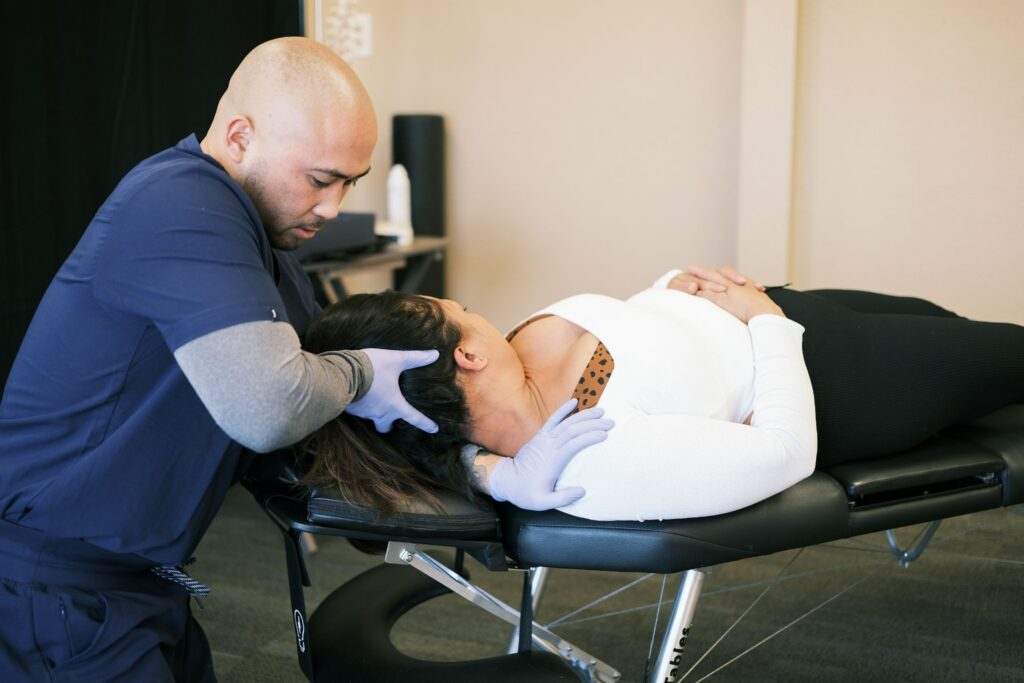

If you’re dealing with chronic back pain, you may realize that relying on just one treatment method often falls short. As a local chiropractor, I want to emphasize the benefits of combining different therapies to create a comprehensive approach to your pain relief. Techniques such as chiropractic adjustments, massage therapy, acupuncture, and guided exercises can work together to address the various components of your discomfort. Each of these therapies has a unique role in promoting healing and improving your mobility. By integrating these methods, not only can we effectively target your pain, but we can also enhance your overall well-being. Let’s explore the best combination of treatments tailored specifically to your needs!
Understanding Chronic Back Pain
Chronic back pain can often feel like an unwelcome companion, impacting your everyday life and overall well-being. It goes beyond mere discomfort; it can restrict your mobility and affect your emotional state. You may find that even simple tasks, like bending down to tie your shoes or lifting a grocery bag, turn into significant challenges.
As a chiropractor, I believe it’s crucial to understand the nature of your back pain. It can originate from various sources, including muscle strain, herniated discs, or poor posture. Identifying the root cause is vital for effective treatment and recovery. You may notice that your pain varies, becoming more intense after certain activities, which can be quite frustrating.
Taking proactive steps toward your back health can truly make a difference. Incorporating gentle exercises, maintaining good posture, and staying active are all strategies that can help alleviate discomfort.
The Importance of a Holistic Approach
As a local chiropractor, I want to emphasize that finding relief from back pain often involves more than just treating the physical symptoms. It’s important to consider your overall well-being, as various factors such as stress, emotional health, and lifestyle choices significantly influence your pain experience.
When we adopt a holistic approach, we look at the entire picture rather than just focusing on the discomfort in your back. Incorporating practices like mindfulness, regular exercise, and proper nutrition can greatly enhance your healing journey.
For example, engaging in consistent physical activity helps strengthen your muscles and improve flexibility, which is crucial for spinal health. Additionally, maintaining a balanced diet can support your body’s recovery processes and overall vitality.
Managing stress is another essential aspect of this holistic approach. Techniques such as meditation can help reduce tension that may worsen your pain. By integrating these elements into your daily life, you’re not merely addressing the symptoms; you’re fostering long-term wellness.
As your chiropractor, I encourage you to take an active role in your recovery. By embracing a holistic approach, you build resilience and improve your quality of life, paving the way for a healthier, pain-free future.
Massage Therapy: Tension Relief and Relaxation
As a local chiropractor, I want to share with you the valuable role that massage therapy can play in your journey toward relieving back pain. When integrated into your pain relief plan, massage therapy provides remarkable tension relief and promotes relaxation. This hands-on technique specifically targets tight muscles and knots, alleviating discomfort and enhancing your mobility. You may notice that you can move more freely throughout your day as a result.
One of the key benefits of massage therapy is its ability to enhance blood circulation. This nourishment not only promotes healing for sore muscles but can also be particularly beneficial for those experiencing chronic pain.
Furthermore, the calming nature of massage helps to reduce stress levels, allowing both your body and mind to unwind. After each session, many of my patients report a decrease in muscle stiffness and a greater overall sense of well-being.
To truly maximize the benefits of massage therapy, I encourage you to consider combining it with other treatments, such as stretching or strengthening exercises. This holistic approach can contribute to more enduring relief from pain.
I invite you to treat yourself to regular massages as part of your wellness routine and experience the profound impact they can have on your back pain and overall health. Remember, chiropractic care and natural healing work hand in hand to support your journey to wellness.
Acupuncture: Balancing Energy and Reducing Pain
As a local chiropractor, I want to share with you the benefits of acupuncture as a complementary approach to alleviating back pain. This ancient practice focuses on balancing your body’s energy and promoting natural healing. By using thin needles to stimulate specific points on your body, acupuncture can help restore harmony and reduce discomfort.
Here are some key advantages of incorporating acupuncture into your back pain relief strategy:
- Pain Reduction: Acupuncture can significantly lower your pain levels by triggering the release of endorphins, your body’s natural painkillers.
- Improved Circulation: By enhancing blood flow, acupuncture promotes healing and ensures that essential nutrients reach the areas in need.
- Stress Relief: This practice is effective in reducing stress, which often leads to muscle tension, further exacerbating your pain.
- Holistic Approach: Unlike traditional methods that may focus solely on the symptoms, acupuncture looks at the underlying imbalances in your body, treating the root cause of your discomfort.
By understanding how acupuncture can work alongside chiropractic care, you can take a more comprehensive approach to your health and well-being.
If you’re curious about how these natural healing methods can benefit you, I encourage you to explore them further.
Guided Exercises: Strengthening and Flexibility
As a local chiropractor, I want to share how incorporating guided exercises into your routine can significantly enhance your efforts to relieve back pain. These exercises, which focus on strengthening and flexibility, are vital in supporting your spine and improving your overall posture. By specifically targeting key muscle groups, you can build strength in your core, back, and pelvis, which in turn alleviates strain on your back.
Begin with gentle stretches to enhance your flexibility. This will allow your muscles to relax and help reduce tension in your body. As you become more comfortable, we can gradually introduce strength training exercises, such as planks and bridges.
These exercises are designed to stabilize your spine and promote better alignment. Working with me ensures that you’re using the correct form, which is crucial for preventing further injury.
I recommend practicing these exercises several times a week while listening to your body and making adjustments as needed. As you engage in these activities, you’ll likely experience improved mobility and reduced pain.
This empowerment will allow you to enjoy your daily activities with greater ease and confidence. Remember, my goal is to guide you towards a healthier and pain-free lifestyle through natural healing methods.
Mindfulness and Stress Reduction Techniques
As a local chiropractor, I want to share with you the importance of mindfulness and stress reduction techniques in managing back pain.
Many of my patients are surprised to learn that practicing mindfulness meditation and targeted breathing exercises can significantly alleviate stress and promote relaxation, which are crucial for healing your body.
Incorporating these strategies into your daily routine can complement chiropractic care and enhance your overall well-being.
By reducing stress levels, you not only support your physical health but also create a more conducive environment for your body to heal.
Let’s talk about how these techniques can work alongside chiropractic adjustments to help you feel your best.
Mindfulness Meditation Benefits
As a local chiropractor, I want to share some insights into how mindfulness meditation can be a beneficial complement to your chiropractic care, especially if you’re dealing with back pain.
While many people turn to physical treatments for relief, incorporating mindfulness meditation into your routine can significantly enhance your overall well-being and help manage stress, which is often a contributing factor to pain.
Here are some key benefits of mindfulness meditation that I encourage my patients to consider:
- Reduced stress levels: By lowering your stress, you can alleviate muscle tension that may be exacerbating your back pain. Stress management is an essential part of the healing process.
- Enhanced emotional resilience: Mindfulness fosters greater awareness, allowing you to approach pain with a sense of calm rather than anxiety. This shift in mindset can make a notable difference in how you experience discomfort.
- Improved focus: Engaging in regular mindfulness practice can sharpen your concentration. This heightened focus can make it easier for you to participate in other therapeutic activities, such as exercises I may recommend during your chiropractic visits.
- Greater self-acceptance: Embracing your current condition with mindfulness can promote a more positive relationship with your body, which is crucial for your healing journey.
Integrating mindfulness meditation into your pain relief strategy can be a valuable addition to the chiropractic care I provide.
Together, we can work towards not just alleviating your pain, but also enhancing your overall quality of life.
Breathing Exercises for Relief
As a chiropractor, I often emphasize the importance of breathing exercises as a natural approach to relieving back pain and managing stress effectively. Many patients may not realize that by focusing on your breath, you can enhance your overall well-being and cultivate mindfulness, which helps to reduce tension in your body.
To get started, find a comfortable position—whether sitting or lying down. Take a deep breath in through your nose, allowing your belly to expand fully, and then exhale slowly through your mouth. Repeat this process for several minutes, allowing your mind to quiet and your body to relax. You might notice that with each breath, your muscles begin to loosen and any discomfort can lessen.
Incorporating these breathing exercises into your daily routine can provide immediate relief from pain while also building your resilience against future stressors.
With regular practice, you’ll find it easier to approach life’s challenges with a calmer mindset. As part of your chiropractic care, I encourage you to explore these techniques to promote a holistic approach to your health and healing.
Stress Management Strategies
As your local chiropractor, I want to emphasize how crucial effective stress management is for alleviating back pain and enhancing your overall well-being. Many patients may not realize that stress can lead to muscle tension, which often exacerbates discomfort.
By learning to manage stress, you can promote relaxation and significantly ease your pain. Here are some valuable strategies that I encourage you to incorporate into your daily routine:
- Mindfulness Meditation: This practice involves being present in the moment and focusing on your breath. It can help calm your mind and reduce anxiety, which in turn can alleviate tension in your back.
- Progressive Muscle Relaxation: This technique involves systematically tensing and relaxing different muscle groups in your body. It’s a great way to release physical tension and can be particularly beneficial for those suffering from chronic back pain.
- Yoga and Stretching: Engaging in slow, deliberate movements through yoga or simple stretching exercises can enhance your flexibility and significantly reduce stress. These practices not only help in easing pain but also improve your overall posture.
- Deep Breathing Techniques: Taking deep, slow breaths activates your body’s relaxation response. This can be a powerful tool for managing stress and can contribute to a reduction in muscle tension.
By incorporating these strategies into your life, you can support your chiropractic care and promote a healthier, more relaxed body.
Creating Your Personalized Therapy Plan
As your local chiropractor, I want to help you understand how to create a personalized therapy plan that suits your unique needs.
Begin by assessing your pain levels; this will give you a clearer picture of the challenges you’re facing. It’s important to recognize that chiropractic care can be a significant part of your healing journey, so I encourage you to explore various therapies that align with your lifestyle.
By combining chiropractic adjustments, physical therapy, and perhaps even lifestyle changes, we can work together toward your recovery.
Lastly, let’s set achievable goals that will keep you motivated and moving forward on the path to relief.
Assessing Your Pain Level
As a local Chiropractor, I want to help you understand how to accurately assess your pain level, which is crucial for creating a personalized therapy plan tailored to your needs. Understanding your pain is key to effective treatment, and I encourage you to start by keeping a pain diary. In it, you should note when your pain occurs, its intensity, and any activities that may be triggering it.
To quantify your experience, use a scale from 1 to 10, where 1 is minimal discomfort and 10 is the worst pain imaginable. This scale can significantly enhance our communication, allowing us to work together more effectively on your healing journey.
Here are some additional steps to consider:
- Identify any specific triggers or patterns related to your pain. This insight can guide us in addressing the root cause of your discomfort.
- Reflect on how your pain impacts your daily activities. Understanding this can help us tailor our chiropractic adjustments and therapies to improve your quality of life.
- Think about any previous treatments you’ve had and how effective they were. This information can help us determine what might work best for you moving forward.
- Lastly, don’t forget to share any emotional and mental impacts related to your pain. Pain can take a toll on your overall well-being, and addressing these aspects can be an important part of your healing process.
Together, we can create a comprehensive approach to your pain management that focuses on natural healing and promoting your overall health.
Integrating Multiple Therapies
As a local chiropractor, I understand that the idea of integrating multiple therapies for back pain relief can feel a bit daunting. However, it’s a crucial component of developing a personalized therapy plan that truly works for you.
I encourage you to explore various therapies that may resonate with your needs, including chiropractic care, physical therapy, or acupuncture.
It’s also beneficial to combine these treatments with lifestyle adjustments, such as regular exercise and nutritious eating habits, to amplify your healing journey. Mindfulness practices like yoga or meditation can further enhance your experience by helping you manage stress and promoting relaxation.
I recommend keeping a journal of what works best for you and being open to modifying your plan as you progress.
It’s vital to maintain open communication with your healthcare provider—together, we can ensure a comprehensive approach to your care. Our ultimate goal is to create a well-rounded regimen that caters to your specific needs, leading you toward lasting relief and an improved quality of life.
Setting Realistic Goals
As you begin your journey towards alleviating back pain, it’s important to set realistic goals that will guide your personalized therapy plan. Understanding your current condition and pinpointing specific areas of discomfort or limitation is crucial. This assessment will enable you to establish attainable targets that can inspire you and help you monitor your progress effectively.
Here are some essential points to consider when setting your goals:
- Short-term vs. long-term: Focus on achieving immediate relief while also striving for sustained improvements in your overall well-being over time.
- Measurable outcomes: Clearly define what success means for you, such as experiencing less pain or being able to move more freely.
- Flexibility: Be ready to adapt your goals as you progress and learn from your experiences throughout treatment.
- Support system: Involve healthcare professionals, like myself, and your loved ones to keep you motivated and accountable on this healing journey.
Tracking Progress and Adjusting Your Approach
As a local chiropractor, I want to emphasize the importance of tracking your progress when managing back pain and being open to adjusting your approach based on your experiences.
One effective way to do this is by maintaining a daily journal where you note your pain levels, activities, and any treatments you’ve undergone. This practice will help you identify patterns and triggers that may affect your discomfort.
After a few weeks of documenting, take some time to review your entries. Are there certain activities that seem to exacerbate your pain? Is there a specific therapy or technique that appears to provide relief? This information is invaluable for making informed adjustments to your treatment plan.
I encourage you to share your findings with me during our sessions. By collaborating, we can explore new strategies and personalized approaches that align with your unique situation.
Conclusion
As your local chiropractor, I want to help you understand how combining various therapies can effectively alleviate your back pain and promote lasting relief. By integrating treatments like chiropractic adjustments, massage therapy, acupuncture, and guided exercises, we can address your pain from multiple angles while also enhancing your overall wellness.
It’s important to remember that managing stress plays a crucial role in your recovery as well. Incorporating mindfulness techniques can help you stay calm and focused during your healing journey. Together, we can create a personalized therapy plan tailored to your unique needs, and I encourage you to track your progress along the way.
Keep in mind that everyone’s journey to recovery is different. Patience is key, and it’s perfectly normal to adjust your approach as you discover what works best for you. I’m here to guide you every step of the way toward a healthier, pain-free life.