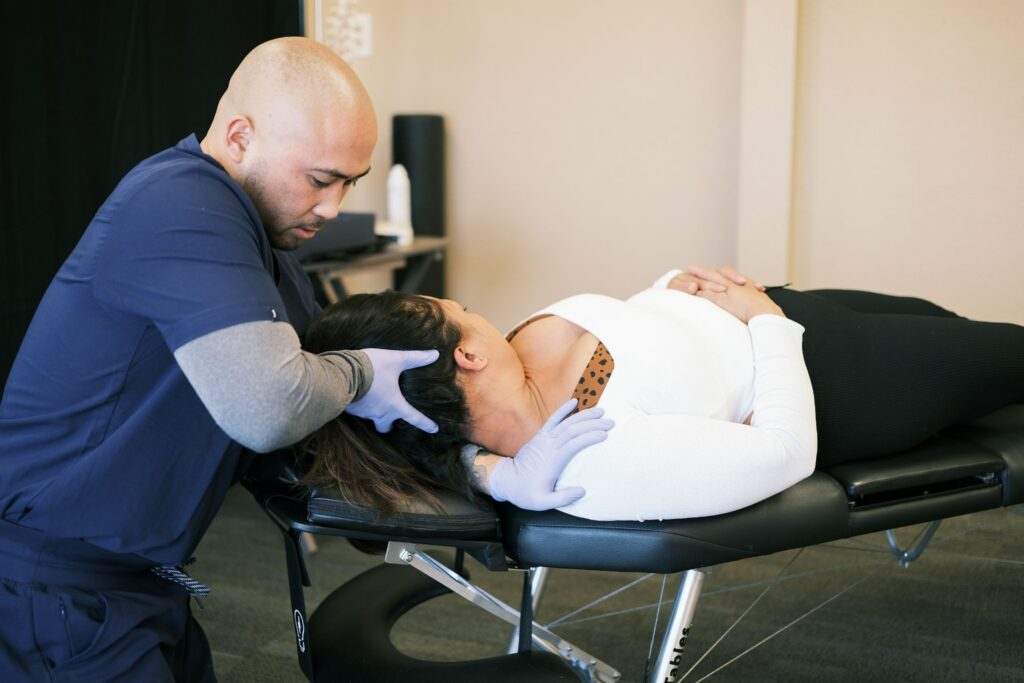

As a local chiropractor, I want to share some insights on how you can boost your flexibility through effective care solutions that align with your everyday life. It's important to understand that flexibility isn't just about stretching; it involves a comprehensive approach that includes both dynamic and static stretches, as well as proper nutrition to support your body's needs.
Incorporating a tailored routine can significantly enhance your physical performance and help prevent injuries. But the benefits extend beyond the physical realm; improving your flexibility can also foster greater mental resilience and well-being.
If you're curious about specific techniques and dietary adjustments that can help you achieve optimal results, I'm here to help. Together, we can explore natural healing methods and chiropractic care strategies that can truly make a difference in your flexibility and overall health. Let's work towards a healthier, more flexible you!
Understanding Flexibility
Understanding flexibility is crucial for thriving in today's fast-paced world, and as a chiropractor, I want to emphasize how it also relates to your overall health and well-being. You mightn't realize it, but flexibility plays a significant role in various aspects of your life, including your physical health, personal relationships, and workplace dynamics.
In chiropractic care, flexibility refers not only to the physical ability to move but also to the mental adaptability that allows you to manage changes, whether that's dealing with a busy schedule, integrating new wellness practices, or coping with unexpected health challenges.
When you prioritize flexibility in your life, you develop resilience. This resilience helps you bounce back from setbacks, whether they're physical injuries or other life obstacles, and maintain your focus on your health goals. As a chiropractor, I see firsthand how patients who embrace this mindset tend to recover faster and maintain better overall health.
Flexibility isn't just about being physically limber; it's also about cultivating a mindset that welcomes new ideas and approaches to health. This means being open to adjusting your routine, incorporating new treatments, or exploring natural healing methods.
When you embrace flexibility in your health journey, you enhance your problem-solving skills. Rather than feeling overwhelmed by discomfort or health issues, you can think creatively about alternative solutions, which may include chiropractic adjustments, exercise, or lifestyle changes.
In your daily life, practicing flexibility can involve reassessing your health priorities when challenges arise. It's essential to evaluate what's crucial for your well-being and what can be modified to better serve you. This skill not only helps in managing stress but also enhances your sense of control over your health.
You may find that by being flexible, you create opportunities for personal growth and healing, both physically and mentally. Ultimately, understanding flexibility is about recognizing that change is a constant part of life.
Embracing this concept allows you to navigate your health journey with greater ease and confidence. As your chiropractor, I'm here to support you in this process and help you harness the power of flexibility for a healthier, more balanced life.
Benefits of Increased Flexibility
As a local Chiropractor, I want to share with you the incredible benefits of increased flexibility for your overall health and wellness.
When your body has greater flexibility, it can significantly enhance your physical performance. You'll find that your movements become smoother and more efficient, which can lead to a more active lifestyle.
But it's not just about physical performance; increased flexibility is also vital for your mental well-being. Many of my patients report feeling more relaxed and focused when they incorporate flexibility training into their routine.
This connection between body and mind is essential for achieving a balanced state of health.
Moreover, improving your flexibility can play a crucial role in reducing your risk of injury. It helps keep your muscles and joints functioning optimally, allowing you to stay active and injury-free for longer periods.
As your Chiropractor, I encourage you to explore ways to enhance your flexibility as part of a holistic approach to your health. Together, we can work towards a healthier, more flexible you!
Enhanced Physical Performance
As a local chiropractor, I want to share with you an essential aspect of enhancing your physical performance: flexibility. Many people aren't aware that flexibility plays a crucial role in how our muscles and joints function. When you have greater flexibility, your body can move more freely, which allows for more efficient and powerful movements, whether you're running, lifting weights, or engaging in sports activities.
One of the remarkable benefits of improved flexibility is quicker muscle recovery and reduced soreness after intense workouts. This means that with proper flexibility, you can train harder and more often without the constant worry of injury. Flexible muscles are better equipped to absorb shock, which significantly lowers the risk of strains and sprains during physical activities.
Additionally, increased flexibility helps maintain proper posture and body alignment. Good posture is vital for balance and stability, both of which are key components for optimal performance in any physical endeavor. Whether you're at the gym or competing in a game, having good flexibility can give you a competitive edge.
I encourage you to incorporate stretching routines and mobility exercises into your daily regimen. As these practices become a regular part of your life, you'll start to notice the positive effects on your flexibility and overall physical performance.
This journey toward improved flexibility not only supports your fitness goals but also aligns perfectly with the principles of chiropractic care and natural healing, promoting a healthier, more active lifestyle. Together, we can work towards helping you reach new heights in your fitness journey!
Improved Mental Well-being
As a chiropractor, I want to emphasize that flexibility isn't solely about physical performance; it plays a crucial role in enhancing your mental well-being as well. When you incorporate flexibility training, such as stretching or specific exercises, into your routine, you may notice a significant reduction in stress and anxiety levels.
By engaging in these movements, your body can release endorphins—those natural feel-good hormones that can uplift your mood and improve your mental clarity. Improved flexibility often leads to a greater sense of control over your body. This enhanced control can boost your confidence and self-esteem.
As you become more attuned to your physical self, you're likely to experience a decrease in negative thoughts, fostering a more positive mindset. Practicing flexibility exercises, such as yoga or Pilates, can also encourage mindfulness. These practices involve focusing on your breath and movements, which can help quiet your mind and bring about a sense of inner peace.
In our fast-paced world, where mental clutter can easily overwhelm us, this meditative aspect is incredibly beneficial. Moreover, increasing your flexibility can contribute to feeling more energized and balanced throughout your day. This newfound energy allows you to face daily challenges without experiencing mental fatigue.
Reduced Risk of Injury
As a local chiropractor, I want to emphasize the importance of your body's ability to move freely and easily in reducing the risk of injury during physical activities. When you work on increasing your flexibility, you're not just enhancing your range of motion; you're also allowing your muscles and joints to function more effectively. This means that when you engage in sports or exercise, you're much less likely to strain or pull a muscle.
Improved flexibility is also crucial for your body's ability to absorb shock. For example, when you're running or jumping, having flexible muscles and tendons helps your body handle the impact more efficiently, which can significantly decrease your risk of injury.
Moreover, flexibility is key to maintaining proper form and alignment during movement. When your body is functioning optimally, you're less likely to move in ways that could lead to compensatory injuries.
Incorporating stretching and flexibility exercises into your routine is essential for reaping these benefits. Activities like yoga, Pilates, or simple stretching can help enhance your flexibility.
It's important to remember that a flexible body is a resilient body. By prioritizing flexibility, you're not only improving your overall performance but also protecting yourself from injuries that could set you back on your wellness journey.
Stretching Techniques to Try
As a chiropractor, I often emphasize the importance of flexibility in maintaining overall musculoskeletal health.
To enhance your flexibility, it's beneficial to incorporate both dynamic and static stretching techniques into your routine. Dynamic stretching is particularly useful for warming up your muscles and preparing your body for movement, which can help prevent injuries during physical activities.
On the other hand, static stretching plays a crucial role in lengthening and relaxing the muscles after exercise, promoting recovery and reducing tension.
Let's discuss some effective techniques you can try for each type of stretching. By integrating these practices into your daily regimen, you can support your body's natural healing processes and improve your overall flexibility.
Dynamic Stretching Benefits
As a chiropractor dedicated to promoting natural healing and overall wellness, I want to share the benefits of dynamic stretching with you. Incorporating dynamic stretching into your routine can significantly enhance your workout and improve your overall performance. These stretches, performed before exercising, help warm up your muscles and increase blood flow, effectively preparing your body for physical activity.
Unlike static stretching, which involves holding positions, dynamic stretching includes active movements that take your muscles and joints through their full range of motion. This not only warms you up but also improves your flexibility and coordination. As a result, you may notice enhanced athletic performance, whether you're running, jumping, or lifting weights. Exercises like leg swings and arm circles engage your core and improve your balance, making you feel more agile and capable during your workouts.
Moreover, dynamic stretching can play a crucial role in reducing your risk of injury. By gradually elevating your heart rate and raising your muscle temperature, you decrease the likelihood of straining your muscles or joints. This type of stretching also prepares your body for the specific movements you'll encounter during your workout, helping you feel more confident and ready to tackle your fitness goals.
I encourage you to consider adding dynamic stretching to your warm-up routine the next time you head to the gym. Not only will it contribute to improved results, but it will also create a safer and more effective workout experience.
Static Stretching Techniques
As a chiropractor, I often emphasize the importance of maintaining flexibility and range of motion in your body. After you've warmed up your muscles with some dynamic stretching, it's essential to incorporate static stretching techniques into your routine. These stretches can significantly enhance your flexibility and overall mobility.
Let's start with the standing quadriceps stretch. Stand on one leg and gently pull your opposite ankle toward your glutes. This stretch targets your thigh muscles; hold this position for about 15-30 seconds and really focus on feeling the stretch.
Next, consider the seated hamstring stretch. Sit on the floor with one leg extended while bending the other. Reach toward your toes on the extended leg and hold for the same duration. This not only stretches your hamstrings but also promotes better posture.
Don't overlook the butterfly stretch! Sit on the floor with the soles of your feet together and your knees bent outward. To deepen the stretch, gently press down on your knees with your elbows. This stretch is excellent for your inner thighs and hips.
Lastly, I recommend the child's pose. Kneel on the ground, sit back on your heels, and stretch your arms forward, lowering your chest toward the floor. This position is wonderful for relaxing your back and encouraging proper spinal alignment.
Incorporating these static stretches into your post-workout routine can lead to improved flexibility over time, which is vital for your overall health. Remember to breathe deeply during each stretch and never push yourself beyond your comfort zone.
This mindful approach not only helps in your physical healing but also promotes a greater understanding of your body's needs.
Incorporating Yoga Practices
As a chiropractor, I want to introduce you to the incredible benefits of incorporating yoga practices into your wellness routine. Yoga isn't just about stretching; it offers a holistic approach to enhancing flexibility, improving your overall well-being, and creating a harmonious connection between your mind and body.
Starting with foundational poses such as Downward Dog, Cat-Cow, and Child's Pose can significantly enhance your flexibility. These simple stretches help lengthen your muscles and improve your range of motion, which is vital for maintaining a healthy spine and preventing injuries.
As you become more comfortable with these basic poses, consider adding more challenging ones like Warrior II and Triangle Pose. These poses not only stretch but also strengthen your muscles, promoting balance and stability—key components of chiropractic care.
Remember, breath is essential in your practice; deep inhalations and exhalations help you relax into each pose, allowing your body to release tension and unlock its potential.
Consistency is crucial for seeing benefits. I recommend aiming for two to three yoga sessions each week. You don't need lengthy sessions; even 20 to 30 minutes can yield remarkable results. Always listen to your body and feel free to modify poses to suit your comfort level. Utilizing props such as blocks or straps can assist you in achieving proper alignment without straining, which is something we also emphasize in chiropractic adjustments.
Consider joining a local class or following online tutorials to keep your practice dynamic and enjoyable. As you continue your yoga journey, you'll likely notice improvements not just in flexibility but also in your posture and overall strength. This aligns perfectly with chiropractic principles, which focus on a balanced and healthy body.
Embracing yoga as part of your wellness routine complements chiropractic care and fosters both physical and mental health. Enjoy the journey and the myriad benefits it brings to your life!
Nutrition for Flexibility
As a local chiropractor, I want to share with you the vital role that nutrition plays in enhancing your flexibility, alongside physical practices like yoga and chiropractic care. Your body requires the proper fuel to support muscle recovery and joint health, both of which are essential for improving flexibility.
To start, I encourage you to fill your diet with a variety of fruits and vegetables. These foods are packed with antioxidants that help combat inflammation and promote healthy joints. Leafy greens, berries, and citrus fruits are especially beneficial in this regard.
Additionally, it's important to incorporate healthy fats into your meals, such as avocados, nuts, and seeds. These fats not only support cellular health but also help lubricate your joints, making movement easier.
Protein is another crucial element of your diet. It plays a key role in muscle repair and growth. Lean sources such as chicken, fish, legumes, and tofu are excellent choices to ensure your muscles are well-equipped to recover after stretching or yoga sessions.
Whole grains, including brown rice, quinoa, and oats, will provide you with the sustained energy necessary for your physical activities.
Don't overlook the importance of hydration! Water is essential for maintaining the elasticity of your muscles and connective tissues. When you're dehydrated, you risk stiffness, which can significantly hinder your flexibility.
Make it a habit to drink ample water throughout the day, particularly before and after your workouts.
Lastly, I recommend considering foods that are rich in omega-3 fatty acids, such as salmon or flaxseeds. These can be incredibly beneficial in reducing inflammation and enhancing joint mobility.
Creating a Consistent Routine
As a local chiropractor, I want to emphasize the importance of establishing a consistent routine for enhancing your flexibility and overall health. Committing to a regular schedule allows your body to adapt, leading to noticeable progress in a shorter amount of time. I encourage you to set aside dedicated time each day for stretching or flexibility exercises. Whether it's in the morning, during your lunch break, or before bedtime, find a moment that seamlessly fits into your daily life.
Incorporating a variety of dynamic and static stretches is crucial to target different muscle groups. Dynamic stretches, such as leg swings or arm circles, can effectively warm up your body, while static stretches, like the hamstring stretch, help improve your flexibility. Aim for at least 15-30 minutes each day, but always listen to your body. If you're feeling fatigued, it's perfectly fine to adjust your routine to prevent strain.
To stay motivated, tracking your progress can be incredibly beneficial. Consider using a journal or a mobile app to document your flexibility milestones, such as touching your toes or achieving deeper stretches. Celebrating these small victories can provide a significant boost to your morale and encourage you to keep going.
Remember, rest and recovery are equally important in your journey. Your muscles need time to heal and adapt, and overworking them can lead to injuries. Be sure to incorporate rest days into your routine to allow for proper recovery.
Lastly, it's essential to remain flexible with your routine. Life can become hectic, and it's completely normal to adjust your schedule as needed. The key is to consistently return to your practice, making it a regular part of your life. Consistency is what ultimately leads to improved flexibility and overall health, which is something we strive for in chiropractic care and natural healing.
Conclusion
As a local chiropractor, I want to emphasize the importance of boosting your flexibility through effective care solutions, which not only enhances your physical performance but also significantly reduces your risk of injury. One of the best ways to achieve this is by incorporating a balanced routine of dynamic and static stretching into your daily activities. Additionally, exploring yoga can be incredibly beneficial for improving flexibility and overall well-being.
Maintaining a diet rich in omega-3 fatty acids is also vital for promoting optimal joint health, which is essential for a flexible and resilient body. Remember, consistency is crucial. Adhering to your routine and regularly tracking your progress will help you stay motivated and committed to your health journey.
With dedication and the right approach, you can cultivate resilience in both your body and mind, paving the way for a healthier, more active lifestyle. If you have questions about chiropractic care and how it can support your flexibility goals, I'm here to help guide you on this path to wellness.