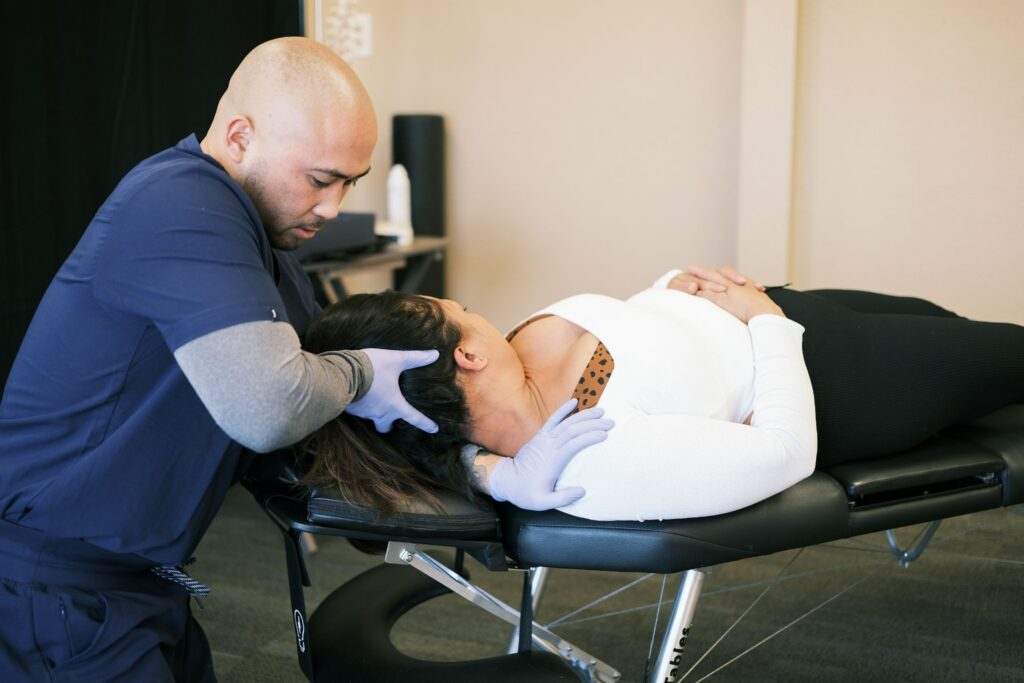

If you’ve experienced whiplash, dealing with neck pain can feel overwhelming. Fortunately, there are several natural approaches that can help you find relief and promote healing. As a chiropractor, I believe that combining chiropractic care with some simple self-care techniques can be your best bet for alleviating discomfort and restoring mobility.
- Chiropractic Adjustments: One of the most effective ways to relieve neck pain after whiplash is through chiropractic adjustments. These gentle manipulations help realign the spine and improve overall function, allowing your body to heal naturally. Regular visits to your chiropractor can also help you maintain proper alignment, reducing the risk of future pain.
- Ice and Heat Therapy: Alternating between ice and heat can be a simple yet effective way to manage pain and inflammation. Use ice for the first couple of days to reduce swelling, then switch to heat to relax tight muscles. This combination can significantly enhance your comfort while your body heals.
- Gentle Stretches and Exercises: Incorporating specific stretches into your routine can improve flexibility and reduce tension in your neck. Simple movements like neck tilts and shoulder rolls can be done at home. Always consult with your chiropractor to ensure you’re performing the right exercises for your condition.
- Focus on Posture: Maintaining good posture is crucial in your recovery from whiplash. Be mindful of how you sit, stand, and move throughout the day. Proper ergonomics at your workstation can prevent additional strain on your neck. Your chiropractor can offer advice tailored to your lifestyle.
- Listen to Your Body: Finally, it’s essential to pay attention to how your body feels. If certain movements or activities exacerbate your pain, modify or avoid them. Communicate openly with your chiropractor about your symptoms so they can adjust your treatment plan accordingly.
By prioritizing chiropractic care and integrating these tips into your daily routine, you can effectively manage neck pain from whiplash and support your body’s natural healing process. Remember, your path to recovery is unique, and with the right approach, you can regain comfort and mobility in no time.
Key Takeaways
- Start your recovery by applying ice therapy to the affected area to help reduce inflammation. After a few days, switch to heat therapy to help relax those tight muscles and improve blood flow. This combination can support your healing process effectively.
- Incorporate gentle neck stretches, such as tilting and rotating your head. These movements can enhance flexibility and alleviate stiffness, making it easier to regain full range of motion.
- Seeking care from a chiropractor can be incredibly beneficial. A chiropractor will not only help relieve your pain with targeted adjustments but will also provide you with personalized exercises and recovery strategies tailored to your specific needs.
- Pay attention to your posture throughout the day. Proper ergonomics at your workspace and using correct lifting techniques can significantly reduce strain on your neck and spine, helping you avoid further discomfort.
- While it’s tempting to reach for over-the-counter pain relievers, consider focusing on natural methods of pain relief. Chiropractic care, along with therapies like massage, can offer comprehensive support for your recovery journey, promoting long-term wellness without the need for medications.
Remember, chiropractic care focuses on treating the root cause of your pain and helping you achieve optimal health naturally.
Apply Ice or Heat Therapy
When you experience neck pain after a whiplash injury, applying ice or heat therapy can be a great way to find relief, but remember, chiropractic care is the best approach to promoting long-term healing and wellness.
Initially, using ice is beneficial as it helps reduce inflammation and provides numbing relief to the affected area. Simply wrap some ice in a cloth and gently apply it to your neck for about 15-20 minutes at a time. Be sure to take breaks in between to prevent frostbite. This step can be particularly helpful right after your injury.
As a few days pass, transitioning to heat therapy can aid in relaxing tight muscles. Using a warm compress or heating pad on your neck can increase blood flow, which promotes healing. Similar to ice, limit your heat application to 15-20 minutes at a time. However, if you notice swelling, it’s best to avoid heat therapy.
Listening to your body is key. If either therapy seems to make your pain worse, stop using it right away. While ice and heat can provide temporary relief, it’s important to remember that chiropractic care addresses the root cause of your pain and supports a natural healing process.
Incorporating regular chiropractic adjustments into your recovery plan can significantly enhance your healing journey, help restore proper spinal alignment, and alleviate discomfort.
Alongside these therapies, prioritize rest and gentle stretching to support your recovery. Embracing a holistic approach to your health can lead to a more comfortable and effective recovery from whiplash and promote overall wellness.
Practice Gentle Stretches and Exercises
While ice and heat therapy can provide some initial relief from whiplash, incorporating gentle stretches and exercises is essential for supporting your recovery and enhancing your overall well-being. These movements not only help restore flexibility and strength but also promote faster healing, allowing you to return to your daily activities with confidence. As a chiropractor, I believe that integrating gentle exercises into your routine can significantly complement the benefits of chiropractic care.
Begin with simple neck tilts and rotations, and gradually increase the intensity as you feel more comfortable. Here’s a handy table to guide you through these gentle movements:
| Stretch/Exercise | Duration/Reps | Benefits |
|---|---|---|
| Neck Tilts | 5-10 seconds each side | Enhances flexibility |
| Neck Rotations | 5-10 rotations each way | Reduces stiffness |
| Shoulder Shrugs | 10-15 reps | Relieves tension |
| Chin Tucks | 5-10 seconds | Strengthens neck muscles |
| Upper Back Stretch | 20-30 seconds | Improves posture |
Always listen to your body; if you feel any pain, it’s important to stop. Consistent practice of these gentle movements, alongside regular chiropractic adjustments, can lead to significant improvements in your neck’s condition and overall spinal health.
As you incorporate these exercises into your routine, remember that chiropractic care is a natural and effective way to achieve optimal health. By focusing on realigning your spine and improving your body’s function, you can experience lasting relief and enhanced wellness without the need for surgeries or medications. Embrace these gentle stretches and make chiropractic care a priority in your journey towards a healthier, pain-free life!
Consider Over-the-Counter Pain Relievers
If you’re dealing with neck pain after experiencing whiplash, it’s important to know that while over-the-counter pain relievers like ibuprofen or acetaminophen may provide temporary relief, they aren’t the best long-term solution.
Instead, consider visiting a chiropractor who specializes in spinal health and natural healing. Chiropractic care focuses on addressing the root cause of your pain rather than just masking symptoms.
A chiropractor can help realign your spine and improve your overall mobility, which is essential for recovery. In addition to adjustments, they may recommend gentle stretches and exercises tailored to your needs to strengthen your neck and back muscles. This holistic approach not only alleviates pain but also promotes better posture and overall wellness.
Here are some general tips to help you manage neck pain:
- Gentle Stretching: Incorporate simple neck stretches into your routine to improve flexibility and reduce tension.
- Good Posture: Be mindful of your posture, especially when sitting at a desk or using your phone. Keeping your head aligned over your spine can prevent additional strain.
- Heat Therapy: Applying a warm compress to your neck can relax tight muscles and improve blood flow, aiding in the healing process.
- Stay Active: Engage in light physical activity, such as walking, to keep your body moving and promote healing without overexerting yourself.
If your neck pain persists, don’t hesitate to seek chiropractic care. A chiropractor can provide personalized treatment options that support your body’s natural healing process and help you achieve optimal health.
Seek Professional Help From a Chiropractor or Physical Therapist
While over-the-counter pain relievers may provide temporary comfort for whiplash, they often fail to address the root issues causing your neck pain. To truly manage your discomfort and promote healing, seeking professional help from a chiropractor is your best choice. Chiropractors specialize in diagnosing and treating musculoskeletal problems, and they can create a personalized treatment plan tailored specifically to your needs.
Through techniques such as spinal manipulation, chiropractors work to restore proper alignment and function to your spine, which can help alleviate pain and improve mobility. This natural approach not only targets the source of your pain but also encourages your body to heal itself.
In addition to spinal adjustments, chiropractors also provide guidance on exercises and stretches that can enhance your neck’s stability and flexibility. These exercises empower you to take an active role in your recovery and help prevent future injuries.
By choosing chiropractic care, you’re investing in a holistic approach to wellness that focuses on your overall health. You’ll learn valuable techniques to manage your pain and improve your quality of life, all without the need for medications or invasive procedures.
Maintain Good Posture and Ergonomics
Maintaining good posture and ergonomics is key to preventing and alleviating neck pain, particularly after experiencing whiplash. As your local chiropractor, I want to share some simple yet effective tips to help you manage your pain and support your overall health naturally.
First, be mindful of your posture throughout the day. When sitting, keep your back straight and your shoulders relaxed, with your feet flat on the floor. It’s important to adjust your computer screen so that it’s at eye level. This adjustment helps avoid unnecessary strain on your neck, which can exacerbate any discomfort you may be feeling.
If you spend a lot of time at a desk, consider investing in an ergonomic chair. This type of chair can provide crucial support for your lower back, which in turn helps maintain a healthy spine. You might also find a small cushion helpful for added support.
When it comes to lifting objects, always bend at your knees and keep the item close to your body. This technique helps protect your spine and reduces the risk of injury.
Additionally, don’t forget to take regular breaks to stretch and move around, especially during long periods of sitting. Simple stretches can work wonders for relieving tension and promoting better spinal health.
Remember, incorporating these habits into your daily routine can’t only help you manage your current neck pain but also foster long-term wellness.
Chiropractic care is an excellent way to support your journey toward optimal health, as it focuses on natural healing and the well-being of your spine. By making small changes and seeking chiropractic adjustments, you can significantly improve your comfort and quality of life.
Conclusion
To summarize, relieving neck pain after whiplash is best achieved through a holistic approach that emphasizes natural healing and chiropractic care. Start with ice and heat therapy to reduce inflammation and soothe discomfort. Gentle stretching exercises can help improve your neck’s flexibility, but remember to listen to your body and avoid any movements that cause pain.
Chiropractic care is a fantastic option for addressing neck pain, as a skilled chiropractor can assess your condition and provide tailored adjustments to promote healing and restore proper alignment. This hands-on approach not only alleviates pain but also enhances overall spinal health.
In addition to chiropractic adjustments, maintaining good posture is crucial. Be mindful of your ergonomics, especially when sitting or using electronic devices, to prevent future strain on your neck. Incorporating these strategies into your daily routine can significantly improve your comfort and overall well-being.
By prioritizing chiropractic care and these self-care tips, you can effectively manage your neck pain after whiplash and embark on a journey toward optimal health. Remember, natural healing is within your reach!