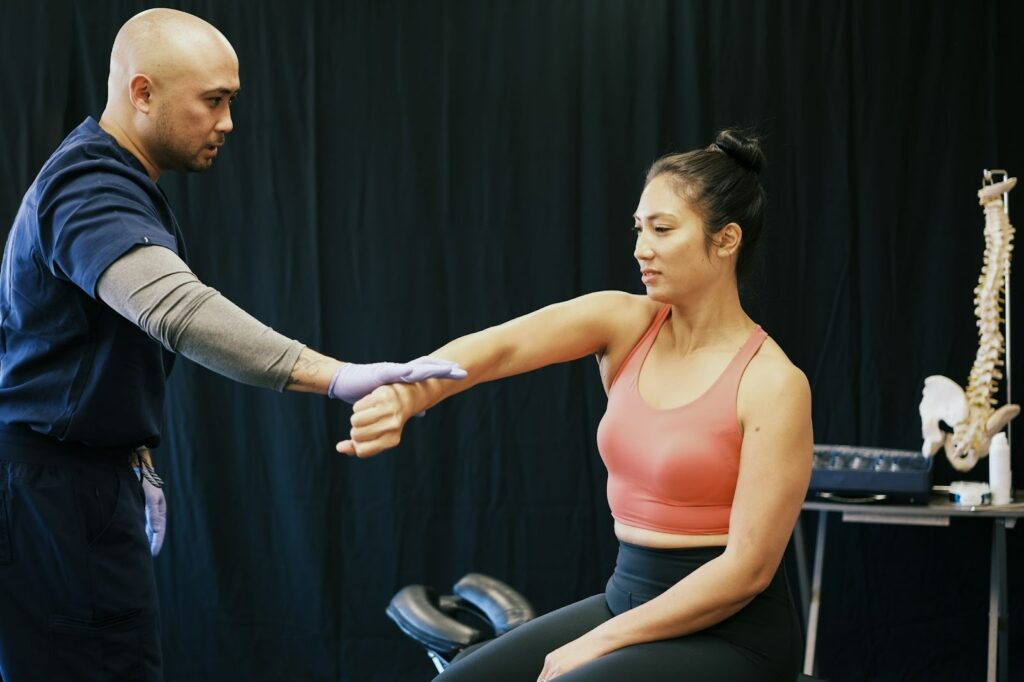

As a local chiropractor, I often emphasize the importance of integrating adjustments with exercises to optimize your overall wellness and fitness routine. Many of my patients are surprised to learn that evaluating your fitness level, focusing on proper form, and modifying your range of motion can greatly impact your health. These adjustments not only enhance your physical performance but can also play a crucial role in preventing injuries.
If you’re curious about how to effectively implement these adjustments into your exercise regimen, I would love to share my insights. Here are the top ten strategies to elevate your exercise game while ensuring your body stays aligned and healthy. By understanding these techniques, you can improve your workouts and support your body’s natural healing processes.
Assess Your Current Fitness Level
As your local chiropractor, I want to help you understand the importance of evaluating your current fitness level as you embark on your wellness journey. Knowing where to start is crucial for achieving your health goals.
Begin by assessing your strength, endurance, flexibility, and overall well-being. Simple tests can provide insight into your body’s capabilities: for instance, try holding a plank to measure your core strength, or take a timed run to evaluate your cardiovascular endurance. Additionally, a basic stretch test can help you identify your flexibility limits.
It’s also vital to consider any past injuries or medical conditions that may impact your ability to exercise. Understanding your body’s unique capabilities and restrictions will allow you to make informed decisions about your fitness routine.
Don’t forget to track your current habits—how often do you engage in physical activity, and what types do you enjoy? This self-assessment will give you a comprehensive view of your current status and help you set realistic, attainable goals.
With this foundational knowledge, you can create a personalized fitness plan that aligns with your aspirations while respecting your body’s needs. This approach not only enhances your physical health but also supports the principles of natural healing that chiropractic care promotes, setting you up for success from the very beginning of your journey.
Focus on Form and Technique
As a local chiropractor, I want to emphasize the importance of proper alignment during your workouts. Correct alignment is crucial not only for preventing injuries but also for ensuring that you get the most out of your exercises. When your body is aligned correctly, it functions more efficiently, allowing you to perform movements with greater ease.
In addition to alignment, your breathing technique plays a significant role in your overall performance. Focusing on your breath can help you maintain concentration and enhance your stamina during your workouts. By incorporating mindful breathing into your routine, you can improve your oxygen intake, which ultimately supports better muscle function.
Let’s delve deeper into how these essential elements—alignment and breathing—can significantly enhance your exercise routine and contribute to your overall well-being.
Proper Alignment Importance
As a local chiropractor, I want to emphasize the importance of proper alignment in your exercise routine. Maintaining correct posture is crucial not only for enhancing your performance but also for minimizing the risk of injuries.
When your body is aligned properly, it moves more efficiently, allowing you to engage the right muscles and achieve better results in your workouts.
Whether you’re lifting weights, practicing yoga, or doing cardio, it’s vital to pay attention to your body’s position. Focus on keeping your spine neutral and your joints aligned. This attention to detail can help distribute forces evenly across your body, which reduces strain and protects your overall health.
If you’re unsure about your alignment during exercise, I encourage you to seek guidance from a qualified trainer or use mirrors to help self-correct your posture.
Remember, good form goes beyond aesthetics; it plays a vital role in ensuring that you train safely and effectively. By prioritizing proper alignment, you can enjoy long-lasting benefits and promote natural healing for your body.
Breathing Technique Awareness
As a chiropractor, I often emphasize the importance of proper breathing techniques to my patients, especially those who may not be familiar with chiropractic care and natural healing.
While you might be focused on lifting weights or perfecting yoga poses, your breathing technique is just as crucial for enhancing your performance and ensuring safety during your exercises.
By becoming mindful of your breath, you can significantly elevate your workouts. Here are four important points to consider:
- Diaphragmatic Breathing: Utilize your diaphragm to take deeper, more effective breaths. This not only improves oxygen flow but also supports your spinal alignment during physical activity.
- Inhale and Exhale Timing: It’s essential to synchronize your breath with your movements. Inhale during the relaxation phase and exhale when you exert yourself. This coordination can enhance your strength and stability.
- Mindfulness: Being present with your breath can greatly improve your focus and help alleviate stress. This mindfulness practice not only benefits your exercise routine but also contributes to your overall well-being.
- Breath Control: Practicing breath control can help you maintain stability and rhythm throughout your exercises. This stability is vital for preventing injuries and promoting proper spinal health.
By integrating these breathing techniques into your routine, you can’t only improve your performance but also reduce your risk of injury.
Incorporate Dynamic Warm-Ups
As a local chiropractor, I want to emphasize the importance of incorporating dynamic warm-ups into your exercise routine.
These warm-ups play a crucial role in preparing your body for physical activity. By increasing blood flow and enhancing flexibility, dynamic warm-ups not only improve your overall performance but also significantly reduce the risk of injuries.
I encourage you to focus on effective dynamic stretching techniques that are suitable for your fitness level.
It’s important to pay attention to the timing and duration of these warm-ups to ensure you reap the maximum benefits. By doing so, you’ll not only feel better during your workouts but also support your body’s natural healing processes.
Importance of Warm-Ups
As a local chiropractor dedicated to your well-being, I want to emphasize the importance of dynamic warm-ups before any workout.
These warm-ups aren’t just a formality; they play a crucial role in preparing your body for the physical activities ahead. By incorporating dynamic movements into your routine, you can significantly enhance your performance and lower your risk of injury.
Here are four key benefits that I often share with my patients:
- Increased Blood Flow: Dynamic warm-ups elevate your heart rate and improve circulation, ensuring that your muscles receive the oxygen they need to function optimally.
- Improved Range of Motion: These movements help to loosen your joints and increase flexibility, which can lead to greater performance in your workouts and daily activities.
- Enhanced Muscle Activation: By actively engaging your muscles through dynamic warm-ups, you prepare them for the demands of your workout, resulting in more effective and efficient results.
- Mental Preparation: These warm-ups also serve as a valuable time to focus and mentally prepare yourself, setting the stage for a successful training session.
Incorporating dynamic warm-ups into your routine is a simple yet powerful strategy for not only enhancing your physical performance but also supporting your overall health.
As your chiropractor, I encourage you to make this a regular part of your exercise regimen!
Dynamic Stretching Techniques
As a local Chiropractor, I want to emphasize the importance of preparing your body for physical activity, and one effective way to do this is through dynamic stretching techniques. These movements aren’t just warm-ups; they play a vital role in enhancing your overall well-being by increasing blood flow and improving your range of motion, which is crucial for maintaining a healthy spine and joints.
To get started, consider incorporating leg swings into your routine. Swinging your legs forward and backward helps to loosen up your hips and lower back. Following this, try arm circles to relieve tension in your shoulders—this is especially important for those who may spend long hours at a desk.
Walking lunges are another excellent exercise that engages your hip flexors and quadriceps and promotes proper alignment in your pelvis and spine. Don’t skip high knees, as they elevate your heart rate and prepare your cardiovascular system for more intense activity.
As you perform each movement, focus on fluidity and control. This approach not only helps your body adapt to the exercises ahead but also prevents unnecessary strain on your joints. Aim for 10 to 15 repetitions of each dynamic stretch, and pay attention to how your body feels—this is a sign that you’re warming up properly.
Timing and Duration
As your local chiropractor, I want to emphasize the importance of preparing your body for exercise, especially if you’re new to chiropractic care and natural healing. A proper warm-up not only enhances your performance but also significantly reduces the risk of injury.
Here are some essential tips to keep in mind:
- Start Early: It’s crucial to begin your warm-up 10-15 minutes before your workout. This gradual increase in activity helps raise your heart rate and prepares your body for the physical demands ahead.
- Focus on Movement: Incorporate dynamic stretches into your warm-up routine. These movements should mimic the type of exercise you plan to do, activating the specific muscle groups that will be engaged during your workout.
- Duration Matters: Aim for a warm-up lasting at least 5-10 minutes. The duration may vary depending on the intensity of your planned exercise, so adjust accordingly to ensure your body is adequately prepared.
- Listen to Your Body: It’s important to pay attention to how your body feels. If you notice any tightness or fatigue, consider extending your warm-up. This extra time can help ensure that you’re fully ready to engage in your workout safely.
Utilize Equipment for Support
As a chiropractor, I want to emphasize how utilizing equipment for support can significantly enhance your exercise routine and overall well-being. Many patients may not realize that incorporating tools like resistance bands, stability balls, and foam rollers can make a substantial difference in the effectiveness and safety of your workouts.
For example, resistance bands are excellent for maintaining proper form while providing the extra assistance needed during various movements. This can be particularly beneficial for those who are new to exercise or recovering from an injury.
Stability balls not only challenge your balance but also engage your core muscles, allowing for seamless adjustments to your routine.
Using a foam roller is another valuable practice. It aids in recovery and helps you identify tight spots in your muscles, enabling you to make targeted adjustments that can alleviate discomfort.
Additionally, incorporating weights can enhance resistance, making your exercises more challenging as you build strength and endurance.
I encourage you to explore these supportive tools and find what works best for your individual needs. By integrating them into your routine, you can improve your performance, reduce the risk of injury, and promote better alignment in your body.
Embracing these resources can truly transform your exercise experience and contribute to your overall health and wellness. Remember, at our clinic, we’re here to guide you on this journey to natural healing and optimal health!
Modify Range of Motion
As a chiropractor dedicated to your well-being, I want to emphasize that adjusting your exercises by modifying your range of motion can significantly enhance both the effectiveness of your workouts and your safety.
By tailoring how far you move, you can target specific muscle groups, minimize strain on your body, and diminish the risk of injury. Here are four essential approaches to modifying your range of motion that I recommend:
- Shorten the Movement: Begin with partial repetitions. This allows you to build strength gradually before advancing to a full range of motion, which can be especially beneficial if you’re recovering from an injury.
- Increase Control: Slow down your movements. This not only helps you maintain better control but also improves muscle engagement, which can lead to more effective workouts.
- Use Props: Incorporate tools like blocks or resistance bands. These can assist you in safely achieving a comfortable range of motion, especially if you’re just starting out or have any limitations.
- Listen to Your Body: Pay close attention to any discomfort you may experience. It’s vital to adjust your range of motion as needed to prevent injury and ensure a positive experience during your exercise routine.
By implementing these strategies, you can promote better movement patterns and support your overall health as part of a holistic approach to wellness.
Adjust Weights and Resistance
As your local chiropractor, I want to emphasize the importance of adjusting weights and resistance in your exercise routine to support your overall health and prevent injuries.
When embarking on a new workout, it’s crucial to select a weight that’s challenging yet allows you to maintain proper form. If you find yourself completing your sets with ease, it may be time to consider increasing the weight. On the other hand, if you’re struggling to maintain control, it’s wise to reduce the weight to ensure you’re using the correct technique.
Listening to your body is key. If you start to feel fatigued or experience any discomfort, don’t hesitate to modify your resistance.
Finding the right balance is essential; it promotes strength gains while allowing for adequate recovery, which is vital for your body’s healing process. Additionally, incorporating tools like resistance bands or adjusting the load on machines can help tailor your workouts to your individual needs.
Experiment With Tempo
As a chiropractor dedicated to promoting natural healing and overall wellness, I want to share how experimenting with tempo during your workouts can significantly enhance your physical health.
Adjusting the speed of your movements not only impacts your muscle engagement but can also support your spine and joint health. Here are four ways to incorporate tempo changes into your fitness routine:
- Slow Down the Eccentric Phase: When performing exercises like squats or bench presses, focus on a slower descent. This method increases time under tension, which not only promotes muscle growth but also encourages proper alignment and reduces stress on your joints.
- Explosive Concentric Movements: Speeding up the lifting phase can improve your power and strength. For example, during a push-up, pushing up quickly can enhance your muscular efficiency, which is beneficial for maintaining a healthy spine and preventing injuries.
- Pause at the Apex: Holding the position at the peak of the movement for a count of one or two can enhance your stability and control. This practice is crucial for maintaining proper posture and spinal alignment, which are essential for your overall well-being.
- Vary Rest Periods: Experimenting with rest times between sets can influence your workout’s intensity. Shorter rests can elevate the challenge, while longer rests allow for better recovery. Balancing these periods helps support your body’s natural healing processes.
By incorporating these tempo changes, you can keep your workouts engaging and effective while nurturing your body’s health.
Integrate Active Recovery
As a local chiropractor, I want to share with you the importance of integrating active recovery into your fitness routine for improved performance and overall well-being. Rather than opting for complete rest, which can sometimes hinder your progress, consider engaging in low-intensity activities that promote blood flow and allow your muscles to recover effectively.
Gentle options like walking, light cycling, or yoga can be excellent choices, as they keep your body moving without putting excessive strain on it.
Incorporating active recovery days between your more intense workouts can greatly alleviate soreness and reduce fatigue. This could include a refreshing swim or some stretching exercises that focus on enhancing your flexibility and mobility.
Not only does this approach benefit your physical health, but it can also improve your mental well-being. By breaking the monotony of a rigid exercise routine, active recovery makes your fitness journey more enjoyable and sustainable.
Remember, it’s not solely about pushing yourself to the limits with intense workouts; achieving balance is key. By embracing these lighter sessions, you’ll likely notice an increase in your energy levels and a boost in your overall performance during more strenuous workouts.
As your chiropractor, I encourage you to explore the benefits of active recovery as part of a holistic approach to health and wellness.
Listen to Your Body
As a local Chiropractor, I want to emphasize the importance of listening to your body, especially when it comes to your fitness routine. Many individuals overlook the signals their bodies send, which can ultimately lead to injury or burnout.
It’s essential to be aware of how you feel during and after your workouts, as these sensations can provide valuable insights into your overall health. Here are some critical signals to be mindful of:
- Pain: If you encounter sharp or ongoing pain, it’s vital to halt the exercise immediately. This discomfort is your body’s way of indicating that something may be amiss, and it’s crucial to address it before it escalates.
- Fatigue: Feeling excessively tired? This could be a signal that your body is in need of more rest or perhaps a gentler workout routine. Remember, recovery is just as important as the workout itself.
- Breathlessness: If you’re struggling to catch your breath, it’s a clear indication to slow down. During moderate exercise, you should be able to converse comfortably, so pay attention to your breathing patterns.
- Mood Changes: Notice any irritability or a dip in motivation? These emotional changes can be linked to overtraining. Your emotions are often a reflection of your physical state, so it’s crucial to listen to them.
By tuning into these signals, you not only enhance your fitness journey but also promote a healthier, more balanced lifestyle.
If you ever have concerns about your body’s signals or need guidance on how to align your physical activities with your well-being, don’t hesitate to reach out for chiropractic care. We’re here to support your journey to natural healing and optimal health.
Set Realistic Goals and Progressions
Setting realistic goals and progressions is vital not just for your fitness journey, but also for your overall health and well-being. As a chiropractor, I see the importance of setting achievable targets in helping to maintain a healthy spine and body. When you establish attainable goals, you’re more likely to stay motivated and track your improvements effectively.
Start by identifying what you want to accomplish regarding your physical health, whether it’s improving your strength, endurance, flexibility, or even alleviating pain. Break these larger goals into smaller, manageable milestones. For example, if your aim is to run a 5K, begin by focusing on shorter distances. Gradually increase your distance each week while paying attention to how your body responds. This method not only reduces the risk of injury but also builds your confidence.
It’s also essential to assess your current physical condition, especially if you’re experiencing discomfort or pain. Adjust your goals based on your body’s signals, and make sure to celebrate your successes, no matter how small they may seem. Remember, your health journey is just that—a journey. Setting realistic expectations helps you stay engaged and on track.
As you work towards your goals, keep pushing yourself, but always listen to your body. If you feel discomfort or fatigue, it’s important to rest and recover. Chiropractic care can play a supportive role in your journey by helping to align your body and improve your overall function.
Together, we can navigate this path to better health and wellness.
Conclusion
As a chiropractor, I want to emphasize the importance of integrating adjustments into your exercise routine. This practice can significantly enhance your overall performance and minimize the risk of injuries. First and foremost, it’s essential to assess your individual fitness level. Each person’s body is unique, and understanding your own capabilities can help tailor your workouts effectively.
Focusing on proper form is crucial; it not only aids in maximizing the benefits of your exercises but also protects your body from strain. Pay close attention to how your body feels during workouts—listening to your body is key to preventing overexertion and injury.
Don’t hesitate to modify movements to suit your needs. Adjusting exercises can make a world of difference in how your body responds. Additionally, experimenting with tempo can enhance your workouts; varying the speed at which you perform exercises can challenge your muscles in new ways.
Active recovery is another important aspect of your fitness journey. Allowing your body to rest and recuperate through gentle movements can help maintain flexibility and promote healing.
Setting realistic goals and progressing consistently are essential for a successful fitness journey. Remember, it’s about making sustainable improvements over time. Stay adaptable, and you’ll not only see your fitness levels rise but also feel the positive effects on your overall well-being. Embrace the journey, and let’s work together to achieve your health goals!