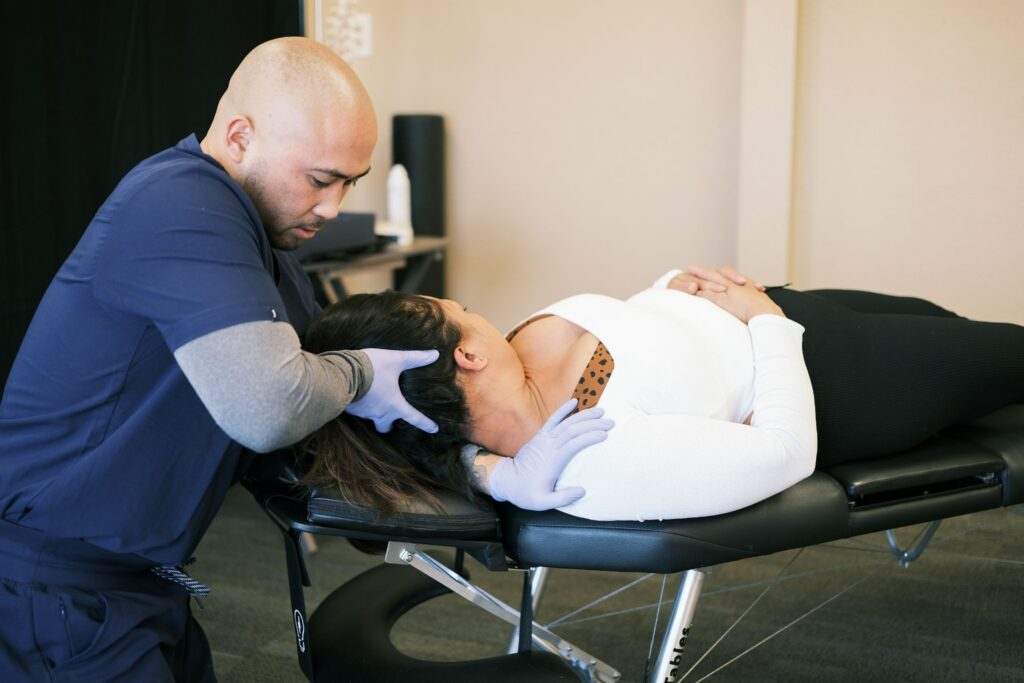

As a local chiropractor, I understand that many of you may be experiencing back pain, and I want to assure you that you’re not alone in this struggle. Discomfort in the back is a common issue that can significantly impact your daily activities. However, I want to share some natural techniques that can help relieve this pain without the need for medications.
Chiropractic care focuses on holistic healing, and some of the most effective strategies include stretching and strengthening exercises that can be easily incorporated into your daily routine. Additionally, therapies such as acupuncture have shown great promise in alleviating back pain.
I encourage you to explore these natural approaches, as they not only target the pain but also address the root causes. By incorporating these methods into your lifestyle, you can work towards achieving long-lasting relief. Let’s take a closer look at how these strategies can benefit you and support your journey to better back health.
Practice Regular Stretching and Strengthening Exercises
As a local chiropractor, I want to emphasize the importance of incorporating regular stretching and strengthening exercises into your routine. These practices not only enhance your flexibility but also help build the muscle support essential for maintaining a healthy back.
Strong muscles play a crucial role in sustaining proper posture, which is vital for preventing back pain. I encourage you to focus on your core, as a robust core stabilizes your spine and reduces the strain on your back muscles.
Simple exercises such as planks, bridges, and bird-dogs can significantly improve your core strength. Additionally, don’t forget to stretch your hamstrings, hip flexors, and lower back; this can alleviate tightness and enhance your overall mobility.
For optimal benefits, aim to dedicate at least 15-30 minutes to these stretching and strengthening exercises a few times a week. By doing so, you’re taking proactive steps towards better spinal health and overall well-being.
Incorporate Yoga Into Your Routine
As a local chiropractor, I want to share how incorporating yoga into your daily routine can significantly alleviate back pain.
Many may not realize that specific yoga poses are designed to stretch and strengthen your muscles, which is essential for maintaining spinal health.
Additionally, these poses often include breathing techniques that foster relaxation, further enhancing your body’s ability to heal itself.
Yoga Poses for Relief
As a chiropractor, I understand how overwhelming back pain can be for many of my patients. However, one natural way to find relief is through the incorporation of specific yoga poses into your daily routine.
These poses not only help stretch and strengthen your back but also promote better posture and flexibility, which are essential for overall spinal health. Here are five effective yoga poses that I often recommend:
- Child’s Pose: This gentle pose helps stretch the spine and alleviates tension, making it a great starting point for relaxation.
- Downward-Facing Dog: This pose is excellent for strengthening the back while simultaneously stretching the hamstrings, which can help relieve tightness in the lower back.
- Cat-Cow Stretch: This dynamic movement improves spine flexibility and reduces stiffness, enhancing your overall mobility.
- Sphinx Pose: By strengthening the lower back and opening the chest, this pose can help improve your posture and alleviate discomfort.
- Seated Forward Bend: This pose effectively stretches both the spine and hamstrings, easing tension and promoting relaxation.
Incorporating these poses into your daily routine can make a significant difference in managing your pain and enhancing your overall well-being.
As you explore these natural healing methods, remember that chiropractic care can also play a vital role in your journey to better health.
Breathing Techniques Benefits
Breathing techniques are a vital aspect of enhancing your overall well-being, and they play a significant role in your journey towards better spinal health. As a chiropractor, I often emphasize the importance of breath in our daily lives. By focusing on your breath, you can improve oxygen flow throughout your body, reduce stress levels, and promote a state of relaxation.
When you consciously engage in deep breathing, you activate your body’s natural relaxation response. This can help alleviate tension and discomfort, particularly in areas like your back, which is crucial for maintaining a healthy spine.
Incorporating breathing exercises into your routine can also enhance your flexibility and stability, which are important for proper posture and spinal alignment.
As you practice these techniques, you’ll find that controlled breathing not only supports your physical movements but also calms your mind. This holistic approach can make a significant difference in your overall health and well-being.
Utilize Hot and Cold Therapy
As a local chiropractor, I want to share with you the benefits of using hot and cold therapy for alleviating back pain. Many of my patients have found that these simple, natural methods can provide substantial relief.
Applying heat to your back can help to relax tight muscles and increase blood circulation, promoting healing and comfort.
On the other hand, cold therapy is effective in reducing inflammation and numbing any sharp pain you may be experiencing.
By combining both hot and cold treatments, you can enhance your overall comfort and support your recovery process.
Incorporating these therapies into your routine can be a great complement to the chiropractic care you receive, helping you to feel your best and maintain a healthy spine.
If you have any questions or need guidance on how to properly use these therapies, please feel free to ask during your next visit!
Benefits of Heat Application
As a local chiropractor, I want to share with you the powerful benefits of heat application, especially when it comes to alleviating back pain. Many patients are unaware of how effective this natural remedy can be, particularly when combined with cold therapy for optimal results.
Heat application works by relaxing tight muscles and increasing blood flow to the affected area, which is essential for healing. Here are some specific benefits of incorporating heat therapy into your routine:
- Reduces Muscle Spasms: Applying heat can ease tension in your muscles, helping them to relax and reduce those uncomfortable spasms.
- Improves Flexibility: The warmth from heat therapy can enhance your range of motion, making movement easier and more comfortable.
- Soothes Chronic Pain: For those dealing with ongoing discomfort, regular heat application can significantly lessen persistent pain.
- Enhances Circulation: By improving blood flow, heat therapy aids in the healing process and helps to reduce inflammation in the affected areas.
- Promotes Relaxation: The soothing warmth can create a calming effect, which not only helps with physical discomfort but can also lower stress levels.
By incorporating heat therapy into your daily routine, you may find a considerable improvement in your ability to manage back pain.
As your chiropractor, I’m here to guide you on your journey to natural healing and overall wellness.
Cold Therapy Techniques
As a local chiropractor, I want to share with you the benefits of incorporating cold therapy techniques into your routine, especially if you’re experiencing back pain.
While many are familiar with heat therapy, cold therapy can provide complementary relief that’s just as important.
Cold therapy works by reducing inflammation and numbing sharp pain through the constriction of blood vessels. You can easily apply this method at home using a cold pack, ice wrapped in a cloth, or even a bag of frozen peas.
For optimal results, apply the cold source to the affected area for 15-20 minutes, but be sure to take breaks to prevent skin damage.
If you’re dealing with soreness or stiffness, I recommend alternating between cold and heat therapy. This can help enhance circulation and promote healing in your back.
It’s crucial to listen to your body throughout this process; if the cold becomes uncomfortable, remove it right away.
By regularly using cold therapy, you can effectively manage your back pain and support your overall healing journey.
I’m here to help guide you through these techniques and answer any questions you may have about your chiropractic care and natural healing methods.
Combining Both Methods
As a local chiropractor, I want to share with you an effective pain relief strategy that combines both hot and cold therapy—an approach that can significantly enhance your ability to manage back pain.
Many of my patients find that alternating between heat and cold not only maximizes the benefits of each method but also promotes overall healing.
Here’s how you can effectively use both therapies:
- Begin with cold therapy: Start by applying a cold pack to the affected area for 15-20 minutes. This helps reduce inflammation and numbs the pain, which is particularly useful right after an injury.
- Transition to heat therapy: Once you’ve completed the cold treatment, switch to a heating pad for another 15-20 minutes. The heat helps relax tight muscles and improves blood flow to the area, aiding in recovery.
- Tune into your body: It’s important to listen to how your back responds to each treatment. Everyone’s body is different, and what works for one person may not work for another.
- Repeat as necessary: Feel free to alternate between hot and cold therapies several times throughout the day as needed. This can be especially effective for chronic pain.
- Stay hydrated: Don’t forget to drink plenty of water! Staying hydrated supports muscle recovery and helps maintain flexibility.
By incorporating this combined approach into your pain relief routine, you may find significant relief from discomfort and promote your body’s natural healing processes.
If you have any questions or would like to learn more about how chiropractic care can complement these therapies, feel free to reach out!
Explore Acupuncture and Acupressure
As a local chiropractor, I often encounter patients who are curious about alternative methods for managing back pain, particularly ancient practices like acupuncture and acupressure.
These techniques can be valuable tools in promoting your body’s natural healing processes.
Acupuncture involves the insertion of fine needles into specific points along your body’s meridians. This practice helps to facilitate the flow of energy, which can significantly alleviate pain and enhance mobility. Many of my patients have reported noticeable improvements in their discomfort after just a few sessions.
In contrast, acupressure offers a more hands-on approach by using finger pressure instead of needles. By applying pressure to key points on your body, you can relieve tension and enhance circulation in your back. The beauty of acupressure is that it can be practiced at home, providing a convenient way to incorporate regular relief into your routine.
Both acupuncture and acupressure not only focus on pain relief but also contribute to reducing stress and improving your overall well-being.
Maintain Good Posture and Ergonomics
As a local chiropractor, I want to share with you the importance of maintaining good posture and proper ergonomics to help prevent and manage back pain. Many individuals are unaware of how their daily habits and workspace setup can contribute to discomfort in their backs.
Here are some essential tips to ensure you’re taking care of your spine:
- Sit with your back straight: It’s crucial to maintain a straight back while sitting. Ensure your feet are flat on the floor and that your knees are at hip level to promote a healthy alignment.
- Use ergonomic furniture: Consider investing in a chair designed to support your lower back. This type of furniture can significantly enhance your posture and reduce strain on your spine.
- Position your computer screen correctly: Your computer screen should be at eye level. This simple adjustment can prevent unnecessary neck strain and help you maintain a more comfortable posture throughout the day.
- Take regular breaks: It’s important to stand up, stretch, or walk around every hour. This practice helps alleviate tension that builds up from prolonged sitting and encourages better circulation.
- Be mindful of how you lift: When lifting heavy objects, always bend at the knees and keep your back straight. This technique minimizes the risk of injury and helps protect your spine.
By incorporating these strategies into your daily routine, you can foster a healthier spine and potentially alleviate any discomfort you may be experiencing.
Try Essential Oils and Herbal Remedies
As a local chiropractor, I often see patients seeking relief from back pain. While traditional chiropractic adjustments are effective, I also encourage exploring complementary approaches like essential oils and herbal remedies. Many of my patients have found these natural options beneficial for promoting relaxation and alleviating discomfort.
For instance, essential oils such as lavender, peppermint, and eucalyptus can be particularly helpful. These oils have properties that may reduce inflammation and soothe soreness. By diluting a few drops in a carrier oil and massaging it into the affected area, you can experience some relief alongside your chiropractic treatments.
In addition to essential oils, consider using a warm compress infused with herbs like chamomile or ginger. These herbs are well-known for their anti-inflammatory qualities. Herbal teas made from turmeric or willow bark can also provide pain relief, as they’ve been used traditionally for this purpose.
Aromatherapy is another valuable tool. Diffusing essential oils in your home while you unwind can help ease tension and foster a sense of calm.
Focus on Nutrition and Hydration
As a local chiropractor, I want to share with you the important connection between nutrition, hydration, and your overall well-being, especially when it comes to managing back pain. Many people overlook how what they eat and drink can significantly influence their body’s healing process and ability to function optimally.
Proper nutrition plays a vital role in reducing inflammation, which can be a major contributor to back pain, while staying well-hydrated helps keep your muscles and joints flexible and functioning smoothly. Here are some key nutritional tips to consider:
- Omega-3 Fatty Acids: Foods like fish, walnuts, and flaxseeds are rich in omega-3s, which are known to combat inflammation. Including these in your diet can help ease discomfort in your back.
- Magnesium-Rich Foods: Incorporating spinach, almonds, and black beans into your meals can support muscle function and help prevent cramps, which can lead to better spinal health.
- Antioxidant-Rich Fruits and Vegetables: Berries, cherries, and leafy greens are packed with antioxidants that help fight inflammation and support your body’s healing processes.
- Stay Hydrated: Don’t underestimate the power of water! Staying hydrated is crucial for keeping your muscles and joints lubricated, which can alleviate stiffness and discomfort.
- Limit Processed Foods: Foods high in sugar and trans fats can increase inflammation levels in your body. Making an effort to reduce these can have a positive effect on your back pain.
By incorporating these nutritional strategies into your daily routine, you can play an active role in managing your back pain effectively and supporting your overall health.
Conclusion
As a local chiropractor, I want to share some effective natural techniques that can significantly help you manage back pain. Integrating regular stretching into your routine can improve your flexibility and reduce tension in your muscles. Yoga is another excellent practice that not only promotes physical well-being but also fosters mindfulness and relaxation.
Utilizing hot and cold therapy can also provide immediate relief; heat helps to relax tight muscles, while cold packs can reduce inflammation. Don’t overlook the benefits of acupuncture, which has been shown to alleviate pain by stimulating your body’s natural healing processes. Maintaining good posture is crucial as well—it can prevent additional strain on your back.
Essential oils can offer soothing properties that complement your pain relief efforts. Additionally, supporting your body with proper nutrition and staying well-hydrated is vital for overall health and recovery. By taking proactive steps towards your back health, you can lead a more comfortable and active life. Let’s work together to explore these natural healing options!