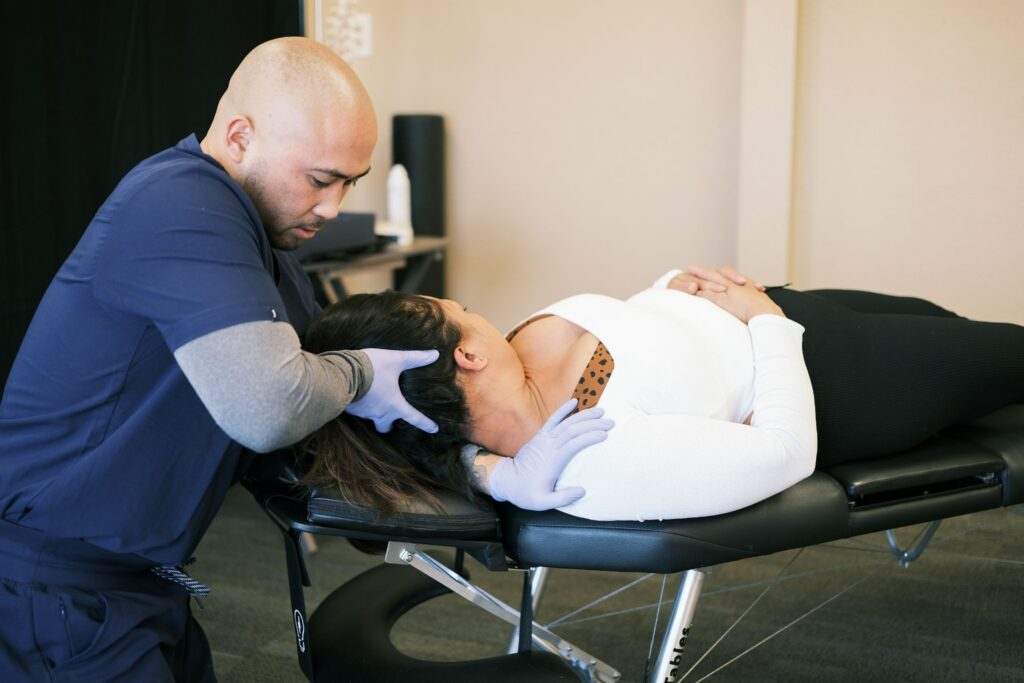

As a local chiropractor dedicated to helping my patients understand the importance of spinal health, I want to share some valuable insights on preventing back pain through lifestyle changes. Many people are surprised at how simple modifications in their daily routines can lead to significant relief and improved overall well-being.
You may be wondering what specific strategies can help you maintain a healthier spine. By focusing on aspects like posture and staying active, you can take proactive steps toward preventing discomfort. Here are the top ten adjustments I recommend for supporting your back health. Let’s dive in and empower you to make choices that nurture your body and promote natural healing.
Improve Your Posture
As a chiropractor, I want to emphasize the importance of maintaining a strong posture to help reduce your risk of back pain. When you stand or sit up straight, you create proper alignment in your spine, which allows your body to distribute weight more evenly. This is crucial for your overall health and wellbeing.
To enhance your posture, I encourage you to be mindful of how you carry yourself throughout the day. Make it a habit to keep your shoulders back and relaxed, ensuring that your ears are aligned over your shoulders. This simple adjustment can make a big difference.
When you’re sitting, it’s important to keep your feet flat on the floor and your knees at a right angle. Avoid slouching or leaning forward, especially during long periods of work, as this can strain your back and lead to discomfort.
Incorporating core-strengthening exercises into your routine, such as planks and bridges, can also support better posture. A strong core helps stabilize your spine and pelvis, making it easier to maintain good posture throughout the day.
Additionally, don’t forget to take breaks to stretch and reset your alignment. A few minutes of stretching can relieve tension and help you return to a more natural posture.
With consistent effort and awareness, you’ll notice significant improvements in your posture, which will lead to reduced discomfort and a healthier back.
If you’re ever unsure about your posture or experiencing pain, I’m here to guide you on your journey to better spinal health through natural chiropractic care.
Invest in Ergonomic Furniture
As a local chiropractor, I often see patients who struggle with back pain, and one of the most effective ways to alleviate discomfort is by investing in ergonomic furniture.
I encourage you to consider adjustable desks that allow you to alternate between sitting and standing throughout the day. This flexibility can help reduce strain on your spine.
Additionally, selecting supportive chairs that promote proper posture is crucial. These simple choices can greatly enhance your comfort and contribute to your overall well-being.
Choose Adjustable Desks
As a local chiropractor, I want to share with you the incredible benefits of choosing an adjustable desk for your workspace. Not only does it enhance your office environment, but it also plays a significant role in your comfort and overall health.
By allowing you to alternate between sitting and standing, adjustable desks help alleviate strain on your back and encourage better posture throughout your day.
Finding the right height for your desk is crucial; it helps maintain a neutral spine position, which can significantly reduce discomfort. When you stand while working, you’re not just changing your position—you’re also boosting your energy and productivity levels.
Investing in an adjustable desk is more than just an office upgrade; it’s a proactive step in preventing back pain, which is something I see frequently in my practice.
Incorporating this simple change into your daily routine can lead to long-lasting benefits for your back health and overall well-being.
I encourage you to embrace this flexibility in your workspace and experience the positive difference it can make in your life. Remember, your spine health is essential, and making mindful choices like these can contribute to a healthier lifestyle.
Select Supportive Chairs
As a local chiropractor, I want to emphasize the importance of having a supportive chair in your workspace, especially if you spend long hours sitting at a desk. An adjustable desk is a great start, but pairing it with ergonomic furniture can significantly enhance your comfort and support your overall health.
When selecting a chair, look for those that provide lumbar support, adjustable height, and seat depth. These features are crucial for maintaining proper posture, which can help reduce strain on your back and spine.
Ideally, when seated, your feet should rest flat on the floor, and your knees should be aligned with your hips. This alignment is essential for preventing discomfort and potential injuries.
Additionally, if your work requires you to sit for extended periods, consider a chair with breathable fabric to help keep you cool and comfortable.
Remember, while having a supportive chair is vital, it’s equally important to take regular breaks and stretch. This practice not only aids in circulation but also promotes spinal health.
Prioritizing your comfort with the right chair can significantly reduce the risk of back pain both now and in the future. As your chiropractor, I encourage you to invest in your workspace ergonomics for a healthier, more productive life.
Stay Active With Regular Exercise
As a local chiropractor committed to your health, I want to emphasize the importance of staying active with regular exercise to help prevent back pain. Engaging in physical activities such as walking, swimming, or cycling plays a crucial role in strengthening the muscles that support your spine. This not only keeps your body moving but also enhances flexibility, which is vital for maintaining a healthy back. Aim for at least 150 minutes of moderate-intensity exercise each week to reap these benefits.
In addition to aerobic activities, incorporating strength training into your routine can offer significant advantages. Focus on exercises that strengthen your core, back, and leg muscles. These targeted workouts provide stability and promote better posture, which is essential for preventing discomfort and maintaining spinal health.
The good news is that you don’t need a gym membership; many effective body-weight exercises can be done right at home.
It’s important to listen to your body as you exercise. If you experience any pain, it’s wise to adjust your routine or seek guidance from a healthcare professional, such as a chiropractor. Remember, consistency is key to achieving lasting results.
By making exercise a regular part of your life, you’re not only improving your physical health but also enhancing your overall mood and energy levels, which in turn contributes to a healthier back.
As your chiropractor, I’m here to support you on this journey to better health through natural healing and proper exercise. Together, we can work towards a pain-free and active lifestyle!
Incorporate Stretching Into Your Routine
As a local chiropractor, I want to emphasize the importance of incorporating daily stretching exercises into your routine for maintaining a healthy back.
Many people don’t realize that tight hips can significantly contribute to back pain. By focusing on improving your hip flexibility through regular stretching, you can alleviate some of that discomfort.
Additionally, practices like yoga can be incredibly beneficial for enhancing your overall flexibility and strength. These natural methods not only help you feel better but also support a pain-free back.
Making stretching a regular part of your day can lead to lasting improvements in your spinal health.
Daily Stretching Exercises
As a local chiropractor, I want to emphasize the importance of incorporating daily stretching exercises into your routine for optimal spinal health.
Many patients are unaware that regular stretching can significantly reduce the risk of back pain by enhancing flexibility and strengthening the muscles that support your spine. Just a few minutes each day can help you maintain peak muscle health and prevent stiffness.
Here are some effective stretches I recommend including in your daily routine:
- Cat-Cow Stretch: This gentle movement helps mobilize your spine and relieve tension, promoting better alignment.
- Child’s Pose: A fantastic way to stretch your lower back while also encouraging relaxation and reducing stress.
- Seated Forward Bend: This stretch lengthens both your spine and hamstrings, which can alleviate tightness in these areas.
- Torso Twist: This exercise increases spinal mobility and stretches your back muscles, helping to improve your overall range of motion.
Consider making these stretches a regular part of your day—whether you choose to do them in the morning or unwind after a long day at work.
Your spine will thank you for taking these proactive steps toward maintaining its health! If you have any questions about how these stretches can specifically benefit you, feel free to reach out during your next visit.
Focus on Hip Flexibility
As a local chiropractor, I often see patients who focus heavily on maintaining their back health, but many overlook the importance of hip flexibility.
It’s essential to understand that tight hip flexors can create tension in your pelvis and spine, which may lead to discomfort and pain in your lower back. To help alleviate this issue, I recommend incorporating hip stretches into your daily routine.
Simple exercises like lunges or seated butterfly stretches can significantly enhance your hip flexibility. Aim to dedicate at least 10 minutes each day to these stretches, holding each position for 20-30 seconds.
You may be surprised by how much increased mobility can relieve stress on your back and improve your overall well-being.
Consistency is crucial in this process. By making these stretches a regular part of your day, you’re taking a vital step toward a healthier, pain-free back.
As you prioritize your hip flexibility, you’ll not only feel better physically but also contribute to your long-term health. Keep moving, and remember that your body will thank you for it!
If you have any questions or need guidance on specific stretches, don’t hesitate to ask during your visit.
Incorporate Yoga Practices
As a local chiropractor, I want to share how incorporating yoga practices into your routine can be an effective way to prevent and alleviate back pain.
Yoga isn’t just about flexibility; it also plays a significant role in strengthening your core, which is essential for supporting your spine. By regularly practicing specific poses, you can enhance your posture and reduce tension in your back muscles, ultimately promoting overall spinal health.
Here are some valuable yoga practices to consider integrating into your daily routine:
- Downward Dog: This pose stretches the entire back and legs, helping to relieve built-up tension and improve circulation.
- Child’s Pose: A restorative stretch that gently relaxes the spine and allows you to release stress, making it an excellent pose for recovery.
- Cat-Cow Pose: This dynamic movement increases mobility in your spine while promoting flexibility, helping to keep your back healthy and agile.
- Triangle Pose: This pose strengthens the legs and opens the hips, which not only aids in balance but also supports proper alignment of the spine.
Maintain a Healthy Weight
As your local chiropractor, I want to emphasize the importance of maintaining a healthy weight for your overall well-being, particularly when it comes to preventing back pain. Carrying excess weight can place unnecessary strain on your spine and the muscles that support it. This added pressure can lead to poor posture and discomfort, making it essential to focus on achieving and maintaining a healthy weight.
To do this, I recommend adopting a balanced diet that includes plenty of whole foods. Think of incorporating more fruits, vegetables, lean proteins, and whole grains into your meals.
It’s equally important to steer clear of processed foods that are high in sugar and unhealthy fats, as they can contribute to weight gain and, subsequently, back pain.
In addition to dietary changes, I encourage you to integrate regular physical activity into your weekly routine. Aim for at least 150 minutes of moderate exercise each week. Activities like walking, swimming, or cycling aren’t only effective for managing your weight but also play a crucial role in strengthening your back and core muscles.
Remember, even small adjustments in your daily habits can lead to significant improvements over time. By prioritizing your weight management, you’re taking proactive steps toward a healthier back and an overall enhanced quality of life.
If you have any questions about how to approach these changes or want to explore how chiropractic care can further support your journey, feel free to reach out. Your health is worth it!
Practice Proper Lifting Techniques
As a local chiropractor dedicated to promoting natural healing and overall wellness, I want to emphasize the importance of not only achieving a healthy weight but also practicing proper lifting techniques to safeguard your back.
Many people are unaware of the risks involved when lifting heavy objects improperly, and I’m here to help you understand how to protect your spine. Here are some essential tips to keep in mind:
- Bend at your knees: It’s crucial to keep your back straight while lowering yourself. By bending your knees instead of your waist, you reduce the risk of injury.
- Hold the load close: To minimize strain on your back, always keep the object you’re lifting as close to your body as possible. This helps distribute the weight more evenly.
- Engage your core: Strengthening your abdominal muscles is vital. When you tighten your core while lifting, you provide additional support to your spine, which can prevent discomfort and injury.
- Avoid twisting: Instead of twisting your torso, which can lead to misalignments, make sure to move your feet to change direction. This simple adjustment helps maintain proper spinal alignment.
By implementing these techniques, you not only protect your back but also enhance your overall health and well-being.
If you have any questions or would like to learn more about how chiropractic care can assist you in your journey to better health, feel free to reach out!
Limit Screen Time and Take Breaks
As a local chiropractor, I often see patients who spend long hours in front of screens, whether for work or leisure. Many are unaware of the impact this can have on their spine and overall well-being. Prolonged sitting can lead to strain on your back, resulting in discomfort and pain that can affect your daily life.
To help combat this issue, I recommend making it a priority to limit your screen time and incorporate regular breaks into your routine. A simple strategy is to set a timer for every 30 to 60 minutes. When the timer goes off, take a moment to stand up, stretch, and walk around. This small action can significantly alleviate pressure on your spine and promote better posture.
In addition to taking breaks, it’s essential to create an ergonomic workspace. Elevate your screen to eye level, and use a chair that provides adequate support for your lower back. By being mindful of your screen habits and incorporating these adjustments, you can improve your productivity while protecting your back.
Use Supportive Footwear
As a local chiropractor, I want to emphasize the importance of wearing supportive footwear for your overall spinal health, particularly if you find yourself on your feet for long periods.
The right shoes play a crucial role in providing the necessary support to your arches, which can significantly reduce the strain on your back. Here are some key features to look for when selecting the best footwear for your spine:
- Cushioned Insoles: These insoles are designed to absorb shock and minimize the impact on your spine with every step you take. They can make a significant difference in how your body feels throughout the day.
- Arch Support: Proper arch support is vital, as it helps to distribute your body weight evenly across your feet. This balance can alleviate pressure on your lower back, contributing to better overall posture.
- Stability: Look for shoes that have a firm heel counter. This feature helps to prevent excessive movement of your feet, which can lead to better posture and reduce the likelihood of back pain.
- Proper Fit: It’s crucial to choose shoes that fit well. Ill-fitting footwear can lead to misalignment of your body, increasing the risk of discomfort and back pain over time.
By prioritizing supportive footwear, you can take important steps towards maintaining a healthy spine and reducing the risk of pain or discomfort in your daily life.
If you have any questions about how your footwear might be affecting your spinal health, feel free to reach out for guidance!
Stay Hydrated
As a chiropractor, I want to emphasize the importance of staying hydrated for your overall health, particularly for your muscles and spine.
Many people don’t realize that dehydration can have a significant impact on your body, leading to muscle cramps, stiffness, and even back pain. When your body is lacking water, it can’t function optimally, and that includes your musculoskeletal system.
I encourage you to make it a daily habit to drink water throughout the day. Proper hydration supports not only your muscle health but also aids in the healing process and helps to maintain balance in your body.
Importance of Water Intake
As your local chiropractor, I want to emphasize the vital role that water intake plays in maintaining a healthy back and preventing discomfort. Many people are unaware that staying properly hydrated is crucial for the health of your spine.
When you drink enough water, it helps lubricate your joints, allowing them to move fluidly and function optimally. Well-hydrated spinal discs also maintain their flexibility, which significantly lowers the risk of injury.
Here are some essential reasons to prioritize your water intake for the health of your back:
- Disc Health: When your discs are adequately hydrated, they can effectively absorb shock, reducing pressure on your spine and supporting overall spinal integrity.
- Muscle Function: Sufficient water intake is essential for the proper contraction and relaxation of your muscles, which can help prevent painful spasms and tightness.
- Nutrient Transport: Water plays a key role in delivering vital nutrients to your back muscles, ensuring they remain strong and healthy.
- Detoxification: Staying hydrated aids in flushing out toxins from your body, which can help reduce inflammation and alleviate pain.
As we work together on your journey to better spinal health, remember that hydration is a simple yet powerful tool. Make it a priority, and you’ll support not just your back, but your overall well-being!
Hydration and Muscle Health
As a local chiropractor, I want to emphasize the critical role hydration plays in maintaining muscle health and optimizing your physical performance. Many people underestimate how essential it’s to stay well-hydrated. When your body is properly hydrated, your muscles operate more efficiently, which helps you retain strength and flexibility.
On the other hand, dehydration can lead to issues like muscle cramps, fatigue, and diminished endurance—all of which can contribute to discomfort, including back pain. Staying hydrated not only aids in nutrient transport to your muscles but also supports recovery and helps prevent stiffness.
I recommend aiming for at least eight cups of water each day, but this amount may need to be adjusted based on how active you are. Remember that when you exercise or sweat, your body loses valuable fluids that need to be replenished.
Signs of Dehydration
As a local chiropractor, I often see patients who are unaware of how crucial hydration is for their overall health, particularly when it comes to preventing back pain.
Many may not realize that dehydration can lead to muscle cramps, stiffness, and fatigue, all of which can intensify discomfort in the back. It’s essential to recognize the signs of dehydration so you can take proactive measures to support your spinal health.
Here are some common symptoms to watch for:
- A dry mouth or throat
- Dark yellow urine
- Feelings of fatigue or dizziness
- An increase in thirst
If you notice any of these signs, it’s a signal that you need to increase your water intake.
Ideally, aim for at least eight glasses of water a day, or more if you lead an active lifestyle. Staying properly hydrated can improve muscle function, support your spine, and help you maintain a pain-free life.
Manage Stress Effectively
As a local chiropractor, I want to emphasize the importance of managing stress, not just for your mental well-being, but also for your physical health, particularly in preventing back pain.
Stress often manifests in the body as muscle tension, leading to discomfort and pain. To help alleviate this, I encourage you to integrate relaxation techniques into your daily life. Deep breathing exercises, meditation, or yoga can be incredibly effective in calming your mind and releasing that built-up muscle tension.
Regular physical activity is also vital. Not only does exercise enhance your mood, but it also strengthens your back and core muscles, providing essential support for your spine. I recommend finding activities you enjoy, as this will make it easier to stay consistent.
Prioritizing sleep is another critical factor. A well-rested body is more resilient to stress, enabling you to handle daily challenges with greater ease.
If you find yourself overwhelmed, don’t hesitate to seek support. Whether it’s confiding in friends and family or consulting with a professional, sharing your feelings can significantly lessen your mental burden.
By effectively managing stress, you enhance your overall well-being and significantly reduce the risk of back pain.
As your chiropractor, I’m here to support you on this journey toward a healthier, pain-free life through natural healing methods.
Conclusion
As a local chiropractor dedicated to your health and well-being, I want to share with you ten essential lifestyle changes that can significantly lower your risk of back pain. By focusing on good posture and staying active, you can make a positive impact on your spinal health.
Incorporating ergonomic furniture into your home and workspace is crucial; it supports proper alignment and reduces strain on your back. Additionally, maintaining a healthy weight is vital, as excess weight can put added pressure on your spine.
Don’t forget the importance of taking regular breaks throughout your day—this allows your muscles to relax and helps prevent stiffness. Managing stress through relaxation techniques can also benefit your overall health and reduce tension in your back.
By embracing these changes and committing to a healthier lifestyle, you’ll be well on your way to living a pain-free life and enjoying a better quality of life. Remember, your spine deserves the best care, and I’m here to guide you on this journey towards natural healing and wellness.