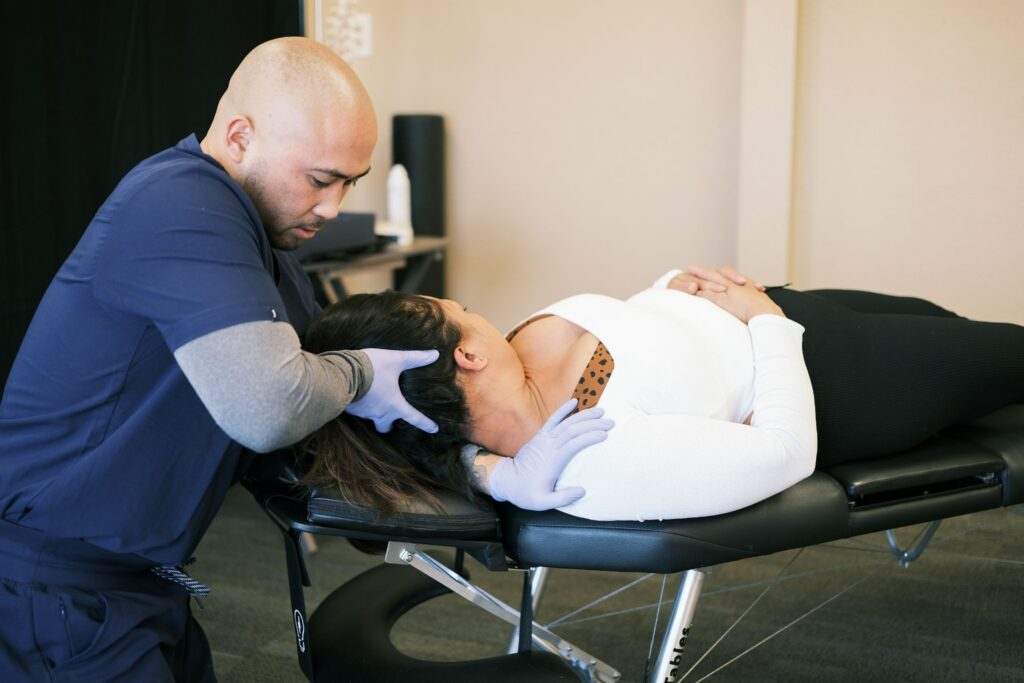

If you’ve ever experienced headaches, you might be surprised to learn just how much your alignment affects their frequency and intensity. Your posture, spinal health, and jaw position play a significant role in the tension you experience. By understanding these connections, you can uncover effective ways to alleviate discomfort naturally.
Let’s explore how alignment can be a key factor in achieving headache relief, and why chiropractic care is the best choice for maintaining optimal health.
- Posture Matters: Poor posture can lead to muscle tension in the neck and shoulders, which often contributes to headaches. Regular chiropractic adjustments can help correct your posture, reducing these tensions and promoting overall wellness.
- Spinal Health: Your spine houses your nervous system, which controls every function in your body, including pain perception. Chiropractic care focuses on spinal alignment to ensure your nervous system operates efficiently, helping to minimize headaches.
- Jaw Position: Misalignment of the jaw, known as TMJ dysfunction, can lead to headaches. Chiropractors can assess and treat jaw alignment issues, relieving tension in the surrounding muscles.
- Muscle Balance: Imbalances in muscle tension can lead to headaches. Chiropractors use specific adjustments and exercises to restore balance, promoting relaxation and reducing pain.
- Stress Reduction: Stress can exacerbate headaches. Chiropractic care often includes relaxation techniques and lifestyle advice to help manage stress levels, leading to fewer headaches.
- Holistic Approach: Chiropractic care takes a holistic view of health, addressing the root causes of headaches rather than just the symptoms. This means you can achieve long-term relief and overall wellness.
- Natural Healing: Chiropractic adjustments promote the body’s natural healing processes, allowing it to recover from headaches without the need for medications that may mask symptoms.
- Improved Sleep: Many people find that regular chiropractic care improves their sleep quality, which is crucial for headache prevention. Better sleep means less tension and fewer headaches.
- Education and Awareness: Chiropractors educate patients on the importance of proper body mechanics and ergonomics, empowering you to make lifestyle changes that can reduce headache frequency.
- Personalized Care: Every individual is different, and chiropractic care is tailored to meet your specific needs. This personalized approach ensures that you receive the most effective treatment for your headaches.
By focusing on alignment and the benefits of chiropractic care, you can take proactive steps towards headache relief and overall health. If you’re struggling with headaches, consider visiting a chiropractor to explore how they can help you live a pain-free life naturally.
Key Takeaways
- Proper spinal alignment is crucial for enhancing the pathways through which your nerves communicate, helping to decrease the frequency of headaches by reducing pain sensitivity and dysfunction. By ensuring your spine is aligned, you support your body’s natural ability to heal and function optimally.
- Regular visits to your chiropractor for adjustments can help maintain proper spinal alignment, which in turn promotes a more efficient nervous system. This can lead to significant relief from headache symptoms, allowing you to enjoy life to the fullest.
- Chiropractic care effectively addresses misalignments in the spine, which can relieve tension in the neck and shoulders—common culprits behind headaches. By correcting these misalignments, you can reduce the strain that often leads to discomfort.
- Setting up your workspace ergonomically is key to maintaining good posture. This simple adjustment can lessen the strain on your neck and shoulders, helping to prevent headaches before they start. Remember, your environment plays a big role in your overall health!
- Engaging in core stability exercises can be incredibly beneficial for maintaining spinal alignment. A strong core supports your spine and helps alleviate muscle strain and tension that are often associated with headaches. Incorporating these exercises into your routine can make a world of difference in how you feel.
By focusing on these natural methods and seeking chiropractic care, you’re taking a proactive approach to your health and wellness. Remember, your spine is the foundation of your overall well-being, so prioritize its alignment for a pain-free life!
The Role of Posture in Headache Frequency
When you slouch or hunch over your desk, you mightn’t realize just how much your posture impacts your headache frequency. Poor posture can put strain on your neck and shoulder muscles, often leading to tension headaches. When you lean forward, it can compress your spine and restrict blood flow to your brain, causing discomfort.
To help reduce headache occurrences, it’s crucial to maintain an upright position throughout your day. Here are some simple tips you can incorporate into your routine:
- Feet Flat on the Floor: Ensure your feet are flat on the ground to provide a stable base.
- Ear and Shoulder Alignment: Keep your ears lined up with your shoulders to promote proper spinal alignment.
- Screen at Eye Level: Adjust your computer screen so it’s at eye level, which can help you avoid leaning forward.
These small adjustments can significantly alleviate the pressure on your muscles and nerves, leading to fewer headaches.
Moreover, it’s beneficial to take regular breaks to stretch and reset your posture. Simple neck rolls or shoulder shrugs can make a world of difference. Engaging in exercises that strengthen your core can further enhance your alignment and contribute to better posture overall, reducing the frequency of headaches.
Chiropractic care plays a vital role in achieving and maintaining optimal spinal health. Regular chiropractic adjustments can help correct misalignments that contribute to poor posture and tension. By focusing on your posture and seeking chiropractic support, you not only enhance your comfort while working but also take significant steps toward natural healing and overall wellness. Remember, prioritizing your posture is a key part of living a healthier, headache-free life!
How Spinal Alignment Affects Nerve Function
Spinal alignment is crucial for the proper functioning of your nerves. When your spine is aligned correctly, it creates a clear pathway for nerve signals to travel between your brain and body. This communication is essential for regulating various bodily functions, including how we perceive pain. However, misalignments, known as subluxations, can put pressure on nerves, leading to dysfunction and heightened sensitivity to pain.
If your nerve pathways are disrupted, you may experience headaches as your brain struggles to receive accurate signals from your body. By maintaining proper spinal alignment, you can ensure that your nervous system operates efficiently, reducing the chances of headaches and other discomforts.
One of the best ways to achieve and maintain spinal alignment is through regular chiropractic adjustments. These gentle, non-invasive treatments can help restore alignment, allowing your nerves to function at their best.
In addition to chiropractic care, here are some general tips to support your spinal health and overall well-being:
- Stay Active: Engage in regular physical activity to strengthen your back and core muscles, which support your spine.
- Practice Good Posture: Be mindful of your posture while sitting, standing, and walking. Proper alignment can prevent strain on your spine.
- Use Ergonomic Furniture: Consider using chairs and desks that promote good posture to reduce the risk of misalignment.
- Stretch Regularly: Incorporate stretches into your daily routine to improve flexibility and reduce tension in your muscles.
- Stay Hydrated: Drinking plenty of water helps maintain the elasticity of spinal discs, which can contribute to better alignment.
The Impact of Tension in the Neck and Shoulders
Tension in the neck and shoulders can significantly lead to headaches and discomfort. Many people carry stress in these areas, which can create tightness that radiates pain to your head. Understanding this connection is key when seeking relief from headaches.
As a chiropractor, I want to emphasize that addressing tension in the neck and shoulders can be a natural and effective way to alleviate headaches. Chiropractic care focuses on spinal health and can help restore balance to your body, reducing pain and improving overall wellness.
Here are some common symptoms of tension and how they can impact headaches:
| Symptoms of Tension | Impact on Headaches |
|---|---|
| Tightness in neck | Can lead to tension headaches |
| Shoulder stiffness | May cause referred pain to the head |
| Limited range of motion | Increases headache frequency |
| Stress and anxiety | Heightens sensitivity to pain |
If you’re experiencing tension in your neck and shoulders, here are some tips you can incorporate into your daily routine:
- Regular Chiropractic Care: A chiropractor can help align your spine, relieve tension, and improve your overall health, which can reduce the frequency and intensity of headaches.
- Stretch Daily: Gentle neck and shoulder stretches can help release tightness. Try rolling your shoulders backward and forward or gently tilting your head side to side.
- Practice Good Posture: Ensure that your sitting and standing positions are ergonomic. Keeping your spine aligned will help reduce strain on your neck and shoulders.
- Stay Hydrated: Drinking plenty of water can help maintain muscle function and reduce tension.
- Manage Stress: Incorporate relaxation techniques such as deep breathing, meditation, or yoga into your daily routine to help reduce stress-related tension.
Balancing the Body: The Importance of Core Stability
Balancing the Body: The Importance of Core Stability
As a chiropractor, I often see patients who prioritize strength and flexibility but overlook the critical role of core stability in overall health. A stable core is essential for maintaining balance and preventing injuries. It acts as a support system for your spine and pelvis, providing a solid foundation for all your movements. When your core is weak, it can lead to poor posture and misalignment, which may result in discomfort or even headaches.
Incorporating simple core stability exercises into your daily routine can significantly enhance your control over movements and reduce strain on your muscles. Effective exercises like planks, bridges, and using a stability ball can help strengthen your core. These exercises are easy to perform at home and require minimal equipment, making them accessible to everyone.
By prioritizing core stability, you not only boost your physical performance but also promote better alignment throughout your body. This improved alignment can alleviate tension in your neck and shoulders, which is vital for relieving headaches. Remember, a strong core supports your entire body, leading to better posture and reducing the risk of pain.
The Connection Between Jaw Alignment and Headaches
Your overall health and well-being can be significantly affected by the alignment of your jaw. When your jaw isn’t properly aligned, it often leads to tension in your head, neck, and shoulders, resulting in frequent headaches. Misalignment can put a strain on the muscles surrounding your jaw, causing discomfort that can radiate to other areas of your body.
One common issue related to jaw misalignment is bruxism, or teeth grinding. This condition can intensify headaches and is often a result of your jaw being out of sync. When your bite is affected, it creates additional tension and pain that can be quite bothersome.
As a chiropractor, I want to emphasize that addressing jaw alignment is crucial for overall wellness. Chiropractic care can help realign your jaw and alleviate the associated symptoms, promoting natural healing and pain relief.
Here are some general tips to help you manage jaw tension and headaches:
- Practice Relaxation Techniques: Stress can contribute to jaw tension. Techniques such as deep breathing, meditation, or gentle yoga can help you relax and reduce tension in your jaw.
- Maintain Good Posture: Proper posture can have a big impact on jaw alignment. Be mindful of your posture, especially when sitting at a desk or using your phone.
- Apply Warm Compresses: If you’re experiencing jaw pain or tension, a warm compress can help relax the muscles and ease discomfort.
- Stay Hydrated: Drinking plenty of water throughout the day can help prevent muscle cramps and promote overall health.
- Seek Chiropractic Care: Regular visits to a chiropractor can help ensure that your jaw and spine are properly aligned, reducing the risk of headaches and discomfort.
How Foot Alignment Influences Overall Posture
Foot alignment is essential for maintaining a healthy posture, and as a chiropractor, I want to emphasize how important this foundation is for your overall well-being. When your feet are misaligned, it can create imbalances that ripple through your entire body, affecting your hips, spine, and even your neck. Over time, these misalignments can lead to discomfort, tension, and even headaches.
Here are some key ways that foot alignment influences your posture and how chiropractic care can help:
- Support: When your feet are properly aligned, they provide a strong base to support your entire body weight. This foundation is crucial for maintaining good posture throughout your daily activities, whether you’re standing, walking, or sitting.
- Balance: Good foot alignment is vital for maintaining balance. When your feet are aligned, you’re less likely to experience falls or injuries, giving you the confidence to move freely.
- Joint Alignment: Proper foot alignment encourages the correct positioning of your knees, hips, and spine. This alignment minimizes strain on your joints, reducing the risk of pain and discomfort. Chiropractic care can help identify and correct misalignments, promoting a healthier posture.
- Muscle Engagement: When your feet are aligned, your muscles can work more efficiently, which prevents overuse and fatigue. Chiropractic adjustments can help ensure that your muscles are engaged correctly, allowing for smoother movements and improved strength.
Takeaway Tips:
- Pay attention to your footwear. Choose shoes that provide proper arch support and cushioning to promote healthy foot alignment.
- Consider incorporating simple foot exercises into your routine to strengthen the muscles that support your feet and ankles.
- Regular chiropractic adjustments can help maintain proper alignment throughout your body, enhancing your overall health and wellness.
The Effects of Sitting Position on Headache Severity
Improper sitting positions can significantly impact headache severity, especially for those who spend long hours at a desk. When you slouch or lean forward, you put unnecessary strain on your neck and shoulders, which can lead to tension headaches. Additionally, the position of your head affects the alignment of your spine; misalignment can create pressure that contributes to discomfort.
As a chiropractor, I want to emphasize the importance of maintaining proper posture not only for aesthetics but for your overall well-being. To help alleviate headache symptoms, ensure that your chair provides adequate support for your lower back and that your feet are flat on the floor. Adjust your computer screen to eye level to avoid straining your neck. Incorporating regular breaks to stretch and move is also essential in relieving tension and preventing discomfort.
In addition to these tips, consider chiropractic care as a natural and effective way to address headache issues. A chiropractor can help assess your posture and spinal alignment, providing personalized adjustments and guidance that promote optimal health. By focusing on your sitting position and seeking chiropractic care, you can significantly reduce headache severity and enhance your overall comfort. Remember, taking care of your spine is key to living a healthier, pain-free life!
The Relationship Between Flexibility and Headache Relief
Stretching regularly can play a crucial role in alleviating headaches, and as a chiropractor, I can tell you that increased flexibility is essential for reducing tension in the muscles surrounding your neck and shoulders.
By incorporating flexibility exercises into your daily routine, you may notice a significant decrease in both the frequency and intensity of headaches. Here are some important benefits of improved flexibility for headache relief, along with how chiropractic care can support your journey to wellness:
- Reduced Muscle Tension: Stretching helps relax tight muscles, easing pressure on nerves that can trigger headaches. Chiropractic adjustments can further enhance this effect by aligning your spine and relieving tension in the surrounding muscles.
- Improved Posture: Enhanced flexibility leads to better alignment, which minimizes strain on your neck and upper back. Regular chiropractic care can help you maintain proper posture and address any misalignments that contribute to discomfort.
- Increased Blood Flow: Stretching promotes circulation, delivering essential nutrients and oxygen to the brain. This can help alleviate headache symptoms. Your chiropractor can also help improve blood flow through spinal adjustments, ensuring that your nervous system functions optimally.
- Stress Relief: Engaging in flexibility exercises can lower stress levels, a common headache trigger. Chiropractic care not only addresses physical tension but can also provide a calming experience that promotes relaxation and mental well-being.
Tips for Incorporating Flexibility into Your Routine:
- Start with gentle neck and shoulder stretches, holding each stretch for 15-30 seconds.
- Consider adding yoga or Pilates to your weekly routine, which focuses on flexibility and relaxation.
- Schedule regular chiropractic visits to address any underlying issues and maintain optimal alignment.
Remember, achieving optimal health and relief from headaches is a journey that involves both flexibility exercises and chiropractic care.
The Benefits of Regular Chiropractic Adjustments
Regular chiropractic adjustments are a powerful way to boost your overall health and effectively manage headaches. By ensuring that your spine is properly aligned, you can enhance your body’s performance and relieve built-up tension. Let’s explore some of the key benefits of regular chiropractic care:
| Benefit | Description | Impact on Headaches |
|---|---|---|
| Improved Alignment | Keeps your spine in its ideal position | Reduces how often headaches occur |
| Enhanced Mobility | Increases your range of motion | Eases tightness in muscles |
| Pain Relief | Alleviates discomfort throughout the body | Provides relief from headache pain |
| Stress Reduction | Encourages relaxation | Lowers the chances of headache triggers |
Integrating chiropractic care into your routine not only targets existing headaches but also serves as a proactive approach to your health. Many patients report feeling more energetic and focused, which makes it easier to navigate daily activities without the distraction of pain.
Here are some simple tips to enhance your wellness along with chiropractic adjustments:
- Stay Hydrated: Drink plenty of water throughout the day. Proper hydration supports spinal health and can help prevent headaches.
- Practice Good Posture: Whether you’re sitting at a desk or using your phone, maintaining good posture can reduce strain on your spine and lessen headache frequency.
- Incorporate Stretching: Regular, gentle stretching can improve flexibility and relieve muscle tension that may contribute to headaches.
- Manage Stress: Engage in relaxation techniques like deep breathing, meditation, or yoga. These practices can complement your chiropractic care and reduce stress levels.
- Get Regular Adjustments: Make chiropractic visits a regular part of your health routine. Consistency can lead to long-lasting benefits and prevent headaches before they start.
Mind-Body Techniques for Improving Alignment and Reducing Headaches
Integrating mind-body techniques into your wellness routine can significantly enhance the benefits of chiropractic care, particularly when it comes to improving spinal alignment and easing headaches. By recognizing the strong connection between your mind and body, you can adopt a holistic approach to your health that complements your chiropractic treatments.
Here are four effective techniques that you can easily incorporate into your daily life:
- Meditation: Dedicate just a few minutes each day to quiet reflection. This simple practice can help reduce stress and promote relaxation, leading to less tension in your neck and shoulders, which are common culprits of tension headaches.
- Breathwork: Engaging in deep breathing exercises can be incredibly beneficial. Not only does it enhance oxygen flow throughout your body, but it also helps relieve muscle tension, supporting proper spinal alignment and overall wellness.
- Yoga: Incorporating gentle yoga stretches into your routine can work wonders. These movements increase flexibility and strength, which are essential for maintaining proper alignment and reducing the likelihood of headache triggers. Plus, yoga encourages mindfulness, which can further enhance your connection to your body.
- Guided Imagery: Visualization techniques can be a powerful tool for mental alignment. By picturing your body in a state of balance and relaxation, you can help release tension and foster a sense of well-being, which complements the physical adjustments you receive from chiropractic care.
Conclusion
Incorporating proper alignment into your daily routine can significantly reduce the frequency and severity of headaches, making chiropractic care a vital part of your wellness journey. By prioritizing good posture, spinal health, and core stability, you can relieve tension and enhance your overall well-being.
Don’t overlook the importance of jaw alignment, flexibility, and regular chiropractic adjustments. These aspects not only help alleviate headaches but also contribute to a healthier spine and body. Techniques like deep breathing, stretching, and mindfulness can further enhance your relief and promote a sense of balance in your life.
By staying proactive about your alignment and making chiropractic care a regular part of your routine, you’ll not only ease your headaches but also pave the way for a healthier, more vibrant lifestyle. Remember, taking care of your spine is taking care of your health!