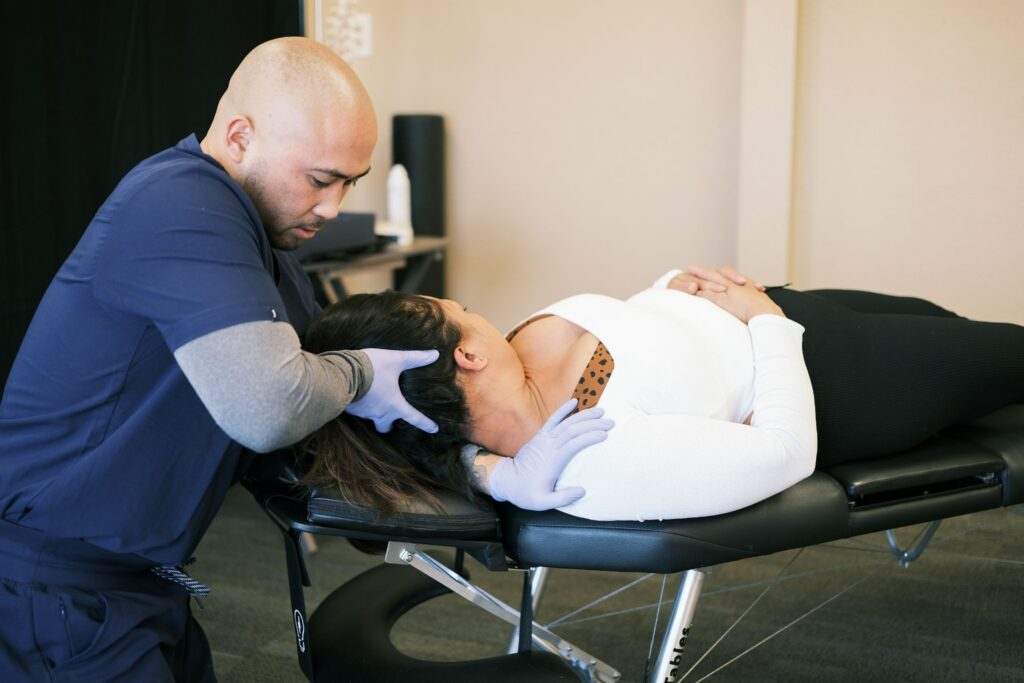

If you’re dealing with migraines, consider the incredible benefits of chiropractic care as a natural solution for relief. Many of my patients have found that regular chiropractic adjustments not only alleviate their migraine symptoms but also improve their overall well-being. By focusing on spinal alignment and nervous system health, chiropractic care addresses the root causes of migraines rather than just masking the symptoms.
In addition to chiropractic adjustments, there are several lifestyle changes and natural remedies that can enhance your wellness journey. For instance, maintaining a balanced diet rich in magnesium and omega-3 fatty acids can be beneficial. Staying hydrated and managing stress through techniques like yoga or meditation can also help reduce the frequency of migraines.
Another effective strategy is to pay attention to your posture. Poor posture can lead to tension in the neck and back, which may trigger migraines. Simple adjustments in your workspace or daily activities can make a significant difference.
If you’re curious about how chiropractic care can help you achieve optimal health and reduce migraine occurrences, I encourage you to explore this holistic approach. Together, we can develop a tailored plan that addresses your unique needs and promotes a healthier, pain-free life.
Key Takeaways
Relief for Migraines Through Chiropractic Care and Natural Solutions
If you’re struggling with migraines, it’s important to know that you have options for relief that don’t involve medications or invasive procedures. As a local chiropractor, I want to share some effective strategies that can help you manage and reduce migraine symptoms through natural healing and optimal spinal health.
- Chiropractic Care: One of the most effective ways to alleviate migraine symptoms is through chiropractic adjustments. By improving spinal alignment, we can reduce tension in your body and enhance the function of your nervous system, which may significantly lower the frequency and intensity of your migraines. Regular chiropractic visits can help keep your spine in alignment, promoting overall wellness.
- Dietary Adjustments: Nutrition plays a crucial role in migraine prevention. Incorporating magnesium-rich foods like spinach and nuts, as well as omega-3 fatty acids found in salmon, can help support your body in warding off migraines. These nutrients are known to reduce inflammation and improve brain health.
- Herbal Remedies: Consider exploring natural herbal remedies like butterbur and feverfew. These herbs have been studied for their potential to decrease migraine frequency and reduce inflammation in the body. Always consult with a knowledgeable healthcare provider to ensure they’re right for you.
- Essential Oils: Utilizing essential oils can be a soothing way to manage migraine discomfort. Peppermint oil, when applied topically, can help relieve tension headaches and promote relaxation during migraine episodes. A gentle massage with diluted essential oils on your temples can provide immediate comfort.
- Healthy Habits: Maintaining a consistent sleep schedule is vital for managing migraine triggers. Aim for 7-9 hours of quality sleep each night to help your body recover and function optimally. Additionally, staying hydrated is crucial. Dehydration can be a common trigger for migraines, so make sure to drink plenty of water throughout the day.
By focusing on these natural approaches, especially chiropractic care, you can take proactive steps towards managing migraines and achieving better overall health. Remember, your body is designed to heal itself, and with the right support, you can find relief and improve your quality of life. If you’re ready to explore how chiropractic care can help you, don’t hesitate to reach out to your local chiropractor today!
Understanding the Causes of Migraines
Understanding the causes of migraines is crucial for managing and alleviating their impact on your daily life. Migraines aren’t just severe headaches; they’re complex neurological events that can be influenced by a variety of factors. Stress, hormonal changes, and certain foods are common triggers. You may also find that lack of sleep or changes in weather can contribute to your migraines.
One effective way to take control of your migraines is by identifying your specific triggers. Keeping a migraine diary can help you notice patterns over time, enabling you to avoid known irritants. It’s also important to recognize that genetics can play a role in your susceptibility to migraines. If migraines run in your family, you may be more prone to experiencing them yourself.
In addition to understanding your triggers, incorporating regular chiropractic care into your health routine can be a powerful way to manage migraines naturally. Chiropractic adjustments help to align your spine, which can improve nervous system function and reduce tension that may contribute to migraine symptoms.
Here are some general tips to help you manage migraines and promote overall wellness:
- Stay Hydrated: Dehydration can trigger migraines, so be sure to drink plenty of water throughout the day.
- Prioritize Sleep: Establish a consistent sleep schedule to help regulate your body’s internal clock.
- Manage Stress: Engage in relaxation techniques such as yoga, meditation, or deep-breathing exercises to help reduce stress levels.
- Maintain a Healthy Diet: Pay attention to how certain foods affect you. Eating balanced meals can help stabilize your mood and energy levels.
- Regular Chiropractic Visits: Schedule regular adjustments with your chiropractor to support your spinal health and reduce tension that may lead to migraines.
The Role of Acupuncture in Migraine Relief
Chiropractic care can be a highly effective approach to finding relief from migraines. As a chiropractor, I focus on the spine and how its alignment influences overall health. Misalignments or restrictions in the spine can lead to tension and discomfort, potentially triggering migraines. By using gentle adjustments, I can help restore proper alignment, alleviate pain, and promote better overall wellness.
When you come in for a chiropractic consultation, I’ll take the time to assess your symptoms and tailor a treatment plan that directly addresses your needs. Many patients find that regular chiropractic adjustments not only help reduce the frequency and intensity of their migraines but also help manage stress—a known trigger for many people.
Chiropractic sessions usually last about 30 to 60 minutes, and while some individuals feel immediate relief, others may notice improvements over the course of several visits. The key is to stay consistent with your care for the best results.
In addition to chiropractic adjustments, there are several tips you can incorporate into your daily life to further support your health and reduce migraine occurrences. Staying hydrated, maintaining a balanced diet, practicing good posture, and managing stress through relaxation techniques, such as deep breathing exercises or gentle stretching, can all contribute to overall well-being.
If you’re looking for a natural and holistic way to manage your migraines, consider visiting a chiropractor. This approach emphasizes healing your body without relying on medications or invasive procedures, helping you reclaim your life from debilitating migraines and achieve optimal health.
Herbal Remedies for Managing Migraine Symptoms
When it comes to managing migraine symptoms, many individuals seek out natural alternatives to help alleviate their pain and discomfort. As a chiropractor, I believe in the power of holistic approaches that prioritize the body’s natural healing processes, and herbal remedies can be a part of that journey.
One option that has gained attention is Butterbur. Research indicates it may help reduce the frequency of migraines, making it an intriguing choice for those looking to minimize their symptoms. Another herb worth mentioning is Feverfew, which has been used for centuries due to its anti-inflammatory properties that may help ease pain.
You might also consider using peppermint oil. Applying it topically to your temples can provide a soothing effect, helping to relieve tension and discomfort associated with migraines. Additionally, ginger is a powerful ally that can assist with nausea—a common issue for many migraine sufferers.
However, before trying any herbal remedy, it’s essential to consult with a healthcare professional to ensure that it’s safe and appropriate for your individual needs. Remember, chiropractic care can also play a significant role in managing migraine symptoms. By focusing on spinal health and alignment, we can help reduce the frequency and intensity of migraines naturally.
Incorporating lifestyle changes, such as regular chiropractic adjustments, staying hydrated, managing stress through techniques like yoga or meditation, and maintaining a balanced diet can all contribute to improved overall wellness and potentially lessen migraine occurrences.
Dietary Adjustments to Prevent Migraines
When it comes to preventing migraines, making dietary adjustments can significantly enhance your overall wellness and help you manage your symptoms more effectively. As a chiropractor, I believe in the power of natural healing and maintaining a balanced lifestyle.
First and foremost, it’s essential to identify any trigger foods that might set off your headaches. Common culprits can include aged cheeses, processed meats, and certain additives. Keeping a food diary can help you pinpoint these triggers and make better choices.
Staying hydrated is another key factor. Dehydration can lead to headaches, so make sure you’re drinking plenty of water throughout the day. This simple step can make a world of difference in how you feel.
Additionally, aim for a balanced intake of nutrients. Incorporating a variety of fruits, vegetables, whole grains, and lean proteins into your diet can support your body’s natural ability to heal. Nutrient-rich foods can also provide essential vitamins and minerals that promote overall health, which is vital for reducing the frequency and intensity of migraines.
Lastly, don’t forget that chiropractic care plays a crucial role in achieving optimal health. Regular adjustments can help improve spinal alignment, relieve tension, and enhance your body’s natural healing processes.
Trigger Food Identification
Identifying trigger foods is a crucial step in managing migraines and promoting overall wellness. Even small changes in your diet can lead to significant relief from headaches. As a chiropractor, I encourage you to take a holistic approach to health, including paying attention to what you eat. Keeping a food diary can be a helpful tool: track your meals and note when your migraines occur to identify potential trigger foods.
Here are three common culprits to consider:
- Aged cheeses – These cheeses can contain tyramine, a substance that may provoke migraines in some individuals. If you notice a pattern between cheese consumption and your headaches, it might be worth cutting back.
- Processed meats – Ingredients like nitrates and nitrites found in these meats can trigger headaches. Opting for fresh, whole food sources instead can help you feel better while supporting your overall health.
- Alcohol – Alcohol, especially red wine, can lead to dehydration and headaches. Staying hydrated and being mindful of your alcohol intake can make a difference.
In addition to monitoring your diet, consider integrating chiropractic care into your wellness routine. Chiropractic adjustments can help relieve tension in your body, which may reduce the frequency and intensity of migraines.
Hydration Importance
Staying well-hydrated is a key component of overall health and wellness, and it plays a significant role in preventing migraines. As a chiropractor, I often see how dehydration can contribute to discomfort and tension in the body, which may trigger or worsen migraines. It’s vital to drink enough water throughout the day to keep your body functioning optimally.
Aim to drink at least eight 8-ounce glasses of water daily, but remember that you might need more if you’re active or living in a warmer climate. Listen to your body; if you feel thirsty, that’s your cue to hydrate. You can also boost your hydration by incorporating water-rich foods into your diet, such as watermelon and cucumbers.
Keeping a water bottle with you throughout the day serves as a great reminder to sip regularly. By prioritizing hydration, you not only help prevent migraines but also support your body in achieving better overall health.
In addition to staying hydrated, consider the benefits of chiropractic care. Regular adjustments can improve spinal alignment and enhance your body’s ability to manage stress and tension, which are often linked to headaches. By focusing on natural healing through chiropractic, you’re taking proactive steps towards a healthier, pain-free life.
Balanced Nutrient Intake
Maintaining a balanced nutrient intake is vital for overall wellness and can play a significant role in managing migraines. As a chiropractor, I believe that a holistic approach to health, including proper nutrition and spinal care, can help you achieve optimal health and alleviate pain naturally. By making thoughtful dietary choices, you can reduce the frequency and intensity of migraine attacks. Here are three key nutrients to focus on for both migraine management and overall well-being:
- Magnesium: This essential mineral helps relax blood vessels, which may reduce the occurrence of migraines. You can find magnesium in foods like spinach, almonds, and black beans. Incorporating these into your diet not only supports migraine relief but also contributes to better spinal health.
- Omega-3 Fatty Acids: Known for their anti-inflammatory properties, omega-3s can be beneficial for alleviating migraine symptoms. Fatty fish such as salmon and plant-based sources like walnuts are great options. These healthy fats support not just your head but also your overall body, promoting a healthy spine and reducing inflammation.
- Vitamin B2 (Riboflavin): Research suggests that riboflavin may help decrease the frequency of migraines. You can get this nutrient from eggs, lean meats, and green vegetables. Ensuring you have enough B2 can enhance your energy levels and support your body’s natural healing processes.
Incorporating these nutrients into your daily routine can make a significant difference in how you feel. Remember, nutritional support is just one piece of the puzzle. Regular chiropractic care can also help by improving spinal alignment, reducing tension, and enhancing your body’s ability to heal itself.
By combining a healthy diet with chiropractic adjustments, you can take a proactive approach to managing migraines and achieving better health.
If you have any questions or want to learn more about how chiropractic care can support your wellness journey, don’t hesitate to reach out!
Mindfulness and Meditation Techniques
While migraines can be a significant challenge, incorporating mindfulness and meditation techniques into your daily routine can provide valuable relief alongside chiropractic care. By focusing on your breath and staying present, you can help reduce the stress and tension that often trigger migraines. Begin with just a few minutes each day—find a quiet space, sit comfortably, and close your eyes.
As you take deep breaths, pay attention to the sensations in your body. Notice any tightness or discomfort and consciously let it go. This process not only promotes relaxation but also complements the adjustments and therapies provided by your chiropractor, enhancing your overall well-being.
In addition to your meditation practice, consider incorporating mindfulness into your daily activities. Whether you’re enjoying a meal or taking a walk, staying grounded in the moment can help reduce anxiety and support relaxation. Remember, consistency is crucial; the more you practice mindfulness, the more effective it will be in managing your migraines.
Chiropractic care is a natural approach to pain relief that can help address the underlying issues contributing to your migraines. By focusing on spinal health and alignment, you can improve your body’s function and reduce the frequency and intensity of migraines. Embracing both chiropractic care and mindfulness techniques empowers you to take charge of your health and achieve a greater sense of wellness.
Exercise and Physical Activity for Migraine Prevention
Regular exercise can be a transformative approach to migraine prevention, and as your local chiropractor, I want to emphasize how important it’s to integrate physical activity into your daily routine for overall wellness.
Engaging in specific exercises can significantly decrease the frequency and intensity of migraines, while also promoting spinal health and enhancing your body’s natural healing processes.
The benefits of exercise extend beyond just migraine relief. Physical activity improves blood circulation, reduces stress, and can help maintain a healthy weight—all of which are crucial for optimal health.
Additionally, a well-aligned spine plays a vital role in your overall well-being, and regular movement can support proper spinal function.
To create an effective exercise routine, consider incorporating low-impact activities such as walking, swimming, or yoga, which are gentle on the body and beneficial for both your physical and mental health.
Here are some tips to help you get started:
- Start Slow: If you’re new to exercise, begin with short sessions and gradually increase your activity level. This will help your body adjust without causing unnecessary strain.
- Listen to Your Body: Pay attention to how your body responds to different activities. If something doesn’t feel right, it’s important to stop and consult with your chiropractor for personalized advice.
- Incorporate Stretching: Gentle stretching can help alleviate tension in your neck and shoulders, areas often associated with migraine triggers. Consider adding stretching exercises to your routine to enhance flexibility and reduce muscle stiffness.
- Stay Consistent: Aim for regular exercise, ideally 30 minutes a day, most days of the week. Consistency is key to reaping the benefits of physical activity.
- Combine with Chiropractic Care: Regular chiropractic adjustments can enhance your exercise routine by ensuring that your spine is properly aligned. This not only helps to alleviate pain but also supports better movement patterns during your activities.
Remember, your health and wellness journey is unique to you. By integrating regular exercise and chiropractic care into your life, you can take significant strides towards preventing migraines and achieving optimal health naturally.
If you have any questions or need guidance on how to get started, don’t hesitate to reach out to your chiropractic office for support.
Benefits of Regular Exercise
Exercise is an essential part of maintaining overall health and wellness, and it can be particularly beneficial in preventing migraines. As a chiropractor, I want to share how regular physical activity can contribute to reducing the frequency and intensity of migraine headaches, while also emphasizing the importance of spinal health in your overall wellness journey.
Here are some key benefits of exercise that can help you manage migraines:
- Stress Reduction: Engaging in physical activity helps release endorphins—natural chemicals in your body that promote feelings of happiness and relaxation. By reducing stress, which is a common trigger for migraines, you can create a healthier environment for your body and mind.
- Improved Sleep: Regular exercise can lead to improved sleep quality. When you sleep better, you’re less likely to experience fatigue-related migraines. Establishing a consistent exercise routine can help your body recognize when it’s time to wind down, promoting restorative sleep.
- Increased Blood Flow: Physical activity enhances circulation, ensuring that your brain receives the oxygen and nutrients it needs to function optimally. Good spinal alignment, supported through chiropractic care, can also play a crucial role in maintaining healthy blood flow throughout your body, reducing the risk of migraine attacks.
- Spinal Health: Incorporating chiropractic care into your wellness routine can further enhance the benefits of exercise. A well-aligned spine ensures that your nervous system operates efficiently, which is essential for overall health and can help minimize headache triggers.
Tips for Integrating Exercise into Your Routine:
- Start small: If you’re new to exercise, begin with short walks or gentle stretching. Gradually increase the duration and intensity as your body adapts.
- Choose activities you enjoy: Whether it’s dancing, swimming, or yoga, finding joy in your exercise routine will make it easier to stick with it.
- Stay consistent: Aim for at least 30 minutes of physical activity most days of the week. Consistency is key to experiencing the benefits.
- Listen to your body: Pay attention to how your body responds to different exercises. If you notice certain movements trigger migraines, consult with your chiropractor for personalized advice.
Incorporating regular exercise and chiropractic care into your lifestyle can help you take control of your health, reduce migraine occurrences, and promote overall well-being.
Types of Effective Activities
When it comes to preventing migraines, incorporating a variety of physical activities into your routine can greatly benefit your overall well-being, especially when paired with chiropractic care. Activities such as walking, swimming, or cycling help reduce stress and tension, which are common triggers for migraines. These low-impact exercises can also improve your spinal health, enhancing your body’s natural ability to heal itself.
Consider adding practices like yoga or tai chi to your routine. These not only promote relaxation but also improve flexibility and posture, which are crucial for maintaining a healthy spine. Strength training is another excellent option; it builds muscle and boosts your overall stamina, supporting your body in dealing with daily stressors.
Aim for at least 30 minutes of moderate activity most days of the week. Remember to listen to your body; if something doesn’t feel right, it’s important to adjust your routine. Finding activities you enjoy will keep you motivated and engaged, making it easier to stick with them.
In addition to being active, regular chiropractic care can enhance your results by ensuring your spine is aligned and functioning properly. This can reduce the frequency and intensity of migraines while promoting natural healing throughout your body.
Ultimately, being active not only supports migraine prevention but also contributes to a healthier and more vibrant life. Embrace these activities and consider scheduling regular chiropractic adjustments to achieve optimal health and wellness.
Creating a Routine
Incorporating physical activity into your daily life is just the first step; establishing a consistent routine can significantly aid in migraine prevention and promote overall wellness. As a chiropractor, I believe in the power of natural healing and the importance of a healthy lifestyle.
Here are three essential elements to consider when developing your routine:
- Schedule Regular Workouts: Aim for at least 30 minutes of moderate exercise five days a week. This could be as simple as a brisk walk or gentle stretches at home. Consistency is key, and regular movement not only helps with migraines but also supports spinal health and overall well-being.
- Mix It Up: Incorporate a variety of activities such as walking, cycling, or yoga. This not only keeps your routine engaging but also helps strengthen different muscle groups and improves flexibility, both of which are essential for maintaining proper spinal alignment and reducing tension that can lead to migraines.
- Listen to Your Body: It’s crucial to pay attention to how exercise affects your migraines. If you notice certain activities trigger discomfort, modify the intensity or choose different types of movement. Your body is your best guide, and adapting your routine can help you find what works best for you.
By integrating these elements into your routine, you’re not just working towards migraine prevention; you’re also fostering a healthier lifestyle that aligns with the principles of chiropractic care. Remember, the goal is to support your body naturally and promote healing from within.
Embrace these habits, and you may find relief from migraines while enhancing your overall quality of life.
Essential Oils and Aromatherapy for Pain Relief
As a chiropractor dedicated to your health and wellness, I want to share some natural approaches to alleviate migraines, including the use of essential oils and aromatherapy. These methods can complement your chiropractic care, helping you find relief and promote relaxation without relying on medications or invasive procedures.
Essential oils, such as peppermint and lavender, have been shown to provide soothing effects that may ease headache symptoms. You can simply inhale these oils directly or mix them with a carrier oil to gently massage onto your temples. This not only helps with pain relief but also promotes relaxation throughout the body.
Creating a calming atmosphere can further enhance your experience. Consider diffusing your favorite essential oils in your living space or adding a few drops to a warm bath. This practice can support your overall well-being by encouraging mindfulness and reducing stress, both of which are essential for maintaining a healthy spine and body.
In addition to these aromatherapy techniques, regular chiropractic adjustments can help address the underlying issues that may contribute to migraines, such as spinal misalignments. By aligning your spine and improving your overall nervous system function, chiropractic care can play a crucial role in achieving optimal health and wellness.
Conclusion
Managing migraines can be a challenging journey, but incorporating chiropractic care into your routine can be a game changer. As a chiropractor, I believe that understanding your body’s mechanics is essential in addressing migraine pain. By focusing on spinal health and alignment, we can often reduce the frequency and intensity of migraines.
In addition to chiropractic adjustments, it’s important to identify your personal triggers—whether they be stress, certain foods, or poor posture. Simple changes like practicing good posture, staying hydrated, and incorporating regular physical activity can go a long way in preventing migraines.
Acupuncture and herbal remedies are also worth considering as complementary options, as they can enhance the benefits of chiropractic care. Mindfulness practices, such as meditation and deep breathing exercises, can help manage stress levels, which is crucial for migraine prevention.
Don’t forget about the power of nutrition; maintaining a balanced diet rich in whole foods can contribute to overall wellness and may help reduce migraine occurrences. Essential oils and aromatherapy can offer soothing support, too.
Always remember to consult with your healthcare provider, ideally one who understands the benefits of chiropractic care, before trying new treatments. You don’t have to face this struggle alone—embracing a holistic approach to your health can lead to lasting relief and improved quality of life!