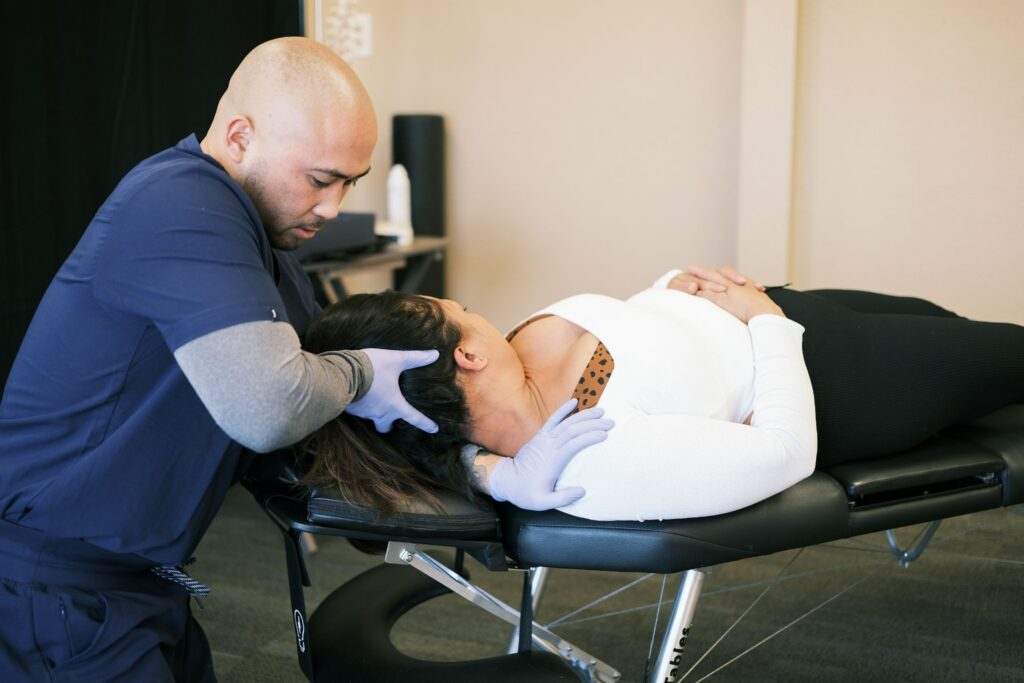

If you’ve experienced whiplash, you know how challenging neck pain can be. Thankfully, there are effective strategies to help alleviate discomfort and promote healing, with chiropractic care being one of the best options available. By focusing on natural healing methods, you can take charge of your recovery and enhance your overall wellness.
Here are some practical tips to alleviate neck pain after whiplash:
- Chiropractic Adjustments: Visiting your chiropractor can help realign your spine, which may relieve pressure on nerves and improve mobility in your neck. Regular adjustments can support your body’s natural healing process.
- Ice and Heat Therapy: Applying ice packs can reduce inflammation in the first 48 hours after an injury. After that, heat therapy can help relax tight muscles. Always wrap ice or heat sources in a cloth to protect your skin.
- Gentle Stretches: Engaging in gentle neck stretches can increase flexibility and reduce stiffness. Simple movements can be beneficial, but it’s best to consult with your chiropractor for personalized guidance.
- Maintain Good Posture: Keeping your head aligned over your spine can alleviate strain on your neck. Be mindful of your posture when sitting, standing, or using electronic devices to avoid exacerbating your pain.
- Stay Hydrated: Drinking plenty of water supports overall health and helps maintain the elasticity of spinal discs. Proper hydration contributes to healing and can improve your comfort levels.
- Ergonomic Adjustments: Make your workspace more ergonomic to reduce neck strain. Position your computer screen at eye level and use a chair that supports your back.
- Take Breaks: If you spend long periods sitting or working on tasks that require focus, take regular breaks to stretch and move around. This can help prevent stiffness.
- Sleep Support: Use a supportive pillow that keeps your neck in a neutral position. Sleeping on your back or side is generally better for spinal alignment than sleeping on your stomach.
- Mindfulness and Relaxation Techniques: Stress can lead to muscle tension. Incorporating breathing exercises or mindfulness practices can help you relax and reduce pain.
- Follow Your Chiropractor’s Advice: Your chiropractor will provide tailored recommendations based on your specific condition. Following their guidance can help you achieve optimal recovery and health.
By incorporating these tips into your daily routine and prioritizing chiropractic care, you can take proactive steps toward recovery and regain your comfort. Embrace a healthier, pain-free life through natural healing methods that focus on overall wellness.
Key Takeaways
- Start with ice therapy for 15-20 minutes each hour during the first two days after your whiplash injury. This helps to reduce inflammation and numbs pain, giving your body the chance to start healing naturally.
- After the initial 48 hours, switch to heat therapy to relax your neck muscles. You can use a heating pad or a warm towel for 15-20 minute sessions throughout the day. This promotes blood flow and helps alleviate tension.
- Incorporate gentle neck stretches into your daily routine to maintain flexibility and relieve tightness. Hold each stretch for 15-30 seconds, and remember to listen to your body—never push into pain.
- Pay attention to your posture, especially when sitting or using devices. Keeping your neck and spine aligned can significantly reduce strain and support your overall spinal health.
- Consider consulting with a chiropractor. They specialize in personalized treatment plans that not only address your pain but also promote natural healing through adjustments and rehabilitative exercises tailored to your needs. Chiropractic care is a wonderful option for achieving optimal health and wellness without the use of surgery or medication.
By following these tips and incorporating chiropractic care into your wellness routine, you can effectively manage neck pain and support your body’s natural healing process.
Apply Ice to Reduce Inflammation
Applying ice to the affected area is one of the most effective ways to reduce inflammation after experiencing whiplash. If you’re dealing with neck pain, using ice can help numb the area and reduce swelling. To do this safely, wrap ice in a thin cloth or use a cold pack to avoid frostbite. Aim to ice the area for 15 to 20 minutes every hour, particularly in the first 48 hours after the injury. This practice constricts blood vessels, helping to lower inflammation and ease discomfort.
Always pay attention to how your body responds; if you feel overly cold or notice an increase in pain, remove the ice right away. Consistency is key to getting the best results from this method. Additionally, combining icing with plenty of rest can further support your healing process.
While ice is a valuable tool in your recovery journey, don’t forget that chiropractic care is also an excellent option for addressing pain and promoting overall wellness. Chiropractors are trained to help align your spine and improve your body’s function, which can lead to more effective and lasting relief from pain.
By incorporating chiropractic adjustments into your care routine, you can support your body’s natural ability to heal and regain your normal activities more quickly.
Use Heat Therapy for Muscle Relaxation
After experiencing whiplash, many individuals find themselves dealing with muscle tension and discomfort. One beneficial approach to alleviating this tension is through heat therapy. As a chiropractor, I want to emphasize the importance of natural healing methods, and heat therapy is an excellent way to promote muscle relaxation and support your body’s recovery.
You can use various forms of heat applications, such as heating pads or warm towels. Each method has its own unique benefits, and selecting the one that feels best for you is key. For instance, a heating pad can provide consistent warmth, while a warm towel can be soothing and easy to apply.
When using heat therapy, timing and duration are essential for optimal results. Aim for sessions of about 15 to 20 minutes, allowing your muscles to absorb the warmth without overheating. You can repeat this process several times a day, especially when you feel tightness or discomfort.
In addition to heat therapy, consider incorporating gentle stretches and relaxation techniques to further enhance your recovery. Regular chiropractic adjustments can also help realign your spine, which may alleviate tension and improve your overall health.
Remember, your body has an incredible ability to heal itself, and by utilizing natural methods like heat therapy and chiropractic care, you can achieve a greater sense of well-being and relief from pain.
Always listen to your body, and if you have any concerns about your condition, don’t hesitate to reach out for professional guidance. Your journey to wellness is important, and I’m here to support you every step of the way.
Types of Heat Therapy
Heat therapy is an excellent method for alleviating muscle tension and fostering relaxation, particularly after experiencing whiplash. As a chiropractor, I believe in the body’s natural ability to heal itself, and incorporating heat therapy into your wellness routine can enhance this process. Here’s a straightforward guide to the different types of heat therapy you can consider, along with their benefits and ideal uses:
| Type of Heat Therapy | Benefits | Ideal Usage |
|---|---|---|
| Heating Pads | Offer targeted and consistent warmth | Perfect for specific areas, such as the neck or shoulders. |
| Warm Baths | Help relax the entire body | Great for full-body relief after a long day. |
| Electric Blankets | Provide convenient warmth for extended periods | Ideal for cozying up overnight while you rest. |
| Hot Stones | Promote deep relaxation of muscles | Often used in spa treatments for a luxurious experience. |
When using heat therapy, remember to always prioritize your comfort. It can be helpful to combine heat therapy with gentle stretches or chiropractic adjustments for optimal results. This combination will not only ease your discomfort but also support your journey toward better health.
If you’re unsure about which type of heat therapy is best for you or how to incorporate it into your routine, feel free to reach out for personalized advice. Your path to natural healing and wellness is just a consultation away!
Timing and Duration
When it comes to easing muscle tension after experiencing whiplash, understanding the right timing and duration for heat therapy can truly help enhance your recovery process.
Applying heat at the appropriate times can provide soothing relief to your muscles and alleviate discomfort, paving the way for improved mobility.
Here are some essential tips to keep in mind:
- Apply heat within the first 48 hours after your injury. This can help relax tight muscles and increase blood flow, which is crucial for healing.
- Keep each heat session to about 15-20 minutes. This duration is just right to provide relief without the risk of overheating or irritating your skin.
- Reapply heat every few hours if needed. This allows your body to absorb the benefits while giving your muscles time to relax.
It’s important to remember that while heat therapy can be helpful, it can also work best in conjunction with chiropractic care.
Chiropractic treatment can address the underlying issues related to whiplash, promoting natural healing and overall wellness.
Consider visiting your local chiropractor for personalized care and to explore additional methods for achieving optimal health and pain relief.
Practice Gentle Neck Stretches
Experiencing neck pain after a whiplash injury can be daunting, but gentle neck stretches can be a powerful tool for relief and healing. As a chiropractor, I believe that taking a natural approach to recovery is crucial.
Start by gently tilting your head to one side, bringing your ear toward your shoulder. Hold this position for 15-30 seconds, and you should feel a soothing stretch along the opposite side of your neck. Repeat this on the other side. This simple stretch can help release tension and improve your flexibility.
Next, gently turn your head to look over one shoulder, hold for a moment, and then switch to the other side. This movement helps maintain healthy spinal alignment and mobility.
Don’t forget to incorporate forward and backward tilts; simply move your chin toward your chest and then tilt your head back slightly. Remember, it’s important to listen to your body—never push into pain or discomfort.
These stretches can be performed several times throughout the day, especially during breaks from prolonged sitting or screen time. Regular practice can help ease tension, enhance your neck’s range of motion, and support a more comfortable recovery.
Incorporating these gentle stretches into your daily routine, along with regular chiropractic care, can provide a holistic approach to healing and wellness. Chiropractic adjustments can further help align your spine and alleviate pain, promoting optimal health.
Embrace these natural methods for a healthier, pain-free life!
Maintain Good Posture
Maintaining good posture is essential for preventing and alleviating neck pain, especially after experiencing a whiplash injury. As a chiropractor, I want to emphasize that proper alignment reduces strain on your neck and spine, contributing to overall wellness.
Here are some helpful tips to maintain good posture throughout your day, promoting natural healing and optimal health:
- Keep your head aligned: Visualize a straight line from your ears to your shoulders. This alignment helps prevent overextension of your neck, allowing for better function and less discomfort.
- Engage your core: Strong abdominal muscles play a crucial role in supporting your spine. By keeping your core engaged, you provide stability to your entire body, which can alleviate pressure on your neck.
- Adjust your workspace: Ensure your computer screen is at eye level. This simple adjustment can prevent hunching over and encourages a more natural posture, reducing strain on your neck and back.
Remember, chiropractic care is an excellent choice for addressing posture-related issues and achieving long-term relief.
Regular chiropractic adjustments can help align your spine and enhance your overall health, allowing you to live a more comfortable and active life.
Prioritizing your posture today can lead to a healthier tomorrow!
Consider Over-the-Counter Pain Relievers
When dealing with neck pain after whiplash, many people often turn to over-the-counter pain relievers for quick relief. While these medications can provide temporary comfort, they don’t address the root cause of your pain.
As a chiropractor, I believe that the best way to manage neck pain and promote overall wellness is through natural healing methods, including chiropractic care. Chiropractic adjustments can help realign the spine, improve mobility, and reduce tension in the neck and surrounding muscles. This approach not only alleviates pain but also helps your body heal itself naturally.
Instead of relying solely on medications, consider visiting a chiropractor who can assess your specific situation and recommend a personalized treatment plan.
In addition to chiropractic care, there are several simple tips you can incorporate into your daily routine to support your neck health:
- Practice Good Posture: Whether sitting at a desk or using your phone, maintain proper posture to reduce strain on your neck.
- Stay Hydrated: Drinking plenty of water can help keep the discs in your spine hydrated and healthy.
- Gentle Stretching: Incorporate gentle neck stretches into your day to relieve tension and improve flexibility.
- Heat Therapy: Applying a warm compress to your neck can help relax tight muscles and increase blood flow.
- Ergonomic Adjustments: Ensure your workspace is set up to support your neck and spine, reducing the risk of strain.
By focusing on natural, holistic methods like chiropractic care and adopting supportive habits, you can achieve lasting relief from neck pain and enhance your overall health.
Types of Pain Relievers
Many individuals experience relief from neck pain following whiplash through natural methods, and chiropractic care is a leading choice for achieving optimal health and wellness. Rather than relying on over-the-counter pain relievers, which can mask symptoms without addressing the underlying issues, chiropractic adjustments can help restore proper alignment to the spine, alleviate discomfort, and promote healing.
Here are some natural approaches to consider for managing neck pain:
- Chiropractic Adjustments: Regular visits to a chiropractor can address misalignments in the spine, which often contribute to neck pain. These adjustments can improve mobility and reduce discomfort naturally.
- Physical Therapy Exercises: Engaging in specific exercises recommended by your chiropractor can strengthen the muscles around your neck and improve flexibility, helping to prevent future pain.
- Posture Awareness: Being mindful of your posture, especially when sitting at a desk or using your phone, can significantly reduce strain on your neck. Try to keep your shoulders back and your head aligned with your spine.
- Heat and Cold Therapy: Applying a cold pack to the affected area can help reduce inflammation, while heat can soothe tight muscles. Alternating between the two can provide relief and promote healing.
- Stay Hydrated: Drinking plenty of water helps to keep your spinal discs hydrated and supports overall health, which is essential for recovery from any injury.
Incorporating these natural methods into your routine can help you find relief from neck pain and enhance your overall well-being.
Dosage Recommendations
While there are various methods to find relief for neck pain after experiencing whiplash, I want to emphasize the benefits of chiropractic care as a natural and effective option. Chiropractic adjustments can help realign your spine, reduce tension, and promote healing in a way that medications simply can’t achieve.
If you’re experiencing neck pain, visiting a chiropractor can provide you with personalized care tailored to your needs. They can assess your condition, identify any misalignments, and gently adjust your spine to restore proper function and relieve discomfort.
In addition to seeking chiropractic care, there are some simple tips you can implement at home to support your recovery:
- Gentle Stretching: Keep your neck mobile by doing gentle stretches. Try tilting your head side to side or rotating it slowly, but be careful not to push into pain.
- Heat Therapy: Applying a warm compress to your neck can help relax tight muscles and improve blood flow to the area.
- Good Posture: Be mindful of your posture, especially if you spend long hours at a desk. Ensure your workspace is ergonomically set up to reduce strain on your neck.
- Stay Hydrated: Drinking plenty of water can help maintain the health of your spinal discs, which can be beneficial for overall spinal health.
- Rest and Recovery: Allow your body time to heal by getting adequate rest and avoiding activities that exacerbate your pain.
Remember, while over-the-counter pain relievers might provide temporary relief, they don’t address the underlying issues that chiropractic care can. By choosing a holistic approach to your health, you’re not only managing your pain but also promoting long-term wellness.
If you’re uncertain about your condition or how to begin, don’t hesitate to reach out to your local chiropractor for guidance. Your journey to optimal health starts with the right support!
Potential Side Effects
While over-the-counter pain relievers can offer temporary relief from neck pain after whiplash, it’s important to consider the potential side effects that can accompany their use. Instead of relying on these medications, it’s wise to explore natural healing methods, such as chiropractic care, which targets the root cause of your pain and promotes overall wellness.
Here are some potential side effects of over-the-counter pain relievers you should be aware of:
- Stomach Issues: You might experience stomach irritation or even ulcers, which can turn every meal into a painful reminder of your choices.
- Kidney Concerns: Long-term use of these medications may lead to kidney damage, which is a serious risk that shouldn’t be overlooked.
- Dependency: Relying on pain relievers can create a cycle of dependence, where the medication masks your pain instead of addressing the underlying issue.
Instead of turning to medications, consider the benefits of chiropractic care. Chiropractors focus on spinal alignment and overall health, helping to alleviate pain naturally and effectively.
Here are some helpful tips for managing neck pain:
- Stay Active: Gentle stretching and low-impact exercises can help strengthen your neck and improve flexibility.
- Good Posture: Pay attention to your posture, especially when sitting at a desk or using your phone. Ergonomics play a key role in preventing neck pain.
- Heat and Ice Therapy: Applying heat or cold packs can provide relief from discomfort and help reduce inflammation.
- Hydration: Drink plenty of water to support your body’s natural healing processes.
Always consult with a healthcare professional, such as a chiropractor, who can guide you toward the best natural healing options for your recovery. Embracing chiropractic care not only helps relieve pain but also promotes a healthier, more vibrant lifestyle.
Explore Physical Therapy Options
When you’ve suffered a whiplash injury, seeking effective treatment can significantly enhance your recovery journey. While physical therapy can offer benefits, as a chiropractor, I want to emphasize that chiropractic care is often the best choice for pain relief and promoting natural healing. Chiropractic adjustments focus on aligning the spine and reducing tension, which helps alleviate pain and restore mobility without the need for invasive procedures or medications.
Here are some chiropractic techniques that can help you on your path to recovery from whiplash:
| Technique | Purpose | Benefits |
|---|---|---|
| Chiropractic Adjustments | Realigns the spine and neck | Relieves pain and tension |
| Soft Tissue Therapy | Eases muscle tightness | Improves flexibility |
| Rehabilitation Exercises | Strengthens supporting muscles | Enhances stability |
Your chiropractor will create a personalized treatment plan tailored to your specific needs, guiding you through gentle adjustments, stretches, and exercises. By committing to regular chiropractic sessions, you’ll not only find relief from pain but also promote overall health and wellness.
Here are some general tips to support your recovery at home:
- Maintain Good Posture: Keep your head aligned with your spine, especially when sitting for long periods. This can prevent further strain on your neck.
- Stay Active: Gentle movements and light activities can help maintain mobility. Avoid prolonged inactivity, which can lead to stiffness.
- Apply Heat or Ice: Depending on what feels best for you, using a heating pad or ice pack can help reduce pain and inflammation.
- Hydrate: Drinking plenty of water supports your body’s natural healing processes and helps keep your spinal discs healthy.
- Listen to Your Body: Pay attention to how your neck feels during activities. If something causes discomfort, modify your movements to prevent further injury.
Try Massage Therapy
In addition to chiropractic care, incorporating massage therapy can be a beneficial addition to your recovery from whiplash.
Massage therapy works hand-in-hand with chiropractic adjustments to help reduce tension, alleviate pain, and promote relaxation, making it an excellent option for managing neck discomfort.
While chiropractic care focuses on realigning the spine and improving overall function, massage therapy can enhance these benefits by addressing soft tissue issues.
Here are some emotional benefits of massage therapy that can further support your wellness journey:
- Relief from anxiety: Releasing tension through massage can help you feel lighter and more at ease, complementing the stress-relief you experience from chiropractic adjustments.
- Improved mood: The gentle touch of massage can elevate your spirits, aligning with the overall sense of well-being that chiropractic care strives to achieve.
- Enhanced sleep quality: With a relaxed body and mind, you may find that your sleep improves, which is essential for effective healing and recovery.
Remember, while both chiropractic care and massage therapy can play a role in your healing process, prioritizing regular chiropractic adjustments is key to achieving optimal health.
Always consult with your chiropractor to discuss the best holistic approach for your recovery.
Embrace these therapies as part of a healthier lifestyle, and you’ll be on your way to feeling your best!
Stay Active With Low-Impact Exercises
Staying active is crucial for your recovery from whiplash, and incorporating low-impact exercises can significantly aid in your healing process. These gentle activities help maintain your mobility without putting excessive strain on your neck, making them an ideal choice for your overall well-being.
Consider engaging in swimming, walking, or cycling; each of these options allows you to stay active while being kind to your body.
Begin your exercise journey slowly and be attentive to how your body responds. If any activity causes discomfort, feel free to modify it or explore other options. Stretching is also a key component of your recovery; gentle neck stretches can enhance your flexibility and alleviate tension. Aim to incorporate these movements into your routine a few times each week for the best results.
Always remember to warm up before starting your exercises and cool down afterward to reduce the risk of further injury. As you continue, you’ll likely feel stronger and more empowered in your recovery journey. Staying active not only helps ease your neck pain but also contributes positively to your overall health.
In addition to these exercises, consider regular chiropractic care as a natural and effective way to support your healing process. Chiropractors specialize in spinal health and can help align your spine, relieving pain and improving mobility.
By prioritizing chiropractic care, you’re choosing a holistic approach to recovery that promotes lasting wellness without the need for medications or surgeries.
Utilize a Supportive Pillow
When it comes to alleviating neck pain, choosing the right pillow is crucial for your overall well-being. As a chiropractor, I want to emphasize the importance of a supportive pillow that can help maintain the natural alignment of your spine while you sleep.
Consider both the height and the material of your pillow to ensure it provides the right support for your neck. A supportive pillow not only keeps your neck aligned but also contributes to a more restful night’s sleep, which is essential for your body’s natural healing processes.
When your spine is in proper alignment, your body is better equipped to recover from daily stresses and strains.
Here are some helpful tips for selecting the right pillow:
- Height Matters: Ensure your pillow’s height matches your sleeping position. If you’re a back sleeper, a medium loft pillow is often ideal. Side sleepers typically benefit from a higher loft to fill the gap between the head and shoulders, while stomach sleepers should opt for a flatter pillow.
- Material Selection: Look for pillows made from materials that provide support without losing shape. Memory foam and latex pillows can offer excellent support for your neck while adapting to your unique contours.
- Test It Out: Before committing to a pillow, give it a test run. Lie down on it for a few minutes in your normal sleeping position to see if it feels comfortable and supportive.
- Regular Replacement: Over time, pillows can lose their supportive qualities. Regularly replace your pillow—ideally every 1-2 years—to ensure you’re getting the best support possible.
By prioritizing a supportive pillow, you’re taking an important step toward enhancing your sleep quality and overall health.
Remember, chiropractic care is a fantastic way to address neck pain and promote natural wellness. Regular chiropractic adjustments can help keep your spine aligned, reducing discomfort and improving your quality of life.
Take care of your body, and it will take care of you!
Pillow Height Matters
Choosing the right pillow height is crucial for easing neck pain, especially after experiencing whiplash. An improper pillow height—whether it’s too high or too low—can put unnecessary strain on your neck, complicating your recovery. Ensuring that your spine remains in alignment while you sleep is essential for proper healing.
Here are some important tips to consider when selecting your pillow:
- Relief from Discomfort: A pillow that fits you well can significantly reduce your pain levels, allowing you to enjoy more restful nights. This is vital for your body to heal naturally.
- Improved Sleep Quality: Selecting the right pillow height helps minimize tossing and turning throughout the night, which results in more restorative sleep. Quality sleep is essential for overall health and recovery.
- Faster Recovery: Proper neck support is key to speeding up your healing process. When your neck is correctly aligned, it can help you return to your normal activities sooner.
As a chiropractor, I understand the importance of natural methods for pain relief and wellness. Don’t underestimate how much the right pillow can influence your journey towards a pain-free life.
If you’re struggling with neck pain, consider visiting a chiropractor for personalized care and guidance on achieving optimal health. Together, we can work towards your wellness goals, utilizing natural healing techniques to support your recovery.
Material for Comfort
Choosing the right pillow material can significantly impact your journey to relieve neck pain, especially after experiencing whiplash. As a chiropractor, I often emphasize the importance of proper spinal alignment during sleep, and the right pillow plays a crucial role in achieving that.
Memory foam pillows are a highly recommended option because they contour to your neck and head, providing exceptional support. They help maintain proper alignment, which reduces strain on your neck muscles and can aid in your recovery process.
If you tend to sleep warm and prefer something cooler, consider a gel-infused or latex pillow. These types offer both firmness and breathability, ensuring you stay comfortable throughout the night.
For those who enjoy a softer feel, down or polyester-filled pillows can provide cushioning. However, it’s essential to ensure they still offer adequate support for your neck and spine. Remember, the goal is to keep your spine aligned to promote healing and comfort.
As you explore different pillow materials, don’t hesitate to test them out. Everyone’s comfort level is different, so finding what works best for you is key.
Additionally, consider incorporating chiropractic care into your routine. Regular adjustments can help enhance your overall wellness and alleviate pain more effectively.
Investing in the right pillow, combined with the benefits of chiropractic care, can greatly improve your recovery and overall sleep quality. Prioritize your comfort and spinal health—it’s an important step toward living a healthier, pain-free life.
Consult a Healthcare Professional for Guidance
If you’re dealing with neck pain after a whiplash injury, chiropractic care can be a highly effective option for relief and recovery. A chiropractor can create a personalized treatment plan designed just for you, helping to ease your pain and promote healing in a natural way.
Here’s when you should consider visiting a chiropractor:
- Persistent Pain: If you find that your neck pain is affecting your daily activities and overall quality of life, a chiropractor can help. They specialize in identifying and treating the root causes of pain rather than just masking the symptoms.
- Limited Mobility: Struggling with simple tasks due to neck stiffness? Chiropractic adjustments can improve your range of motion, making everyday activities easier and more comfortable.
- Emotional Distress: Chronic pain can take a toll on your mental well-being. Chiropractic care not only addresses physical discomfort but can also contribute to a better mood and overall emotional health by promoting relaxation and reducing stress.
During your visits, a chiropractor will guide you through gentle adjustments, stretches, and exercises tailored to your condition. They’ll monitor your progress, ensuring you’re on the right path to recovery.
In addition to chiropractic adjustments, here are some general tips to support your healing:
- Stay Active: Gentle movements and stretching can help maintain flexibility and prevent stiffness. Try to incorporate light exercises into your routine as recommended by your chiropractor.
- Posture Awareness: Pay attention to your posture, especially if you spend long hours sitting. Keeping your spine aligned can alleviate strain on your neck.
- Heat and Ice Therapy: Applying heat or ice to the affected area can help reduce pain and inflammation. Use a warm compress or an ice pack for about 15-20 minutes to soothe discomfort.
- Stay Hydrated: Drinking plenty of water helps maintain spinal health and can aid in recovery.
Don’t hesitate to reach out to a chiropractor—your health and comfort are important. Embracing chiropractic care can empower you to regain control over your life and find the relief you deserve from whiplash-related discomfort.
Conclusion
Incorporating these tips can significantly aid in managing neck pain after whiplash, and I’m here to highlight how chiropractic care can be a key part of your recovery journey. Combining ice and heat therapy, gentle stretches, and maintaining good posture not only promotes healing but also helps alleviate discomfort. Staying active with low-impact exercises is crucial, and I recommend considering a supportive pillow for better sleep quality.
Chiropractic care is a natural and effective way to address neck pain. Regular adjustments can realign your spine, reduce tension in your neck muscles, and improve overall mobility. This holistic approach helps your body heal itself without the need for medications or invasive procedures.
If your pain persists or worsens, don’t hesitate to reach out to a chiropractor. With the right care and commitment to your health, you can regain comfort and confidently return to your daily activities. Remember, prioritizing your spinal health is essential for achieving optimal wellness!