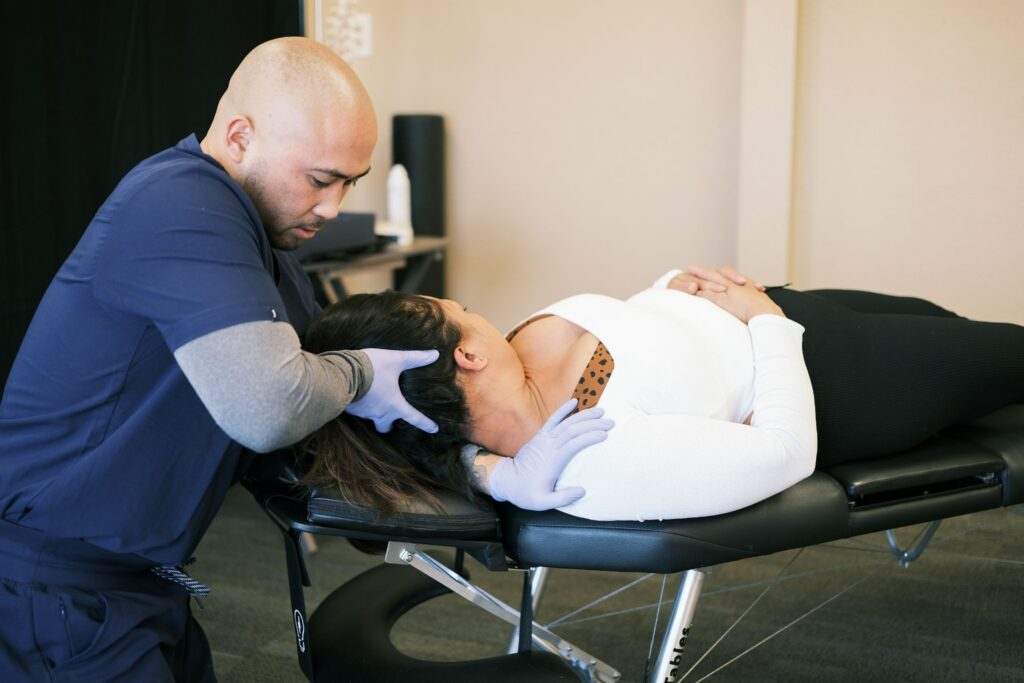

If you’ve experienced a whiplash injury, it’s important to know that there are effective ways to support your recovery naturally. Many individuals find significant relief through chiropractic care, which focuses on restoring proper alignment and function to the spine. This not only alleviates pain but also encourages your body to heal itself over time.
Chiropractic adjustments can help reduce tension in the surrounding muscles and improve mobility, making it one of the best choices for whiplash recovery. Additionally, incorporating physical therapy into your routine can further enhance your healing process by strengthening the muscles that support your spine.
Beyond chiropractic care and physical therapy, there are other holistic approaches you can adopt to facilitate your recovery. Here are a few tips to consider:
- Stay Active: Gentle movements and stretches can help keep your neck flexible. Activities like walking or light yoga can promote blood flow, which is essential for healing.
- Apply Ice and Heat: In the initial days following your injury, applying ice can reduce inflammation. After that, heat can soothe tight muscles and improve circulation.
- Practice Good Posture: Maintaining proper posture while sitting and standing can reduce additional strain on your neck.
- Focus on Nutrition: Eating a balanced diet rich in anti-inflammatory foods can support your recovery. Consider incorporating fruits, vegetables, whole grains, and healthy fats.
- Stay Hydrated: Drinking plenty of water is crucial for overall health and can aid in the healing process.
Remember, recovery from whiplash takes time, and each person’s journey is unique. By prioritizing chiropractic care and adopting these healthy habits, you can pave the way for a more effective and natural recovery. If you’re looking for personalized guidance, don’t hesitate to reach out to your local chiropractor for support tailored to your specific needs.
Key Takeaways
- Chiropractic Care: As a cornerstone of whiplash recovery, chiropractic care focuses on gently aligning the spine to alleviate pain and promote natural healing. With personalized treatment plans tailored to your unique needs, our goal is to help you regain your health and wellness without the use of medications or invasive procedures.
- Physical Therapy: Complementing chiropractic care, physical therapy plays a crucial role in your recovery. It involves guided exercises that enhance your strength and flexibility, ensuring your spine functions optimally. Together, these therapies create a holistic approach to healing.
- Pain and Inflammation Management: To support your healing journey, we recommend natural methods such as gentle movements, heat and ice therapy, and staying hydrated. These approaches help reduce discomfort and promote recovery without relying on medications.
- Therapeutic Exercises: Our chiropractors can provide you with personalized exercises designed to strengthen your neck and back muscles. These exercises not only improve functionality but also play a significant role in preventing future issues, ensuring you remain active and pain-free.
- Lifestyle Adjustments: Incorporating simple lifestyle changes can greatly support your recovery. Focus on maintaining good posture, engage in gentle exercises, and prioritize regular chiropractic visits. These habits will contribute to your overall well-being and enhance the effectiveness of your recovery process.
By choosing chiropractic care, you’re taking a proactive step towards achieving optimal health and wellness. Remember, your body has an innate ability to heal itself, and with the right support, you can recover from whiplash and prevent future discomfort.
Understanding Whiplash Injury
Whiplash is a common neck injury that often happens after a sudden jolt, like in a car accident. When your head snaps forward and then back, the soft tissues in your neck can stretch or tear, leading to pain and stiffness. You might notice symptoms such as headaches, dizziness, or trouble moving your neck. It’s important to be aware of these signs; they can appear right away or develop over a few days.
Understanding how whiplash affects your body is crucial for recovery. This injury can disrupt your daily activities and affect your overall well-being. You might find it hard to concentrate or get a good night’s sleep. That’s why seeking early diagnosis and treatment is vital. Chiropractic care can be a fantastic option for addressing whiplash injuries naturally.
Chiropractors focus on aligning the spine and improving mobility, which can help alleviate pain and stiffness. Techniques such as gentle adjustments and soft tissue therapies can aid in healing and restore your neck’s function.
Here are some tips to help you manage whiplash:
- Rest and Relax: Give your body time to heal. Avoid strenuous activities for a few days.
- Apply Ice: Use ice packs on your neck for 15-20 minutes at a time to reduce swelling and numb pain.
- Stay Hydrated: Drinking plenty of water can help keep your tissues healthy and support the healing process.
- Gentle Movement: Once you’re ready, gentle neck stretches can help improve mobility. Just remember to listen to your body and stop if it hurts.
- Chiropractic Visits: Regular chiropractic adjustments can help restore proper alignment, reduce pain, and promote healing.
Chiropractic care is a natural approach that can lead to long-term relief and wellness. If you’re experiencing whiplash symptoms, don’t hesitate to reach out to a chiropractor who can create a personalized recovery plan tailored to your needs.
Your journey to optimal health starts with taking care of your spine!
Physical Therapy for Whiplash Recovery
While chiropractic care primarily focuses on spinal alignment, it can also greatly complement physical therapy in the recovery from whiplash. The goal of chiropractic treatment is to restore proper function to the spine, which is essential for overall health and wellness. By ensuring that your spine is aligned, you can enhance your body’s natural ability to heal itself.
Engaging in chiropractic care can help alleviate pain and improve mobility, making the physical therapy process even more effective. A chiropractor will perform adjustments to realign your spine, which can relieve tension and improve your range of motion. This foundational work can set the stage for the exercises and stretches that a physical therapist may recommend.
In addition to chiropractic adjustments, it’s important to incorporate certain exercises into your routine to improve strength and flexibility. Simple stretches and strengthening exercises can be done at home, and your chiropractor can guide you on which ones are most beneficial for your recovery.
Moreover, your chiropractor can teach you techniques to manage pain naturally and prevent future injuries. Utilizing modalities like heat and ice can also support the healing process, promoting relaxation in your muscles.
Staying consistent with your chiropractic care and any recommended exercises is crucial for optimal results. As you progress, your chiropractor may introduce more advanced techniques to help rebuild your strength and function.
Chiropractic Care and Its Benefits
Chiropractic care is a powerful ally in your journey to recovery, especially if you’ve experienced injuries like whiplash. By focusing on spinal alignment and mobility, chiropractic treatments can help restore your body’s natural function and promote overall wellness. Here’s how chiropractic care can significantly benefit you:
- Pain Relief: One of the most immediate benefits of chiropractic adjustments is pain relief. These gentle manipulations can help alleviate discomfort from whiplash and other injuries, allowing you to feel better faster.
- Improved Mobility: Regular chiropractic sessions can enhance your flexibility and range of motion. This means that everyday activities, whether it’s reaching for something on a shelf or turning your head, become easier and more comfortable.
- Reduced Muscle Tension: Chiropractors specialize in relaxing tight muscles, which is essential for a speedy recovery. By addressing muscle tension, you can help your body heal more effectively and reduce the risk of future injuries.
- Holistic Approach: Chiropractic care takes a whole-body approach to health. Instead of just treating symptoms, it addresses the root causes of discomfort, promoting long-term wellness and balance within your body.
Incorporating chiropractic care into your recovery plan can significantly enhance your healing process. By working with a chiropractor, you can’t only regain strength and flexibility but also build confidence in your body’s ability to recover.
Tips for Optimal Health:
- Stay active with gentle exercises and stretches to keep your body moving.
- Maintain good posture to support your spine and overall health.
- Stay hydrated and eat a balanced diet rich in nutrients to aid recovery.
Remember, choosing chiropractic care is a step towards natural healing and a healthier lifestyle. It’s a safe, effective way to promote pain relief and achieve optimal health without relying on medications or surgeries.
Let’s work together on your path to wellness!
Medications to Manage Pain and Inflammation
When you’re dealing with whiplash, it’s important to focus on managing pain and inflammation in a way that supports your overall healing. While over-the-counter pain relievers might provide temporary relief, they don’t address the underlying issues that can arise from whiplash.
That’s where chiropractic care comes in as a natural and effective solution. Chiropractic adjustments can help restore proper alignment to your spine, which is crucial for your body’s healing process. By focusing on the root cause of your discomfort rather than just masking the symptoms, chiropractic care promotes long-term wellness and recovery.
Here are some general tips to help you manage pain and inflammation while supporting your healing journey:
- Stay Active: Gentle movement can be beneficial. Activities like walking or light stretching can help maintain mobility and reduce stiffness.
- Apply Heat or Ice: Depending on your preference, alternating between heat and cold packs can help reduce inflammation and soothe sore muscles.
- Stay Hydrated: Drinking plenty of water aids in the healing process and keeps your muscles and joints healthy.
- Practice Good Posture: Maintaining proper posture, especially while sitting or working, can help alleviate strain on your neck and back.
- Consider Chiropractic Care: Regular visits to your chiropractor can help you not only find relief from pain but also improve your overall health and prevent future issues.
Over-the-Counter Pain Relievers
Whiplash pain can be challenging, but there are natural ways to find relief and support your recovery journey. While some people may turn to over-the-counter pain relievers, I want to emphasize the benefits of chiropractic care as a holistic approach to healing. Chiropractic adjustments can help alleviate pain, improve mobility, and promote overall wellness without relying on medications.
Here are some key reasons to consider chiropractic care for whiplash recovery:
- Natural Pain Relief – Chiropractic adjustments can help align the spine and relieve pressure on nerves, reducing pain naturally.
- Improved Function – By addressing misalignments in the spine, chiropractic care can enhance your body’s ability to heal itself and restore proper function.
- Enhanced Mobility – Gentle chiropractic techniques can help improve flexibility and range of motion, making it easier for you to perform daily activities.
- Holistic Approach – Chiropractic care focuses on treating the root cause of the pain rather than just the symptoms, promoting long-term wellness.
In addition to chiropractic adjustments, here are some general tips to support your recovery from whiplash:
- Stay Active: Engage in gentle neck and shoulder exercises that can help strengthen the muscles and improve flexibility.
- Heat and Cold Therapy: Applying heat or cold packs can provide relief and reduce inflammation. Just be sure to alternate between the two.
- Good Posture: Maintain proper posture while sitting and standing to minimize strain on your neck and back.
- Stay Hydrated: Drinking plenty of water supports tissue health and can aid in your recovery.
Always consult with a qualified chiropractor to tailor a treatment plan that’s right for you.
Prescription Medication Options
When dealing with whiplash pain and inflammation, it’s essential to consider natural healing methods that focus on restoring your body’s balance and promoting overall wellness. As a chiropractor, I believe that chiropractic care is one of the most effective ways to manage pain and support your recovery.
Here are some natural approaches for addressing whiplash:
- Chiropractic Adjustments: Regular adjustments can help align your spine and relieve pressure on nerves, which may reduce pain and improve mobility.
- Soft Tissue Therapy: Techniques such as massage can help relax tight muscles and improve blood flow, aiding in the healing process.
- Exercise and Stretching: Gentle exercises and stretches can strengthen your neck muscles and improve flexibility. Always consult with your chiropractor for personalized recommendations.
- Cold and Heat Therapy: Applying ice packs can help reduce inflammation, while heat can relax tight muscles. Alternate between the two for maximum relief.
- Hydration and Nutrition: Staying hydrated and consuming anti-inflammatory foods such as fruits, vegetables, and omega-3-rich foods can support your body’s recovery.
- Mindfulness and Relaxation Techniques: Stress management through practices like yoga or meditation can help you cope with pain and enhance your overall well-being.
By choosing chiropractic care and these natural methods, you can effectively manage your whiplash symptoms without the need for medications or invasive procedures.
Always consult with your chiropractor for guidance tailored to your specific condition.
Alternative Therapies: Acupuncture and Massage
When it comes to recovering from whiplash, chiropractic care stands out as a top choice for pain relief and overall wellness. While therapies like acupuncture and massage can provide some relief, chiropractic adjustments are specifically designed to address misalignments in the spine that often occur with injuries like whiplash.
By restoring proper alignment, chiropractic care not only reduces pain but also promotes optimal healing and improves overall function. Incorporating chiropractic adjustments into your recovery plan can significantly enhance your healing process and help you regain mobility more quickly.
Additionally, maintaining a healthy lifestyle through regular exercise, a balanced diet, and adequate hydration can support your recovery and overall health.
Here are some tips to enhance your whiplash recovery:
- Stay Active: Gentle, guided exercises can help improve neck strength and flexibility. Consult your chiropractor for specific recommendations.
- Practice Good Posture: Being mindful of your posture—especially while sitting at a desk or using your phone—can prevent further strain on your neck.
- Use Heat Therapy: Applying a warm compress can help relax tight muscles before your chiropractic visit.
- Stay Hydrated: Drinking plenty of water supports overall health and can aid in muscle recovery.
- Schedule Regular Chiropractic Visits: Consistent adjustments can help keep your spine aligned and promote healing.
Benefits of Acupuncture
Acupuncture can be a helpful tool for those recovering from whiplash, but as a chiropractor, I want to emphasize that chiropractic care is often the most effective way to achieve lasting pain relief and promote overall wellness.
Chiropractic adjustments focus on realigning the spine and improving nervous system function, which can lead to significant improvements in your recovery. Here are four benefits of chiropractic care for whiplash recovery:
- Pain Relief: Chiropractic adjustments can directly relieve pain by reducing nerve irritation and restoring proper alignment, allowing your body to heal more effectively.
- Reduced Inflammation: Through gentle manipulations, chiropractors can help decrease inflammation in the affected areas, which can enhance your range of motion and speed up your recovery process.
- Improved Circulation: Chiropractic care promotes better blood flow to injured tissues, ensuring they receive the nutrients and oxygen needed for healing. This can lead to a quicker recovery and improved overall function.
- Stress Reduction: Regular chiropractic visits can help alleviate the stress and anxiety that often accompany pain and recovery. By enhancing your body’s ability to heal and function, you may find that your overall stress levels decrease.
In addition to seeking chiropractic care, consider incorporating some simple tips into your daily routine to support your recovery:
- Stay Active: Engage in gentle exercises as advised by your chiropractor to maintain mobility and strength.
- Practice Good Posture: Be mindful of your posture throughout the day, especially when sitting or using electronic devices.
- Apply Heat or Cold: Depending on your symptoms, using heat or cold packs can help reduce pain and inflammation.
- Stay Hydrated: Drinking plenty of water can aid in the healing process and help reduce muscle tension.
Remember, chiropractic care is your best choice for achieving optimal health and wellness, especially during your recovery from whiplash.
If you have questions or need personalized advice, don’t hesitate to reach out to your local chiropractor.
Massage Techniques for Relief
Massage therapy can be a helpful part of your recovery process from whiplash, but as a chiropractor, I want to emphasize that chiropractic care is the most effective way to achieve optimal health and relieve pain.
By addressing the underlying spinal misalignments that may contribute to your discomfort, chiropractic adjustments can help restore proper function to your neck and spine.
While massage can certainly help reduce tension in the muscles around your neck and shoulders, chiropractic care goes deeper by focusing on the alignment of your spine and nervous system.
This holistic approach not only alleviates pain but also promotes better overall health. Techniques like spinal adjustments can help improve blood circulation and enhance your body’s natural healing abilities.
If you choose to incorporate massage into your recovery, consider combining it with chiropractic adjustments for the best results.
Gentle stretches can also be beneficial, as they enhance flexibility and range of motion. Always keep an open line of communication with your chiropractor about any discomfort you experience, ensuring a safe and effective treatment plan.
Remember, regular chiropractic care can help you manage pain and promote relaxation, making it easier for you to return to your daily activities.
Prioritizing your spinal health is key to achieving overall wellness and preventing future injuries.
Combining Treatments Effectively
While exploring ways to support your recovery from whiplash, consider how chiropractic care can play a crucial role in your healing journey. Chiropractic adjustments are designed to alleviate pain and restore proper alignment of your spine, which can significantly enhance your recovery process. Here’s how to effectively integrate chiropractic care into your treatment plan:
- Initial Assessment: Start with a thorough evaluation by a chiropractor to identify any misalignments or restrictions that may be contributing to your discomfort. This will help tailor a treatment plan specific to your needs.
- Regular Adjustments: Schedule consistent chiropractic adjustments to relieve pain and improve mobility. Regular visits can help prevent muscle tension and promote better spinal health.
- Incorporate Therapeutic Exercises: Your chiropractor may recommend specific exercises to strengthen your neck and back, which can aid in your recovery and prevent future issues.
- Listen to Your Body: Pay attention to how your body responds to the treatments. Communicating any discomfort or changes with your chiropractor will help them adjust your plan for optimal results.
- Lifestyle Tips: Incorporate healthy habits into your daily routine, such as maintaining good posture, staying active, and managing stress, to support your overall wellness.
This holistic approach through chiropractic care not only addresses your immediate pain but also fosters long-term health and balance in your body.
Importance of Rest and Activity Modification
Rest and activity modification are crucial for your recovery from whiplash, allowing your body to heal naturally and preventing further injury. When you experience whiplash, it’s important to listen to what your body is telling you. Giving yourself the time to rest is essential. By avoiding strenuous activities, you allow your muscles and ligaments the opportunity to recover without added strain.
It’s natural to want to jump back into your regular routine, but pushing yourself too hard can make your symptoms worse. Instead, focus on gradually reintroducing your activities. Pay close attention to your body’s signals; this will help you understand when it’s right to take it easy or when you can safely increase your activity level.
Consider modifying your daily tasks to avoid movements that might aggravate your neck pain. Incorporating gentle stretches and light activities, as guided by your chiropractor, can also support your healing journey. Chiropractic care emphasizes natural methods to relieve pain and restore function. Your chiropractor can provide personalized exercises and stretches that are safe and effective for your specific situation.
By prioritizing rest and making thoughtful adjustments to your activity level, you’re laying the groundwork for a successful recovery. Remember, chiropractic care is your best ally in achieving optimal health and wellness, helping you to recover from whiplash and prevent future issues.
Make sure to consult with your chiropractor for tailored advice that suits your needs, and embrace a holistic approach to your healing journey.
When to Seek Professional Help
How do you know when it’s time to seek professional help for whiplash? If you’re dealing with ongoing or worsening symptoms, it’s crucial to reach out to a healthcare professional.
Here are some signs that indicate you should consider chiropractic care:
- Severe pain: If your neck pain is intense and doesn’t improve with basic self-care, it’s a good idea to see a chiropractor. They can provide targeted adjustments and therapies to help alleviate your discomfort naturally.
- Numbness or tingling: If you experience numbness or tingling in your arms or hands, this could indicate nerve involvement. A chiropractor can assess your spine and work on any misalignments that may be causing these sensations.
- Headaches: Frequent or debilitating headaches following your injury may signal that your neck is out of alignment. Chiropractic care can help address these issues, providing relief and improving your overall well-being.
- Difficulty moving: Struggling to turn your head or perform daily activities? This is a clear sign that you should seek help. Chiropractors specialize in restoring motion and functionality to the body, enabling you to get back to your normal routine.
Don’t ignore these symptoms. Seeking chiropractic care early can lead to better recovery outcomes and help prevent chronic issues.
If you’re unsure, it’s always wise to consult a chiropractor who can guide you on the best path to recovery.
Conclusion
To conclude, recovering from whiplash is a journey that can greatly benefit from a holistic approach, with chiropractic care at the forefront. Chiropractic adjustments can help realign your spine, alleviate pain, and restore mobility, making it one of the best choices for whiplash recovery.
In addition to chiropractic treatment, incorporating physical therapy can enhance your healing process by strengthening the muscles around your neck. Staying active within your comfort zone is essential, so gentle exercises and stretches can promote flexibility and reduce stiffness.
Consider exploring alternative therapies like acupuncture or massage, as they can complement chiropractic care and provide additional relief. Always listen to your body and adjust your activities as needed—if something doesn’t feel right, don’t hesitate to reach out to your chiropractor for guidance.
Remember, your recovery is unique, and taking proactive steps towards natural healing can lead to optimal health. Focus on maintaining a healthy lifestyle, staying hydrated, and getting plenty of rest to support your healing journey. Your well-being is important, and chiropractic care can help you achieve a pain-free life!