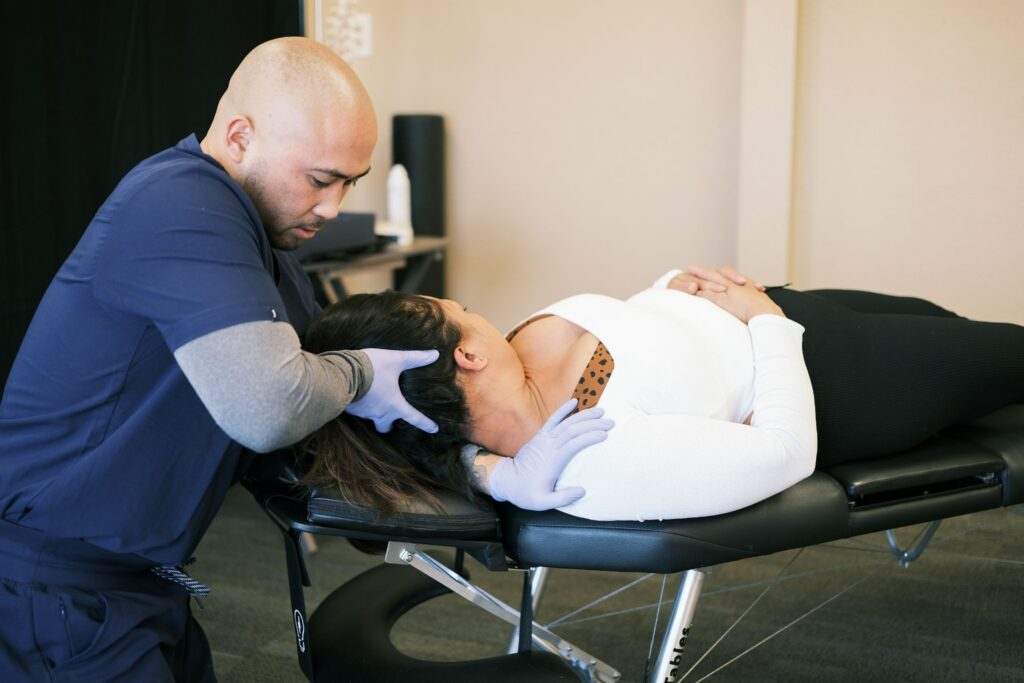

You may not realize it, but your posture is crucial to your overall health and well-being. When your posture is poor, it can lead to discomfort and pain not just in your back, but throughout your entire body. The good news is that there are effective techniques you can easily incorporate into your daily routine to improve your posture and relieve that persistent pain.
One of the best ways to start is by creating an ergonomic workspace. This means setting up your desk and chair in a way that supports your spine’s natural curves. Ensure your computer screen is at eye level, and your chair provides good lumbar support. This simple adjustment can make a world of difference in how your body feels throughout the day.
In addition to ergonomic adjustments, incorporating core-strengthening exercises into your routine can significantly enhance your posture. Strong core muscles help support your spine, reducing the strain on your back. Simple activities like planks, bridges, and pelvic tilts can be very effective.
As a chiropractor, I want to emphasize the importance of regular spinal adjustments. Chiropractic care not only addresses misalignments in your spine but also promotes optimal nerve function and overall wellness. By keeping your spine aligned, you can reduce pain and improve your posture, leading to a healthier, more balanced life.
Here are a few takeaway tips to help you improve your posture and reduce discomfort:
- Be Mindful of Your Posture: Regularly check in with your body. Are your shoulders slumped? Is your back curved? Make a conscious effort to sit and stand tall throughout the day.
- Take Breaks: If you sit for long periods, take breaks every hour. Stand up, stretch, and walk around to keep your muscles engaged and reduce tension.
- Strengthen Your Core: Incorporate core exercises into your weekly routine. Strong core muscles support good posture and can alleviate back pain.
- Stay Hydrated: Drink plenty of water to keep your muscles and joints hydrated. Proper hydration helps maintain flexibility and reduces the risk of cramping or stiffness.
- Seek Chiropractic Care: Regular visits to your chiropractor can help maintain your spinal health and address any misalignments that contribute to poor posture and pain.
By making these small changes and considering chiropractic care, you can significantly enhance your posture and overall well-being. Remember, a healthy spine is the foundation for a healthy life!
Key Takeaways
- Keep your neck in a neutral position and pay attention to your body alignment. This simple adjustment can significantly reduce discomfort and strain, making daily activities much more enjoyable.
- Strengthening your core muscles is essential for supporting good posture. Incorporate easy exercises like planks and bridges into your routine. Not only will these exercises help your posture, but they’ll also contribute to overall stability and strength.
- Creating an ergonomic workspace is a game-changer for posture improvement. Ensure your chair provides good support, and adjust your monitor to eye level. This setup promotes better posture and can alleviate discomfort during long hours of sitting.
- Don’t forget to take regular stretching breaks! Simple neck and shoulder stretches can greatly enhance your spinal flexibility and relieve tension. Make it a habit to stretch throughout your day, especially if you’re sitting for extended periods.
- Consider seeking professional chiropractic care. A chiropractor can provide personalized assessments and tailored treatment plans to address your specific postural issues. Chiropractic care is a natural and effective way to not only relieve pain but also promote overall wellness and optimal health. Embrace this holistic approach to improve your posture and well-being!
Understanding the Importance of Good Posture
Good posture is more than just standing tall; it plays a crucial role in your overall health and well-being. By maintaining good posture, you align your body in a way that minimizes strain on your muscles and ligaments. This proper alignment is vital in preventing discomfort and injuries, particularly in your back, neck, and shoulders.
When posture is neglected, it can lead to chronic pain, fatigue, and even digestive issues. Recognizing the impact of posture is the first step toward achieving better health and wellness.
As a chiropractor, I want to emphasize that good posture not only helps prevent pain but can also enhance your confidence and mood. When you sit or stand up straight, not only do you appear more self-assured, but you also feel more positive. Improved posture can even lead to better breathing, allowing your body to take in more oxygen.
Here are some simple tips to improve your posture throughout the day:
- Be Mindful: Pay attention to how you hold yourself while sitting or standing. Regularly check in with your posture to make small adjustments.
- Strengthen Your Core: A strong core supports your spine. Incorporate exercises such as planks or bridges into your routine to build core strength.
- Ergonomic Workspace: If you work at a desk, ensure your chair, desk, and computer are set up ergonomically. Your feet should be flat on the floor, and your monitor should be at eye level to reduce strain.
- Take Breaks: If you’re sitting for long periods, take short breaks to stand, stretch, and move around. This will help alleviate tension and maintain alignment.
- Chiropractic Care: Regular visits to a chiropractor can help you maintain proper alignment and address any postural issues you may have. Chiropractic care focuses on natural healing and can significantly improve your quality of life.
By integrating these habits into your daily routine, you’ll not only feel more energetic and focused but also support your journey toward optimal health.
Ergonomic Workspace Setup
To enhance your posture and overall well-being, it’s essential to create an ergonomic workspace tailored to your individual needs. As a local chiropractor, I believe that a well-designed workspace can significantly contribute to your spinal health and reduce discomfort.
Let’s dive into the key components of an ergonomic setup that promotes natural healing and healthier living.
First, adjust your desk height to ensure that your elbows are at a 90-degree angle while typing. This position helps to alleviate strain on your shoulders and neck, which can prevent long-term issues. Make sure your chair provides proper lumbar support to maintain the natural curve of your spine. A chair that encourages good posture can make a world of difference in your daily comfort.
Next, position your monitor at eye level, about an arm’s length away, to minimize neck strain. This setup will help you avoid hunching over or tilting your head, which can lead to discomfort and misalignments. If you find yourself looking down at your screen, consider using a monitor riser or adjusting the height of your chair.
In addition to these adjustments, remember to take regular breaks throughout your workday. Stand up, stretch, and move around to keep your spine flexible and reduce tension. Incorporating gentle stretches can be a great way to maintain your spinal health.
By focusing on these ergonomic principles, you can create a workspace that supports your body’s natural alignment and promotes optimal health.
As you implement these changes, consider visiting your local chiropractor for personalized advice and care. Chiropractic adjustments can complement your ergonomic setup by ensuring that your spine remains in alignment, allowing you to experience the benefits of a healthier work environment fully.
Desk Height Adjustment
Adjusting your desk height is an essential step in creating an ergonomic workspace that supports your overall health and wellness. Proper desk height can help reduce strain on your neck and shoulders, which is vital for maintaining a healthy spine. When your desk is set at the right height, you can work more comfortably and efficiently. Here’s a simple guide to help you find the ideal desk height for your body:
| User Height | Ideal Desk Height | Adjustment Needed |
|---|---|---|
| 5’0″ – 5’3″ | 24″ – 26″ | Lower |
| 5’4″ – 5’9″ | 26″ – 30″ | Standard |
| 5’10” – 6’2″ | 30″ – 32″ | Raise |
To achieve optimal comfort, ensure your elbows are at a 90-degree angle while typing. This position helps promote a natural alignment of your spine, reducing the risk of discomfort and pain. As a chiropractor, I often emphasize the importance of listening to your body. Experiment with your desk height until you find what feels best for you.
Additionally, consider incorporating some simple stretches and movements throughout your workday to keep your body limber and reduce tension. Regular breaks to stand up, stretch, or walk around can do wonders for your spinal health. Remember, a well-adjusted workspace is just one part of maintaining your overall wellness. Chiropractic care can also play a significant role in helping you achieve optimal health and pain relief. By prioritizing your ergonomic setup and incorporating chiropractic adjustments, you can support your body’s natural healing processes and enhance your quality of life.
Chair Support Features
A supportive chair is crucial for maintaining proper posture during those long hours at your desk, and as a chiropractor, I want to emphasize how important it’s for your spinal health.
An ergonomic chair can significantly enhance your comfort and productivity, leading to a healthier work experience. Here are some key features to look for in a chair that supports your spine:
- Adjustable height: This feature allows you to align your feet flat on the floor, which is essential for maintaining a balanced posture. Keeping your feet firmly on the ground can help reduce tension in your lower back.
- Lumbar support: A chair that provides lumbar support is vital for maintaining the natural curve of your spine. This support can help prevent lower back pain, which is a common issue for many people who sit for extended periods.
- Seat depth adjustment: This ensures that your back is properly supported by the chair while allowing enough space for your knees. Your knees shouldn’t be pressed against the edge of the seat, as this can lead to discomfort and strain.
- Armrests: Proper armrests can relieve shoulder tension and support your arms while typing. This helps to reduce the risk of developing neck pain and promotes better posture overall.
- Swivel base: A swivel base allows for easy movement and access to your workspace without straining. This can help you avoid awkward twisting motions that may contribute to back pain.
Investing in a chair with these features can significantly enhance your work experience and help reduce discomfort.
Remember, while a good chair is an important tool for spinal health, regular chiropractic care can further support your overall well-being. Chiropractic adjustments can help maintain proper alignment, relieve pain, and promote natural healing.
Incorporating both a supportive chair and regular chiropractic visits into your routine can lead to a healthier, pain-free lifestyle.
Monitor Placement Tips
Proper monitor placement is crucial not only for reducing eye strain but also for promoting good posture, which is essential for maintaining a healthy spine. As a chiropractor, I encourage you to start by positioning your monitor about an arm’s length away from your eyes. The top of the screen should be at or just below eye level, allowing you to look slightly downward. This setup helps keep your neck in a neutral position, reducing the risk of discomfort and pain.
If you work with multiple monitors, make sure to place your primary one directly in front of you and the secondary one slightly to the side. This configuration minimizes twisting and straining your back. It’s also important to ensure your screen is free from glare—adjust its angle or consider using an anti-glare filter.
Incorporating regular breaks is key to maintaining not just your eye health but also your overall well-being. Stand up, stretch, and move around every so often. These simple actions can help alleviate tension and promote better spinal health.
Stretching Exercises for Better Flexibility
Stretching is a vital component of achieving better flexibility and enhancing your overall posture. As a chiropractor, I want to emphasize that incorporating effective stretching techniques into your daily routine can’t only improve your body’s range of motion but also alleviate discomfort and promote natural healing.
Here, we’ll discuss some key stretches that can significantly enhance your flexibility and support your spinal health.
- Neck Stretch: Gently tilt your head to one side, bringing your ear towards your shoulder. Hold for 15-30 seconds and switch sides. This stretch helps relieve tension in the neck and upper back, which is essential for maintaining proper spinal alignment.
- Shoulder Stretch: Bring one arm across your chest and gently pull it closer with the opposite hand. Hold for 15-30 seconds and then switch arms. This stretch can help reduce shoulder stiffness, a common issue for many people.
- Cat-Cow Stretch: Begin on all fours, and alternate between arching your back upwards (cat) and lowering it downwards (cow). This dynamic stretch exercises your spine and promotes spinal flexibility, which is crucial for overall health.
- Hamstring Stretch: While seated, extend one leg out straight and bend the other, reaching toward your toes. Hold for 15-30 seconds and switch legs. Stretching your hamstrings helps improve lower back flexibility and can prevent discomfort.
- Hip Flexor Stretch: Step one foot forward into a lunge position, keeping your back leg straight. Gently push your hips forward to feel a stretch in the front of your hip. Hold for 15-30 seconds on each side. This stretch is especially beneficial for those who sit for long periods, as it helps relieve tension in the lower back.
Remember, regular stretching not only improves flexibility but also supports your spinal health.
As you incorporate these stretches into your routine, consider the benefits of chiropractic care. It complements your stretching efforts by aligning your spine, enhancing your body’s natural ability to heal, and promoting overall wellness.
For optimal results, pair your stretching routine with regular chiropractic adjustments. This combination can help you achieve a pain-free, flexible lifestyle naturally.
Always listen to your body and consult with a chiropractor for personalized advice tailored to your specific needs. Embrace a healthier way of living by prioritizing your flexibility and spinal health!
Importance of Stretching
As a local chiropractor, I can’t stress enough the importance of incorporating stretching into your daily routine. Many people overlook this simple practice, but it can significantly enhance your flexibility and overall posture, which are crucial for maintaining a healthy spine.
Stretching plays a vital role in helping you maintain a healthy range of motion, crucial for spinal health. When your muscles are tight, it can lead to imbalances and discomfort, increasing the risk of injuries. By regularly engaging in stretching exercises, you can enjoy a variety of benefits that support your wellness:
- Improved flexibility, making daily activities easier and more comfortable
- Enhanced blood circulation to your muscles, promoting healing and recovery
- Reduced muscle tension and stress, which can alleviate pain and discomfort
- Better alignment and posture, crucial for spinal health and overall well-being
- Increased body awareness and balance, helping you move more freely and confidently
Prioritizing stretching is a simple yet effective way to support your spine and overall health. It complements the benefits of chiropractic care, which focuses on natural healing and optimal wellness.
Remember, stretching doesn’t have to be complicated. Here are a few tips to get you started:
- Set a Routine: Dedicate a few minutes each day to stretching. Consistency is key!
- Focus on Major Muscle Groups: Pay attention to areas that may feel tight, such as your back, hips, and shoulders.
- Breathe Deeply: Inhale and exhale deeply while stretching to help relax your muscles.
- Listen to Your Body: Stretch to the point of mild tension, not pain. If something doesn’t feel right, ease back.
- Incorporate Movement: Try dynamic stretches before activities and static stretches after to keep your muscles engaged.
Don’t skip those stretches—your body will thank you! By making stretching a part of your routine and complementing it with regular chiropractic care, you’ll be on your way to a healthier, more balanced life.
Effective Stretching Techniques
Incorporating effective stretching techniques into your daily routine can significantly enhance your flexibility and range of motion, which are essential for maintaining spinal health and overall well-being.
Start your day or any physical activity with dynamic stretches, such as arm circles and leg swings, to warm up your muscles and prepare your body for movement. These gentle motions not only help improve flexibility but also support proper spinal alignment.
After your activity, focus on static stretches. Hold each stretch for 15-30 seconds, allowing your muscles to relax and deepen your flexibility. Key stretches to consider include the hamstring stretch, quadriceps stretch, and shoulder stretch. These target major muscle groups that often become tight and can affect your posture and spinal health.
Additionally, don’t underestimate the power of deep breathing while you stretch. Deep breathing helps you relax, promotes better oxygen flow to your muscles, and enhances the effectiveness of your stretches. Always listen to your body—if something feels painful, ease off to avoid any injuries.
Remember, your body has its own limits, and respecting them is part of staying healthy.
Practicing these stretching techniques consistently can lead to improved flexibility, better posture, and a greater sense of well-being.
As a chiropractor, I emphasize the importance of maintaining a healthy spine through natural methods like stretching and chiropractic care. These practices can be the foundation for achieving optimal health and pain relief.
Prioritize your health by integrating these simple yet effective techniques into your daily life.
Daily Stretching Routine
Incorporating a daily stretching routine is an excellent way to enhance your flexibility and support your spinal health. By dedicating just a few minutes each day, you can experience improvements in your posture and a significant reduction in discomfort.
Here are some key stretches that are particularly beneficial:
- Neck stretches: Gently tilt your head to one side and hold for a few seconds, then switch sides. This helps relieve tension and improves your neck’s range of motion.
- Shoulder rolls: Roll your shoulders forward and backward in a circular motion. This simple movement can help release tightness and promote relaxation in your upper body.
- Cat-Cow stretch: Start on all fours and alternate between arching your back (like a cat) and lowering your belly (like a cow). This stretch mobilizes your spine and improves overall flexibility.
- Hamstring stretch: Sit on the floor with one leg extended and reach for your toes. This stretches your hamstrings, increases leg flexibility, and helps reduce strain on your lower back.
- Child’s pose: Kneel on the floor, sit back on your heels, and stretch your arms forward while lowering your torso. This pose relaxes your back and provides a gentle stretch for your hips.
Making these stretches a daily habit can lead to significant benefits in your everyday movements. Consistency is essential, so consider setting a reminder or incorporating stretching into your morning or evening routine.
Remember, while stretching is a fantastic way to support your body, regular chiropractic care can further enhance your overall wellness. Chiropractic adjustments can help align your spine, improve your posture, and alleviate pain, setting the foundation for a healthier, more active lifestyle.
Embrace the journey to better health naturally, and feel empowered to take control of your well-being!
Strengthening Core Muscles
A strong core is crucial for maintaining good posture and overall stability, and it plays a vital role in supporting your spine. When your core muscles—such as the abs, obliques, and lower back—are well-developed, they help you stay upright and reduce strain on your back. This is particularly important for those seeking natural ways to enhance their wellness and alleviate pain.
To strengthen your core effectively, consider incorporating simple exercises into your routine, such as planks, bridges, and bicycle crunches. Not only do these exercises target your core, but they also enhance your balance and coordination, which can prevent injuries and improve your overall health.
Aim to engage in core-strengthening exercises two to three times a week. Focus on maintaining good form and control during each movement. As you become more comfortable, you can gradually increase the intensity and duration of your workouts.
Additionally, remember to engage your core during everyday activities, like sitting or lifting objects. This practice reinforces your strength and stability, ultimately helping to protect your spine and promote better posture.
Chiropractic care is an excellent companion to your core strengthening efforts. Regular adjustments can help ensure that your spine is aligned and functioning optimally, which enhances your ability to strengthen your core and maintain overall health.
Mindfulness and Body Awareness
Mindfulness and body awareness are vital for enhancing your posture and overall well-being, and as a chiropractor, I can assure you that these practices can significantly contribute to your spinal health. Being present and in tune with your body helps you recognize areas of tension and discomfort that may lead to poor posture. This awareness allows you to make conscious adjustments throughout your daily activities, promoting a healthier spine.
To boost your mindfulness and body awareness, here are some simple techniques you can easily incorporate into your routine:
- Breath Focus: Pay attention to your breathing. Deep, conscious breaths can help release tension in your muscles and promote relaxation, which is essential for maintaining good posture.
- Body Scans: Take a moment to check in with different parts of your body regularly. Notice any tightness or misalignment, and use this awareness to adjust your posture.
- Mindful Movement: Consider engaging in activities like yoga or tai chi. These practices not only improve flexibility and strength but also enhance your understanding of body mechanics, helping you maintain proper alignment.
- Posture Checks: Set reminders on your phone or use sticky notes in your workspace to prompt yourself to assess and correct your posture throughout the day. Being proactive can prevent discomfort and promote a healthier spine.
- Meditation: Spend a few minutes each day in quiet reflection. This practice can help clear your mind and enhance your body awareness, ultimately supporting your journey toward better health.
By implementing these practices into your daily life, you can greatly improve your posture, reduce pain, and promote a sense of well-being.
Proper Footwear for Posture Support
Choosing the right footwear is crucial for maintaining good posture and supporting your spinal health. As a chiropractor, I often see how the shoes we wear can greatly impact our alignment and overall wellness. Supportive shoes can help keep your body in the right position, reducing strain on your back and joints.
When selecting footwear, look for options that provide ample arch support, cushioning, and a snug fit. It’s best to steer clear of high heels or completely flat shoes, as they can cause misalignment and lead to discomfort over time.
Here are some key features to look for in supportive footwear, along with their benefits:
| Features | Benefits |
|---|---|
| Arch Support | Promotes proper alignment |
| Cushioning | Absorbs shock and reduces impact |
| Wide Toe Box | Allows natural toe movement |
| Firm Heel Counter | Stabilizes the foot |
| Flexible Sole | Encourages natural movement |
Incorporating these types of shoes into your daily routine can help prevent pain and support your journey toward optimal health. Remember, chiropractic care is also an excellent way to address any existing discomfort and maintain a healthy spine. By making informed choices about your footwear and seeking regular chiropractic adjustments, you can enhance your overall well-being and enjoy a more active lifestyle.
Using Posture Correctors
While proper footwear is essential for maintaining good posture, incorporating posture correctors can further support your chiropractic care efforts. These devices can assist in aligning your spine, reducing muscle strain, and serving as a gentle reminder to keep your posture in check throughout the day.
When considering a posture corrector, here are some tips to help you choose the best option for your needs:
- Comfort: It’s vital that the corrector fits well and feels comfortable. If it causes discomfort, it may not be the right choice for you.
- Adjustability: Look for a posture corrector that allows for adjustments. This will help you find the perfect fit as your posture improves.
- Material: Opt for breathable fabrics to keep you cool and comfortable, especially if you plan to wear it for extended periods.
- Design: Choose a discreet design that can be easily worn under your clothes. This way, you can maintain good posture without drawing attention to the device.
- Duration of Use: Start by wearing the posture corrector for short periods. Gradually increase the time as your body adjusts, which will enhance the benefits while minimizing any discomfort.
Remember, while posture correctors can be a helpful tool, they aren’t a substitute for regular chiropractic care. Regular visits to your chiropractor can provide personalized assessments and treatments that are essential for achieving optimal spinal health and overall wellness.
Incorporating Movement Breaks
How often do you catch yourself sitting for long stretches of time? If it’s more than you’d like, it’s essential to incorporate movement breaks into your daily routine. Taking short breaks every hour can have a remarkable impact on your posture, comfort, and overall health.
Stand up, stretch, or take a quick walk for a few minutes. These simple actions not only help relieve tension but also improve circulation and reset your posture, promoting a healthier spine.
As a chiropractor, I encourage you to consider setting reminders on your phone or using apps designed to motivate you to move. Even small changes, like standing while talking on the phone or doing calf raises at your desk, can make a significant difference in your spinal health.
Incorporate dynamic movements such as shoulder rolls or gentle twists to keep your muscles active and engaged.
Remember, maintaining a healthy spine is vital for overall wellness, and chiropractic care can provide the support you need to achieve optimal health. Regular adjustments, combined with these movement breaks, can help you feel your best.
Make these small changes today, and your body will thank you!
Seeking Professional Help When Needed
If you’ve been working on your posture but still find yourself dealing with discomfort or misalignment, reaching out for professional help can truly make a difference. As a chiropractor, I specialize in assessing individual situations and offering tailored solutions that focus on natural healing and overall wellness.
Here are some key benefits of chiropractic care for improving your posture:
- Thorough Assessment: I’ll identify the specific postural issues you’re facing, helping us understand the root cause of your discomfort.
- Customized Treatment Plans: Together, we’ll create a personalized plan that addresses your unique concerns, focusing on adjustments and exercises designed just for you.
- Expert Guidance: I’ll provide you with advice on specific exercises and stretches that can help strengthen your posture and alleviate pain.
- Ongoing Support: Regular visits will allow us to track your progress and make necessary adjustments to your treatment plan, ensuring you stay on the path to better health.
- Holistic Approach: Chiropractic care considers your overall lifestyle and ergonomics, allowing us to address not just the symptoms but also the factors that contribute to poor posture.
Investing in chiropractic care can lead to lasting improvements in your posture and a significant reduction in pain. It’s a natural, drug-free way to achieve optimal health. Remember, your body deserves the best care possible, so don’t hesitate to reach out for help!
In the meantime, here are some simple tips to incorporate into your daily routine:
- Stay mindful of your posture: Remind yourself to sit up straight and avoid slouching, especially when working at a desk.
- Take breaks: Stand up and stretch every hour to relieve tension and improve circulation.
- Strengthen your core: Engaging in exercises that strengthen your core muscles can provide better support for your spine.
Conclusion
Improving your posture and alleviating pain can be accomplished through some straightforward techniques, and as your local chiropractor, I’m here to guide you on this journey towards better health and wellness. One of the most effective ways to enhance your posture is by setting up an ergonomic workspace. This means adjusting your chair, desk, and computer screen to promote a natural alignment of your spine.
Incorporating simple stretching and strengthening exercises into your daily routine is also essential. These exercises help support your spine and improve muscle balance, which is crucial for maintaining good posture. Don’t underestimate the power of mindfulness, too. Taking a moment to check in with your body and adjust your posture throughout the day can make a significant difference.
Proper footwear plays a vital role in spinal health, so choose shoes that provide adequate support and comfort. Additionally, remember to take movement breaks regularly. Standing up, stretching, or walking around for a few minutes can help alleviate tension and keep your body aligned.
If you’re experiencing persistent discomfort or pain, I encourage you to seek chiropractic care. Our tailored treatments can address the root cause of your issues, providing personalized guidance to help you achieve optimal health. By committing to these practices and considering chiropractic care, you can enhance your posture and enjoy a more comfortable, pain-free life. Remember, your spine is the foundation of your overall well-being—let’s take care of it together!