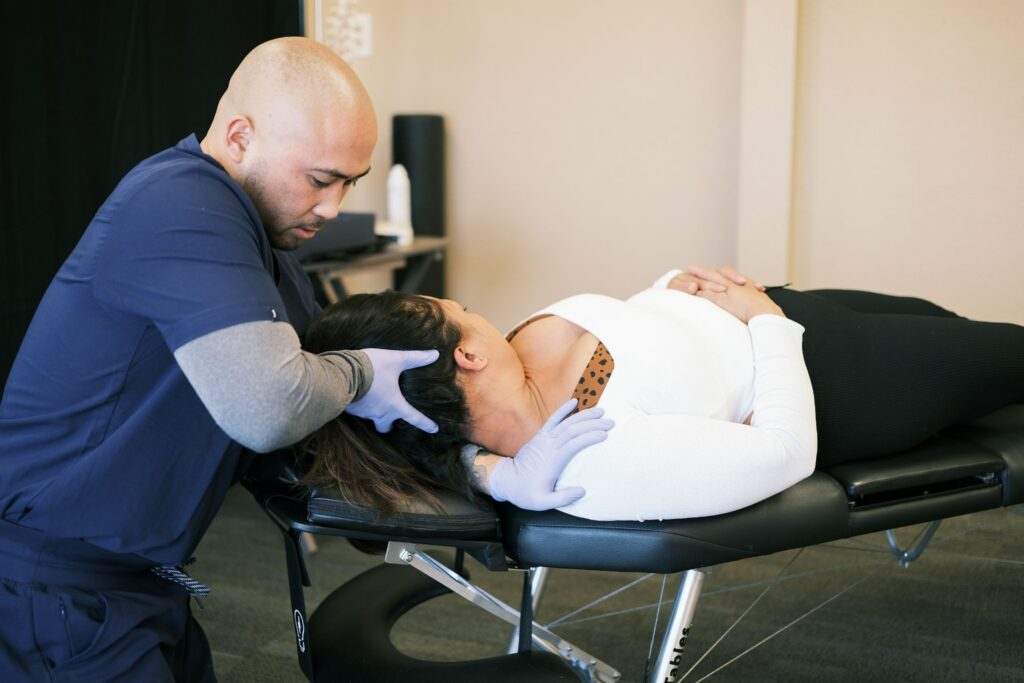

As a local chiropractor, I understand that back pain can be a daily challenge for many of you. It’s important to know that you don’t have to endure this discomfort alone. There are numerous effective remedies that can help ease your pain and enhance your overall well-being.
In our practice, we emphasize the benefits of natural healing methods, which range from simple stretching exercises to more advanced chiropractic techniques. Each approach offers its own set of advantages tailored to your individual needs. If you’re looking for practical strategies to manage your back pain, I invite you to explore these top remedies with us. Together, we can find the right solution to improve your quality of life and help you regain your comfort.
Stretching Exercises for Back Pain Relief
As a chiropractor, I often emphasize the importance of incorporating stretching exercises into your daily routine to help alleviate back pain and enhance your overall mobility. When you’re experiencing discomfort, gentle stretches can play a crucial role in relieving muscle tension, improving flexibility, and supporting better posture.
One effective stretch I recommend is the cat-cow stretch. This simple movement helps warm up your spine and ease stiffness. Additionally, the child’s pose is another excellent option; it effectively stretches your lower back and hips, providing immediate relief. As you perform these stretches, aim to hold each position for 15-30 seconds while focusing on deep, calming breaths.
I encourage you to integrate these stretches into your daily life, as doing so can lead to significant improvements in how you feel. It’s essential to listen to your body during these exercises; if you encounter any discomfort, don’t hesitate to ease off or modify the stretch.
Remember, consistency is vital—making stretching a regular habit can help reduce your back pain over time, allowing you to move more freely and comfortably.
If you’re new to chiropractic care and natural healing methods, I invite you to explore how these practices, along with stretching, can contribute to your wellness journey. Your body deserves the best care possible, and I’m here to support you every step of the way.
Heat Therapy for Muscle Relaxation
As a local chiropractor dedicated to your health and well-being, I want to share the benefits of heat therapy for those of you experiencing back pain. This natural approach can be a fantastic tool for promoting muscle relaxation and alleviating discomfort.
When you apply heat, it increases blood flow to the area, which can help soothe tight muscles and reduce stiffness. Here are some effective methods of heat therapy that I recommend:
- Heating pads: These are a great option for delivering consistent warmth. You can easily use them while relaxing on the couch or in bed, allowing the heat to penetrate your muscles and provide relief.
- Warm baths: Taking a soak in warm water not only helps to relax your muscles but also offers a serene moment for mental rejuvenation. It’s a wonderful way to unwind while benefiting your physical health.
- Hot towels: This is a simple yet effective way to apply heat. Just dampen a towel, heat it in the microwave, and wrap it around the area that’s causing you discomfort. It’s a quick method that can provide immediate relief.
Integrating heat therapy into your self-care routine can significantly enhance your comfort and overall well-being as you navigate back pain.
Always remember to ensure the heat is at a safe and comfortable level to avoid any burns. If you have any questions about how heat therapy can work alongside chiropractic care, feel free to ask!
Cold Therapy to Reduce Inflammation
As your local chiropractor, I want to share with you an effective method for reducing inflammation and alleviating back pain, particularly after an injury or a day of strenuous activity: cold therapy. Many people aren’t aware of how beneficial this simple technique can be for managing pain and healing.
When you apply cold packs or ice to the affected area of your back, it constricts the blood vessels. This process helps to minimize swelling and numb pain, which can be incredibly relieving. To get the best results, it’s important to use cold therapy within the first 48 hours after you’ve sustained an injury.
Here’s how you can incorporate this method into your recovery routine: Take some ice or a cold pack and wrap it in a cloth to protect your skin from frostbite. Apply it to your back for about 15-20 minutes at a time.
Remember to take breaks between applications to allow your skin to return to normal temperature. You can repeat this process several times a day as needed.
Understanding and utilizing cold therapy can be a valuable part of your healing journey, and I’m here to help guide you in using natural methods to support your overall well-being and recovery.
Over-the-Counter Pain Relievers
As your local chiropractor, I want to help you understand how to manage back pain effectively, especially if you’re not familiar with chiropractic care and natural healing methods.
Over-the-counter pain relievers can provide quick relief for discomfort, but it’s essential to recognize that there are various types available, each designed for different levels of pain.
Choosing the right one is crucial, and I encourage you to consider the underlying causes of your pain as well.
While these medications can be helpful, they should be used in conjunction with natural healing practices, such as chiropractic adjustments, to address the root of the issue.
Additionally, it’s vital to adhere to the recommended dosage and usage guidelines to ensure you achieve the best possible results.
Types of Pain Relievers
If you’re experiencing back pain, I want to share some insights into how over-the-counter (OTC) pain relievers can be a helpful part of your recovery journey.
While chiropractic care focuses on natural healing and addressing the root causes of pain, understanding these medications can be beneficial in managing discomfort as you work towards optimal health.
Here are three common types of OTC pain relievers you might consider:
- Acetaminophen: This medication is effective for general pain relief. It’s gentle on the stomach, making it a suitable option for many individuals, although it doesn’t address inflammation directly.
- Nonsteroidal Anti-Inflammatory Drugs (NSAIDs): Medications like ibuprofen and naproxen fall into this category. They not only relieve pain but also help reduce inflammation, which can be particularly beneficial for back pain.
- Topical analgesics: These are creams or patches that you apply directly to your skin. They provide localized relief and can be a good alternative to oral medications, especially for those concerned about side effects.
While these OTC options can offer temporary relief, I encourage you to consider how chiropractic care can address the underlying issues contributing to your pain.
Dosage and Usage Guidelines
As your local chiropractor, I want to emphasize the importance of understanding proper dosage and usage guidelines for over-the-counter pain relievers. This knowledge is essential not only for effective pain relief but also for minimizing potential side effects.
For instance, ibuprofen is commonly used for pain management. The standard dosage for adults is typically 200-400 mg every 4 to 6 hours, but it’s crucial to not exceed 1,200 mg in a 24-hour period unless advised by a healthcare professional.
Acetaminophen is another option, with recommendations generally suggesting 500-1,000 mg every 4 to 6 hours, while being mindful of the maximum daily limit of 3,000 mg.
Always make sure to take these medications with food or water to help reduce stomach irritation. If you’re pregnant or have any pre-existing health conditions, it’s particularly important to consult your healthcare provider before using these products.
As a chiropractor, I encourage you to follow the instructions on the medication labels and avoid mixing different pain relievers unless specifically directed by a doctor. This practice can help reduce the risk of unwanted side effects and support your journey towards natural healing and wellness.
Physical Therapy and Rehabilitation
If you’re experiencing back pain, chiropractic care could be an excellent option for you.
Our approach focuses on natural healing techniques and personalized treatment plans designed to restore your strength and mobility.
Let’s delve into the benefits and methods we utilize that can truly enhance your recovery journey.
Through gentle adjustments and specialized exercises, we aim to alleviate discomfort and promote overall wellness, helping you get back to your daily activities with ease.
Benefits of Physical Therapy
Chronic back pain can be a daunting challenge, but as a local chiropractor, I want to share how chiropractic care can provide you with valuable benefits that promote natural healing and restore your mobility.
By collaborating with a skilled chiropractor, you’ll discover personalized techniques that cater to your unique condition. Here are some of the key advantages of chiropractic care:
- Enhanced Strength: Through specific adjustments and exercises, we can strengthen the muscles that support your spine, which helps alleviate strain and prevent further injury.
- Increased Flexibility: Our chiropractic techniques include gentle stretches that enhance your range of motion, making it easier for you to engage in daily activities without discomfort.
- Effective Pain Management: I’ll teach you holistic pain-relief strategies that allow you to manage discomfort naturally, reducing your reliance on medications and promoting overall wellness.
Embracing chiropractic care can’t only alleviate your pain but also empower you to take charge of your health for a better quality of life.
Rehabilitation Exercises to Try
As your local chiropractor, I want to emphasize the importance of incorporating rehabilitation exercises into your daily routine to support your recovery from back pain.
Gentle stretches, such as the cat-cow pose, can be particularly beneficial for improving flexibility and alleviating stiffness in your back. Strengthening your core is crucial for spinal support, so I recommend integrating exercises like planks and bridges into your regimen.
It’s also vital to pay attention to your hips, as they play a key role in stabilizing your pelvis. Clamshells are a great exercise for this purpose.
As you become more comfortable with these movements, consider adding low-impact activities like swimming or walking, which promote mobility while minimizing stress on your back.
Always listen to your body—it’s essential to avoid overexertion. Consistency is the cornerstone of recovery, so I suggest dedicating just a few minutes each day to these exercises.
Not only will they help alleviate your pain, but they’ll also empower you to regain strength and stability, laying the groundwork for a healthier back in the long run.
Professional Guidance Importance
As a local chiropractor, I want to emphasize the importance of seeking professional guidance when dealing with back pain. Chiropractic care can play a pivotal role in your recovery journey. Here’s how my expertise can benefit you:
- Comprehensive Assessment: During your initial visit, I’ll conduct a thorough evaluation of your spine and overall musculoskeletal health. This helps identify any underlying issues contributing to your discomfort.
- Personalized Treatment Plans: Based on your specific condition, I’ll develop a tailored chiropractic plan that may include spinal adjustments, exercises, and lifestyle recommendations designed to strengthen your back and enhance flexibility.
- Continuous Support and Monitoring: Regular visits allow me to monitor your progress closely, making necessary adjustments to your treatment as you improve. This ongoing support is crucial for keeping you motivated and accountable on your path to recovery.
Investing in chiropractic care not only speeds up your healing process but also equips you with valuable knowledge and techniques for managing back pain in the future.
Massage Therapy for Tension Relief
As a local chiropractor dedicated to helping you achieve optimal health, I want to share how effective massage therapy can be in addressing back pain caused by tension. This form of therapy is a valuable complement to chiropractic care, as it specifically targets muscle knots and tightness that often lead to discomfort. By working with skilled massage therapists who employ techniques such as deep tissue or Swedish massage, you can experience immediate relief.
During a massage session, you may notice improved circulation, which aids in healing and reduces inflammation in the affected areas. Additionally, massage can foster a state of relaxation, which is crucial since stress often exacerbates pain.
To enhance your recovery, I recommend considering regular massage therapy appointments to maintain muscle flexibility and prevent future tension from building up. You can also incorporate self-massage techniques at home to support the professional treatments you receive. It’s essential to listen to your body and communicate openly with your therapist about what feels best for you.
Yoga and Mindfulness Practices
As a local chiropractor, I want to share how yoga and mindfulness practices can be transformative for those experiencing back pain.
These natural techniques do more than just enhance flexibility and strength; they also contribute significantly to your mental well-being through focused breathing exercises.
By incorporating yoga and mindfulness into your daily routine, you can experience a profound improvement in pain management and overall health.
Let’s discuss how these holistic approaches can complement your chiropractic care and help you achieve a pain-free lifestyle.
Benefits of Yoga
As a local chiropractor, I want to share how yoga can be a beneficial practice for alleviating back pain, complementing the chiropractic care you may be receiving.
Yoga isn’t just about physical movement; it incorporates mindfulness techniques that can significantly enhance your overall well-being. Here are some key benefits of incorporating yoga into your routine:
- Improved Flexibility: Regular yoga practice gently stretches and loosens the muscles surrounding your spine, which can lead to increased mobility and reduced stiffness.
- Strengthened Core: Focused yoga poses help build core strength, providing essential support for your back. A strong core can mitigate the risk of injury and help manage existing pain.
- Stress Relief: The mindfulness and relaxation techniques found in yoga can help alleviate stress, which often contributes to muscle tension and back pain.
Integrating yoga into your wellness routine can work hand-in-hand with chiropractic adjustments, promoting a holistic approach to your health.
Mindfulness Techniques Explained
As a local chiropractor, I want to emphasize the importance of mindfulness techniques in enhancing your overall well-being and complementing your chiropractic care. By focusing on the present moment, you can develop a greater awareness of your body and mind, which is crucial for alleviating issues like back pain.
I encourage you to start incorporating simple practices, such as body scans or mindful stretching, into your daily routine.
While you move through your yoga poses or even during your daily activities, pay close attention to how each position feels. This awareness allows you to notice areas of tension and discomfort, making it easier to relax and adjust your body accordingly.
Setting an intention for your practice can also be beneficial; it helps guide your focus and strengthens your connection to your body.
Embracing mindfulness not only enhances your experience in activities like yoga but also supports your journey toward pain relief and a healthier lifestyle.
By integrating these techniques with chiropractic care, you can promote a holistic approach to healing and wellness.
Breathing Exercises for Relief
As a local chiropractor, I want to share how breathing exercises can be an effective and natural way to alleviate back pain while promoting your overall wellness. Many people are unaware that these simple techniques can significantly impact your body and mind.
By focusing on deep diaphragmatic breathing, you can effectively reduce muscle tension that often contributes to discomfort in your back. This type of breathing encourages your diaphragm to engage, allowing for more oxygen intake and greater relaxation of your muscles.
In addition, incorporating rhythmic breathing patterns can help calm both your mind and body. When you’re feeling tense or stressed, establishing a steady breathing rhythm can help you regain a sense of control and tranquility.
I also encourage you to use visualization techniques during your breathing exercises. Picture your breath as a soothing wave that gently eases your back pain, helping to foster a deeper connection between your body and mind.
Acupuncture for Pain Management
As a local chiropractor, I want to share how acupuncture can be an effective tool for managing back pain, especially if you’ve found that traditional treatments haven’t provided the relief you’re looking for. This ancient Chinese practice involves the gentle insertion of thin needles into specific points on your body, which helps promote energy flow and stimulates your body’s natural healing mechanisms.
Many of my patients have experienced significant relief not only from pain but also from muscle tension and restricted movement. During acupuncture sessions, you may feel a deep sense of relaxation, which can be incredibly beneficial in addressing the stress that often comes with chronic pain.
It’s important to note that some patients report lasting relief after just a few sessions, making acupuncture a valuable addition to your pain management strategy. However, it’s crucial to consult with a licensed acupuncturist who can customize the treatment to your unique needs.
I encourage you to remain open-minded about the process, as the results can vary from person to person. By incorporating acupuncture into your overall care plan, you may discover the relief you’ve been seeking, ultimately enhancing your quality of life and allowing you to participate more fully in your daily activities.
As your chiropractor, I’m here to support you on this journey to better health and wellness.
Ergonomic Adjustments in Daily Life
As a local chiropractor, I want to emphasize the importance of incorporating ergonomic adjustments into your daily life, especially if you’re dealing with back pain.
These simple changes can significantly enhance the effectiveness of treatments like chiropractic care, acupuncture, and other therapies. By being mindful of your body mechanics, you can alleviate strain on your back and improve your overall wellbeing.
– Adjust your workspace: It’s crucial that your chair provides adequate support for your lower back.
Additionally, your computer screen should be at eye level. This alignment helps promote good posture, which is essential for reducing discomfort and preventing future injuries.
– Practice proper lifting techniques: When lifting heavy objects, remember to bend at your knees and keep your back straight.
This technique minimizes the risk of injury and protects your spine, an important aspect of maintaining a healthy back.
– Take regular breaks: I encourage you to stand up, stretch, or walk around every hour.
This practice not only relieves muscle tension but also promotes better circulation, which is vital for your overall health.
By making these ergonomic adjustments, you can support your body’s natural healing processes and enhance the benefits of your chiropractic care.
Natural Supplements and Herbal Remedies
As your local chiropractor, I want to help you understand how natural supplements and herbal remedies can contribute to alleviating back pain and enhancing your overall recovery.
One powerful option is turmeric, which contains curcumin, renowned for its anti-inflammatory properties. Incorporating turmeric into your regimen may help reduce pain and inflammation in your back.
Another beneficial addition is omega-3 fatty acids, commonly found in fish oil. These nutrients are essential for promoting joint health and can significantly decrease inflammation, which is often a culprit in back pain.
You might also consider willow bark, a natural remedy that’s been used for centuries for its pain-relieving effects, similar to how aspirin works.
Moreover, magnesium supplements can be advantageous, as they help relax muscles and improve function, potentially easing tension in your back.
Before you start any new supplement, it’s essential to have a conversation with me or your healthcare provider, especially if you’re currently taking other medications.
Remember, combining these natural remedies with appropriate exercises, staying hydrated, and maintaining a balanced diet will amplify your recovery efforts.
Together, we can work towards achieving lasting relief from your back pain and improving your overall well-being.
Conclusion
As a local chiropractor, I want to share how incorporating natural remedies into your daily routine can significantly help manage back pain. By focusing on essential practices such as stretching, applying heat and cold therapies, and strengthening your core muscles, you can effectively support your spinal health.
Many patients are unaware of the benefits of acupuncture and the importance of ergonomic adjustments in preventing future discomfort. These holistic approaches can complement your chiropractic care and contribute to your overall wellness.
By combining these strategies, you can find relief from pain and enhance your quality of life. It’s time to take charge of your back health and embrace a more active, pain-free lifestyle. I’m here to guide you on this journey to better health!