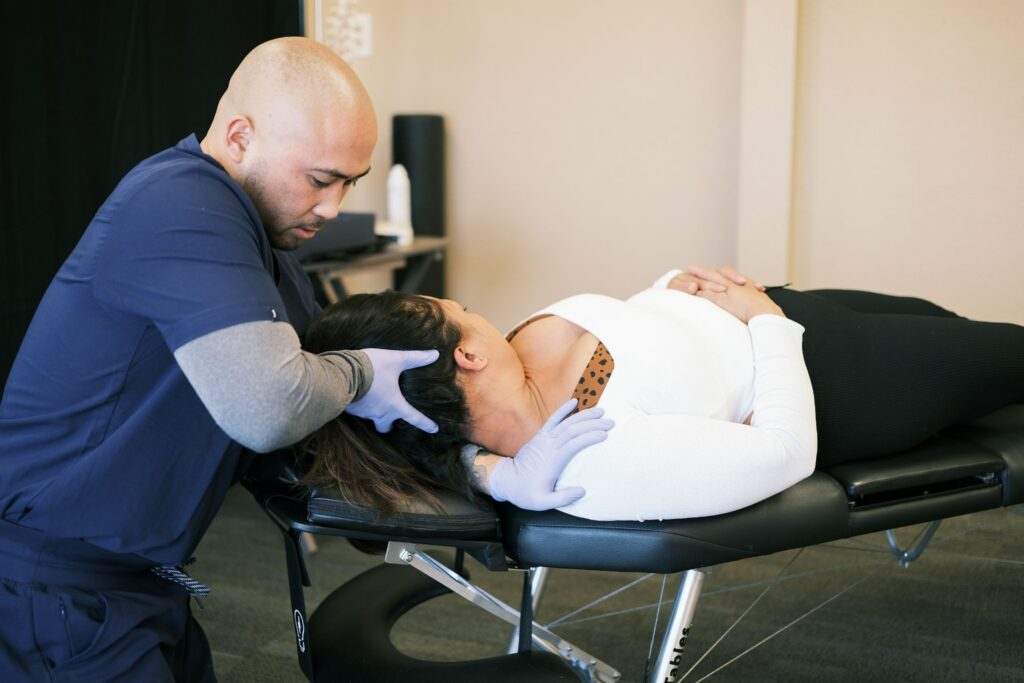

If you've ever faced a sports injury, you know how frustrating it can be. You might be tempted to push through the pain or rely on home remedies, but seeking professional help can make all the difference. An accurate diagnosis from an expert not only sets realistic recovery expectations but also tailors a treatment plan to your specific needs. Plus, addressing injuries early can prevent long-term damage that could impact your performance down the line. But what other benefits can professional support offer?
Accurate Diagnosis of Injuries
When you suffer a sports injury, getting an accurate diagnosis is vital for effective recovery. Without pinpointing the exact nature of your injury, you might make decisions that prolong your pain or complicate your recovery process. Skipping this important step could lead to improper treatments and unnecessary setbacks.
You may experience various symptoms like pain, swelling, or decreased mobility, but these signs can point to multiple possible injuries. A professional evaluation, often involving physical examinations and diagnostic imaging, helps clarify your condition. This clarity allows you to understand what you're dealing with, so you can focus on your recovery.
Getting an accurate diagnosis also helps in setting realistic expectations for your healing journey. You'll learn about the severity of your injury and how long it might take to recover, enabling you to plan your training and activities accordingly.
Additionally, knowing the specifics of your injury can help you avoid reinjury in the future, as you'll gain insights into what movements to modify or avoid altogether.
Moreover, an accurate diagnosis can prevent you from falling into the trap of self-diagnosing based on online resources or advice from friends. Relying on these sources might lead you down the wrong path, leaving your injury unresolved or worse.
Ultimately, seeking professional help guarantees you have the right information, empowering you to take charge of your recovery and return to your sport stronger than before.
Tailored Treatment Plans
After receiving an accurate diagnosis, the next essential step is developing a tailored treatment plan that addresses your specific needs. This individualized approach guarantees that your recovery aligns with the type and severity of your injury, as well as your personal health and fitness goals.
When you work with a healthcare professional, they'll consider factors like your age, activity level, and any pre-existing conditions. This thorough evaluation allows them to create a plan that not only targets your injury but also enhances your overall performance.
For instance, if you're a runner with a sprained ankle, your plan might focus on strengthening surrounding muscles and improving flexibility, along with rehabilitation exercises designed specifically for runners.
Moreover, a tailored treatment plan often includes a combination of different therapies. You might benefit from physical therapy, manual therapy, and even modalities like ultrasound or electrical stimulation, all aimed at reducing pain and promoting healing.
The key is that each component is chosen specifically for you, guaranteeing the most effective recovery process.
Additionally, your plan should also include clear milestones and timelines. These benchmarks help keep you motivated and enable your healthcare provider to track your progress, making adjustments as necessary.
Preventing Long-Term Damage
A tailored treatment plan not only aids in recovery but also plays a significant role in preventing long-term damage from sports injuries. When you seek professional help, you're taking the first step in addressing your injury properly. Ignoring symptoms or pushing through the pain may lead to chronic issues that can linger for years, affecting your performance and enjoyment of the sport.
By following a personalized treatment plan, you'll be able to specifically target the underlying causes of your injury. This approach enables you to strengthen the affected area, improve flexibility, and enhance overall stability.
It's vital to listen to your body and allow it the time it needs to heal correctly. Rushing back into action can exacerbate your condition, leading to more severe problems down the line.
Incorporating preventive measures into your routine is equally important. A skilled practitioner can guide you in exercises and techniques that minimize the risk of future injuries. They'll help you understand the importance of proper warm-ups, cool-downs, and recovery strategies.
Strengthening your core and stabilizing muscles can provide better support for your joints and reduce the likelihood of re-injury.
Ultimately, seeking help for your sports injury is an investment in your long-term health and athletic performance. By addressing the issue now and following a tailored approach, you're setting yourself up for a stronger, more resilient future in your sport.
Don't let an untreated injury dictate your athletic journey; take the necessary steps to protect yourself.
Enhanced Recovery Time
When you seek professional help for sports injuries, you gain access to expert assessments that can speed up your recovery.
With customized rehabilitation plans tailored to your specific needs, you'll be on the path to healing faster.
Plus, these strategies often include injury prevention techniques, ensuring you stay in the game longer.
Professional Assessment Benefits
How quickly can you get back to your game after a sports injury? The answer often hinges on the professional assessment you receive. When you consult with a sports injury specialist, you gain access to expertise that can greatly enhance your recovery time.
They'll evaluate your injury and pinpoint the exact nature of the problem, which is essential for proper healing. A professional assessment allows for accurate diagnosis and tailored advice on how to manage your injury effectively.
You'll avoid the guesswork that can lead to setbacks or prolonged downtime. The sooner you understand the severity of your injury, the sooner you can start the right recovery process.
Additionally, specialists can recommend appropriate treatments and interventions, ensuring that you're not only recovering but doing so in a way that minimizes the risk of re-injury. Quick intervention means you're more likely to return to your sport feeling stronger and more confident.
Ultimately, a professional assessment not only speeds up your recovery but also sets you on a path toward preventing future injuries. So don't hesitate—seek help and get back in the game as soon as possible!
Customized Rehabilitation Plans
Customized rehabilitation plans are essential for optimizing your recovery after a sports injury. When you work with a professional, they assess your specific injury and tailor a program that addresses your unique needs. This approach guarantees that you're not just following a generic routine but receiving targeted exercises and treatments designed to promote healing and restore function.
By focusing on your particular situation, you'll likely experience enhanced recovery time. Customized plans take into account your injury's severity, your sport, and your overall fitness level. This means you'll engage in activities that not only support healing but also align with your performance goals.
Moreover, a personalized plan allows for adjustments as you progress. If one method isn't working as well as expected, your professional can modify it to better suit your recovery journey. This flexibility helps you stay motivated and on track, reducing the likelihood of setbacks.
Investing in a customized rehabilitation plan means you're prioritizing your health and future performance. You'll feel more empowered and confident as you recover, paving the way for a successful return to the sport you love.
Injury Prevention Strategies
Incorporating effective injury prevention strategies can greatly enhance your recovery time after a sports injury. By focusing on proper techniques and conditioning, you reduce the risk of further injuries and speed up your healing process. Start by ensuring you're using the correct form during training and competition. This not only helps prevent injuries but also improves your overall performance.
Next, prioritize strength and flexibility training. Building strong muscles and flexible joints supports your body, making it more resilient against strains and sprains. Incorporate balance exercises as well; they enhance your coordination and stability, which are essential in avoiding accidents.
Don't forget about rest and recovery. Allowing your body adequate time to heal between workouts is critical. Listen to your body's signals and don't push through pain, as this can lead to longer recovery times.
Lastly, consider working with a sports therapist or trainer who can provide tailored advice and monitor your progress. They can help identify potential weaknesses and guide you in implementing effective strategies.
Rehabilitation and Strengthening
When you're recovering from a sports injury, personalized rehabilitation plans can make all the difference in your healing journey.
By focusing on targeted strengthening exercises, you can rebuild your strength and stability effectively.
Plus, implementing injury prevention strategies helps guarantee you stay in the game and avoid future setbacks.
Personalized Rehabilitation Plans
A tailored rehabilitation plan can considerably enhance your recovery from sports injuries. When you sustain an injury, a one-size-fits-all approach often falls short. By getting a personalized plan, you can address your unique needs, injury type, and activity level. Your healthcare provider will assess your specific situation, taking into account your medical history, fitness goals, and the demands of your sport.
With a customized plan, you'll focus on exercises that promote healing while minimizing the risk of re-injury. This targeted approach often includes a mix of mobility work, strength training, and functional movements designed to restore your range of motion and overall strength.
You'll also learn about proper techniques to prevent future injuries, ensuring you're well-prepared when you return to play.
Additionally, regular check-ins with your healthcare team will help you track your progress and make necessary adjustments to your plan. This ongoing support can boost your motivation and keep you accountable, making it easier to stay committed to your recovery.
Ultimately, a personalized rehabilitation plan sets the foundation for a successful comeback, helping you regain confidence and performance on the field.
Targeted Strengthening Exercises
Targeted strengthening exercises play an essential role in your rehabilitation journey after a sports injury. These exercises focus on the specific muscles and joints that need extra attention, helping you regain strength and function effectively.
By incorporating them into your recovery plan, you're not just healing; you're actively working to restore your body to its best performance.
When you engage in targeted exercises, you enhance stability and reduce the risk of future injuries. They can address imbalances and weaknesses that often develop after an injury, ensuring a well-rounded recovery.
Your therapist will guide you through a tailored program that fits your unique needs and goals.
You'll find that consistency is vital. Committing to your strengthening routine not only aids in your recovery but also empowers you to return to your sport with confidence.
As you progress, your therapist will adjust the intensity and complexity of the exercises, keeping you challenged and motivated.
Injury Prevention Strategies
To prevent injuries effectively, it's vital to implement thorough strategies that focus on both rehabilitation and strengthening. Start by evaluating your current physical condition; understanding your strengths and weaknesses will guide your training.
Incorporate exercises that enhance flexibility, balance, and coordination, as these elements are significant in preventing injuries. Focus on targeted strengthening exercises that work on specific muscle groups related to your sport. For instance, if you're a runner, strengthen your hip and core muscles to support your joints better.
Don't forget to include rest days; overtraining can lead to fatigue and increase your risk of injury. Additionally, engage in proper warm-up and cool-down routines to prepare your body for activity and aid recovery afterward.
Pay attention to any discomfort during your workouts; listening to your body can prevent minor issues from escalating into serious injuries. Lastly, consider working with a coach or a physical therapist. They can provide personalized programs designed to improve your performance while minimizing injury risks.
Professional Guidance and Support
Maneuvering through the complexities of sports injuries can be intimidating, but seeking professional guidance and support makes a significant difference. When you face an injury, it's essential to consult with healthcare professionals who understand the intricacies of your condition. They're equipped with the knowledge and experience to assess your injury accurately and devise a tailored recovery plan.
A physical therapist or sports medicine specialist can provide you with targeted exercises that facilitate healing while preventing further damage. They'll guide you through each step, making sure you're not pushing yourself too hard too soon. This tailored approach means you're more likely to recover fully and return to your sport without lingering issues.
Additionally, professionals can help you understand the psychological aspects of recovery. Injuries can be mentally taxing, often leading to frustration or anxiety. Having someone who supports you during this time can make all the difference. They can provide strategies to keep you motivated and focused on your rehabilitation goals.
Moreover, professional guidance guarantees you're aware of the best practices for injury prevention in the future. They can educate you about proper techniques, warm-ups, and conditioning routines that reduce your risk of re-injury.
In short, don't underestimate the value of professional support. Investing in expert advice not only speeds up your recovery but also empowers you to perform at your best in the long run. It's an essential step toward getting back in the game stronger and smarter.
Conclusion
Injuries can set you back, but seeking help is your best move. By getting an accurate diagnosis and a tailored treatment plan, you can recover faster and avoid long-term damage. Professional guidance not only supports your physical healing but also boosts your confidence. Remember, focusing on rehabilitation and strengthening is key to preventing future injuries. Prioritize your health and performance—take the proactive step to seek help and keep your athletic journey on track.