
When you experience a sports injury, it's easy to brush it off or hope it will heal on its own. However, seeking care is vital for several reasons that can greatly influence your recovery and overall performance. Early intervention can prevent long-term damage and guarantee you're back in the game sooner. Plus, receiving an accurate diagnosis sets the stage for a tailored treatment plan that meets your specific needs. Curious about how these factors play a role in your recovery journey? Let's explore the key reasons why prioritizing care is essential.
Prevent Long-Term Damage
To prevent long-term damage from sports injuries, it's vital to address any pain or discomfort right away. Ignoring these signs can lead to more serious issues down the line, affecting your performance and overall health. When you feel a twinge or sharp pain, don't brush it off as just a part of the game. Instead, take a moment to assess the situation. Listen to your body; it often knows when something's not right.
You might be tempted to push through the pain, thinking it'll go away on its own. However, this mindset can lead to chronic injuries that take longer to heal. By seeking care early, you can often manage the injury more effectively and reduce recovery time. Consult with a coach, trainer, or medical professional who can help you understand the severity of your symptoms.
Incorporating rest, ice, compression, and elevation (RICE) can be beneficial immediately after an injury occurs. This approach helps minimize swelling and speeds up the healing process.
Additionally, consider cross-training or modifying your activities to avoid aggravating the injury. Gradual return to your sport is vital; rushing back can lead to re-injury.
Being proactive about your health is key. By addressing issues promptly and following a proper recovery plan, you can safeguard your athletic future.
Ensure Proper Diagnosis
Getting a proper diagnosis is essential when dealing with sports injuries. Without it, you risk aggravating your condition and prolonging your recovery. You might think you can just rest and heal, but misdiagnosing the injury can lead to serious complications down the road.
Here are a few reasons why you should prioritize getting an accurate diagnosis:
- Identify the Injury: A healthcare professional can pinpoint the exact nature of your injury, helping you understand the severity and implications.
- Prevent Further Damage: Knowing the specifics of your injury allows you to avoid activities that could worsen your condition.
- Save Time and Money: A correct diagnosis can lead to faster recovery, reducing the need for prolonged treatments or repeated consultations.
- Enhance Performance: Understanding your injury can help you return to your sport more effectively, ensuring you're in top shape when you're back in action.
- Peace of Mind: Knowing exactly what you're dealing with can alleviate anxiety, giving you confidence in your recovery process.
When you suspect a sports injury, don't hesitate to seek professional help. They'll conduct thorough assessments, including physical exams and imaging tests, if necessary.
This way, you can be sure you're addressing the right issue and setting yourself up for a successful recovery. Remember, early intervention is key to getting back to doing what you love.
Receive Tailored Treatment Plans
When you're recovering from a sports injury, a one-size-fits-all approach just won't cut it.
You need personalized recovery strategies that address your unique situation and goals.
Personalized Recovery Strategies
Personalized recovery strategies can greatly enhance your healing process, as they take into account your unique injury, fitness level, and lifestyle.
When you seek professional care, you'll receive a tailored approach that targets your specific needs. This means you're not just following a generic rehabilitation plan; you're engaging in a recovery journey designed just for you.
Here's why personalized recovery strategies matter:
- Injury-specific exercises: You'll engage in targeted movements that directly address your injury.
- Flexible scheduling: Treatment plans can adapt to your busy life, making it easier for you to stay committed.
- Nutrition guidance: You'll get advice tailored to your dietary needs, supporting your recovery.
- Progress tracking: Regular assessments will help you see your improvements, keeping you motivated.
- Mental support: You'll have access to mental health resources to help you cope with the emotional aspects of recovery.
Comprehensive Assessment Approach
A thorough assessment approach is the foundation for receiving tailored treatment plans that meet your specific recovery needs. When you seek care for your sports injury, healthcare professionals will conduct a detailed evaluation to understand the injury's nature and severity. This assessment often includes physical examinations, imaging tests, and a detailed discussion about your symptoms and activity history.
Once they gather all necessary information, your care team can identify the most effective treatment strategies. This tailored approach guarantees you're not just receiving generic advice but a plan that considers your unique situation, goals, and lifestyle. For example, if you're an athlete aiming to return to a specific sport, your treatment will focus on rebuilding strength and flexibility critical for that activity.
Additionally, a thorough assessment allows for continuous monitoring of your progress. Your team can adjust your treatment plan based on how you're responding, ensuring you stay on track for a successful recovery.
Emphasizing personalized care means you're more likely to regain your strength and confidence, minimizing the risk of re-injury and helping you return to your sport better than before.
Improve Recovery Time
Accelerating recovery time after a sports injury involves a combination of proper care, rehabilitation techniques, and lifestyle adjustments. By taking proactive steps, you can enhance your healing process and get back to your favorite activities sooner. Here are some effective strategies to reflect on:
- Rest and Ice: Give your body time to heal. Utilize ice packs to reduce swelling and inflammation.
- Physical Therapy: Engage in a tailored rehabilitation program. A physical therapist can guide you through exercises that strengthen your injured area and restore mobility.
- Nutrition: Focus on a balanced diet rich in proteins, vitamins, and minerals. Nutrients like omega-3 fatty acids and antioxidants can promote healing.
- Hydration: Stay hydrated to support your body's healing processes. Water aids in recovery and helps reduce muscle fatigue.
- Sleep: Prioritize quality sleep, as it's vital for recovery. Aim for 7-9 hours each night to allow your body to repair itself effectively.
Implementing these strategies can greatly enhance your recovery time. Additionally, consulting with healthcare professionals guarantees you're following the right protocols tailored to your specific injury.
Enhance Performance
To enhance your performance, it's essential to optimize your recovery time and prevent future injuries.
By focusing on these aspects, you can also improve your technique and skills.
Let's explore how each of these points can help you reach your athletic goals.
Optimize Recovery Time
Optimizing recovery time is vital for enhancing your athletic performance. When you sustain a sports injury, how you manage your recovery can greatly impact your overall performance.
Taking the time to heal properly not only helps you bounce back faster but also guarantees you return stronger. Here are some key strategies to take into account:
- Follow a tailored rehabilitation plan: Work with a professional who understands your specific needs.
- Prioritize rest and sleep: Quality sleep is essential for muscle recovery and overall health.
- Stay hydrated: Proper hydration aids in repairing muscles and reducing inflammation.
- Incorporate nutrition: Consuming a balanced diet rich in proteins, vitamins, and minerals fuels your recovery.
- Use active recovery techniques: Engage in low-impact activities to keep blood flowing without overexerting yourself.
Prevent Future Injuries
Recognizing the significance of injury prevention is essential for any athlete looking to enhance performance. You want to stay in the game and reach your peak potential, but injuries can derail your progress. By focusing on preventive measures, you can reduce the risk of future injuries and maintain your competitive edge.
Start by incorporating a well-rounded training program that includes strength, flexibility, and endurance exercises. This balanced approach helps support your muscles and joints, making you less prone to setbacks.
Additionally, pay attention to your body's signals. If you notice any discomfort or unusual pain, don't ignore it. Addressing these issues early can prevent them from escalating into more severe problems.
Proper warm-up and cool-down routines are essential, too. They prepare your body for the intense physical demands of your sport and aid in recovery afterward.
Moreover, consider getting professional assessments to identify any biomechanical issues that could lead to injury.
Improve Technique and Skills
Improving your technique and skills is just as essential as injury prevention when it comes to enhancing your performance.
When you focus on refining your abilities, you not only reduce the risk of injury but also boost your overall effectiveness in your sport.
Here's how seeking professional guidance can help you achieve that:
- Personalized Coaching: Tailored advice to address your specific strengths and weaknesses.
- Video Analysis: Gaining visual feedback on your technique allows you to see areas for improvement.
- Drills and Exercises: Engaging in targeted practice routines to build muscle memory and skill.
- Biomechanics Evaluation: Understanding how your body moves can help you optimize your performance and prevent injuries.
- Mental Training: Strengthening your focus and confidence can lead to better execution of skills during competition.
Gain Professional Guidance
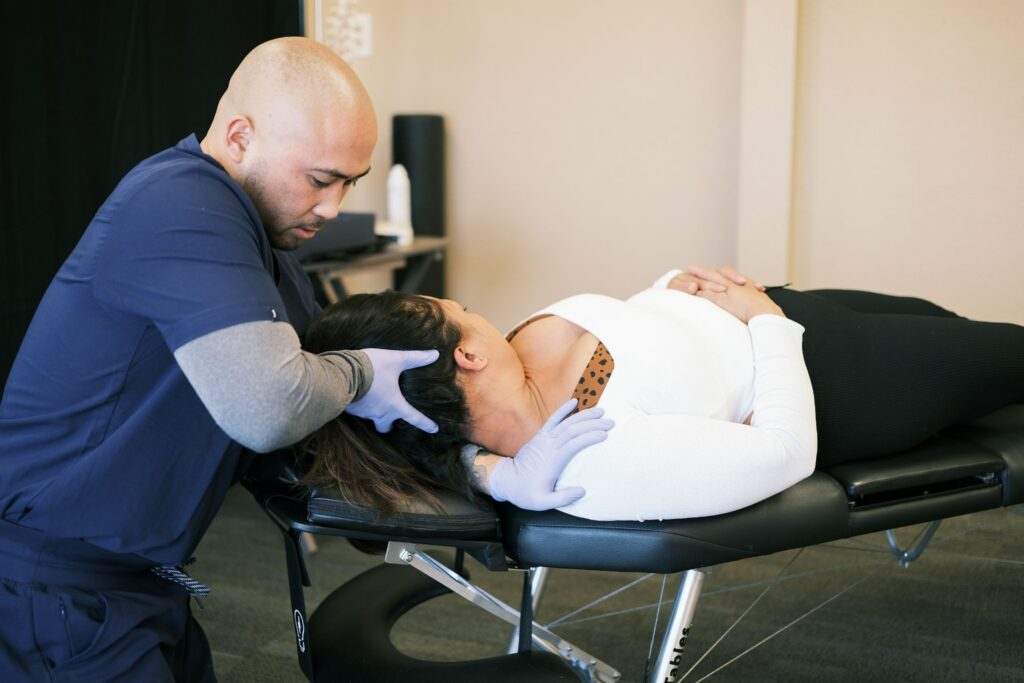
When facing a sports injury, seeking professional guidance can make all the difference in your recovery journey. You might think you can handle it on your own, but a trained expert can provide you with the knowledge and tools you need to heal effectively.
Whether it's a physical therapist, sports doctor, or athletic trainer, these professionals understand the complexities of sports injuries and can tailor a recovery plan specifically for you.
They'll assess your injury and determine the best course of action, guaranteeing you don't waste time with ineffective treatments. With their expertise, you'll receive targeted rehabilitation exercises, which not only help in recovery but also enhance your overall performance. By following their guidance, you can guarantee your body heals correctly and efficiently.
Moreover, professionals can educate you about your injury, helping you understand its causes and implications. This understanding allows you to make informed decisions regarding your treatment and recovery.
You'll also benefit from their experience in working with athletes like you, who've faced similar challenges.
Reduce Risk of Re-Injury
To effectively reduce the risk of re-injury, it's crucial to focus on proper conditioning and technique. When you've experienced a sports injury, it's natural to want to jump back into your routine, but rushing back can lead to setbacks.
Instead, take the time to strengthen the affected area and improve your overall fitness. This includes not just physical strength but also flexibility and endurance.
Here are some strategies to help you minimize the chance of re-injury:
- Follow a Structured Rehabilitation Program: Work with a physical therapist to develop a tailored program that addresses your specific needs.
- Prioritize Warm-Ups and Cool-Downs: Always start with a proper warm-up to prepare your muscles and finish with a cool-down to aid recovery.
- Focus on Technique: Make sure you're using the correct form when performing exercises or playing your sport to prevent unnecessary strain.
- Listen to Your Body: Pay attention to any signs of discomfort or pain, and don't push through them. Rest is crucial for healing.
- Gradually Increase Intensity: Slowly raise the intensity and duration of your workouts to avoid overwhelming your body too soon.
Conclusion
In conclusion, seeking care for sports injuries isn't just about treating the pain; it's about safeguarding your future in the sport you love. By prioritizing professional help, you can prevent long-term damage, receive accurate diagnoses, and benefit from personalized treatment plans. Plus, with expert guidance, you'll enhance your performance and reduce the risk of re-injury. Don't wait—take action now to guarantee a swift recovery and a safe return to the game!