
When you're pushing your body to the limits in sports, recovery becomes essential, and that's where chiropractors step in. They offer a range of techniques that not only relieve pain but also enhance your flexibility and improve joint function. By focusing on personalized recovery plans and injury prevention strategies, chiropractors help you stay ahead in your game. Curious about how these approaches can transform your recovery process? Let's explore the seven best ways chiropractors can aid in your athletic recovery journey.
Pain Relief Techniques
When you're dealing with soreness or discomfort from intense workouts, chiropractors offer several effective pain relief techniques that can help you recover faster.
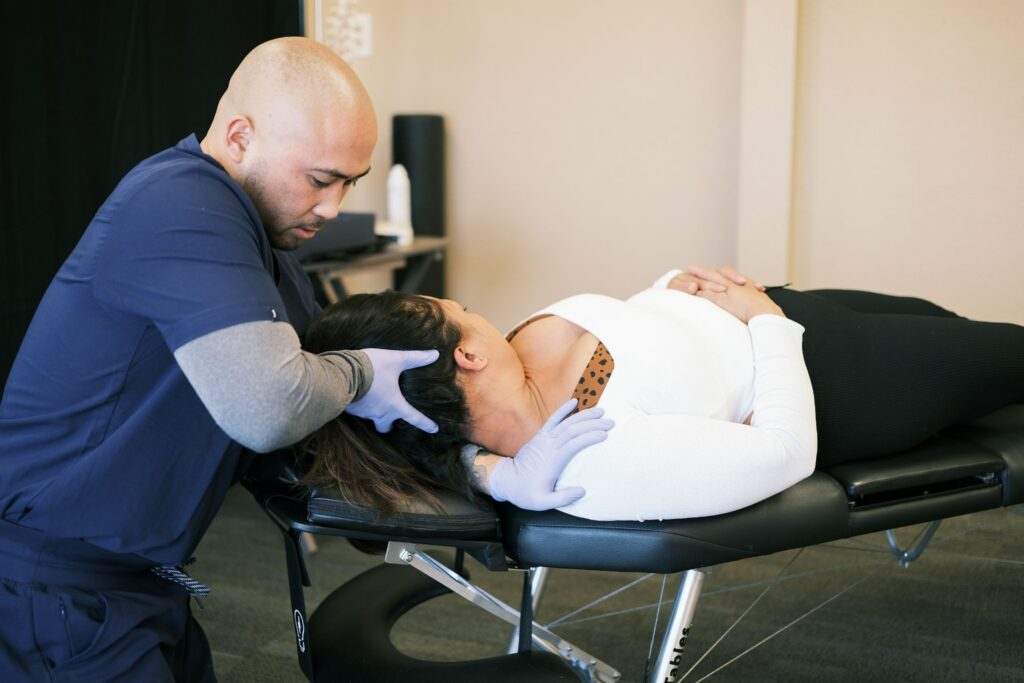
One of the primary methods they use is spinal manipulation. This technique focuses on realigning your spine, relieving pressure on nerves, and improving overall function. By addressing misalignments, you can experience reduced pain and enhanced mobility.
Another common technique is soft tissue therapy, which targets muscles and connective tissues. This approach helps to alleviate tightness, improve circulation, and promote healing. Your chiropractor might use massage, myofascial release, or trigger point therapy to release tension and enhance recovery.
Additionally, chiropractors often incorporate modalities like electrical stimulation or ultrasound therapy. Electrical stimulation can help reduce inflammation and promote muscle recovery, while ultrasound therapy uses sound waves to penetrate deep tissue, providing pain relief and enhancing healing. Both methods can greatly speed up your recovery time.
Chiropractors may also recommend specific exercises and stretches tailored to your needs, which can further assist in pain relief and recovery. They'll guide you through movements that not only alleviate discomfort but also strengthen your muscles, preventing future injuries.
Finally, don't underestimate the power of proper posture and ergonomics. Your chiropractor can assess your movements and provide guidance on how to maintain ideal alignment during daily activities, reducing the risk of pain down the line.
Enhanced Flexibility
Enhanced flexibility plays an essential role in athletic recovery and performance. When your muscles and joints can stretch and move more freely, you'll find that you can perform better and recover faster from intense workouts. Chiropractors utilize specific techniques, such as spinal adjustments and targeted stretches, to help improve your flexibility.
By addressing any restrictions in your muscular and skeletal systems, chiropractors enable you to achieve a greater range of motion. This increased flexibility can lead to better performance during training and competitions, as it allows you to execute movements with ease and efficiency. You'll notice that your body feels less restricted, making it easier to push your limits without the fear of injury.
Moreover, enhanced flexibility can contribute to quicker recovery times. After an intense workout, your body needs to repair itself, and flexibility plays a key role in that process. When your muscles can lengthen and relax properly, you're less likely to experience soreness or stiffness, allowing you to bounce back quicker for your next session.
Chiropractic care also emphasizes the importance of individualized treatment plans. Your chiropractor can assess your specific needs and create a regimen that targets your flexibility goals.
Whether you're a weekend warrior or a professional athlete, you'll benefit from the tailored approach that helps you achieve peak performance and recovery. By prioritizing flexibility with chiropractic care, you're setting yourself up for long-term success in your athletic endeavors.
Improved Joint Function
When you focus on improved joint function, you'll notice enhanced mobility and flexibility in your movements.
Chiropractors use pain reduction techniques that not only alleviate discomfort but also support your overall performance.
Enhanced Mobility and Flexibility
Chiropractors play an important role in helping athletes improve their mobility and flexibility, which are essential for peak performance. By focusing on enhancing joint function, they enable you to move more freely and efficiently.
Here are some ways chiropractors contribute to your enhanced mobility:
- Spinal Adjustments: Realigning the spine can relieve pressure on nerves and improve overall movement patterns.
- Soft Tissue Therapy: Techniques like massage or myofascial release target tight muscles and fascia, promoting better flexibility.
- Joint Mobilization: Gentle manipulations help restore range of motion in joints, making it easier for you to perform at your best.
- Personalized Exercise Plans: Chiropractors often develop tailored stretching and strengthening routines to support your specific needs.
Pain Reduction Techniques
Improving mobility and flexibility sets the stage for effective pain management, particularly for athletes who often face joint discomfort. Chiropractors utilize various pain reduction techniques to enhance your joint function and alleviate discomfort. One of the most effective methods is spinal manipulation, which realigns your spine and reduces pressure on nerves, leading to decreased pain and increased range of motion.
In addition to spinal adjustments, chiropractors may incorporate soft tissue therapies. These techniques, like massage and myofascial release, target tight muscles and fascia, promoting relaxation and reducing soreness. By addressing underlying muscular issues, you can experience less pain and improved joint function.
Therapeutic exercises also play an essential role in pain management. Your chiropractor can design a tailored exercise program that strengthens the muscles surrounding your joints, providing better support and stability. This not only eases current pain but can also prevent future discomfort.
Finally, chiropractors often recommend lifestyle modifications, such as proper hydration and nutrition, to support your recovery. By combining these techniques, you can effectively manage pain and enhance your athletic performance, ensuring you stay at the top of your game.
#
Injury Prevention Strategies
To prevent injuries, maintaining ideal joint function is essential for athletes. When your joints move properly, you reduce strain on muscles and ligaments, which helps keep you in the game.
Chiropractors play a vital role in ensuring your joints function effectively. Here are four strategies they often use to enhance joint function and prevent injuries:
- Regular Adjustments: By aligning your spine and joints, chiropractors help restore range of motion and reduce stress on your body.
- Customized Exercise Programs: They design specific exercises to strengthen the muscles around your joints, improving stability and resilience.
- Posture Training: Chiropractors educate you on maintaining proper posture, which minimizes wear and tear on your joints during athletic activities.
- Nutritional Guidance: They may offer advice on nutrition that supports joint health, helping to reduce inflammation and promote recovery.
## Injury Prevention Strategies
To keep injuries at bay, you need to incorporate proper warm-up techniques into your routine.
Strengthening your core stability is equally important, as it supports your overall movement and reduces strain.
Let's explore how these strategies can make a difference in your athletic performance.
Proper Warm-Up Techniques
When gearing up for any athletic activity, a proper warm-up is essential for both performance and injury prevention. You need to prepare your body, boosting your flexibility and increasing blood flow to your muscles.
Here are four key warm-up techniques you should incorporate into your routine:
- Dynamic Stretching: Engage in movements that mimic your sport, like leg swings or arm circles. This helps increase range of motion and activates the muscles you'll use.
- Gradual Aerobic Activity: Start with light jogging or cycling for 5-10 minutes. This gradually elevates your heart rate and warms up your muscles.
- Sport-Specific Drills: Incorporate drills specific to your sport. For example, practice dribbling for basketball or short sprints for soccer. This primes your body for the specific movements ahead.
- Mobility Exercises: Focus on areas that are prone to tightness, like hips and shoulders. Incorporate exercises like hip openers or thoracic rotations to enhance joint mobility.
Strengthening Core Stability
Core stability is critical for injury prevention and overall athletic performance. When you strengthen your core, you're not just targeting your abs; you're engaging a complex network of muscles that support your spine and pelvis. This stability helps you maintain proper form during activities, reducing the risk of strains and sprains.
Chiropractors play an important role in enhancing your core stability. They can assess your posture, identify weaknesses, and develop tailored exercises that improve your balance and coordination. These exercises often focus on the deep abdominal muscles, obliques, and lower back, all essential for a strong core.
Incorporating stability exercises into your routine, like planks, bridges, and rotational movements, can greatly enhance your athletic performance. These workouts not only build strength but also improve your agility, enabling you to react quickly during sports.
Moreover, regular chiropractic adjustments can help keep your spine aligned, which is critical for ideal muscle function. By combining chiropractic care with core-strengthening exercises, you'll create a solid foundation that minimizes injury risk and maximizes your athletic potential.
Prioritizing core stability will keep you at the top of your game and ready for any challenge.
Personalized Recovery Plans
Personalized recovery plans are fundamental for athletes looking to enhance their performance and minimize injury risks. By tailoring your recovery strategy to your specific needs, you can optimize your training and guarantee you're ready for competition.
Chiropractors play a significant role in creating these individualized plans, focusing on your unique body mechanics and athletic goals. Here's how they can help you develop an effective recovery plan:
- Assessment: Your chiropractor will conduct a thorough evaluation of your physical condition, including any previous injuries, current performance levels, and specific sport-related demands.
- Treatment Strategies: Based on the assessment, your chiropractor will recommend specific treatment modalities. This could include adjustments, soft tissue therapy, and modalities like ultrasound or electrical stimulation.
- Rehabilitation Exercises: You'll receive personalized exercises designed to strengthen weak areas and promote balance. These exercises not only aid in recovery but also help prevent future injuries.
- Nutritional Guidance: Your recovery plan may also include dietary recommendations. Nutrition plays a critical role in recovery, and your chiropractor can suggest foods and supplements that will support your healing process and energy levels.
Posture and Alignment Correction
Good posture and proper alignment are essential for athletic performance and overall health. When you maintain correct posture, you reduce the risk of injury and improve your efficiency during physical activities. A chiropractor can help you identify and correct any misalignments that may be hindering your performance.
Misalignments can lead to muscle imbalances, causing some muscles to work harder than others. This not only affects your strength but can also lead to fatigue and discomfort. By correcting these issues, a chiropractor enables you to perform movements more effectively, allowing your body to function at its best.
During your sessions, the chiropractor will assess your posture and alignment, pinpointing areas that need attention. They'll use various techniques, such as spinal adjustments, soft tissue therapy, and stretches, to help realign your body.
It's important to address these issues early on, as poor posture can lead to chronic pain and long-term complications if left untreated.
In addition to treatments, your chiropractor might provide guidance on exercises and stretches you can do at home to reinforce good posture and alignment. These exercises won't only improve your athletic performance but also enhance your daily life by reducing pain and increasing your overall mobility.
Sports-Specific Rehabilitation
After addressing posture and alignment, the focus shifts to sports-specific rehabilitation. This phase is vital for athletes who want to recover fully and get back to their game. Chiropractors tailor rehabilitation programs to meet the unique demands of your sport, guaranteeing you regain strength, flexibility, and endurance.
Here are four key aspects of sports-specific rehabilitation that you can expect:
- Customized Exercise Plans: Chiropractors design exercise regimens that specifically target the muscles and movements used in your sport. This helps you strengthen the areas most affected by injuries.
- Functional Movement Training: You'll engage in exercises that mimic the actions you perform in your sport. This type of training enhances coordination and helps you retrain your body to move efficiently.
- Injury Prevention Strategies: Your chiropractor will educate you on proper techniques and strategies to avoid future injuries. Understanding how to protect your body while playing can greatly reduce your risk.
- Progress Monitoring: Throughout your rehabilitation, your chiropractor will regularly assess your progress. This guarantees that your recovery is on track and allows for adjustments to your program as needed.
Conclusion
Incorporating chiropractic care into your recovery routine can greatly enhance your athletic performance. By utilizing pain relief techniques, improving flexibility, and focusing on injury prevention, chiropractors provide tailored support that meets your unique needs. With personalized recovery plans and a focus on posture and alignment, you'll not only recover faster but also build a strong foundation for future success. Embrace these strategies, and watch as your performance and overall well-being reach new heights.