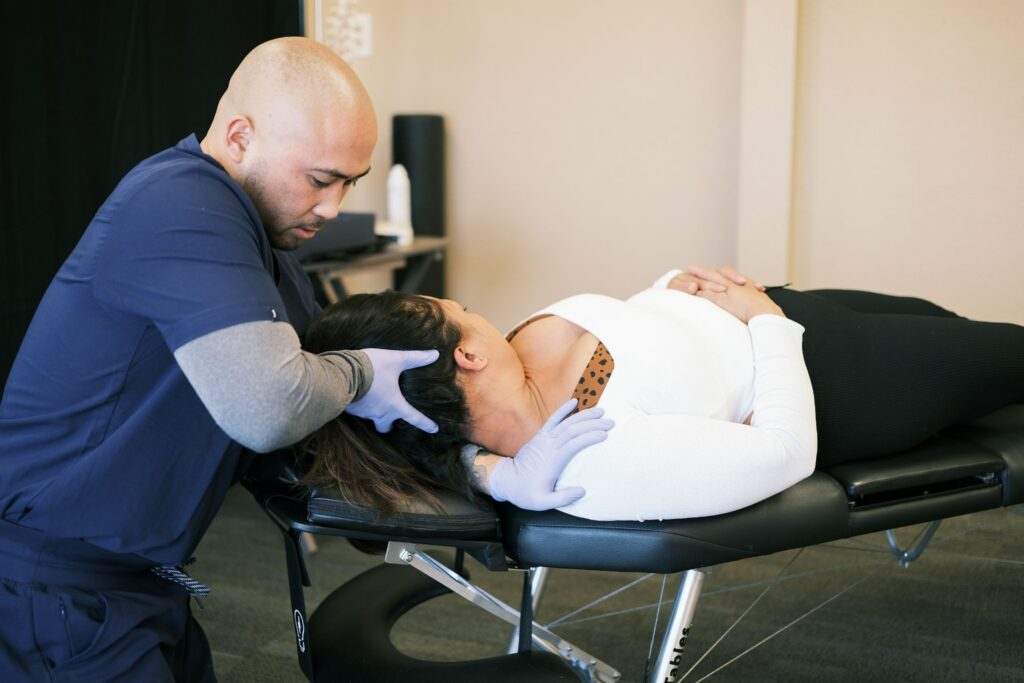

As a local chiropractor, I often see patients who may not be aware of how significantly posture impacts their overall health. It's fascinating how even minor adjustments can lead to remarkable improvements in your well-being. By integrating simple habits into your daily life, you can enhance your posture, which subsequently boosts your productivity and comfort levels. Every choice, from the type of furniture you use to the exercises you engage in, plays a crucial role in your spinal health.
Are you interested in transforming your sitting habits and strengthening your core? Let's delve into five effective strategies for caring for your posture that can make a real difference in your daily life. By understanding the importance of posture and adopting these practices, you can take significant steps toward better health and vitality.
Practice Mindful Sitting
Mindful sitting is more than just taking a seat; it's a vital practice for your overall health, especially when it comes to maintaining a healthy spine and posture. As a chiropractor, I want to emphasize the importance of being aware of your body and surroundings while you sit. When you take a moment to connect with yourself, you can significantly improve your posture and overall well-being.
Start by selecting a chair that feels comfortable. Ensure your back is straight and well-supported. Pay attention to how the chair supports your body; this connection is crucial for your spinal health.
As you settle in, focus on your feet. Plant them firmly on the ground. This grounding creates a stable base that aligns your entire body.
Next, check in with your shoulders. Relax them away from your ears—this simple adjustment can release tension and promote a healthier posture.
Don't forget to engage your core. You don't have to tense those muscles excessively; just gently activate them to support your spine. This awareness helps you avoid slouching and encourages proper alignment, which is essential for preventing discomfort and pain.
Take a moment to breathe deeply. Inhale through your nose and exhale through your mouth. Each deep breath enhances your focus and keeps you present, which is vital for your mental clarity and stress reduction.
As you sit, be mindful of your thoughts. If distractions come up, gently steer your focus back to your body and your breath. This practice of mindful sitting not only benefits your posture but also fosters a sense of calm and clarity, which is essential for your overall health.
Incorporating these techniques into your daily routine can transform the way you sit. Remember, you're not just sitting; you're engaging in a practice that supports both your physical and mental health.
As your chiropractor, I encourage you to embrace mindful sitting as part of your journey toward better health and wellness.
Incorporate Stretching Routines
As a local chiropractor, I see many patients who experience stiffness and discomfort from sitting for prolonged periods. It's crucial to understand that incorporating stretching routines into your daily habits can significantly improve your well-being. Regular stretching not only helps to release tension but also enhances flexibility and promotes better posture. You don't need to dedicate a lot of time; even just a few minutes throughout your day can lead to considerable benefits.
I recommend setting reminders to stretch at least once an hour. When you stand up, try simple stretches like reaching for the sky or bending side to side. These movements can effectively loosen tight muscles and stimulate blood circulation.
Don't forget about neck stretches! Gently tilting your head to each side and holding for 15-30 seconds can help alleviate tension that often accumulates from looking at screens. Shoulder rolls are also an excellent option; rolling your shoulders forward and backward can relieve tightness and improve mobility.
If you find you have a bit more time, consider dedicating 5-10 minutes to a more comprehensive stretching routine. Focus on areas that typically feel tight, such as your back, hips, and hamstrings. Seated forward bends and butterfly stretches are particularly beneficial for enhancing mobility and overall comfort.
While you're stretching, remember to breathe deeply. This not only enhances the effectiveness of your routine but also promotes relaxation, which is essential for your body's recovery.
Strengthen Core Muscles
As a local chiropractor, I want to emphasize the importance of strengthening your core muscles for not only better posture but also overall spinal health. Many people think of their core as just their abdominal muscles, but it actually encompasses the muscles in your lower back, hips, and pelvis as well.
A strong core is vital because it provides the stability and support your entire body needs, helping you maintain proper alignment and reducing strain on your spine.
To effectively strengthen your core, I recommend incorporating specific exercises into your routine. Planks are an excellent option as they engage multiple muscle groups simultaneously. Start by holding a plank position for 30 seconds to a minute, and as you build strength, gradually increase that time.
Another beneficial exercise is the bridge, where you lie on your back with your knees bent and lift your hips off the ground while squeezing your glutes at the top. Aim for three sets of 10-15 repetitions to see results.
Don't forget the importance of rotational movements, as they can significantly enhance your oblique strength and provide additional support for your spine. Exercises like Russian twists are great for this purpose.
You might also consider incorporating stability ball exercises, which challenge your balance and force your core muscles to engage even more.
Consistency is crucial when it comes to strengthening your core. Aim to work on these exercises two to three times a week.
As you strengthen your core muscles, you may notice improvements in your posture, a reduction in back pain, and increased overall stability. Remember, a strong core not only supports better posture but also contributes to your overall body strength and functionality.
Use Ergonomic Furniture
As a local chiropractor, I want to emphasize the importance of using ergonomic furniture in your daily life. Many people are unaware of how much our seating and workspace arrangements can impact our posture and overall comfort. By investing in furniture designed with your body in mind, you take a crucial step towards maintaining proper alignment and reducing strain, which is essential for your long-term health.
Here are some key benefits of incorporating ergonomic furniture into your workspace:
- Adjustable Chairs: These chairs allow for customization in height and lumbar support, which can significantly enhance your comfort and help prevent back pain. Proper support is essential for maintaining a healthy spine.
- Sit-Stand Desks: Alternating between sitting and standing can alleviate pressure on your spine and promote movement, which is vital for your overall well-being.
- Keyboard Trays: When keyboard trays are correctly positioned, they help keep your wrists straight, reducing the risk of repetitive strain injuries, which can lead to chronic pain.
- Monitor Stands: Elevating your computer screen keeps your neck aligned and prevents strain from looking down, which is a common issue for many office workers.
- Footrests: A footrest can enhance your leg posture and improve circulation, helping to reduce fatigue during long hours of sitting.
Integrating these ergonomic tools into your daily routine not only supports better posture but also enhances productivity and reduces discomfort. The right furniture can support your body's natural curves and movements, fostering a healthier work environment.
As your chiropractor, I encourage you to assess your current setup. Small changes can lead to significant improvements in your health and well-being. Remember, investing in ergonomic furniture is an investment in yourself and your future health.
Stay Active Throughout the Day
As a local chiropractor, I want to emphasize the importance of incorporating movement into your daily routine for better posture and overall health. Staying active goes beyond just visiting the gym; it's about weaving small, manageable activities into your everyday life.
I encourage you to take short breaks every hour to stand up, stretch, or walk around. This simple practice can counteract the harmful effects of prolonged sitting, which often contributes to poor posture and discomfort.
Consider walking during phone calls or requesting standing meetings whenever possible. These adjustments not only engage your muscles but also promote proper alignment, which is crucial for your spine health.
To help you remember to move, set reminders on your phone or use apps that encourage activity throughout the day. This regular movement breaks up your routine and fosters a more active lifestyle, ultimately supporting your posture and well-being.
At home, try to engage in activities like gardening, cleaning, or even dancing. These movements not only keep you active but also strengthen your core and back muscles, which are vital for maintaining good posture.
If you spend long hours at a desk, think about using a stability ball or a standing desk to promote active sitting.
Moreover, don't overlook the benefits of stretching. Incorporating stretches into your breaks can relieve tightness and improve flexibility, further enhancing your posture.
Conclusion
As your local chiropractor, I want to share with you five effective strategies to enhance your posture and overall well-being. Improving your posture is not just about standing up straight; it involves mindful habits that can lead to long-term health benefits.
- Practice Mindful Sitting: Pay attention to how you sit. Ensure that your back is straight, shoulders are relaxed, and feet are flat on the ground. This simple adjustment can significantly reduce strain on your spine.
- Incorporate Stretching Routines: Regular stretching can help alleviate tension in your muscles and improve flexibility. Consider integrating stretches into your daily routine to keep your body limber and balanced.
- Strengthen Your Core: A strong core supports your spine and promotes better posture. Engage in exercises that target your abdominal and back muscles to build strength and stability.
- Use Ergonomic Furniture: Investing in ergonomic chairs and desks can make a world of difference. These tools are designed to support your body's natural alignment, reducing discomfort during long periods of sitting.
- Stay Active Throughout the Day: Movement is essential for maintaining good posture. Take breaks to walk around, stretch, or perform light exercises to keep your body engaged.
Remember, the key to improving your posture lies in making small adjustments and being consistent. Your body will appreciate the care you provide, leading to enhanced comfort, better health, and increased productivity in your daily life. Start implementing these changes today, and you'll soon notice a positive difference! If you have any questions or need personalized guidance, don't hesitate to reach out to me. Together, we can work towards your optimal health and wellness.