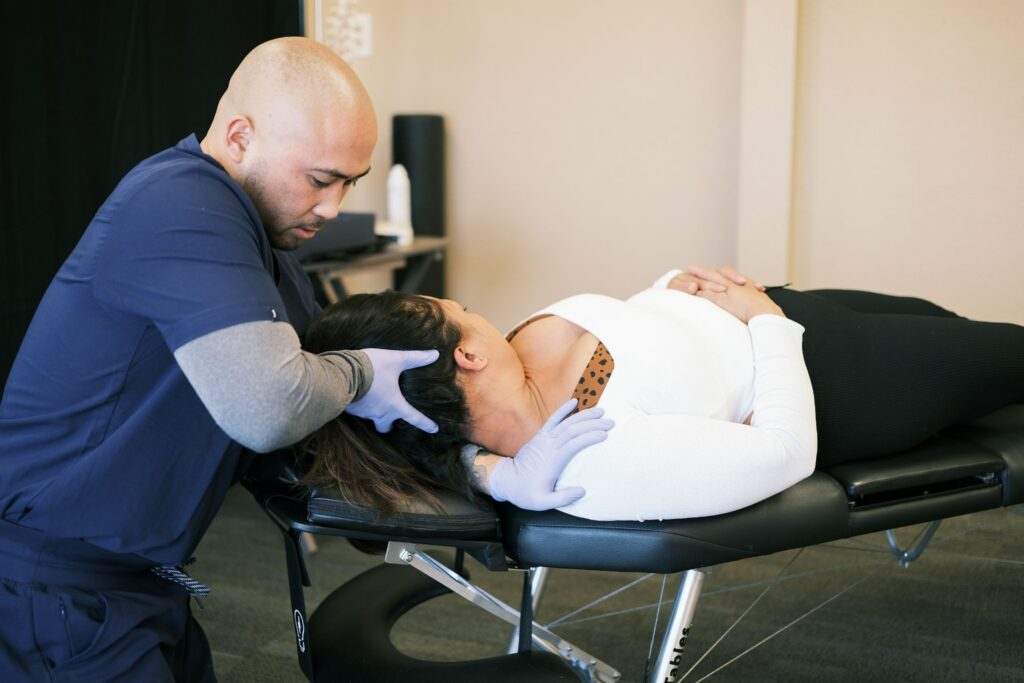

As a local chiropractor, I want to emphasize how crucial your posture at work is for your overall health and productivity. Many people don't realize that the way you sit and position your monitor can significantly affect your well-being. By making simple adjustments, you can not only alleviate discomfort but also prevent potential long-term issues.
Start by examining your chair and monitor setup—ensuring they align with your body's natural posture is essential. I often advise my patients to incorporate movement breaks throughout the day, as this can help combat stiffness and promote better circulation. However, these are just the initial steps. There are several other strategies that can truly transform your workspace and enhance your well-being. Are you curious to learn how these tips can make a positive impact on your health? Let's explore them together!
Adjust Your Chair Height
Adjusting Your Chair Height for Better Posture
As a local chiropractor, I often emphasize the importance of proper posture in maintaining spinal health and overall well-being. One of the simplest yet most effective steps you can take is to adjust the height of your office chair. A well-adjusted chair can help you maintain a neutral spine position, reducing unnecessary strain on your back and neck.
To begin, sit comfortably in your chair with your feet flat on the ground. Your knees should form a 90-degree angle, aligning perfectly with your hips. If your feet dangle or if your knees sit higher than your hips, it's a clear sign that your chair needs adjusting.
Most office chairs are equipped with levers or knobs that enable you to modify the height easily. Use these features to raise or lower your chair until you find a position that feels just right for you.
Once your chair is at the appropriate height, ensure that your back is fully supported by the backrest. This support is crucial for maintaining proper spinal alignment and preventing slouching, which can lead to discomfort and long-term issues.
It's also important to consider the type of shoes you're wearing, as they can impact how your feet rest on the floor. If you're in heels, you may need to lower your chair more than you'd in flat shoes.
Remember, your comfort is paramount. While adjusting your chair height may seem like a minor detail, it can significantly influence your comfort and health during prolonged periods at your desk.
I encourage you to regularly reassess your chair height, especially if you share your workspace or switch chairs frequently. Maintaining proper chair adjustments will help you stay focused, productive, and, most importantly, healthy throughout your workday.
Position Your Monitor Correctly
As a chiropractor, I want to emphasize the importance of proper monitor positioning to maintain your spinal health and overall well-being while you work. It's essential to have your monitor at eye level so that you can look straight ahead without tilting your neck. This practice minimizes strain on your neck and back, promoting better spinal alignment.
Ideally, the top of your screen should be at or just below eye level. If you're using a laptop, I recommend elevating it with a stand or opting for an external monitor to enhance your ergonomic setup.
Next, ensure that your monitor is positioned about an arm's length away from your eyes. This distance is crucial for preventing eye strain and allowing you to focus comfortably on the screen. If you find yourself squinting or leaning forward, it's a clear sign that an adjustment is needed.
Consider tilting your screen slightly backward by about 10 to 20 degrees. This angle not only reduces glare but also promotes a more natural viewing posture, which is vital for your neck and back health.
Additionally, adjusting the brightness and contrast settings to what feels comfortable for your eyes can further reduce strain.
Finally, keeping your monitor area clutter-free is important. Distractions on your screen can lead to poor posture as you may lean or shift positions to see better.
Use a Footrest
As a local chiropractor, I want to emphasize the importance of proper ergonomics in your daily routine, especially at your workstation. One simple yet effective tool to enhance your comfort and posture is a footrest. By elevating your feet, a footrest can help maintain the natural alignment of your spine and alleviate strain on your lower back. If your chair is positioned too high for your feet to comfortably touch the ground, a footrest becomes essential for providing the support you need.
Sitting for long periods can lead to discomfort, fatigue, or even numbness in your legs. A footrest can alleviate these issues by promoting better circulation and allowing you to shift your weight and change positions throughout the day. This is crucial for maintaining your energy levels and overall well-being.
When selecting a footrest, it's important to choose one that accommodates your height and allows your knees to be positioned at a 90-degree angle. This alignment keeps your hips slightly above your knees, fostering a more natural posture. Some footrests even offer adjustable heights and angles, allowing you to customize your comfort.
Additionally, you might find a footrest with a rocking feature beneficial, as it can further stimulate circulation and reduce stiffness in your legs.
It's also vital to pay attention to how you position your feet. They should rest flat or at a slight angle on the footrest, which helps distribute your weight evenly. I advise against crossing your legs, as this can create imbalances and lead to discomfort over time.
Incorporating a footrest into your workstation setup is a small yet impactful step towards improving your posture, reducing fatigue, and enhancing your overall work experience. Investing in a footrest can lead to noticeable improvements in your comfort levels and, consequently, your overall health.
Take Regular Breaks
As a chiropractor dedicated to your overall well-being, I want to emphasize the importance of taking regular breaks, even if you have supportive tools like a footrest.
Sitting for long periods can have detrimental effects on your body, leading to stiffness and poor posture. To counteract this, I recommend setting a timer to remind yourself to stand up and move every hour, even if it's just for a brief moment.
During these breaks, take the time to stretch your legs, walk around your workspace, or perform simple exercises. This movement is crucial as it helps improve blood circulation and mitigates the risks associated with prolonged sitting.
You'll likely notice that stepping away from your desk can rejuvenate your mind and enhance your productivity.
Additionally, use these breaks as a chance to hydrate. Drinking a glass of water or enjoying a healthy snack can keep your energy levels elevated and help you maintain focus throughout your workday.
If your environment allows for it, opt to walk to a colleague's desk instead of sending an email. This not only gives your body a much-needed break but also encourages better communication and teamwork.
Strengthen Your Core
As a local chiropractor, I want to emphasize the importance of strengthening your core for maintaining good posture and overall stability, especially if you spend long hours at work. A strong core plays a vital role in supporting your spine, which helps you sit or stand comfortably for extended periods.
When your core muscles are weak, it's common to find yourself slouching or leaning, leading to discomfort, back pain, and fatigue.
To begin strengthening your core, I encourage you to incorporate some simple exercises into your daily routine. You don't need a gym membership; even a few minutes at your desk or during your breaks can make a significant difference.
One effective exercise is seated leg raises. While seated, extend one leg parallel to the floor and hold it there for a few seconds. Alternate legs to effectively engage your abdominal muscles.
Another excellent exercise is the plank. If you're new to this, you can try a modified version by leaning against your desk instead of the floor. Aim to hold this position for 20 to 30 seconds while focusing on tightening your abdominal muscles. As your strength increases, you can gradually extend the duration.
Additionally, I want to highlight the importance of proper breathing techniques. Diaphragmatic breathing not only engages your core muscles but also promotes relaxation.
While sitting, take a deep breath in through your nose, allowing your belly to expand. Then, exhale slowly through your mouth, drawing your belly button toward your spine. This technique can help strengthen your core while also reducing stress, promoting overall well-being.
Incorporating these practices into your daily routine can have a positive impact on your spinal health and overall quality of life. If you have any questions or need further guidance, please don't hesitate to reach out.
Conclusion
As a local chiropractor, I want to share some essential tips to help you improve your posture at work and enhance your overall well-being. First, it's important to adjust your chair and monitor to suit your body properly; this can prevent strain and promote better alignment. Additionally, using a footrest can help you maintain a comfortable position while sitting.
I also recommend making a habit of taking regular breaks to keep your body moving. These breaks are crucial for your spine and can help alleviate tension. Strengthening your core is another key aspect; a strong core provides better support for your spine, reducing the risk of discomfort.
With a little mindfulness and thoughtful organization in your workspace, you can create an environment that encourages good posture. These simple changes can lead to a more comfortable and productive workday, and they significantly contribute to your overall health and well-being. Remember, taking care of your posture today can help prevent issues down the line!