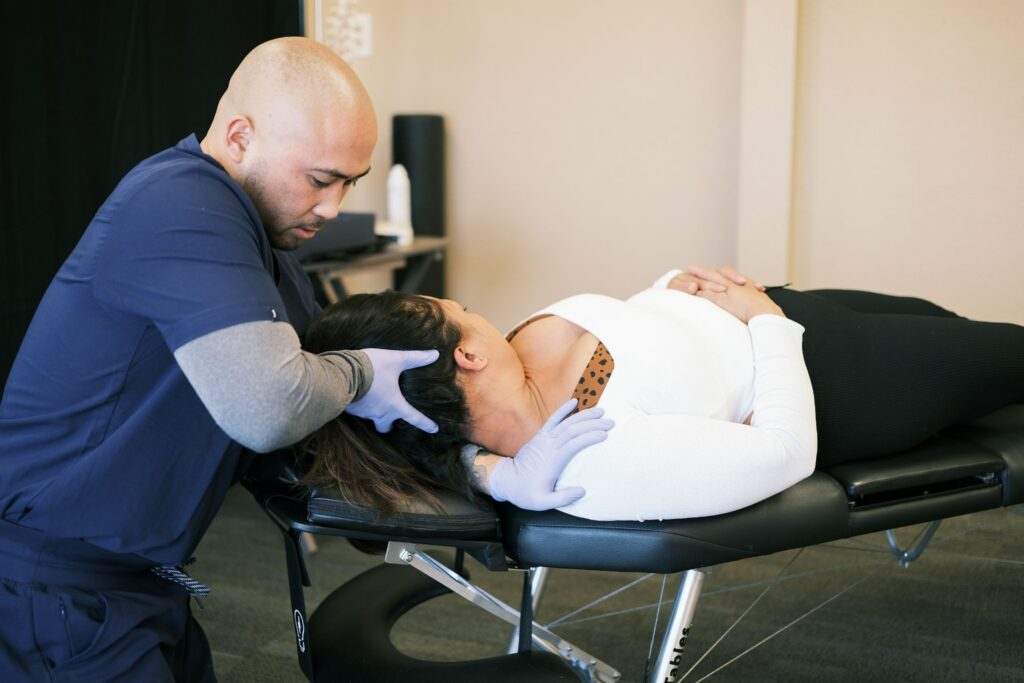

As a local chiropractor, I want to emphasize the importance of posture in relation to your overall health. Many people overlook how their daily posture can significantly impact their well-being. You may be surprised to discover that making small adjustments in how you sit, stand, and move can lead to substantial improvements in your health.
Start by evaluating your current posture—this is the first step towards a healthier lifestyle. I encourage you to consider ergonomic changes in your workspace and home environment. These adjustments can help alleviate tension and prevent discomfort.
Additionally, strengthening your core and incorporating stretching routines into your daily life can further support your posture correction journey. These practices not only promote a strong foundation but also enhance your flexibility, which is essential for maintaining good posture.
Finally, practicing mindful posture awareness is crucial. By being conscious of how you hold your body throughout the day, you can ensure that the positive changes you make truly stick. If you're curious about how to effectively implement these steps, I would be more than happy to guide you through personalized strategies that can fit your lifestyle. Your journey to better health through improved posture starts here!
Assess Your Current Posture
As a chiropractor, I want to emphasize the importance of posture and how it plays a crucial role in your overall health. Many individuals are unaware of how their daily habits—like sitting or standing—can significantly impact their well-being. Poor posture can lead to various issues, such as chronic back pain, frequent headaches, and reduced energy levels. That's why it's so important to take the time to assess your current posture.
Begin by standing in front of a mirror. Position your feet shoulder-width apart and let your shoulders relax. Notice if your head is properly aligned over your spine or if it leans forward. Check your shoulders: are they rounded, or is your back overly arched? These subtle details can provide insight into your posture habits and help us identify areas that may require attention.
Now, let's evaluate your seated posture. Sit down and observe your body position. Are you slouching or leaning forward? Ensure that your back is supported by the chair. Also, pay attention to your legs; ideally, your feet should be flat on the floor with your knees forming a right angle. This alignment is essential for maintaining spinal health.
Additionally, consider your posture during everyday activities, such as using your smartphone or working on your computer. Are you tilting your neck or hunching your shoulders? These common habits can quickly become ingrained, leading to discomfort and potential long-term issues.
Adjust Your Workspace Ergonomics
As a local chiropractor, I want to emphasize the importance of your workspace environment in promoting good posture and overall comfort. Spending long hours at your desk can take a toll on your body if your ergonomics aren't properly set up. By making a few simple adjustments, you can help reduce strain and enhance your productivity.
Here are some essential tips to consider:
- Chair Height: It's vital to ensure that your chair is at the right height, allowing your feet to rest flat on the floor. Ideally, your knees should be at or slightly lower than hip level. This positioning supports your spine and promotes better posture.
- Monitor Position: Position your monitor so that the top of the screen is at or slightly below eye level. This encourages a neutral neck position, reducing the risk of neck pain and discomfort over time.
- Keyboard and Mouse Placement: Your keyboard and mouse should be set at a height that allows your elbows to stay close to your body, forming a 90-degree angle. This helps minimize strain on your wrists and arms, preventing repetitive stress injuries.
- Desk Depth: Make sure your desk is deep enough to accommodate your monitor at an appropriate distance—about an arm's length away. This distance is crucial for preventing eye strain and ensuring that you can work comfortably.
- Lighting: Adequate lighting can significantly impact your comfort while working. Proper lighting reduces glare on your screen, which can lead to squinting and neck strain. If necessary, consider using a desk lamp to achieve optimal lighting conditions.
By following these ergonomic tips, you can create a workspace that supports your health and well-being.
Strengthen Core Muscles
Strengthening your core muscles is vital for maintaining good posture and preventing injuries, and as a chiropractor, I often emphasize its importance to my patients. Many people think that their core is just their abdominal muscles, but it actually encompasses the muscles in your lower back, hips, and pelvis as well. A robust core provides essential stability and support for your spine, allowing you to maintain proper alignment in your everyday activities.
To effectively strengthen your core, it's crucial to incorporate exercises that target all areas of this muscle group. One of my favorite recommendations is the plank. This exercise engages multiple muscle groups and helps improve endurance. Start by holding a plank position for 20-30 seconds, and as you build strength, gradually increase your duration.
Another great exercise is the bridge. To perform this, lie on your back with your knees bent and lift your hips toward the ceiling, making sure to squeeze your glutes and engage your core muscles. Hold this position for a few seconds before lowering back down. I typically suggest aiming for three sets of 10-15 repetitions.
Don't forget the significance of balance exercises, such as single-leg stands. These exercises not only strengthen your core but also enhance your stability and coordination. You can easily do this by balancing on one leg for 30 seconds and then switching to the other.
Lastly, consider incorporating practices like Pilates or yoga into your routine. These disciplines focus on core stability, flexibility, and alignment, making them excellent choices for enhancing your posture.
Incorporate Stretching Routines
As a local chiropractor, I want to emphasize the importance of incorporating stretching routines into your daily life to enhance your posture and overall well-being. Many of my patients are surprised to learn that stretching can significantly improve flexibility and relieve tension in tight muscles, which can lead to better alignment of your spine and joints.
By dedicating just a few minutes each day to these simple stretches, you can cultivate a healthier posture and prevent discomfort that may stem from muscle tightness or poor alignment.
Here are some effective stretches I recommend to include in your routine:
- Chest Opener: Stand tall and gently clasp your hands behind your back. Straighten your arms and pull your shoulders back to open up your chest. This stretch can help reverse the effects of slouching and improve your upper body posture.
- Neck Stretch: Many of my patients experience neck tension. To alleviate this, gently tilt your head to one side, bringing your ear towards your shoulder. Hold for a few deep breaths, then switch sides. This stretch can help reduce stiffness and improve mobility.
- Cat-Cow Stretch: This dynamic stretch is great for spinal health. While on all fours, alternate between arching your back and dropping your belly towards the floor, syncing your movements with your breath. This helps to mobilize the spine and relieve tension.
- Hamstring Stretch: Tight hamstrings can contribute to lower back pain. To stretch them, sit on the floor with one leg extended. Reach for your toes while keeping your back straight. This can help lengthen the hamstring muscles and improve your overall posture.
- Child's Pose: Kneel on the floor, sit back on your heels, and stretch your arms forward on the ground. This restorative pose helps relax your back and shoulders, providing a gentle release of tension.
Incorporating these stretches into your daily regimen can be a simple yet powerful way to support your chiropractic care and enhance your overall health.
Practice Mindful Posture Awareness
As a chiropractor, I want to emphasize the significant impact that mindful posture awareness can have on your overall health and well-being. By being attentive to how you carry yourself throughout the day, you can greatly improve your physical alignment, which in turn can enhance your mental state.
It's essential to practice this awareness in various activities—whether you're sitting at your desk, walking, or even standing in line. Take a moment to observe your posture: Are your shoulders hunched? Is your back rounded? Is your head leaning forward?
To develop this mindful awareness, I recommend setting reminders throughout your day. You can use sticky notes on your workspace or set an alarm on your phone. Each time you receive a reminder, pause to assess and adjust your posture.
Stand tall, engage your core muscles, and allow your shoulders to relax. Take deep breaths to help your body settle into a more aligned position.
Integrating mindful posture awareness into your daily routine can transform not only how you present yourself physically but also how you think and feel mentally. Many patients notice that as they become more aware of their posture, their confidence and energy levels improve.
This awareness can also help you identify habits that may lead to discomfort or pain, enabling you to make proactive adjustments.
As your chiropractor, I encourage you to embrace this practice—it's a simple yet powerful tool for enhancing your health and preventing future issues.
Conclusion
As your local chiropractor, I want to emphasize the significant role that posture plays in your overall health. By following these five steps, you can enhance your well-being through effective posture correction.
First, take a moment to evaluate your posture. Are you slouching or leaning too far forward? Next, consider making ergonomic adjustments to your workspace—this can make a world of difference in how your body feels throughout the day.
Strengthening your core is crucial, so I recommend incorporating targeted exercises that focus on this area. Additionally, don't forget to include stretching routines to maintain flexibility and alleviate tension in your muscles.
Finally, staying mindful of your posture throughout the day is key. Simple awareness can lead to significant improvements. Remember, even small changes can yield lasting benefits, helping you feel more comfortable and significantly reducing your risk of pain or injury.
Prioritizing your posture is a vital step toward a healthier, more active lifestyle, and I'm here to support you on this journey to natural healing!