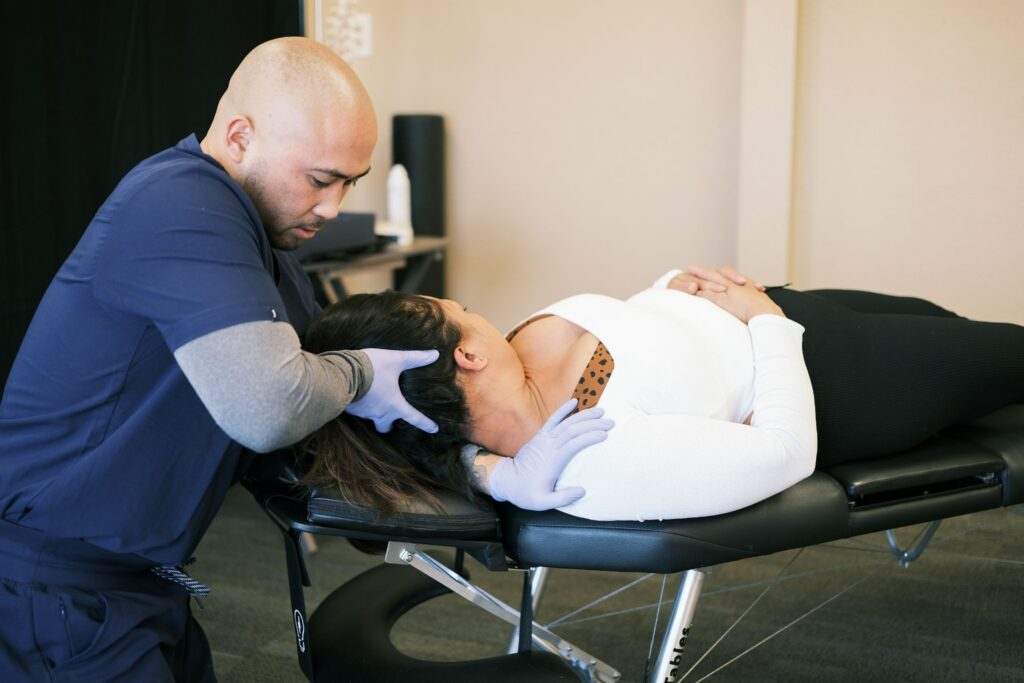

As a local chiropractor, I understand that many of you may be struggling with the discomfort of arthritis pain and might be seeking effective, natural solutions to help alleviate your symptoms. It's important to know that relief can often be found through simple lifestyle adjustments that promote overall wellness.
First, consider incorporating low-impact exercises into your routine. These activities are gentle on your joints and can help improve flexibility and strength. Alongside exercise, embracing an anti-inflammatory diet can make a significant difference in managing pain. Foods rich in omega-3 fatty acids, fruits, and vegetables can help reduce inflammation.
You might also be interested in exploring herbal remedies. Certain natural supplements have shown promise in easing arthritis symptoms. Additionally, utilizing heat and cold therapy can provide immediate relief; heat can soothe stiffness while cold therapy can reduce swelling.
Lastly, don't underestimate the power of mindfulness techniques. Practices such as meditation, deep breathing, and yoga can not only help manage pain but also enhance your overall well-being.
If you're curious about how these strategies can transform your daily life, let's dive deeper into each approach and discuss how chiropractic care can complement these natural healing methods. Your journey to relief starts here!
Stay Active With Low-Impact Exercise
As a local chiropractor, I want to emphasize the importance of staying active with low-impact exercise, particularly for those managing arthritis pain. Engaging in activities that minimize stress on your joints is crucial for maintaining mobility and alleviating stiffness. You may find that exercises such as swimming, cycling, or walking aren't only enjoyable but also contribute positively to your overall health and well-being.
When you focus on low-impact workouts, you significantly reduce the risk of aggravating your joints. For example, water aerobics is an excellent choice because the buoyancy of the water supports your body, making movements easier and less painful. The resistance provided by the water allows for effective workouts without the stress that can come from traditional exercises. You'll likely appreciate how this approach helps you concentrate on movement rather than discomfort.
Additionally, practices like yoga and tai chi are fantastic for enhancing flexibility and balance. These disciplines can help prevent falls and improve your overall stability, which is essential for maintaining a healthy lifestyle. You might notice that gentle stretching alleviates tightness and promotes relaxation, while the mindfulness aspect can greatly enhance your mental well-being—an important factor in managing arthritis.
Consistency is key in any exercise routine. I recommend aiming for at least 150 minutes of moderate exercise each week. Breaking this down into manageable sessions throughout the week can make it feel less daunting. Always listen to your body and adjust the intensity as needed to ensure you're exercising safely.
Incorporating low-impact exercises into your daily routine can lead to significant improvements in pain levels, energy, and your overall quality of life. Remember, staying active doesn't mean you have to push your limits; it's about discovering what works best for you and making it a regular part of your life.
As your chiropractor, I'm here to support you on this journey toward natural healing and improved wellness.
Incorporate Anti-Inflammatory Foods
As a local chiropractor, I want to share with you the importance of incorporating anti-inflammatory foods into your diet, especially if you're dealing with arthritis pain. These foods can play a crucial role in managing inflammation, which often leads to discomfort and limited mobility.
Start by including fatty fish like salmon and sardines in your meals. They're rich in omega-3 fatty acids, which have been shown to help reduce joint stiffness and tenderness. If you're not a fan of fish, consider fish oil supplements as an alternative.
Fruits and vegetables are also key players in fighting inflammation. Make sure to fill your plate with leafy greens such as spinach and kale, along with antioxidant-rich berries and citrus fruits. These foods are packed with vitamins and minerals that support your body's natural defenses.
Whole grains, like brown rice and quinoa, are another great addition to your diet. They provide fiber that promotes a healthy gut, which is essential for reducing inflammation throughout your body.
Don't overlook the power of nuts and seeds! Incorporating walnuts and flaxseeds into your snacks or meals can be a simple way to add omega-3s to your diet. You can toss them into smoothies, salads, or even yogurt for an extra nutritional boost.
Additionally, spices like turmeric and ginger are natural anti-inflammatory agents; consider adding them to your cooking for flavor and health benefits.
It's also important to be mindful of what to avoid. Try to limit processed foods, added sugars, and unhealthy fats, as these can contribute to inflammation and exacerbate your arthritis symptoms. Instead, focus on whole, unprocessed foods that nourish your body.
Explore Herbal Remedies
As a local chiropractor, I want to share some insights about exploring herbal remedies as a natural way to help manage arthritis pain. Many of my patients are often looking for additional tools to alleviate discomfort, and herbal options can be quite effective.
One herb I frequently recommend is turmeric. It contains curcumin, a powerful compound recognized for its anti-inflammatory properties. You can easily incorporate turmeric into your meals or consider taking it as a supplement. However, it's important to talk to your doctor to determine the right dosage that suits your individual needs.
Another herb that I find beneficial for my patients is ginger. This potent root can help relieve pain and stiffness associated with arthritis. You can enjoy fresh ginger in teas or smoothies, or use ginger powder in your cooking. Its natural compounds work to combat inflammation, making it a great addition to your diet for overall joint health.
Boswellia serrata, commonly known as Indian frankincense, is another herb worth considering. It has been shown to inhibit inflammatory pathways and may enhance joint function. You can find Boswellia in supplement form, but I always advise my patients to check with their healthcare provider before starting any new regimen.
Willow bark is a traditional remedy that has been used for centuries due to its pain-relieving effects. It contains salicin, which is similar to the active ingredient in aspirin. Willow bark can be found in teas or capsules, but it's essential to be cautious if you have any allergies to aspirin.
Lastly, let's not forget about cayenne pepper. The active component, capsaicin, can provide topical relief when used in creams or ointments. Just be aware that it can cause a burning sensation upon application, so it's best to start with a small amount.
Incorporating these herbal remedies into your routine can complement the chiropractic care you receive, helping to manage arthritis pain more effectively.
Always feel free to ask me questions during your visits; I'm here to help guide you on your journey to wellness!
Utilize Heat and Cold Therapy
As a local chiropractor, I want to share some valuable insights about utilizing heat and cold therapy to help manage arthritis pain naturally. Many of my patients have found these techniques to be effective in alleviating discomfort, reducing inflammation, and enhancing their overall mobility.
Let's explore how you can use each method to your advantage.
Firstly, heat therapy can be incredibly soothing for those stiff and achy joints. Consider options like warm baths, heating pads, or hot packs. Applying heat increases blood flow to the affected areas, which aids in relaxing muscles and alleviating stiffness.
If you prefer a more targeted approach, a warm towel or a heat wrap can provide relief exactly where you need it. Just be sure to keep the temperature at a comfortable level to avoid burns. It's generally advisable to use heat for about 15-20 minutes at a time, and pay attention to how your body responds.
Conversely, cold therapy can also play a significant role in managing arthritis symptoms. Ice packs or cold compresses work wonders by numbing sharp pain and reducing inflammation. The application of cold constricts blood vessels, which helps minimize swelling.
I often recommend using cold therapy after physical activity or at the onset of a flare-up. Apply your cold source for 10-15 minutes, allowing your skin to return to its normal temperature before you reapply.
I encourage you to experiment with both heat and cold therapies to discover what works best for your unique situation. Some patients find that heat is beneficial in the morning to loosen up stiff joints, while others prefer cold therapy in the evening for pain relief.
By incorporating these therapies into your daily routine, you may experience a significant reduction in arthritis discomfort, allowing you to enjoy your daily activities with greater ease.
Practice Mindfulness and Relaxation Techniques
As a chiropractor, I believe that mindfulness and relaxation techniques can play a vital role in managing arthritis pain and improving your overall well-being. Focusing on the present moment can help reduce stress and anxiety, which often worsen your discomfort. Simple practices such as deep breathing, meditation, and progressive muscle relaxation can empower you to take charge of both your body and mind.
To begin, I recommend trying deep breathing exercises. Find a quiet and comfortable space where you can either sit or lie down. Take slow, deep breaths—inhale through your nose, allowing your abdomen to rise, and exhale gently through your mouth. Dedicating just five to ten minutes daily to this practice can help calm your nervous system and alleviate muscle tension.
Meditation is another excellent technique to incorporate into your routine. You don't need to be a seasoned practitioner; simply focus on your breath or a calming word or phrase. If distractions arise, gently guide your focus back. Even spending a few minutes each day in meditation can lead to a noticeable reduction in your pain perception.
Progressive muscle relaxation is a technique that involves intentionally tensing and then relaxing different muscle groups throughout your body. Start with your toes and gradually work your way up to your head. This not only helps relieve physical tension but also enhances mental clarity, which can be incredibly beneficial for managing arthritis symptoms.
By incorporating these mindfulness practices into your daily life, you can cultivate a sense of peace and better cope with the physical and emotional challenges associated with arthritis. Consistency is essential, so I encourage you to make time for these techniques.
Over time, you may notice significant improvements in your pain management and overall quality of life. As your chiropractor, I'm here to support you in your journey towards natural healing and enhanced well-being.
Conclusion
As a local chiropractor, I want to share some effective natural methods for managing arthritis pain that can significantly improve your quality of life. It's important to stay active, so I recommend engaging in low-impact exercises tailored to your abilities. These exercises not only help reduce stiffness but also strengthen your joints.
Nourishing your body with anti-inflammatory foods is another key aspect of managing arthritis pain. Incorporating fruits, vegetables, whole grains, and healthy fats into your diet can make a big difference. Additionally, consider exploring herbal remedies, as many patients have found relief through natural supplements that promote joint health.
Heat and cold therapy can also be beneficial. Applying heat can help relax your muscles and improve circulation, while cold packs can reduce inflammation and numb sharp pain.
Lastly, don't underestimate the power of mindfulness techniques. Practices such as meditation or deep breathing can help lower stress levels, which in turn can alleviate pain. By integrating these strategies into your daily routine, you may experience significant improvements in your comfort and overall well-being. Remember, our goal is to help you enjoy life with greater ease and mobility!