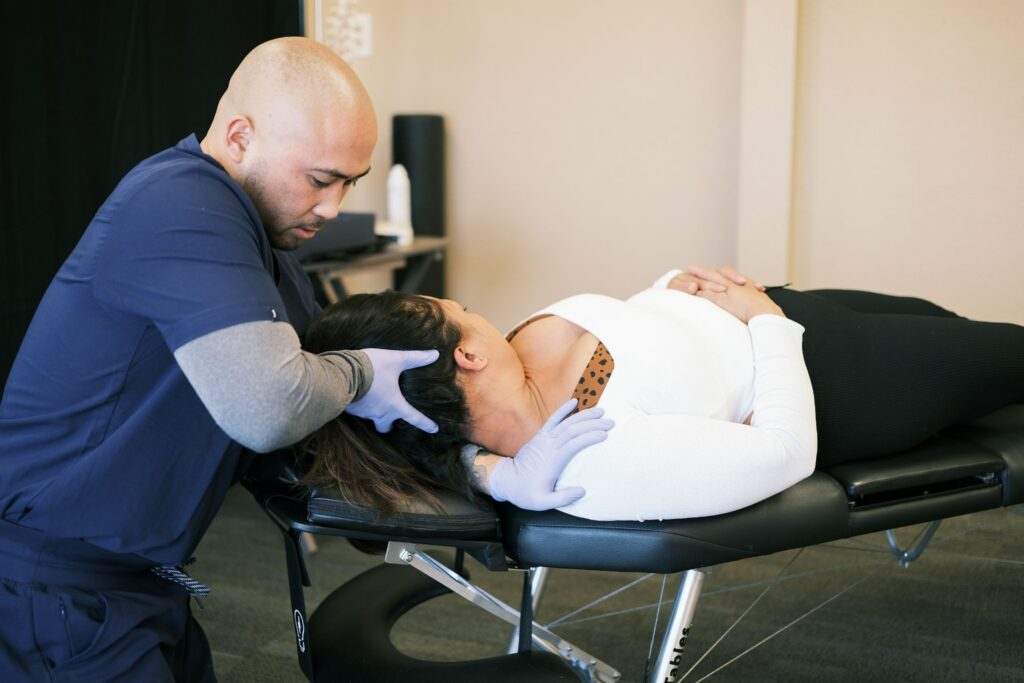

As a local chiropractor, I want to share with you some exciting developments in fibromyalgia relief as we move into 2025. There is a noticeable shift towards alternative care that emphasizes holistic therapies, and I believe these approaches can be immensely beneficial for managing your symptoms.
Techniques such as chiropractic adjustments, acupuncture, and personalized nutrition plans are becoming more recognized and widely accepted in the healthcare community. These methods not only address pain relief but also aim to improve your overall well-being. Additionally, incorporating mindfulness practices, such as yoga and meditation, can significantly help in reducing stress—a common trigger for fibromyalgia flare-ups.
What truly stands out in these emerging trends is the integration of technology and community support. With telehealth options and online support groups, patients now have access to resources and connections that can enhance their healing journey.
As you consider your path to managing fibromyalgia, I encourage you to explore these holistic approaches. They may just change how you view your health and wellness, and I'm here to guide you every step of the way. So, what does your journey to relief look like? Let's discover it together!
Rise of Holistic Therapies
As a local Chiropractor, I want to share how holistic therapies, particularly chiropractic care, can significantly transform the way you manage fibromyalgia. If you're struggling with the multifaceted challenges of fibromyalgia, embracing holistic approaches may provide you with a fresh perspective and effective tools to take charge of your health in a comprehensive way.
Chiropractic care focuses on the alignment of the spine and the overall musculoskeletal system, which can be particularly beneficial for fibromyalgia sufferers. By addressing misalignments, we can help alleviate pain, improve mobility, and support your body's natural healing processes. Many of my patients have experienced reduced discomfort and enhanced well-being through regular chiropractic adjustments, which can help restore balance to your body.
In addition to chiropractic adjustments, I encourage you to consider incorporating other holistic therapies into your routine. Techniques such as acupuncture and massage therapy can complement chiropractic care by further relieving pain and promoting relaxation. These methods can stimulate your body's self-healing mechanisms, offering you additional relief from fibromyalgia symptoms.
Nutrition is another vital aspect of holistic health. I often work with my patients to develop a balanced, anti-inflammatory diet that nourishes the body and helps minimize fibromyalgia symptoms. By identifying foods that may worsen your pain and replacing them with healthier options, you can boost your energy levels and reduce fatigue.
Moreover, embracing holistic therapies encourages you to pay attention to your body's signals and prioritize self-care. This shift in mindset can enhance your awareness of your physical and emotional needs, ultimately helping you manage stress and fatigue more effectively.
As you explore these therapies, you'll likely discover a renewed sense of empowerment that not only eases your symptoms but also elevates your overall quality of life.
Incorporating chiropractic care and other holistic treatments can truly be a game changer on your journey with fibromyalgia. I'm here to guide you through this process and support you in achieving a healthier, more balanced life.
Mindfulness and Meditation Practices
As a local chiropractor, I want to share with you how mindfulness and meditation can serve as effective complementary methods for managing fibromyalgia symptoms.
These practices can help you focus your mind and incorporate guided techniques that may lead to relief from pain and stress.
By integrating mindfulness into your daily routine, you can enhance your overall well-being and support your body's natural healing processes.
Let's take a closer look at how these holistic approaches can work alongside chiropractic care to improve your quality of life.
Benefits of Mindfulness
As a local chiropractor committed to your well-being, I want to share how practicing mindfulness can significantly enhance your overall health, particularly for those dealing with fibromyalgia. Mindfulness involves focusing on the present moment, which can help reduce stress and anxiety—two factors that often worsen fibromyalgia symptoms. By becoming more aware of your body and its sensations, you can identify pain triggers and respond in a way that supports your healing journey.
Engaging in mindfulness fosters a sense of acceptance towards your condition. This acceptance can lead to less emotional distress, making it easier to navigate the fluctuations that accompany fibromyalgia. Many of my patients have reported improvements in their sleep quality through regular mindfulness practice, as it promotes relaxation and calms the racing thoughts that can interfere with restorative rest.
Moreover, mindfulness encourages resilience. By adopting a more positive outlook, you can tackle daily challenges with greater ease. This shift in perspective often translates to improved mood and mental health, empowering you to take charge of your fibromyalgia journey in a more proactive way.
Incorporating mindfulness into your self-care routine can be a valuable addition to chiropractic care and other natural healing practices. It helps you navigate the complexities of living with fibromyalgia while cultivating a deeper connection to yourself and your experiences.
Together, we can explore how combining chiropractic adjustments with mindfulness techniques can enhance your overall quality of life.
Guided Meditation Techniques
Have you ever thought about how guided meditation can enhance your overall wellness, especially in managing conditions like fibromyalgia? As a chiropractor, I often emphasize the importance of holistic approaches to health, and guided meditation is a fantastic tool in this regard. It can help you focus your mind, reduce stress, and promote relaxation, all of which are essential for alleviating pain and discomfort.
To get started, I recommend finding a quiet space where you can unwind without distractions. There are many recorded sessions and apps available that offer guided meditation. These resources typically feature soothing music and a calming voice that leads you through various relaxation techniques.
Begin by closing your eyes and taking deep, slow breaths. Allow the guide to take you through visualizations that help you connect with your body and release any built-up tension.
As you incorporate this practice into your routine, you may start to notice significant improvements in your awareness and emotional well-being. You'll develop the ability to observe your thoughts without judgment, which can make coping with pain much easier.
Integrating guided meditation into your daily self-care regimen empowers you to take control of your fibromyalgia symptoms, providing you with a sense of peace and relief.
Acupuncture and Pain Management
As a local chiropractor, I want to share how acupuncture can be a powerful component of pain management, especially for those dealing with conditions like fibromyalgia. This ancient practice involves the insertion of fine needles at specific points on the body, which stimulates the nervous system and encourages the release of endorphins and other natural chemicals that help alleviate pain.
Not only can acupuncture address the physical discomfort associated with fibromyalgia, but it can also help manage the emotional stress that often accompanies chronic pain.
When you come to see me, I'll take the time to assess your overall health and specific symptoms. This personalized approach ensures that your treatment is tailored to your unique needs. Many patients who incorporate acupuncture into their care report significant decreases in pain levels and improvements in sleep quality after just a few sessions.
You may even find that your energy levels increase and your overall sense of well-being improves.
It's essential to understand that acupuncture isn't a universal solution. While some individuals experience substantial relief, others may benefit from combining it with additional therapies, including chiropractic care, to achieve the best results.
I strongly recommend seeking treatment from a licensed practitioner who's experience with fibromyalgia to ensure you receive optimal care.
If you're considering acupuncture as part of your wellness journey, I encourage you to keep an open mind. The experience may feel a bit unusual at first, but many find it to be a relaxing and restorative practice.
After each session, you might leave feeling lighter and more balanced. Ultimately, acupuncture can be a valuable addition to your fibromyalgia management strategy, empowering you to take control of your pain and enhance your quality of life.
As your chiropractor, I'm here to guide you through this journey and explore all the natural healing options available to you.
Nutritional Approaches to Relief
As a local chiropractor, I want to share how nutrition can play a significant role in managing fibromyalgia symptoms and enhancing your overall well-being. Many patients often overlook the profound impact that dietary adjustments can have on alleviating issues such as fatigue, pain, and cognitive difficulties associated with fibromyalgia.
To start, I encourage you to focus on incorporating whole, unprocessed foods into your diet. Emphasizing a variety of fruits, vegetables, whole grains, and lean proteins can provide your body with essential nutrients that support your immune system and help reduce inflammation.
I often recommend including omega-3 fatty acids in your meals, which you can find in fatty fish like salmon and in walnuts. These healthy fats are known for their anti-inflammatory properties, and they may help ease some of the pain and stiffness you may be experiencing.
In addition, increasing your fiber intake can be beneficial. Foods rich in fiber not only support healthy digestion but also help regulate blood sugar levels, which is crucial for maintaining your energy throughout the day.
Don't forget about the importance of hydration! Drinking enough water is vital for your overall health and can help alleviate muscle cramps and fatigue. I advise my patients to limit sugary drinks, as they can lead to energy crashes and increased inflammation.
It's also important to be mindful of what you're consuming in terms of processed foods and additives. Many individuals with fibromyalgia have reported that certain preservatives and artificial ingredients can trigger their symptoms. You might consider experimenting with eliminating these from your diet to see if your symptoms improve.
Lastly, I suggest keeping a food journal to help you track how different foods affect your symptoms. This practice can assist you in identifying patterns and making more informed dietary choices.
Herbal Remedies and Supplements
As a local chiropractor, I want to share some insights about how herbal remedies and supplements can be beneficial in managing fibromyalgia symptoms. Many of my patients have experienced relief from their discomfort through natural options that can work alongside traditional chiropractic treatments.
One herb worth considering is turmeric, which is renowned for its anti-inflammatory properties. The active compound curcumin found in turmeric may help alleviate pain and enhance overall well-being. Incorporating turmeric into your diet can be an easy way to tap into its potential benefits.
Ginger is another excellent option. Not only does it support digestion, but it also has anti-inflammatory effects that can help relieve muscle soreness. Including ginger in your meals or taking it as a supplement might provide you with additional comfort.
You may also want to look into omega-3 fatty acids, particularly those found in fish oil. These essential fats can help reduce inflammation and promote better joint health, which is crucial for those dealing with fibromyalgia.
Certain supplements such as magnesium and vitamin D can also be important in managing your symptoms. Magnesium is known to assist with muscle relaxation and can help alleviate fatigue, while vitamin D plays a significant role in overall health and has been associated with pain relief.
Don't forget about adaptogenic herbs like ashwagandha and rhodiola. These herbs can support your body in adapting to stress and may help boost your energy levels, which can be particularly beneficial when facing the daily challenges of fibromyalgia.
Before you embark on any new herbal regimen, I highly recommend consulting with a healthcare provider, including a chiropractor. We can help guide you on the appropriate dosages and ensure that these remedies won't interfere with any medications you may be taking.
Movement Therapies for Wellness
As a local chiropractor, I want to share how gentle movement can significantly enhance your overall well-being, particularly for those experiencing fibromyalgia symptoms.
By integrating mind-body practices such as yoga or tai chi into your routine, you can deepen your connection with your body and effectively reduce stress levels.
These movement therapies not only promote physical health but also support your journey towards relief and wellness.
Let's explore how incorporating these practices can complement your chiropractic care and contribute to your healing process.
Benefits of Gentle Movement
As a local chiropractor, I want to share with you the incredible benefits of gentle movement therapies, such as yoga, tai chi, and gentle stretching, especially for those who may be experiencing fibromyalgia. These practices are designed to promote slow, controlled movements that create a deeper connection with your body, ultimately reducing tension and stress.
Incorporating gentle movement into your daily routine can significantly enhance your flexibility, strength, and circulation—key factors in managing fibromyalgia symptoms effectively. It's important to understand that these movements aren't just physical; they also engage your mind, promoting mindfulness and allowing you to focus on the present moment. This mental engagement is crucial when coping with chronic pain.
Another remarkable benefit of gentle movement is its ability to stimulate the release of endorphins, which are your body's natural pain relievers. This can lead to a reduction in discomfort and an uplifting boost to your mood. Many of my patients have found that regular practice of gentle movement not only alleviates pain but also improves their overall sense of well-being.
Furthermore, engaging in these gentle activities can enhance your sleep quality, making it easier for your body to rest and recover. As you increase your activity levels, you may notice a rise in your overall energy, helping you to stay actively involved in your daily life.
If you're new to chiropractic care and natural healing, I encourage you to consider incorporating gentle movement practices into your routine. They can be a powerful complement to your chiropractic treatment, promoting healing and enhancing your quality of life.
Incorporating Mind-Body Practices
As a local chiropractor, I want to share with you the incredible benefits of integrating mind-body practices into your wellness routine, especially if you're dealing with conditions like fibromyalgia.
Gentle movement therapies can be significantly enhanced when combined with practices such as yoga, tai chi, and mindfulness meditation. These approaches not only focus on the connection between your body and mind but also promote relaxation and reduce stress—two crucial elements in managing fibromyalgia symptoms.
When you incorporate these techniques into your daily life, you'll not only see improvements in your physical flexibility and strength, but you'll also develop a greater awareness of your body's signals.
For instance, mindfulness meditation can help you remain present and diminish those negative thought patterns that often accompany chronic pain. This shift in focus can truly empower you in managing your pain levels.
I recommend starting with a gentle yoga class specifically designed for individuals with fibromyalgia. Look for instructors who prioritize body awareness and slow, deliberate movements.
Tai chi is another excellent option; its flowing motions can enhance your balance and coordination.
As you consistently practice these mind-body techniques, you're likely to experience an overall improvement in your well-being.
By combining movement therapies with mindfulness, you can adopt a holistic approach to managing fibromyalgia, which can lead to increased mental clarity and emotional resilience.
Embracing these practices will help you find a deeper sense of peace and control on your wellness journey.
Integrative Medicine Models
As a local chiropractor, I want to share how holistic approaches can significantly benefit those living with fibromyalgia. Unlike conventional methods that may focus solely on physical symptoms, our integrative approach takes into account the emotional and psychological dimensions of your condition as well.
By combining chiropractic care with complementary therapies, we create a comprehensive treatment plan that's tailored specifically to your individual needs.
When you come to our practice, you'll have the opportunity to work with a dedicated team of healthcare providers, including not only myself but also nutritionists and mental health professionals. Together, we collaborate to develop a personalized treatment plan that may incorporate chiropractic adjustments, physical therapy, acupuncture, and mindfulness techniques.
This team-oriented approach ensures that we address all aspects of your health, rather than just the symptoms of fibromyalgia.
Additionally, we place a strong emphasis on prevention and wellness. I often recommend lifestyle changes that can enhance your overall well-being, such as improved nutrition, regular physical activity, and stress management practices like yoga or meditation.
These strategies not only help manage your fibromyalgia symptoms more effectively but also improve your quality of life in the long run.
If you're curious about how chiropractic care and natural healing can support your journey with fibromyalgia, I invite you to reach out and learn more. Together, we can work towards restoring balance and promoting your healing.
Community Support Networks
Building connections with others who understand your journey can be incredibly empowering, especially for those living with fibromyalgia. As a local chiropractor, I want to emphasize the importance of community support networks where you can share your experiences, struggles, and triumphs related to your health.
Whether it's a local group or an online forum, these networks provide a safe space for invaluable emotional support and practical advice tailored to your unique needs.
Joining a support group allows you to meet individuals who truly "get it." You can discuss symptoms, treatment options, and coping strategies without feeling misunderstood. When you share your story, you often discover that others face similar challenges. This shared understanding can help reduce feelings of isolation and loneliness, which are unfortunately common among those dealing with fibromyalgia.
In these networks, you may also find resources that can enhance your self-care routines. Members often exchange information about natural therapies, dietary suggestions, and lifestyle changes that have worked for them. You might learn about workshops or classes, including those focused on yoga or meditation, specifically designed for individuals living with fibromyalgia.
As a chiropractor, I can also provide insights into how spinal adjustments and other natural healing modalities can contribute to your overall well-being.
Moreover, community support networks can foster friendships that extend beyond the group. Connecting with others can lead to social outings or simply someone to talk to when you're feeling down.
When you engage with others who share your journey, you're not only gaining support but also building a sense of belonging. As you navigate the complexities of fibromyalgia, remember that you're not alone—there's a community out there, including healthcare professionals like myself, ready to support and uplift you on your path to healing.
Technology in Alternative Care
As a local chiropractor, I want to emphasize the crucial role technology plays in enhancing alternative care, especially for those managing fibromyalgia. With advancements in telehealth, you can conveniently connect with holistic practitioners from the comfort of your own home. This not only saves you valuable time but also opens the door to specialists who truly understand the complexities of fibromyalgia and how it can affect your daily life.
Mobile applications specifically designed for pain management and symptom tracking have revolutionized the way you can monitor your condition. These tools enable you to log your daily symptoms, identify potential triggers, and track how you respond to different treatments. By recognizing patterns in your health, you can collaborate with your healthcare providers to tailor your care more effectively.
Many of these apps also offer guided meditations and relaxation techniques geared towards fibromyalgia, helping you to manage stress and pain more effectively.
Moreover, wearable devices like fitness trackers can be incredibly beneficial in your journey. By monitoring your physical activity, sleep patterns, and heart rate variability, you can gain valuable insights into how your lifestyle choices impact your fibromyalgia symptoms. This data empowers you to make informed decisions about your health and optimize your treatment.
Online support groups and forums are excellent resources for connecting with others who truly understand what you're going through. Sharing experiences and advice in these communities can be validating and reassuring, helping to alleviate feelings of isolation that often accompany chronic conditions.
Lastly, there's a wealth of educational resources available online, from webinars to informative articles, which can deepen your understanding of fibromyalgia and its management.
Conclusion
As a local chiropractor, I want to share how alternative care can significantly enhance your well-being, especially if you're dealing with fibromyalgia. In 2025, there are numerous holistic therapies and practices that can empower you to manage your symptoms more effectively. By incorporating mindfulness techniques, personalized nutritional plans, and chiropractic adjustments, we can work together to improve your quality of life.
Chiropractic care focuses on the spine and nervous system, which play a crucial role in overall health. Many patients find relief from fibromyalgia symptoms through gentle adjustments that restore proper alignment and function. Additionally, I encourage you to explore various holistic therapies, such as acupuncture, massage, and physical therapy, which can complement your chiropractic treatment.
It's essential to understand that you're not alone on this journey. Community support can make a significant difference, and with advancements in technology, resources are more accessible than ever. As you navigate these innovative approaches to managing fibromyalgia, I am here to guide you towards a path of healing and relief from the challenges you face. Together, we can create a personalized plan that suits your unique needs and helps you regain control over your health.