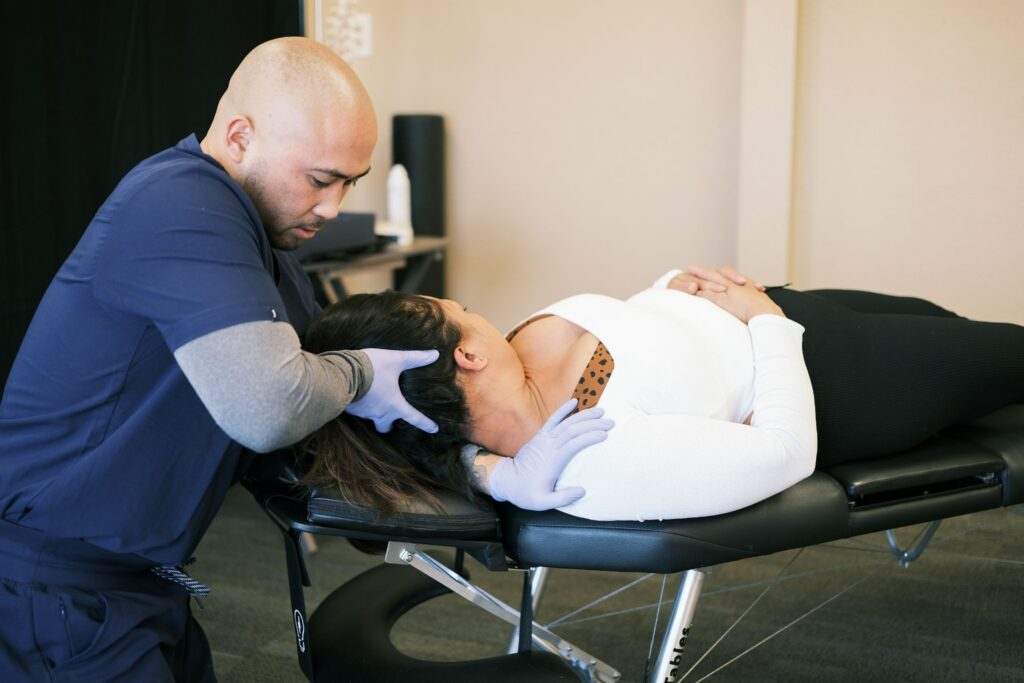

You might not realize how much self-care can transform your stress levels, but it can make a significant difference. By incorporating practices like self-compassion and mindful breathing into your routine, you can better manage daily pressures. Engaging with your community or fostering meaningful connections also plays an essential role in your mental well-being. But there are additional methods that can enhance your approach to stress relief, and exploring these can uncover even more effective strategies. Curious about what else can help you find balance?
Practice Self-Compassion
Practicing self-compassion is essential for managing stress effectively. When you treat yourself with kindness and understanding, it creates a buffer against the harshness of everyday life. Instead of berating yourself for mistakes or shortcomings, you can acknowledge your humanity and embrace imperfections. This shift in mindset helps reduce feelings of anxiety and self-doubt.
To cultivate self-compassion, start by recognizing your negative self-talk. When those critical thoughts arise, pause and question their validity. Are you being fair to yourself? You wouldn't speak to a friend the same way, so why do it to yourself? Replace those harsh judgments with supportive words, reminding yourself that everyone struggles and it's okay to feel overwhelmed at times.
Another effective way to practice self-compassion is through self-care. Make time for activities that bring you joy and relaxation. Whether it's reading a book, taking a walk, or indulging in a hobby, prioritize these moments to recharge your mental batteries. Remember, self-care isn't selfish; it's necessary for your well-being.
Finally, embrace the practice of mindfulness. Being present allows you to observe your thoughts and feelings without judgment. Acknowledge your emotions, but don't let them define you. By fostering a compassionate relationship with yourself, you'll find it easier to navigate stressors and challenges.
Ultimately, practicing self-compassion equips you with the resilience needed to face life's hurdles with grace and confidence.
Engage in Mindful Breathing
When you engage in mindful breathing, you shift your focus to your breath, which helps ground you in the present moment.
Practicing deep breathing techniques can greatly reduce stress and promote relaxation.
To reap the benefits, try to incorporate regular sessions into your daily routine.
Focus on Your Breath
Mindful breathing offers a powerful way to anchor yourself in the present moment and alleviate stress. When you focus on your breath, you bring awareness to the rhythm of your inhalations and exhalations. This practice can help calm your mind, making it easier to let go of distractions and worries.
To make the most of your mindful breathing, consider these simple steps:
- Find a quiet space: Choose a location where you won't be interrupted, allowing you to fully immerse yourself in the experience.
- Set a timer: If you're new to this practice, start with just five minutes. Gradually increase the time as you become more comfortable.
- Observe without judgment: As you breathe, notice any thoughts or feelings that arise. Acknowledge them, then gently return your focus to your breath.
Practice Deep Breathing
Deep breathing serves as an effective tool for reducing stress and promoting relaxation. When you practice deep breathing, you shift your focus away from stressors and ground yourself in the present moment.
Start by finding a quiet space where you can sit or lie down comfortably. Close your eyes and take a deep breath in through your nose, allowing your abdomen to expand fully. Hold that breath for a moment before slowly exhaling through your mouth.
As you breathe, pay attention to how your body feels. Notice the rise and fall of your chest, and let go of any tension with each exhale. You might find it helpful to count your breaths—inhale for a count of four, hold for four, and exhale for six.
This simple technique not only calms your mind but also lowers your heart rate and blood pressure, creating a sense of peace.
Try to incorporate this practice into your daily routine, even if it's just for a few minutes. You'll discover that deep breathing can be a powerful, immediate remedy for stress, helping you feel centered and more in control.
Incorporate Regular Sessions
Building on your practice of deep breathing, incorporating regular sessions of mindful breathing can greatly enhance your ability to manage stress. By setting aside dedicated time each day, you allow yourself to reconnect with your breath and center your thoughts. This commitment helps reduce anxiety, improve focus, and cultivate a sense of calm.
To get started, consider these simple strategies:
- Find a quiet space: Choose a comfortable area where you won't be disturbed. This allows you to fully immerse yourself in the experience.
- Set a timer: Begin with just five minutes and gradually increase the duration as you grow more comfortable. Consistency is key to experiencing the benefits.
- Focus on your breath: Pay attention to each inhale and exhale. If your mind wanders, gently guide it back to your breathing.
Incorporating mindful breathing sessions into your daily routine not only helps you manage stress effectively but also promotes emotional resilience.
Volunteer in Your Community
Volunteering in your community can bring a profound sense of fulfillment and connection. When you lend a hand, whether it's at a local shelter, food bank, or community garden, you're not just helping others; you're also nurturing your own mental well-being.
Engaging with people from different walks of life can shift your perspective and remind you of the resilience and kindness that exists in the world.
Getting involved can also provide a welcome distraction from your everyday stresses. Focusing on a cause greater than yourself helps you step outside your worries and immerse yourself in meaningful work.
You'll find that as you help others, your own burdens may feel lighter. Plus, the sense of accomplishment you gain from completing tasks or seeing the positive outcomes of your efforts can be incredibly rewarding.
Another bonus is the physical activity that often comes with volunteering. Whether you're organizing a community event or helping out at a local park, you're likely to be on your feet and moving around, which is great for your body and mind.
Foster Meaningful Connections
Building meaningful connections can greatly reduce your stress levels.
Focus on quality over quantity—it's more beneficial to have a few close friends than many acquaintances.
Quality Over Quantity
Fostering meaningful connections can greatly reduce stress and enhance your overall well-being. When it comes to relationships, prioritizing quality over quantity is essential. You don't need a large circle of friends; instead, focus on deepening the bonds you have. Genuine connections help you feel supported, understood, and valued, all of which can alleviate stress.
Consider these ways to cultivate quality relationships:
- Be Present: Engage fully when you're with others. Put away distractions and truly listen.
- Share Experiences: Create memories together. Whether it's a simple coffee date or a weekend hike, shared moments strengthen connections.
- Express Gratitude: Regularly acknowledge and appreciate the people in your life. A heartfelt thank you can go a long way in reinforcing your bond.
Active Listening Practices
Active listening is an essential skill that can greatly enhance your relationships and help you connect more deeply with others. When you truly listen, you're not just hearing words; you're engaging with the speaker's thoughts and feelings. This practice fosters trust and understanding, which are key to relieving stress in your interactions.
To become an active listener, start by giving your full attention. Put away distractions—like your phone—and maintain eye contact. Show that you're engaged by nodding or using affirming words, which encourages the speaker to share more.
Reflect on what they say by paraphrasing or asking clarifying questions. This not only shows you're listening but also helps deepen your understanding.
Don't rush to respond. Take a moment to process their emotions and thoughts before offering your perspective. This thoughtful approach makes others feel valued and heard, strengthening your connection.
Prioritize Physical Activity
Incorporating regular physical activity into your routine is one of the most effective ways to alleviate stress. When you engage in physical exercise, your body releases endorphins, which are natural mood lifters. You'll not only feel more energized, but you'll also find that your worries seem to fade.
To make physical activity a priority, consider these tips:
- Choose activities you enjoy: Whether it's dancing, jogging, or cycling, find something that excites you. You're more likely to stick with it if you love what you're doing.
- Set realistic goals: Start small and gradually increase your activity level. This way, you can avoid feeling overwhelmed and stay motivated as you achieve each milestone.
- Schedule it in: Treat your workout like an important appointment. Block out time in your calendar to guarantee you make it a non-negotiable part of your day.
You don't need to spend hours at the gym to reap the benefits. Even a brisk 30-minute walk can considerably reduce your stress levels.
Incorporating small bursts of activity throughout your day can also help. Try taking the stairs instead of the elevator or doing a quick set of stretches during breaks.
Create a Relaxing Environment
To relieve stress, start by creating a relaxing environment that soothes your mind.
Declutter your space, add calming colors, and incorporate natural elements to foster tranquility.
These simple changes can transform your surroundings and help you feel more at ease.
Declutter Your Space
Clearing out clutter can transform your space into a calming retreat.
When you remove unnecessary items, you create an environment that feels more inviting and peaceful. A tidy space not only reduces visual distractions but also helps to clear your mind.
Here are some practical steps to declutter effectively:
- Set a timer: Allocate a specific amount of time each day to tackle different areas of your home. This keeps the process manageable and less overwhelming.
- Use the "one in, one out" rule: For every new item you bring into your space, let go of an existing one. This helps maintain balance and prevents clutter from building up again.
- Organize by category: Sort your belongings into categories, such as clothing, books, or kitchen items. This method makes it easier to see what you own and decide what to keep or donate.
Add Calming Colors
Colors can greatly influence your mood and stress levels. When you want to create a relaxing environment, consider the shades that surround you. Soft blues and greens evoke a sense of calm, while warm neutrals can make your space feel inviting and cozy. You might find that these colors help ease tension and promote tranquility.
To start, think about your wall colors. If painting isn't an option, you can use art or wall hangings in calming hues. Incorporate soft furnishings like cushions, throws, or rugs in these shades to help maintain a serene atmosphere.
Even your choice of lighting matters—opt for warm white or soft yellow bulbs that mimic natural light, enhancing the overall effect.
Don't forget about smaller items, too. Candles, vases, and decorative pieces in soothing colors can tie your room together, creating a harmonious feel.
When you walk into a space that feels nurturing, you'll likely notice a decrease in stress levels. By intentionally adding calming colors to your environment, you can foster a setting that encourages relaxation and peace, which is essential for managing stress effectively.
Incorporate Natural Elements
Bringing the outdoors in can greatly enhance your space's tranquility and reduce stress levels. By incorporating natural elements, you create an environment that soothes your mind and body.
Here are a few ideas to help you get started:
- Houseplants: Adding greenery not only purifies the air but also brings life to your space. Consider low-maintenance plants like snake plants or pothos if you're new to plant care.
- Natural Light: Maximize sunlight by opening curtains or using mirrors to reflect light. Sunlight boosts your mood and helps regulate your internal clock, making you feel more energized.
- Natural Materials: Use materials like wood, stone, or bamboo in your decor. These elements create a warm and inviting atmosphere that connects you to nature.
Incorporating these elements can transform your space into a personal sanctuary.
Set Healthy Boundaries
Setting healthy boundaries is vital for maintaining your mental and emotional well-being. When you establish clear limits in your relationships, you protect your time, energy, and peace of mind.
First, identify what you need. Think about situations or people that drain you. Recognizing these triggers helps you define your boundaries more effectively.
Next, communicate your boundaries clearly and assertively. You don't have to be aggressive, but you should be direct. For example, if you need to limit work-related calls after hours, let your colleagues know. Phrasing it as, "I'll be unavailable after 6 PM, but I'm happy to help during office hours," strikes a balance between professionalism and self-care.
It's also important to stay consistent. If you set a boundary, stick to it. If you waver, others may not take your limits seriously, leading to more stress. Remember, it's okay to say no. You're not responsible for accommodating everyone's needs at the expense of your own well-being.
Moreover, don't forget to respect others' boundaries. Just as you want your limits honored, be mindful of what others communicate. It fosters mutual respect and understanding, strengthening your relationships.
Finally, give yourself grace. Setting boundaries is a skill that takes practice. You might feel guilty at first, but remind yourself that prioritizing your well-being isn't selfish; it's necessary.
Develop a Gratitude Practice
After you've established healthy boundaries, cultivating a gratitude practice can further enhance your mental well-being. By focusing on the positive aspects of your life, you can shift your mindset, reduce stress, and improve your overall mood. It's a simple yet powerful tool that anyone can incorporate into their daily routine.
Start by taking a few minutes each day to reflect on what you're thankful for. This could be as simple as appreciating a warm cup of coffee in the morning or recognizing the support of a friend.
Here are a few effective ways to integrate gratitude into your life:
- Keep a Gratitude Journal: Write down three things you're grateful for each day. This not only helps you appreciate the good but also serves as a reminder during tough times.
- Practice Mindfulness: Take a moment to pause and breathe deeply. Acknowledge the present and express gratitude for what's happening in that moment, whether it's the beauty of nature or the comfort of your space.
- Share Your Gratitude: Tell someone you appreciate them. This could be a heartfelt message to a friend or a simple thank you to a colleague. It strengthens your connections and enhances your sense of community.
Explore Creative Outlets
Exploring creative outlets can be a fantastic way to relieve stress and express your emotions. Engaging in activities like painting, writing, or playing music allows you to channel your feelings into something tangible. When you create, you're not just passing the time; you're actively processing your thoughts and experiences.
Try picking up a paintbrush and letting your imagination run wild. You don't need to be a professional artist; just focus on the colors and shapes that resonate with you.
Alternatively, if writing speaks to you, consider keeping a journal. Writing down your thoughts can help you clarify your feelings and identify stressors in your life. You might even discover new perspectives on problems that seemed overwhelming.
If you enjoy music, playing an instrument or listening to your favorite songs can be incredibly therapeutic. Music has a unique ability to lift your spirits or help you feel understood. Don't shy away from singing along; it's a great way to release pent-up emotions.
Crafting is another wonderful outlet. Whether it's knitting, scrapbooking, or building models, working with your hands can be both soothing and rewarding. Completing a project gives you a sense of accomplishment that can be a great antidote to stress.
Ultimately, the key is to find a creative outlet that resonates with you. Allow yourself to explore without judgment. Embrace the process, and you'll likely find that your stress begins to melt away.
Seek Professional Support
Sometimes, seeking professional support can be the most effective way to relieve stress. When you're overwhelmed by life's demands, talking to a trained professional can provide you with the tools and strategies to manage your stress more effectively. Therapists and counselors can offer valuable perspectives and coping mechanisms tailored to your unique situation.
You might feel hesitant about reaching out for help, but remember that seeking support is a sign of strength, not weakness.
Here are some benefits of working with a professional:
- Personalized Strategies: A therapist can help you identify specific stressors and develop personalized coping strategies that resonate with you.
- Safe Space: Professional support provides a confidential and non-judgmental environment where you can express your thoughts and feelings freely.
- Long-Term Solutions: Rather than just addressing symptoms, professionals can help you uncover the root causes of your stress, leading to more sustainable changes in your life.
Whether it's through individual therapy, group sessions, or even support hotlines, there's a range of options to explore. You don't have to face stress alone; professionals are trained to help you navigate these challenges.
Conclusion
By incorporating these ten practices into your life, you can effectively relieve stress and nurture your mental well-being. Remember to be kind to yourself, stay present, and build supportive connections. Prioritize your physical health, set boundaries, and express gratitude regularly. Don't hesitate to explore creative outlets and seek professional help when needed. Embrace these strategies, and you'll find a greater sense of peace and balance in your daily life. You deserve to feel good!