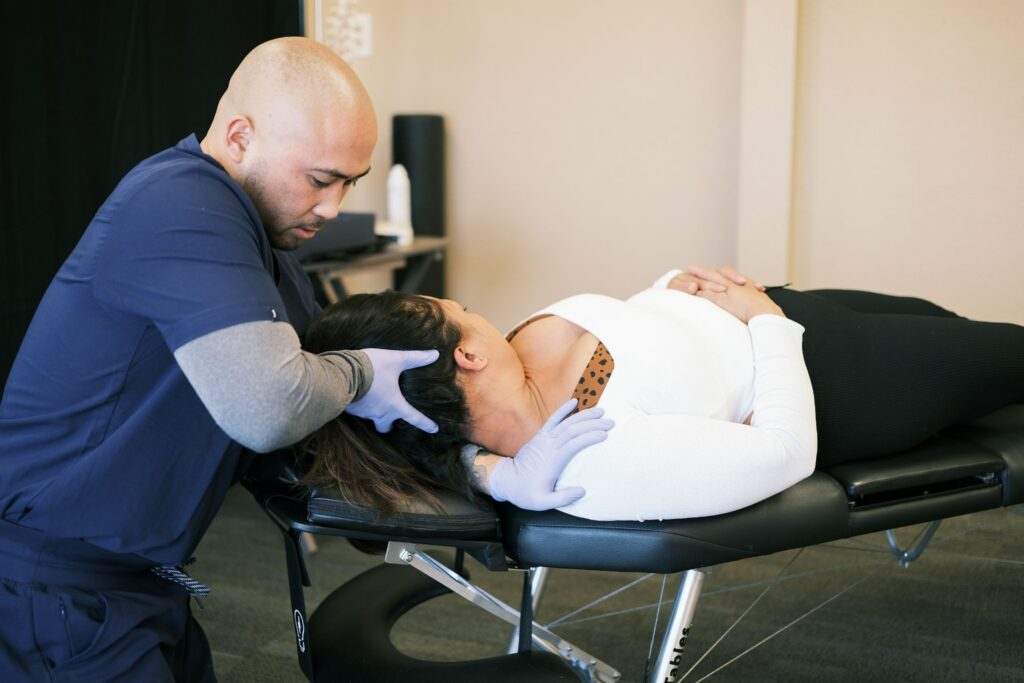

If you're dealing with chronic pain, it's understandable that you may be seeking effective relief options beyond just medication. As a local chiropractor, I want to share with you some natural methods that can help manage your discomfort and enhance your overall well-being. Chiropractic care is one of the many approaches that can offer significant relief by addressing the root causes of pain through spinal adjustments and body alignment.
In addition to chiropractic treatments, there are various natural strategies you can incorporate into your daily routine. Techniques such as mindfulness meditation, gentle stretching, and dietary adjustments can work wonders in alleviating pain. Each person is unique, so it's important to explore different options to see what resonates with your body and lifestyle.
I encourage you to consider these holistic approaches as part of your pain management plan. If you're curious about specific techniques or how chiropractic care can support your healing journey, I'm here to help guide you every step of the way. Together, we can find the best solutions tailored to your needs.
Mindfulness Meditation
As a local chiropractor, I want to introduce you to a powerful tool that can greatly assist in managing chronic pain: mindfulness meditation. This practice focuses your attention on the present moment, creating a mental space where pain doesn't overpower your thoughts. Instead of reacting to discomfort with anxiety or frustration, mindfulness teaches you to observe your pain without judgment. This shift in perspective can significantly reduce how intensely you perceive your pain.
To begin incorporating mindfulness into your routine, find a quiet space where you can sit undisturbed. Get comfortable, close your eyes, and take a few deep breaths. Focus on your breathing, paying attention to the rise and fall of your chest. If thoughts about your pain arise, acknowledge them, but gently redirect your focus back to your breath. This practice helps you create a sense of separation from your pain, allowing you to experience it without feeling overwhelmed.
Another effective technique is the body scan, which you can easily incorporate into your mindfulness practice. Start at your toes and slowly move your awareness up through your body, paying close attention to any areas of discomfort. As you breathe into these areas, visualize the tension melting away. This technique not only promotes relaxation but also enhances your awareness of how your body feels at any given moment.
Consistency is crucial for reaping the full benefits of mindfulness meditation. Even dedicating just a few minutes each day can lead to noticeable improvements over time.
As you develop this habit, you may find that your pain becomes more manageable, allowing you to engage in daily activities with greater ease and comfort.
As your chiropractor, I encourage you to explore mindfulness meditation as a complementary approach alongside your chiropractic care. Together, these practices can help promote a holistic path to healing and wellness.
Yoga and Gentle Stretching
As a local Chiropractor, I often see patients who struggle to find balance and relief from chronic pain. It can indeed feel like an uphill battle, but I'm here to educate you on how incorporating yoga and gentle stretching into your routine can be a game-changer. These practices not only enhance flexibility but also foster relaxation and mindfulness—two key elements in managing chronic pain effectively.
When you practice yoga, you're not merely working on your physical body; you're also nurturing a deeper connection between your mind and body. This connection is crucial because it can help alleviate stress, which is a well-known trigger for pain flare-ups. I recommend starting with simple poses such as Child's Pose or Cat-Cow. These are excellent for relieving tension in your back and neck. As you become more comfortable, you can explore additional poses that specifically target areas where you may be experiencing discomfort.
Gentle stretching pairs wonderfully with yoga. It plays a vital role in maintaining mobility and preventing stiffness, which can worsen pain. I encourage you to dedicate just a few minutes each day to stretch major muscle groups, paying particular attention to areas where you feel tightness.
Remember to breathe deeply during your stretches; this not only enhances their effectiveness but also promotes a greater sense of relaxation.
It's important to keep in mind that perfection isn't the goal; rather, it's about listening to your body and modifying poses as necessary. Consistency in your practice is far more important than intensity. Even short sessions can lead to significant improvements over time. You may be pleasantly surprised at how much better you feel both physically and mentally.
Incorporating yoga and gentle stretching into your daily routine isn't just about finding physical relief; it's about creating a holistic approach to managing chronic pain. This can empower you to take back control of your well-being and improve your overall quality of life.
If you're interested in learning more about how chiropractic care complements these practices, don't hesitate to ask during your next visit.
Herbal Remedies
As a local chiropractor, I often emphasize the importance of exploring natural healing options for managing chronic pain.
Two herbal remedies that have shown promising benefits are turmeric and ginger. Turmeric, which contains curcumin, is renowned for its anti-inflammatory properties, making it a great ally in pain management.
On the other hand, ginger is widely recognized for its effective pain-relieving qualities. By incorporating these natural remedies into your wellness routine, you may discover a holistic approach to finding the relief you've been seeking.
Turmeric and Curcumin Benefits
As a local chiropractor dedicated to promoting natural healing, I want to share with you the incredible benefits of turmeric and its active compound, curcumin. Known as a golden spice, turmeric is celebrated for its powerful anti-inflammatory and antioxidant properties, making it a valuable addition to your health regimen, especially if you're experiencing chronic pain.
In our practice, we often emphasize the importance of addressing inflammation in the body, as it can significantly impact your overall well-being. Curcumin works by inhibiting inflammatory pathways, which can lead to reduced pain levels and an improved quality of life.
By incorporating turmeric into your diet, you may find a natural method to help manage your pain alongside chiropractic adjustments. You can easily integrate turmeric into your meals—think soups, smoothies, or flavorful curries. For those looking for a more concentrated form, curcumin supplements are also available.
Just remember, to enhance the absorption of curcumin, it's beneficial to pair it with black pepper, which contains piperine. Research indicates that curcumin may provide relief for conditions like arthritis and inflammatory bowel disease, offering a natural alternative to conventional pain relievers.
Additionally, its antioxidant effects can bolster your immune system and support your overall health. As always, I encourage you to consult with a healthcare professional before starting any new supplement regimen.
Ginger for Pain Relief
As a local chiropractor dedicated to educating my patients about natural healing methods, I want to highlight the benefits of ginger for chronic pain relief. This remarkable root is renowned for its powerful anti-inflammatory properties and has been utilized in traditional medicine for centuries.
Recent studies back up its efficacy in mitigating various types of pain, including joint discomfort, muscle soreness, and headaches. By incorporating ginger into your daily routine, you may discover a natural approach to alleviating your pain.
One effective way to enjoy ginger is by preparing it as a tea. Simply slice fresh ginger and steep it in hot water for about 10 minutes. You can enhance the flavor with a touch of honey or lemon.
If you prefer cooking, ginger powder can easily be added to stir-fries, soups, or smoothies to boost both flavor and health benefits. For those who want a more concentrated option, ginger capsules are available and can offer significant relief.
Additionally, ginger oil can be applied topically for pain relief. By mixing it with a carrier oil, you can massage it onto sore areas, helping to reduce inflammation directly at the source.
While ginger is generally safe for most individuals, I always recommend consulting with a healthcare professional before starting any new supplement, especially if you're currently taking medications.
Acupuncture Therapy
As a local chiropractor, I want to introduce you to the fascinating world of acupuncture therapy, which can be a valuable tool in managing chronic pain.
In this section, I'll explain the benefits of acupuncture and how the treatment process unfolds. Gaining insight into these aspects can empower you to determine if acupuncture may be a suitable addition to your pain relief journey, alongside the chiropractic care that I provide.
Understanding how natural healing methods like acupuncture work can enhance your overall wellness and comfort.
Benefits of Acupuncture
As a local chiropractor, I want to share with you the remarkable benefits of acupuncture therapy, especially when it comes to managing chronic pain. This ancient healing practice focuses on stimulating specific points on your body, which can promote the release of endorphins—your body's natural painkillers. Many of my patients have found that acupuncture not only alleviates their pain but also helps them feel more relaxed overall.
One of the significant advantages of acupuncture is its ability to enhance blood circulation, which is crucial for healing. Improved blood flow to the affected areas can lead to reduced inflammation and a faster recovery from injuries.
Additionally, numerous individuals have reported improvements in their sleep quality after acupuncture sessions. Better sleep is key, as it can significantly influence your pain levels and overall mood.
Another noteworthy benefit is acupuncture's effectiveness in reducing stress and anxiety, which often accompany chronic pain. By promoting relaxation, acupuncture can make it easier for you to manage your pain and enhance your quality of life.
What I appreciate most about acupuncture is its versatility. It can be tailored to meet your unique needs, providing a personalized approach to pain management.
When combined with other natural therapies that I offer in my practice, acupuncture can be a powerful tool on your journey towards relief and improved well-being. If you're curious about how acupuncture can specifically benefit you, I encourage you to reach out and discuss it further!
Treatment Process Explained
How does the treatment process for chiropractic care work? When you come in for your appointment, I'll start with a comprehensive assessment of your health. This includes asking about your pain levels, medical history, and lifestyle habits. This information is crucial for creating a personalized treatment plan that addresses your specific needs.
Once we've completed the assessment, you'll be guided to a comfortable position on the treatment table. I'll then use targeted adjustments to align your spine and improve your body's function. You might feel a gentle pressure or a pop, but most patients report that the experience is relieving and can even be relaxing.
These adjustments help to restore the natural flow of energy and movement in your body, promoting healing and alleviating pain.
Typically, a chiropractic session lasts about 30 to 60 minutes. During this time, you can take a moment for yourself, and many patients find it a great opportunity to unwind.
After your treatment, I'll provide guidance on follow-up appointments and self-care strategies that can enhance your recovery and overall wellness.
Many patients begin to notice improvements in their condition after just a few sessions, but the full benefits often develop over time. It's important to approach this process with an open mind, as individual responses to chiropractic care can differ.
With patience and dedication, you may experience significant relief from chronic pain and improved overall health through natural healing methods.
Dietary Adjustments
As a local chiropractor, I want to emphasize how making dietary adjustments can significantly enhance your journey toward managing chronic pain. The foods you choose to consume can either worsen your symptoms or contribute to your overall well-being. By adopting an anti-inflammatory diet and identifying any food triggers, you can support your body's natural healing processes.
To begin, let's focus on incorporating whole, nutrient-dense foods into your daily meals. These types of foods play a crucial role in reducing inflammation, which is often a key factor in chronic pain conditions. Here are some dietary modifications to consider:
- Increase Omega-3 Fatty Acids: Incorporating foods such as salmon, walnuts, and flaxseeds into your diet can help diminish inflammation and promote better health.
- Add Antioxidant-Rich Fruits and Vegetables: Foods like berries, leafy greens, and sweet potatoes are excellent choices that help combat oxidative stress in the body, which can contribute to pain.
- Limit Processed Foods and Sugars: High consumption of processed foods and sugars can lead to increased inflammation, potentially worsening your pain. Reducing these from your diet can make a positive difference.
- Stay Hydrated: Drinking plenty of water is essential. It aids in flushing out toxins from your body and can help alleviate discomfort.
- Consider a Gluten-Free Diet: Some patients have reported that gluten can trigger pain symptoms. Exploring gluten-free grains may be a valuable option for you.
By making these dietary adjustments, you can complement the benefits of chiropractic care and enhance your body's ability to heal naturally.
Hot and Cold Therapy
As a local chiropractor, I want to share with you the benefits of hot and cold therapy for managing chronic pain. These natural methods can be incredibly effective in alleviating discomfort and improving your overall well-being.
Let's start with heat therapy. When you apply heat to an area, it increases blood flow, which can help soothe stiff muscles and relieve tension. This technique is particularly beneficial for conditions like arthritis or muscle spasms.
As a chiropractor, I often recommend using a heating pad, a warm towel, or even taking a warm bath to find relief. Heat therapy can relax your muscles and promote healing, making it an essential part of managing your pain.
On the flip side, cold therapy can be a powerful tool as well. By numbing the area and reducing inflammation, cold therapy is especially useful after an injury or for conditions that result in swelling.
Ice packs or cold compresses can help manage pain effectively and minimize swelling, providing you with quick relief. Just remember to apply cold therapy for about 15-20 minutes at a time, and always place a thin cloth between the ice pack and your skin to protect yourself from frostbite.
Many of my patients find it beneficial to alternate between hot and cold treatments. This approach can enhance blood circulation and promote healing, which is key to reducing pain.
I encourage you to listen to your body and determine which method provides the most relief for your specific situation. Also, giving your skin a break between treatments is essential to prevent irritation.
Incorporating hot and cold therapy into your daily routine is a simple yet effective way to manage chronic pain naturally. With some experimentation, you can discover the right balance that helps you feel more comfortable and regain control over your pain.
If you have any questions or need guidance on how to implement these therapies, please feel free to reach out during your next visit!
Essential Oils
As a local chiropractor, I want to share how essential oils can be a powerful ally in managing chronic pain naturally. These concentrated plant extracts have been used for centuries, and their therapeutic properties can complement your chiropractic care.
By incorporating essential oils into your wellness routine, you may find relief from discomfort while also enjoying the calming scents that can uplift your mood.
Here are some essential oils that are particularly known for their pain-relieving effects:
- Lavender: This oil is well-known for its calming properties. It can help reduce stress and promote relaxation, which may alleviate tension-related pain—something we often see in our patients.
- Peppermint: With its invigorating cooling sensation, peppermint can provide relief for headaches and muscle aches, making it a great option to consider alongside your chiropractic treatments.
- Eucalyptus: This oil possesses anti-inflammatory properties that may assist with joint pain and respiratory issues, supporting your overall mobility and wellness.
- Ginger: Known for its warming qualities, ginger oil can help ease muscle soreness and improve circulation, which is essential for healing.
- Rosemary: This oil isn't only known to relieve muscle pain but also to enhance cognitive function, making it a beneficial addition to your pain management toolkit.
To incorporate these oils into your routine, you can dilute them with a carrier oil and apply them topically to the affected areas.
Alternatively, diffusing them in your home can allow you to enjoy their therapeutic benefits throughout your day. Just remember to test for skin sensitivity before applying any essential oils directly to your skin.
Exploring the world of essential oils could provide you with a natural and effective way to manage your chronic pain, enhancing the benefits of the chiropractic care you receive.
If you have questions or want to learn more about integrating these oils into your healing journey, feel free to ask during your next visit!
Regular Exercise
As your local chiropractor, I want to emphasize the importance of regular exercise in effectively managing chronic pain. Engaging in physical activity isn't only beneficial for your overall health but it also plays a crucial role in strengthening your muscles, improving flexibility, and boosting endurance—all of which can help alleviate pain over time.
When you exercise, your body releases endorphins, which are natural pain relievers that can elevate your mood and enhance your sense of well-being.
You don't need to dive into intense workout routines immediately. I recommend starting with low-impact activities such as walking, swimming, or cycling. These forms of exercise are gentle on your joints while still delivering significant benefits.
Aim for at least 150 minutes of moderate exercise each week, breaking it down into manageable sessions. Even brief periods of activity, such as 10 minutes at a time, can have a positive impact.
It's essential to listen to your body. If you find that your pain increases during or after exercise, it's important to adjust your routine accordingly. Consulting with a physical therapist or a chiropractor can be incredibly helpful.
We can customize a program that meets your specific needs and guide you through safe exercises that build strength without exacerbating your pain.
Consistency is vital. Establishing a routine that fits your lifestyle will help you stick with it long-term. You may also find that incorporating gentle stretching or yoga can alleviate tension and enhance your range of motion.
Remember, the goal isn't perfection but progress. By committing to regular exercise, you're taking an active role in managing your chronic pain and improving your overall health.
As your chiropractor, I'm here to support you on this journey toward better health and well-being.
Sleep Hygiene
As a local chiropractor, I want to emphasize the importance of quality sleep in managing chronic pain and enhancing your overall well-being. When you're well-rested, your body is better equipped to heal and handle discomfort.
Unfortunately, poor sleep habits can intensify pain, which is why establishing a solid sleep hygiene routine is crucial for restorative rest. Here are some practical tips to help you improve your sleep quality:
- Stick to a schedule: Try to go to bed and wake up at the same time every day, even on weekends. This consistency can help regulate your body's internal clock, which is essential for optimal healing.
- Create a restful environment: Your bedroom should be a sanctuary for sleep. Keep it dark, cool, and quiet. You might consider using blackout curtains or a white noise machine to minimize any disturbances that could disrupt your rest.
- Limit screen time: It's wise to reduce your exposure to screens at least an hour before bedtime. The blue light emitted by devices can interfere with your melatonin production, making it tougher to fall asleep.
- Establish a relaxing pre-sleep routine: Engage in calming activities to signal to your body that it's time to wind down. This could include reading, practicing deep breathing exercises, or taking a warm bath. These practices can help prepare your mind and body for a good night's sleep.
- Watch your diet: Be mindful of what you consume in the hours leading up to bedtime. Avoid large meals, caffeine, and alcohol close to bedtime, as these can disrupt your sleep patterns and lead to restless nights.
By incorporating these sleep hygiene tips into your routine, you can significantly enhance your sleep quality, which in turn can improve your ability to manage pain and support your overall health.
If you have further questions or need assistance, feel free to reach out during your next visit!
Stress Management Techniques
As a local chiropractor, I want to emphasize the importance of managing stress, especially for those of you dealing with chronic pain. Stress can significantly impact your overall well-being, and when your body is under stress, it releases hormones that can heighten your pain levels, creating a frustrating cycle of discomfort.
To help break this cycle, I encourage you to adopt some effective stress management techniques that align well with chiropractic care and natural healing.
One of the simplest yet most effective methods is incorporating deep breathing exercises into your daily routine. By focusing on slow, deep breaths, you can calm your mind and lower your heart rate, which helps to reduce stress.
Additionally, consider trying progressive muscle relaxation. This involves tensing and then relaxing different muscle groups, which not only alleviates tension but also helps you become more aware of the differences between tension and relaxation in your body.
Mindfulness meditation is another powerful tool that I recommend. Set aside a few minutes each day to focus on the present moment without judgment. This practice can aid in managing your thoughts and feelings, ultimately reducing anxiety and enhancing your ability to tolerate pain.
Physical activity plays a crucial role in your healing journey as well. Engaging in regular exercise releases endorphins, which are natural painkillers and mood enhancers. Whether it's walking, swimming, or practicing yoga, find an activity you enjoy and make it a regular part of your life.
Lastly, I can't stress enough the importance of social connections. Spending time with friends and family provides emotional support and can serve as a positive distraction from your pain.
Consider joining a support group to connect with others who can relate to what you're experiencing.
By integrating these stress management techniques into your lifestyle, you may notice a significant reduction in both stress and chronic pain.
Conclusion
As a local chiropractor, I want to share some valuable insights on how you can relieve chronic pain naturally and improve your overall health. Integrating natural methods into your daily routine can make a significant difference in managing discomfort. Mindfulness meditation, yoga, and regular exercise are all excellent practices that can help alleviate pain while promoting overall wellness.
Additionally, making dietary adjustments and incorporating essential oils into your routine can enhance your healing process. It's also crucial to prioritize good sleep hygiene and manage stress effectively, as both play a vital role in your journey toward a pain-free life. By embracing these holistic strategies, you can take charge of your health and well-being. Remember, your body and mind will appreciate the effort you put into caring for them! If you have any questions or need guidance on how to get started, feel free to reach out!