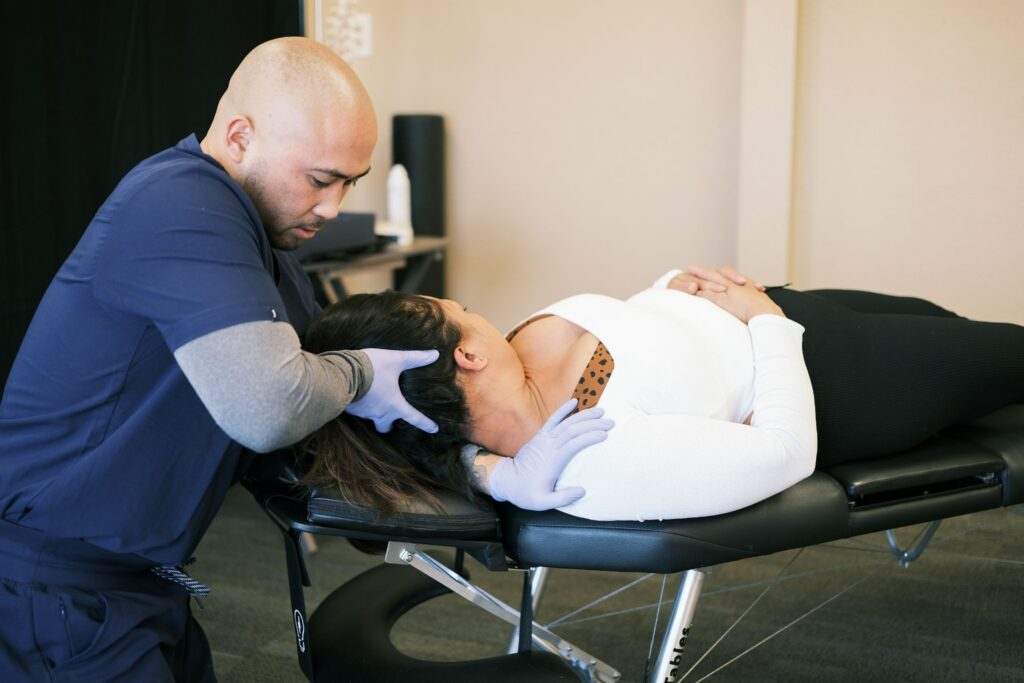

As a local chiropractor, I want to share some insights about how certain adjustments can help alleviate anxiety symptoms. Many people might not immediately think of chiropractic care when it comes to managing anxiety, but it can be a crucial component of your overall well-being. By focusing on your body's alignment, we can enhance the function of your nervous system, which in turn promotes relaxation and helps reduce stress levels.
You might be surprised by how simple lifestyle changes, paired with regular chiropractic adjustments, can lead to significant improvements in your mental health. If you're curious about which specific adjustments can make the biggest difference, I invite you to explore the top ten methods that can transform your approach to managing anxiety. Together, we can work towards a more balanced and peaceful state of mind through natural healing practices.
Practice Mindfulness Techniques
When you're feeling overwhelmed by anxiety, incorporating mindfulness techniques can significantly enhance your well-being. As a chiropractor, I often emphasize the importance of a holistic approach to health, and mindfulness is a powerful tool that allows you to reconnect with your body and mind, helping to alleviate stress and anxiety.
Begin by finding a quiet space where you can sit comfortably. Close your eyes, take a deep breath, and direct your attention to your breathing. Pay close attention to how the air fills your lungs and the sensation of release as you exhale. If your mind begins to race with anxious thoughts, gently guide your focus back to your breath. This practice cultivates a sense of peace and clarity, which is crucial in managing anxiety.
You might also find value in body scans. This involves mentally checking in with different areas of your body, allowing you to notice any tension or discomfort. As you become aware of these sensations, consciously relax those areas. By doing so, you ground yourself in your physical self, making it easier to release anxiety and stress.
Another effective mindfulness technique is mindful observation. Choose an object in your environment—perhaps something in your office or home—and examine it closely. Notice its colors, shapes, and textures. Engaging your senses in this way can help redirect your thoughts, fostering a sense of calm that complements the physical adjustments you receive during chiropractic care.
Lastly, consider incorporating mindfulness into everyday activities such as eating or walking. Focus entirely on the experience, savoring each bite or step. When you integrate mindfulness into your daily routines, you'll not only find it easier to manage anxiety, but you'll also enhance the benefits of chiropractic adjustments, promoting overall balance and well-being.
Prioritize Regular Exercise
As a local chiropractor, I want to emphasize the incredible benefits of regular exercise for your overall well-being.
Engaging in physical activity isn't just about staying fit; it can significantly enhance your mood and emotional health. Exercise naturally elevates your spirits and helps reduce stress hormones that often lead to anxiety.
By making exercise a priority in your life, you're taking a vital step toward achieving a balanced and calm state of mind, which aligns perfectly with the principles of chiropractic care and natural healing.
Boosts Mood Naturally
As a local chiropractor, I want to share with you the incredible benefits of exercise as a natural way to boost your mood and alleviate anxiety symptoms. Engaging in regular physical activity is one of the most effective strategies for enhancing your mental health. When you exercise, your body releases endorphins—often referred to as the "feel-good" hormones—which can significantly elevate your spirits and promote a more positive outlook on life.
You don't need to dive into an intense workout regimen to experience these benefits. Simple activities like a brisk walk or a short jog can make a world of difference in how you feel. As your chiropractor, I encourage you to find enjoyable ways to incorporate movement into your daily routine.
In addition to mood enhancement, exercise can improve your self-esteem and provide a sense of accomplishment. Setting small, achievable fitness goals—like completing a certain number of push-ups or running a specific distance—can empower you and help reinforce a positive mindset.
Furthermore, regular physical activity is linked to better sleep quality, which is essential for maintaining emotional well-being. A good night's rest allows your body to recover and recharge, further supporting your mental health.
As part of your journey toward holistic wellness, I invite you to embrace the power of movement in your life.
Reduces Stress Hormones
As a local chiropractor, I want to share with you the incredible benefits of physical activity, not just for your body but for your mind as well. Engaging in regular exercise plays a crucial role in reducing stress hormones, particularly cortisol, which is often referred to as the stress hormone.
When you incorporate movement into your daily routine, you're not only enhancing your physical health but also activating your body's natural stress-relief mechanisms.
You don't need to be an athlete or spend countless hours at the gym to reap these benefits. Simple, moderate activities such as walking, cycling, or even dancing can significantly lower your stress levels.
I recommend aiming for at least 30 minutes of exercise on most days of the week. This practice not only helps to diminish cortisol levels but also boosts those wonderful feel-good chemicals called endorphins, enhancing your overall sense of well-being.
It's essential to find activities that you genuinely enjoy. When exercise feels enjoyable, you're more likely to maintain a consistent routine, which is vital for both your mental and physical health.
Consider joining a local class or finding a workout partner to make the experience more fun and to help keep you motivated.
Incorporating regular physical activity into your life isn't just about achieving fitness goals; it's a powerful natural strategy for managing anxiety and lowering stress hormones.
As your chiropractor, I encourage you to lace up your sneakers and start moving—your body and mind will thank you!
Improve Your Sleep Hygiene
As your local chiropractor, I want to emphasize the importance of improving your sleep hygiene, especially when it comes to managing anxiety symptoms.
Establishing a consistent sleep routine is vital; it helps signal to your body that it's time to wind down and prepare for rest. Additionally, limiting screen time before bed can significantly enhance the quality of your sleep.
By making these simple yet impactful changes, you can achieve better rest and feel more relaxed, which is crucial for both your physical and mental well-being.
Establish a Sleep Routine
As a local chiropractor, I want to emphasize the importance of establishing a consistent sleep routine for your overall health and well-being. A solid sleep routine can significantly enhance your sleep hygiene and help manage anxiety symptoms, which is crucial for both physical and mental wellness.
First, it's essential to set a regular bedtime and wake-up time, even on weekends. This consistency helps regulate your body's internal clock, making it easier for you to fall asleep and wake up feeling refreshed. Just like how we align the spine to improve bodily functions, aligning your sleep schedule can harmonize your body's natural rhythms.
Next, I recommend creating a calming pre-sleep ritual. Engage in relaxing activities such as reading, meditating, or taking a warm bath. These practices signal to your body that it's time to wind down and prepare for restorative sleep.
On the flip side, try to avoid stimulating activities like intense workouts or stressful discussions right before bedtime, as they can disrupt your ability to relax.
Your sleep environment plays a vital role in the quality of your rest. Aim to keep your bedroom cool, dark, and quiet. Investing in a comfortable mattress and supportive pillows can also make a significant difference.
If you're sensitive to light or sound, consider using blackout curtains or a white noise machine to create a more restful atmosphere.
Additionally, be mindful of your intake of caffeine and heavy meals in the hours leading up to bedtime. Instead, if you're feeling hungry, opt for a light snack.
By prioritizing these habits in your daily routine, you'll not only improve your sleep hygiene but also contribute to reducing anxiety symptoms. This holistic approach can lead to better overall well-being, which is something we strive for in chiropractic care.
Limit Screen Time
As a chiropractor dedicated to your overall well-being, I want to emphasize the importance of a consistent sleep routine alongside the need to limit screen time for enhancing your rest and recovery. The blue light emitted from screens can disrupt your body's natural production of melatonin, the hormone responsible for regulating sleep. If you find yourself using devices close to bedtime, it can significantly hinder your ability to fall asleep and stay asleep, which is crucial for your body's healing processes.
To improve your sleep hygiene, I recommend setting a specific time each evening to put away your devices. Aiming to disconnect at least an hour before bedtime allows your body to transition into a state of relaxation. Use this tech-free hour to engage in soothing activities such as reading a book, meditating, or taking a warm bath. These practices not only promote relaxation but also signal to your body that it's time to wind down and prepare for restorative sleep.
Furthermore, creating a designated space for your devices away from your bedroom can be highly beneficial. This simple change can reduce the temptation to check your phone or scroll through social media when you should be focusing on rest.
Adjust Your Diet
As a local chiropractor, I want to share an important aspect of holistic health that many people overlook: the connection between diet and anxiety levels. The foods you consume have a profound effect on your overall well-being, including your mental health. By making some straightforward dietary changes, you can support a calmer mind and improve your emotional state.
Here are some dietary adjustments you might consider to enhance your mental well-being:
- Incorporate omega-3 fatty acids: These beneficial fats, which you can find in fish such as salmon and plant sources like walnuts, play a crucial role in reducing anxiety and supporting brain health.
- Increase your intake of whole grains: Foods like brown rice and quinoa provide a consistent source of energy, which can help stabilize your mood throughout the day and keep you feeling balanced.
- Add more fruits and vegetables: These powerhouses are packed with vitamins and antioxidants that help combat oxidative stress, a contributor to anxiety. A colorful plate isn't just visually appealing; it's a step toward better mental health.
In addition to these dietary changes, maintaining regular meal times is vital. Skipping meals can lead to drops in blood sugar, resulting in irritability and increased anxiety.
It's also important to stay well-hydrated, as dehydration can negatively affect your cognitive function and elevate anxiety levels.
As you explore natural healing and chiropractic care, remember that a well-rounded approach—including a mindful diet—can significantly enhance your overall health and wellness.
Let's work together toward a balanced lifestyle that promotes both physical and mental well-being!
Limit Caffeine and Alcohol
As a local chiropractor dedicated to promoting overall well-being, I want to share an important aspect of managing anxiety that often goes overlooked: the role of caffeine and alcohol in our lives.
While many may not connect these substances to their mental health, it's crucial to understand how they can impact your body and mind.
Caffeine, commonly found in coffee and certain teas, can lead to increased anxiety levels and disrupt the quality of your sleep. When your body is in a heightened state of anxiety, it can affect your overall health, including how well your spine and nervous system function.
On the other hand, alcohol may seem to provide temporary relief, but it acts as a depressant and can exacerbate feelings of anxiety in the long run.
By reducing your intake of caffeine and alcohol, you can foster a more balanced emotional state, which can enhance the benefits of chiropractic care.
When your body and mind are in harmony, your chiropractic adjustments can be more effective, promoting better alignment and overall health.
Let's work together to create a stable emotional environment for you, one that supports your journey toward natural healing and wellness.
Impact on Sleep Quality
As a local chiropractor dedicated to promoting holistic health and well-being, I want to shed light on how your lifestyle choices, particularly regarding caffeine and alcohol, can significantly impact your sleep quality—an essential component in managing anxiety and overall health.
Let's explore a few important points:
- Caffeine's Stimulant Effects: Consuming caffeine, especially in the hours leading up to bedtime, can prevent your body from transitioning into a restful state. This heightened alertness can hinder your ability to relax, making it difficult to fall asleep.
- Alcohol's Disruption: Although many people believe that alcohol can help them wind down, it often results in disrupted sleep patterns. Instead of providing a restful night, it can lead to fragmented sleep, leaving you feeling fatigued and unrested.
- Long-term Consequences: Chronic poor sleep can't only worsen anxiety symptoms but also hinder your body's natural healing processes. As a chiropractor, I understand the importance of restorative sleep in maintaining spinal health and overall wellness.
A cycle of inadequate sleep and increased anxiety can be challenging to break.
By being mindful of your caffeine and alcohol consumption, you can take significant strides in enhancing your sleep quality, which in turn can aid in managing anxiety and improving your overall health.
Caffeine's Role in Anxiety
As a local chiropractor, I often see patients who are unaware of how common substances like caffeine can impact their overall well-being, particularly when it comes to anxiety. In our busy lives, we may feel that a daily cup of coffee or an energy drink is essential for that extra boost. However, it's important to recognize that excessive caffeine can actually heighten anxiety symptoms, leading to feelings of nervousness and restlessness.
Caffeine stimulates the central nervous system, which can cause an increased heart rate and amplify feelings of anxiety. If you find yourself struggling with anxiety, it might be worthwhile to assess your caffeine consumption. Start by keeping track of how much caffeine you consume each day and observe how it affects your mood. You may be surprised to find that even small quantities can leave you feeling jittery and on edge.
To promote a sense of calm and balance, consider limiting your caffeine intake to no more than 200mg per day—about the amount found in two 8-ounce cups of brewed coffee. Gradually reducing your intake can lead to a noticeable decrease in anxiety levels and help you regain a sense of control. Instead of caffeinated beverages, you might want to explore herbal teas or decaffeinated options, which can offer comfort without the potential anxiety-inducing effects of caffeine.
As your chiropractor, I want to emphasize that your body is sensitive to stimulants. Making mindful adjustments to your caffeine consumption can significantly enhance your overall health and well-being.
Alcohol's Depressant Effects
How often do you reflect on the effects of alcohol on your anxiety levels? As a chiropractor, I often see patients who may not realize how this depressant can worsen anxiety symptoms. While having a drink might seem like a way to relax, it frequently creates a cycle of short-term relief that's followed by increased anxiety.
- Alcohol can disrupt your sleep patterns, leading to greater fatigue and anxiety, which can negatively impact your spinal health and overall well-being.
- It can alter your brain chemistry, heightening feelings of depression and worry, which in turn may contribute to physical tension and misalignments in your body.
- Regular alcohol consumption can lead to dependency, making it even more challenging to manage anxiety and its physical manifestations.
If you're dealing with anxiety, it's crucial to be aware of your alcohol consumption. Even moderate drinking can trigger or worsen anxiety symptoms. You might discover that cutting back or eliminating alcohol from your life can significantly enhance your mental health and overall wellness.
Instead, consider healthier coping strategies like regular exercise, which can improve your spinal alignment, or mindfulness practices that promote relaxation and mental clarity.
Your body and mind will greatly benefit from these changes. Remember, you're not alone on this journey. By making conscious decisions about what you consume, you're taking a significant step toward reducing your anxiety.
Prioritize your mental and physical well-being, and you may find greater clarity and peace in your daily life. As your chiropractor, I'm here to support you in achieving a healthier, more balanced lifestyle.
Establish a Routine
Creating a consistent daily routine can play a significant role in reducing anxiety symptoms, and as your local chiropractor, I want to emphasize how this can also positively impact your overall well-being. Establishing a routine provides a sense of predictability in your life, which can alleviate feelings of uncertainty and stress—common contributors to anxiety.
Start by outlining a daily schedule that includes specific times for waking up, meals, work, relaxation, and sleep. This structure can be beneficial not just for your mental health but also for your physical health, promoting better sleep patterns and encouraging regular movement, both of which are vital for maintaining a healthy spine and nervous system.
Incorporate activities that you genuinely enjoy and that promote your well-being. For instance, set aside time for exercise, which can include gentle stretching or yoga—both of which I can assist you with in our practice. These enjoyable activities not only serve as distractions from anxious thoughts but also foster a sense of accomplishment and joy, which are essential for emotional balance.
It's important to be realistic about your routine. Striking a balance between structure and flexibility is crucial. Life can be unpredictable, and when unexpected events arise, it's okay to adjust your schedule without feeling guilty. Consistency is key, but so is self-compassion—something I encourage all my patients to practice.
Additionally, consider incorporating mindfulness practices or relaxation techniques into your routine. These can serve as anchors during the day, helping you center yourself when anxiety creeps in. Techniques such as deep breathing, meditation, or even gentle chiropractic adjustments can promote relaxation and reduce tension.
Finally, keep track of your routine and how it makes you feel. Journaling your experiences can offer valuable insights into what works best for you. Over time, you may notice that having a structured day not only calms your mind but also contributes to improved physical health, mood, and productivity.
Embrace the power of routine, and watch as it helps transform anxiety into a more manageable part of your life, enhancing your overall health and vitality in the process.
Connect With Nature
Connecting with nature is an effective way to complement your chiropractic care and promote overall well-being. As a chiropractor, I often see how stress and anxiety can manifest physically in our bodies, leading to tension and discomfort. When you take the time to step outside and immerse yourself in the natural world, it can provide a refreshing break and help alleviate some of that stress.
Here are a few ways to engage with nature that can support your journey towards better health:
- Take a Walk: A leisurely walk in a nearby park or along a scenic trail can significantly boost your mood and help reduce anxiety. The fresh air and beautiful surroundings work in harmony with your body, allowing you to breathe deeply and feel more centered.
- Garden: Gardening isn't just a hobby; it's a therapeutic activity that connects you to the earth. Whether you're planting flowers or herbs on your balcony, tending to plants can ground you and instill a sense of accomplishment. This mindfulness practice can also enhance the benefits of your chiropractic treatments by promoting relaxation.
- Sit Quietly: Finding a tranquil spot outdoors to sit and listen to the sounds of nature can be incredibly restorative. Close your eyes, take deep breaths, and focus on the present moment. This practice can help quiet racing thoughts and create a sense of peace that complements the adjustments you receive in the office.
By integrating these natural experiences into your routine, you can enhance your physical and emotional health, making it easier for your chiropractic care to take effect.
Use Breathing Exercises
As a local chiropractor, I want to share with you the importance of breathing exercises as a natural tool for managing anxiety and enhancing your overall well-being. Focusing on your breath is a simple yet effective way to reconnect with the present moment, which can help break the cycle of anxious thoughts. The beauty of these exercises is that they require no special equipment or extensive time—just a quiet space and a few minutes of your day.
One technique I often recommend is the 4-7-8 method. To practice this, inhale deeply through your nose for a count of four, hold your breath for seven seconds, and then exhale slowly through your mouth for a count of eight. This breathing pattern can slow your heart rate and promote relaxation, which is beneficial for your nervous system. Aim to repeat this cycle four to eight times for optimal results.
Another effective method is diaphragmatic breathing, which emphasizes breathing deeply into your belly rather than your chest. You can try this by placing one hand on your chest and the other on your abdomen. As you inhale, focus on making your belly rise while keeping your chest relatively still. This technique encourages deeper breaths and can help alleviate tension, supporting your overall health.
Incorporating mindfulness into your breathing exercises can also be incredibly beneficial. As you breathe in and out, take a moment to notice how your body feels, the sensations in your lungs, and the rhythm of your breath. This heightened awareness can help ground you and significantly reduce feelings of anxiety.
Foster Social Connections
Fostering social connections can play a significant role in reducing anxiety and enhancing your emotional well-being, which is crucial for overall health. As a chiropractor, I often see how stress and anxiety impact not just the mind, but also the body.
When you build strong relationships with supportive friends and family, it creates a safety net that helps you navigate life's challenges more effectively. These meaningful interactions offer comfort, validation, and a sense of belonging, which can lead to lower anxiety levels and better physical health.
Here are some effective ways to strengthen your social connections that can complement your journey towards wellness:
- Reach out to friends: A simple text or call to reconnect can uplift your mood and provide emotional support, which is essential for healing.
- Join a group: Engaging in activities such as a book club, sports team, or hobby group allows you to meet others with similar interests, fostering new friendships and enhancing your social life.
- Volunteer: Helping others can be a powerful way to boost your mood and connect with like-minded individuals, ultimately expanding your social circle.
By prioritizing these connections, you create a network that supports you through tough times. It's important to remember that you don't have to face your anxiety alone.
Sharing your feelings with trusted friends can provide relief and a fresh perspective, lightening your emotional load. Don't hesitate to open up about your struggles; you might be surprised to discover that others share similar experiences.
Strengthening your social ties not only helps ease anxiety but also enriches your life in countless ways. As you nurture these relationships, you may find that your emotional resilience grows, contributing positively to your overall health and well-being.
Seek Professional Support
Seeking professional support from a chiropractor can be an essential step in managing anxiety and improving your overall well-being. When you're facing overwhelming feelings, a skilled chiropractor can offer guidance and natural healing techniques to help you navigate your emotions and physical tension. By addressing misalignments in the spine and enhancing your body's natural function, chiropractic care can play a significant role in reducing stress and anxiety.
Chiropractors often utilize holistic approaches that focus on the mind-body connection. By helping to restore balance and alignment, we can empower you to manage your anxiety more effectively. Regular adjustments may alleviate physical tension that often accompanies anxiety, allowing you to feel more grounded and centered.
Additionally, chiropractors can provide lifestyle advice, including posture correction and relaxation techniques, to support your mental health in everyday life.
Don't hesitate to reach out to a chiropractor for support. It's common to feel uncertain about exploring alternative therapies, but remember, many individuals experience significant benefits from chiropractic care. Taking that first step can lead to improvements in both your physical and mental well-being.
If chiropractic care alone isn't sufficient for your needs, consider discussing your situation with a healthcare provider who can explore additional options, such as counseling or medication. Sometimes, a multi-faceted approach can provide the relief you need to engage more fully in your healing journey.
Ultimately, seeking support from a chiropractor isn't a sign of weakness; it's a proactive measure toward achieving a healthier, more balanced life. Invest in your mental and physical health, and you'll likely find that you can manage anxiety more effectively and regain control over your life.
Conclusion
As your local chiropractor, I want to share how incorporating chiropractic adjustments into your routine can significantly help alleviate anxiety symptoms. Many people may not realize that chiropractic care goes beyond just addressing physical pain—it can also play a vital role in enhancing your mental well-being.
When you prioritize mindfulness, engage in regular exercise, and adopt healthy habits, you are not only improving your physical health but also taking important steps toward managing anxiety. Chiropractic adjustments help to align the spine and nervous system, which can reduce stress levels and promote a greater sense of calm.
It's essential to create a holistic lifestyle that nurtures both your body and mind. Engaging in proactive measures, such as connecting with supportive friends or family, and seeking professional guidance when necessary, can make a significant difference in your mental health journey.
Remember, you have the tools to manage your anxiety effectively. By incorporating chiropractic care into your life, you can reclaim your peace of mind and enhance your overall well-being. Let's work together towards a healthier, more balanced life!