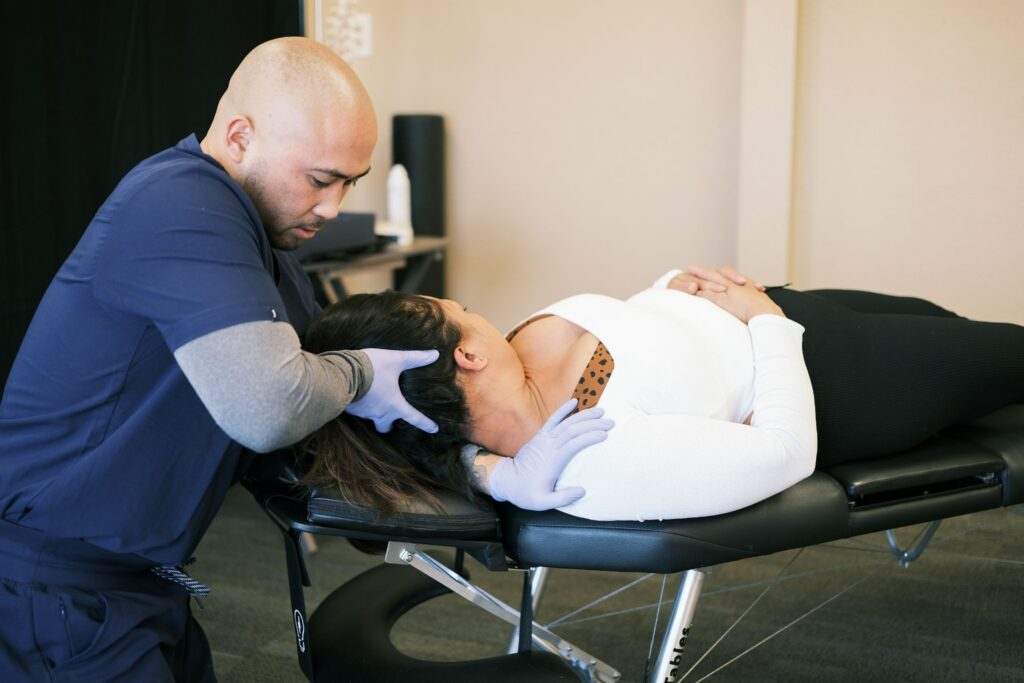

As a local chiropractor, I want to reassure you that if you’re grappling with lower back pain, you’re not alone. This is a common challenge many face, and I understand how frustrating it can be to seek relief. The great news is that there are natural and effective strategies that can support your recovery.
In my practice, I’ve seen how important it is to adjust your posture, which plays a significant role in your spinal health. Additionally, incorporating specific exercises tailored to your needs can greatly enhance your comfort and mobility.
Chiropractic care focuses on the alignment of your spine and the overall function of your body, allowing you to take control of your back health. By exploring these tips and working together, we can pave the way to a healthier, pain-free life. Remember, you don’t have to navigate this journey alone—I’m here to guide you toward feeling better soon.
Understand the Causes of Lower Back Pain
As a local chiropractor, I want to help you understand the causes of lower back pain, which is crucial for your recovery journey. Many individuals experience discomfort stemming from a variety of factors, such as muscle strain, poor posture, or previous injuries.
For instance, if you find yourself sitting for extended periods, it can result in tight muscles, while improper lifting techniques can lead to sudden, acute pain. Additionally, stress can manifest physically, often resulting in tension in your lower back.
It’s also important to consider underlying conditions like herniated discs or arthritis that may contribute to your discomfort. If you’re active in sports or other physical activities, overexertion can cause inflammation and muscle fatigue, further complicating your situation.
By identifying these root causes, we can work together to create a tailored plan for relief. Listening to your body is essential; its signals provide valuable insight into what might be causing your pain.
Incorporate Regular Stretching Into Your Routine
As a local chiropractor, I want to emphasize the importance of incorporating regular stretching into your daily routine, especially if you’re experiencing lower back pain. Stretching can be a powerful tool to alleviate discomfort and enhance your overall flexibility. It promotes better blood flow to your muscles, helps relieve tension, and encourages relaxation.
I recommend starting with gentle stretches, such as the cat-cow pose or child’s pose. These poses can increase your mobility without putting extra strain on your back. Aim to dedicate at least 10-15 minutes each day to stretching. Listen to your body; it’s crucial that you never push yourself to the point of pain.
Focus on areas that often feel tight, like your hamstrings and hip flexors, as these muscles play a significant role in your lower back health. Additionally, consider integrating short stretching breaks throughout your day, especially if you find yourself sitting for extended periods.
Simple movements, such as reaching for the sky or bending down to touch your toes, can keep your muscles flexible and reduce stiffness. By making stretching a consistent part of your routine, you not only work towards reducing discomfort but also enhance your overall well-being.
Strengthen Your Core Muscles
As your local chiropractor, I want to emphasize the importance of strengthening your core muscles for overall spine health and pain relief. After you’ve taken the time to warm up with some gentle stretches, it’s beneficial to focus on exercises that fortify your core. A robust core not only supports your spine but can also alleviate lower back pain, a common issue many of my patients face.
I recommend starting with foundational exercises like planks, bridges, and pelvic tilts. These movements effectively engage your abdominal and back muscles, enhancing stability and strength in your core.
As you become more comfortable, consider incorporating variations such as side planks or bird-dogs. These variations can further challenge your core, promoting greater strength and resilience.
Ideally, aim for at least three sessions each week. Start with shorter durations and gradually increase as your strength improves.
Always listen to your body. If you experience any pain, it’s important to stop and reassess your form or modify the exercise. Remember, consistency is essential; even dedicating a few minutes each day can lead to significant improvements in your core strength.
Strengthening your core isn’t just about recovery; it’s also a proactive measure to prevent future injuries. By investing in your core health, you can enjoy a more active and pain-free lifestyle.
If you have questions about your exercises or how to integrate them into your routine, don’t hesitate to reach out during your next visit.
Maintain Proper Posture Throughout the Day
As a local chiropractor, I want to emphasize the importance of maintaining proper posture throughout your day, particularly if you want to alleviate and prevent lower back pain. It’s crucial to be aware of how you position your body when sitting, standing, or walking. Always aim to keep your spine in a neutral alignment and your shoulders relaxed and back.
For those of you who spend long hours at a desk, I recommend investing in an ergonomic chair that supports your lower back. It’s also important to adjust your computer screen to eye level. This simple change can make a significant difference in preventing slouching and promoting a healthier posture.
When you’re standing, try to distribute your weight evenly between both feet, and avoid locking your knees. If you need to lift anything, remember to bend at the knees instead of the waist, keeping the object close to your body to reduce strain on your back.
Even during everyday activities, such as cooking or cleaning, be mindful of your posture. Engaging your core muscles can provide additional support and stability.
Use Heat and Cold Therapy
As a local chiropractor, I want to share some valuable insights about managing lower back pain through natural methods like heat and cold therapy. Many of my patients find that these therapies can significantly alleviate discomfort.
Heat therapy is excellent for relaxing tight muscles and enhancing blood circulation, which can promote healing in the affected area. On the other hand, cold therapy is effective in reducing inflammation and numbing sharp pain, providing immediate relief.
I often encourage my patients to alternate between heat and cold therapy. This combination can optimize your recovery and help you feel more comfortable as you heal.
If you’re new to these techniques, I recommend starting with about 15-20 minutes of heat or cold application, and always listen to your body.
Remember, chiropractic care isn’t just about adjustments; it’s about empowering you with knowledge and tools to support your overall wellness.
If you’re struggling with lower back pain, consider incorporating these therapies into your routine for better results.
Benefits of Heat Therapy
As your local chiropractor, I want to share with you the benefits of heat therapy for managing lower back pain. Many of my patients find that incorporating heat into their routine can provide significant relief and promote healing.
When you apply heat to your lower back, it helps relax tight muscles and increases blood flow, which can alleviate discomfort and stiffness.
There are various methods to apply heat, such as using a heating pad, a warm towel, or a hot water bottle—choose whatever feels most comfortable for you.
I often recommend using heat therapy before engaging in physical activities. This can prepare your muscles, making them more pliable and reducing the risk of further injury. On the flip side, applying heat after physical activity can help soothe soreness and aid in recovery.
It’s important to keep each heat therapy session to about 15-20 minutes to avoid any skin irritation.
Advantages of Cold Therapy
As a local chiropractor, I want to share with you the benefits of cold therapy for managing lower back pain, particularly after physical activity or an injury. Many of my patients have found that applying cold to the affected area can provide immediate relief and support their recovery journey.
Here are some key advantages of cold therapy that you should know:
- It effectively reduces inflammation and swelling in the affected area.
- Cold therapy numbs sharp pain and discomfort, giving you a break from persistent aches.
- It helps decrease muscle spasms, which can be a significant contributor to back pain.
- By slowing nerve conduction, cold therapy eases the pain signals your body sends to your brain.
- After you remove the cold, it promotes faster healing by improving circulation to the area.
Incorporating cold therapy into your routine can make a significant difference in your recovery process. I recommend applying cold for short intervals, typically 15-20 minutes, and always wrapping ice packs in a cloth to protect your skin.
Stay Active With Low-Impact Exercises
As a local chiropractor, I want to emphasize the importance of staying active, even if you’re dealing with lower back pain. It may be tempting to remain inactive, but engaging in low-impact exercises is crucial for your recovery process. Activities such as walking, swimming, or cycling are excellent options that can enhance your flexibility and strengthen your core without placing additional strain on your back.
These exercises also promote blood circulation, which is essential for healing. It’s important to start slowly and pay attention to how your body responds. Avoid any movements that trigger discomfort. Aiming for at least 30 minutes of low-impact activity on most days of the week can make a significant difference.
If you’re unsure where to start, consider incorporating gentle stretches or yoga routines specifically designed for back pain relief. Staying active not only benefits your physical health but also has a positive impact on your mood. Engaging in movement is a natural way to alleviate the frustration and emotional challenges that often come with chronic pain.
Consider Physical Therapy
If you’re experiencing lower back pain, consider exploring chiropractic care as a natural and effective approach to your recovery.
A skilled chiropractor can assess your unique condition and create a personalized treatment plan tailored to your needs. Through gentle adjustments and specific exercises, you can regain strength, improve flexibility, and promote overall healing.
It’s crucial to choose a knowledgeable chiropractor who understands your goals to maximize the benefits of your treatment sessions.
Embrace the opportunity to heal naturally and get back to doing what you love!
Benefits of Physical Therapy
As a local chiropractor, I understand that dealing with lower back pain can feel daunting. However, I want to introduce you to the benefits of chiropractic care and how it can pave the way for your recovery.
Chiropractic treatment not only aims to relieve your pain but also equips you with the knowledge and skills for lasting health. Here are some of the essential benefits you can expect:
- Enhanced flexibility: Chiropractic adjustments can improve your range of motion, making it easier for you to perform everyday tasks.
- Strengthening techniques: We focus on exercises that build core strength to support your spine, helping to prevent future injuries.
- Natural pain management: Learn holistic approaches to manage and reduce your pain effectively without relying on medication.
- Customized care: You’ll receive personalized treatment plans that cater to your individual needs, ensuring optimal recovery.
- Educational insights: We provide valuable information on body mechanics and posture to help you avoid further issues and maintain your well-being.
With the right chiropractic approach, you can make significant strides in your recovery journey and embrace a healthier, pain-free lifestyle.
Choosing the Right Therapist
Finding the right chiropractor is an essential step in your journey towards healing, particularly if you’re dealing with issues like lower back pain.
Begin by exploring qualified chiropractic professionals in your community. Look for licensed chiropractors who specialize in spinal health and pain management. Check online reviews and seek recommendations from friends or other healthcare providers to ensure you’re making an informed choice.
Once you’ve narrowed down your options, consider scheduling initial consultations. This is a great opportunity to assess their approach to care and communication style. It’s vital that you feel comfortable and understood, as a strong therapeutic relationship can significantly enhance your recovery process.
During your consultation, don’t hesitate to inquire about their treatment methods, experience, and how they customize care plans to meet individual needs.
Remember, this is about your health and well-being, so asking questions is encouraged. Trust your instincts when choosing a chiropractor; look for someone who inspires confidence and motivation in your healing journey.
Embracing chiropractic care can lead you towards a more natural and holistic path to wellness.
Exercises for Back Pain
As a local chiropractor passionate about helping you understand the benefits of natural healing, I want to emphasize how incorporating targeted exercises into your recovery plan can significantly alleviate lower back pain and improve your mobility.
Physical therapy is an excellent resource that can guide you through specific movements designed to strengthen your back and core muscles. Here are some effective exercises you can incorporate:
- Pelvic tilts: This exercise involves gently flattening your lower back against the floor while tightening your abdominal muscles. It helps in stabilizing your spine.
- Cat-cow stretch: By alternating between arching and rounding your back, this stretch promotes flexibility and releases tension in the spine.
- Bird-dog: In this exercise, you’ll extend one arm and the opposite leg while maintaining your balance, which enhances coordination and strengthens your core.
- Knee-to-chest stretch: Pulling one knee towards your chest can relieve tension in your lower back and improve your overall comfort.
- Bridges: Lying on your back, you can lift your hips to strengthen your glutes and lower back, which plays a vital role in supporting your spine.
Remember, it’s essential to consult with your chiropractor or therapist before starting any new exercise program.
They can provide personalized guidance to ensure you’re doing the right movements for your specific needs. Embracing these exercises can be a natural and effective way to support your recovery journey.
Evaluate Your Sleep Environment
As a local chiropractor dedicated to helping you achieve optimal health, I want to emphasize the importance of your sleep environment, especially if you’re dealing with lower back pain. A good night’s sleep is crucial for recovery, and it all starts with your mattress. Look for one that provides the right balance of support without being overly firm. If your mattress has seen better days or shows signs of sagging, it might be time for an upgrade.
Equally important is your pillow; it should support your neck adequately while keeping your spine in proper alignment. This helps reduce strain on your back and can significantly alleviate discomfort.
Now, let’s talk about your bedding. Opt for breathable fabrics that help regulate your body temperature throughout the night. Aim to keep your bedroom cool, ideally between 60-67°F, as this creates an optimal environment for restful sleep.
Don’t overlook the impact of noise and light on your sleep quality. Consider investing in blackout curtains to block out light and, if noise is an issue, white noise machines can be incredibly helpful.
Manage Stress and Practice Relaxation Techniques
As a local chiropractor, I want to emphasize the importance of managing stress, especially when you’re coping with lower back pain. High levels of stress can’t only intensify your discomfort but also impede the healing process.
By integrating relaxation techniques into your daily routine, you can effectively alleviate tension and foster a greater sense of well-being. Here are some strategies I recommend for my patients:
- Deep Breathing: Dedicate a few minutes each day to focus on your breath. Inhale deeply through your nose, allowing your abdomen to rise, then exhale slowly through your mouth. This practice can help calm your mind and reduce muscle tension.
- Meditation: Find a quiet space where you can sit comfortably and let your thoughts settle. Meditation encourages mindfulness, which can be incredibly beneficial for both your mental state and physical health.
- Gentle Yoga: Incorporating gentle stretches into your routine can help relax your muscles and enhance flexibility. This is particularly useful for those dealing with back pain, as it encourages movement without strain.
- Progressive Muscle Relaxation: This technique involves tensing and then relaxing different muscle groups in your body. It’s an effective way to release accumulated tension and can lead to a more relaxed state overall.
- Nature Walks: Spending time in nature not only refreshes your mind but also provides a gentle way to stay active. The sights and sounds of the outdoors can have a soothing effect, helping to reduce stress levels.
By incorporating these practices into your life, you can support your recovery and overall health.
Consult a Healthcare Professional for Guidance
When you’re experiencing lower back pain, it’s important to seek guidance from a healthcare professional, particularly a chiropractor.
As specialists in spinal health and natural healing, we can assess your condition thoroughly and develop a personalized treatment plan tailored just for you.
Our approach focuses on addressing the root causes of your pain and promoting overall wellness.
By exploring chiropractic care, you can discover various supportive options that may enhance your recovery journey.
Assess Your Condition
As a local chiropractor, I want to emphasize the importance of assessing your condition when it comes to managing lower back pain.
Understanding your specific situation is crucial, and I encourage you to speak openly with me about your experiences.
Here are key points we should cover during your assessment:
- Pain duration: Let’s talk about how long you’ve been feeling this discomfort. Knowing the timeline can help us identify potential underlying issues.
- Symptoms: Are you experiencing any additional sensations, such as tingling or weakness in your legs? These details can provide valuable clues about your condition.
- Activity impact: It’s important to discuss how your pain is affecting your daily activities. Are there tasks you find difficult or movements that trigger your pain?
- Medical history: Have you’d any past injuries or conditions related to your back? Your medical history can play a significant role in our approach to treatment.
- Lifestyle factors: Let’s explore any habits or routines that might be contributing to your discomfort. This includes your posture, physical activity levels, and overall wellness practices.
Tailored Treatment Plans
As a local chiropractor, I want to emphasize the importance of creating a tailored treatment plan for effectively managing your lower back pain. Each person’s experience with pain is distinct, and what may be beneficial for one individual mightn’t be suitable for another.
That’s why it’s crucial to consult with a healthcare professional, like myself, who specializes in chiropractic care.
During your visit, I’ll assess your condition thoroughly and recommend specific treatments tailored to your unique needs. This may include spinal adjustments, physical therapy, or lifestyle modifications aimed at enhancing your overall well-being.
By collaborating closely, we can set clear goals and monitor your progress together.
I encourage you to ask questions and share any concerns you may have—open communication is vital to your healing journey.
Remember, a personalized approach not only addresses your pain directly but also empowers you to take charge of your health.
If you’re ready to explore a natural, holistic path to recovery, I invite you to seek my guidance today. Let’s work together to help you regain control over your life!
Ongoing Support Options
As you embark on your journey to recover from lower back pain, it’s important to understand that ongoing support plays a vital role in maintaining your progress and preventing future issues.
As a local chiropractor, I want to guide you through some effective options that can enhance your recovery and improve your overall back health:
- Regular chiropractic adjustments: Consistent visits to a chiropractor can help realign your spine and relieve tension, which is crucial for your healing process.
- Personalized exercise plans: We can work together to create a tailored exercise regimen that strengthens your back and promotes flexibility, ensuring that you’re not only recovering but also building resilience against future pain.
- Education on body mechanics: Understanding how to properly lift, sit, and move can significantly reduce strain on your back. I can provide you with practical tips and techniques to incorporate into your daily life.
- Nutritional guidance: A healthy diet can play a role in your recovery. I can offer insights into nutrition that supports muscle and joint health.
- Community support: Consider joining local wellness workshops or support groups where you can connect with others who are on similar paths. Sharing experiences can be incredibly beneficial.
Remember, seeking help is a sign of strength. Your recovery journey is supported best when you have access to a knowledgeable network, and I’m here to assist you every step of the way.
Let’s work together to get you back to feeling your best!
Conclusion
As a local chiropractor, I want to share some essential tips that can significantly aid in your recovery from lower back pain. Understanding the root causes of your discomfort is the first step toward healing. Staying active is crucial—incorporating gentle stretching and core strengthening exercises can provide the support your spine needs.
Pay attention to your posture throughout the day, as good alignment plays a key role in maintaining spinal health. It’s also important to manage stress levels, as stress can exacerbate pain. If you’re ever in doubt or need guidance, don’t hesitate to seek professional advice; we’re here to help you on this journey.
With dedication and consistency in applying these practices, you can improve your spinal health and move towards a life with less pain. Begin today, and take charge of your recovery with natural healing methods that chiropractic care offers!