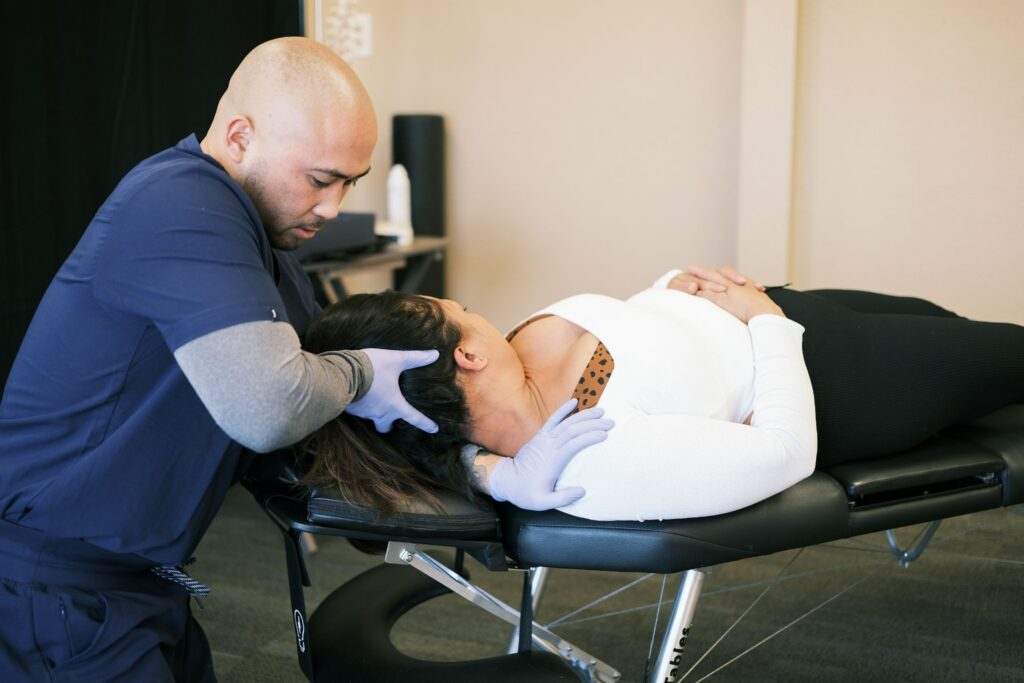

Tension headaches can really throw a wrench in your day, but finding relief is more achievable than you might think. As a local chiropractor, I believe in the power of natural healing and chiropractic care to help you ease discomfort and regain your focus. There are several effective strategies you can incorporate into your daily routine that not only relieve tension headaches but also promote overall wellness.
First and foremost, consider regular chiropractic adjustments. These gentle manipulations can help align your spine, reduce muscle tension, and improve blood flow, all of which are crucial for preventing and alleviating headaches.
In addition to chiropractic care, practicing relaxation techniques such as deep breathing, meditation, or yoga can significantly reduce stress and tension in your body. Taking a few moments each day to engage in these practices can help you manage headache triggers effectively.
Another simple yet powerful tip is to stay hydrated. Dehydration can often lead to headaches, so make sure you’re drinking enough water throughout the day.
Pay attention to your posture, especially if you spend long hours at a desk or looking at screens. Poor posture can contribute to tension buildup in your neck and shoulders. Be mindful of how you sit and stand, and consider incorporating stretches to alleviate tightness.
Lastly, don’t underestimate the power of a good night’s sleep. Establishing a consistent sleep schedule can greatly improve your overall health and help prevent tension headaches.
By integrating these strategies into your routine and prioritizing chiropractic care, you can tackle tension headaches and enhance your overall well-being. Remember, the path to optimal health is a journey, and I’m here to support you every step of the way.
Key Takeaways
- Incorporate deep breathing techniques into your daily routine. This practice not only activates relaxation but also helps release muscle tension, which is essential for alleviating tension headaches. By focusing on your breath, you can create a calming environment that supports your overall well-being.
- Consider using a cold compress on your forehead or neck for 15–20 minutes. This simple method can help numb pain and reduce swelling, providing relief during a headache. However, remember that regular chiropractic adjustments can also aid in keeping tension at bay and improving your overall spinal health.
- Pay attention to your posture while sitting or standing. Maintaining good posture is crucial to minimizing strain on your neck and shoulders, which can significantly reduce the frequency of headaches. A chiropractor can offer personalized advice on how to improve your posture and keep your spine aligned for optimal health.
- Hydration is key! Aim to drink at least eight 8-ounce glasses of water daily to prevent dehydration-related tension headaches. Staying hydrated not only supports your body but also enhances the effectiveness of chiropractic care in maintaining your overall wellness.
- Try progressive muscle relaxation, which involves tensing and then releasing different muscle groups. This technique can help alleviate the stress and tension that contribute to headaches. Coupling this with regular chiropractic care can provide a holistic approach to managing your tension and promoting relaxation in your body.
Focusing on these natural methods can greatly enhance your health and well-being. Remember, chiropractic care is a powerful ally in achieving optimal health and addressing the root causes of tension headaches.
Practice Relaxation Techniques
Practicing relaxation techniques can be a transformative approach to alleviating tension headaches, and chiropractic care can play a vital role in this process.
When you start to feel tightness in your head or neck, taking a moment to focus on your breath can significantly ease your discomfort. Deep breathing exercises are a great way to activate your body’s relaxation response. Simply inhale through your nose for a count of four, hold that breath for another four counts, and then exhale slowly through your mouth for six seconds. This simple yet powerful practice not only calms your mind but also helps to release muscle tension, which can be beneficial for spinal health.
Progressive muscle relaxation is another effective technique to consider. Begin at your toes, tensing each muscle group for a few seconds before releasing. As you move upward through your body, from your calves to your shoulders and neck, you’ll notice how each area relaxes, which can contribute to a healthier spine and better overall well-being.
Additionally, engaging in guided imagery can be a wonderful way to reduce stress and promote relaxation. Picture yourself in a serene setting—perhaps a quiet beach or a tranquil forest. Accompany this visualization with soothing music or the sounds of nature. This mental escape can help lower tension levels, making it easier for your body to maintain its natural alignment and health.
Maintain Good Posture
Good posture is essential for maintaining overall health and wellness, especially when it comes to preventing tension headaches. After practicing relaxation techniques, it’s vital to keep your body aligned correctly. Proper posture minimizes strain on your neck and shoulders, which are common sources of headaches. As a chiropractor, I encourage you to be mindful of your posture throughout the day to promote optimal health.
Here’s a simple reference guide to help you remember the key aspects of good posture:
| Position | Tips |
|---|---|
| Sitting | Make sure your feet are flat on the ground, your back is straight, and your shoulders are relaxed. This helps maintain the natural curves of your spine. |
| Standing | Distribute your weight evenly on both feet and avoid locking your knees. This balanced stance supports your spine and reduces tension. |
| Working | Elevate your workstation to eye level to prevent neck strain, and choose a chair that supports your back for comfort during long periods of sitting. |
| Relaxing | When lying down, use a supportive pillow to keep your neck aligned with your spine. This promotes relaxation and helps prevent headaches. |
Incorporating these posture tips into your daily routine can lead to significant improvements in your overall well-being. If you’re experiencing pain or discomfort, chiropractic care is a natural and effective way to address these issues and support your journey to optimal health. Remember, your body is designed to function best when it is properly aligned!
Stay Hydrated
Staying hydrated is an essential aspect of maintaining overall wellness and can significantly help in preventing tension headaches. When your body is dehydrated, it can lead to increased tension and discomfort, impacting your spinal health. As a chiropractor, I want to emphasize how hydration plays a vital role in your body’s ability to function optimally. Here are some simple tips to help you stay hydrated and support your overall health:
- Drink water regularly: Aim to consume at least eight 8-ounce glasses of water daily. This helps keep your body, including your spine, well-hydrated.
- Carry a water bottle: Keeping a water bottle with you makes it easy to remember to drink throughout the day. This small habit can make a big difference in your hydration levels.
- Monitor your intake: Consider using a hydration app to track how much water you’re drinking. Staying aware of your intake can encourage you to drink more.
- Eat water-rich foods: Incorporate fruits and vegetables like cucumbers, oranges, and watermelon into your meals. These not only hydrate you but also provide essential nutrients that support your spinal health.
Remember, proper hydration is just one piece of the puzzle when it comes to achieving optimal health. Regular chiropractic care can also play a crucial role in relieving tension and improving your overall well-being.
Apply Cold or Heat Therapy
When you’re dealing with tension headaches, incorporating cold or heat therapy can be a game-changer in your journey toward natural wellness. A cold compress can effectively numb the pain and reduce inflammation, while heat therapy is fantastic for relaxing those tight, tense muscles. Here’s how to use both therapies effectively, along with a reminder of how chiropractic care can help you manage and prevent headaches.
Cold Therapy: Applying a cold compress to your forehead or the back of your neck can provide immediate relief. It helps constrict blood vessels, which can reduce swelling and pain. Simply wrap ice or a cold pack in a cloth—never apply it directly to the skin to avoid frostbite—and place it on the affected area for about 15-20 minutes. This can be especially helpful if your headache is linked to inflammation.
Heat Therapy: On the other hand, heat therapy can be a soothing option if your headache is caused by muscle tension. A warm towel or a heating pad can be placed on your neck and shoulders to ease tightness and promote blood flow. Just like with cold therapy, limit the application time to 15-20 minutes to avoid overheating the skin.
While these therapies can provide temporary relief, it’s important to consider the underlying causes of your tension headaches. This is where chiropractic care shines. A chiropractor can assess your spinal alignment and muscle tension, addressing the root of the problem rather than just the symptoms. Regular adjustments can help keep your spine in alignment, reduce muscle tension, and ultimately minimize the frequency and intensity of headaches.
In addition to cold and heat therapy, here are some general tips to help you manage tension headaches:
- Stay Hydrated: Dehydration can contribute to headaches, so ensure you’re drinking enough water throughout the day.
- Practice Good Posture: Being mindful of your posture, especially if you sit for long periods, can prevent muscle tension that leads to headaches.
- Manage Stress: Techniques such as deep breathing, meditation, and gentle stretching can help alleviate stress and tension in your body.
- Sleep Well: Ensure you’re getting quality sleep, as lack of rest can trigger headaches.
- Regular Chiropractic Care: Incorporating chiropractic visits into your wellness routine can help maintain a healthy spine and reduce headache occurrences.
Cold Compress Benefits
As a chiropractor, I understand the discomfort that tension headaches can bring, and I’m here to share how a simple cold compress can be an effective, natural way to alleviate that pain while supporting your overall health.
Using a cold compress provides several benefits that can help ease your tension headache:
- Numbs the Pain: Cold temperatures can effectively dull headache pain, giving you quick relief without the need for medications.
- Reduces Swelling: By constricting blood vessels, a cold compress helps minimize inflammation in the headache area, allowing your body to heal naturally.
- Calms Nerves: The cold sensation can soothe overactive nerve endings, which are often at the root of headache discomfort.
- Improves Circulation: After removing the cold compress, you’ll notice an increase in blood flow to the area. This boost in circulation helps promote healing and relaxation, which is beneficial for your overall well-being.
For optimal relief, I recommend applying the cold compress for 15-20 minutes at a time.
Remember to give your body a little time to recover between applications. This simple practice not only helps with headache relief but also encourages a natural healing process.
While cold compresses can be effective, it’s essential to remember that ongoing chiropractic care can address the underlying issues that lead to headaches.
Regular adjustments can help align your spine, reduce tension in the muscles, and promote overall wellness. If you’re struggling with frequent headaches, consider scheduling an appointment to discuss a tailored treatment plan that focuses on your unique health needs.
Together, we can work towards achieving better health and a pain-free life!
Heat Application Techniques
While cold compresses can provide immediate relief for tension headaches, I want to emphasize the benefits of heat therapy as a powerful tool in your wellness journey. Applying heat can help relax tense muscles, improve blood flow, and alleviate pain, making it a great complement to chiropractic care. You can easily apply heat using a warm towel, heating pad, or even a hot water bottle on your neck and shoulders. Just be sure to check that it’s not too hot to avoid any burns.
For an even more soothing experience, consider indulging in a warm shower or bath. The steam and warmth can work wonders in easing tension throughout your body. Additionally, placing a warm compress on your forehead can be particularly helpful if you’re feeling stressed.
Get Regular Exercise
Getting regular exercise can be a powerful way to relieve tension headaches, and it complements the benefits of chiropractic care beautifully. Physical activity not only helps release endorphins—your body’s natural painkillers—but it also plays a vital role in reducing stress and enhancing your overall mood. While chiropractic adjustments are essential for spinal health and alignment, incorporating regular exercise can amplify your wellness journey.
Here are some effective exercises you might consider:
- Walking: A brisk walk can clear your mind and ease muscle tension. It’s a simple way to get moving and can be done almost anywhere.
- Yoga: This practice combines physical movement with breathing techniques, promoting relaxation and flexibility. Many positions can help alleviate tightness in the neck and shoulders, common culprits of tension headaches.
- Swimming: The gentle resistance of water provides a full-body workout without straining your muscles. Swimming can be especially soothing for the spine and helps maintain overall body alignment.
- Stretching: Incorporating simple stretches into your routine can relieve tightness in your neck and shoulders. Stretching helps improve your posture, which is essential for spinal health and can reduce headache triggers.
Aim for at least 30 minutes of exercise most days of the week. Remember, regular physical activity can reduce the frequency of tension headaches while boosting your overall well-being. Pairing exercise with chiropractic care sets you on the path to optimal health, naturally. Always listen to your body and consider discussing your exercise plan with your chiropractor, who can provide tailored advice that aligns with your specific needs.
Try Massage Therapy
Incorporating massage therapy into your wellness routine can be a great complement to chiropractic care, especially when it comes to relieving tension headaches. Regular massages can help reduce muscle tension, improve circulation, and promote relaxation—all of which are essential for managing headache frequency and intensity.
When you schedule a massage, focus on areas where you might feel tightness, such as your neck, shoulders, and upper back.
However, you don’t have to rely solely on spa appointments. Self-massage techniques can be just as effective in alleviating discomfort. Simple practices like using your fingers to apply pressure to sore spots can provide significant relief.
Additionally, tools like foam rollers can be beneficial in easing tension.
To enhance your self-massage experience, consider using essential oils like lavender or peppermint, which can promote a soothing effect. Even dedicating just a few minutes each day to self-massage can lead to noticeable improvements in how you feel.
While massage therapy is a helpful addition, chiropractic care remains one of the best routes for achieving optimal health and pain relief. Chiropractors specialize in spinal health, which is crucial for overall wellness. By prioritizing chiropractic adjustments, you can address the root causes of tension headaches and ensure that your body functions at its best.
Consider Over-the-Counter Pain Relievers
When tension headaches strike, it’s important to find relief that aligns with your overall health and wellness. While many people may turn to over-the-counter pain relievers for quick fixes, I want to emphasize the benefits of chiropractic care as a natural and effective solution for headache relief.
Chiropractic care focuses on the spine and nervous system, addressing misalignments that can contribute to headaches. By ensuring proper spinal alignment, we can help reduce tension and promote better overall health.
Here are some insights into how chiropractic care can be a beneficial alternative to medications:
- Gentle Adjustments: Chiropractic adjustments can relieve tension in your neck and upper back, which are common sources of headache pain. This treatment is non-invasive and targets the root cause of your discomfort.
- Holistic Approach: Chiropractic care doesn’t just treat symptoms. It looks at lifestyle factors, posture, and stress levels that may be contributing to your headaches. By addressing these aspects, we can help you achieve long-term relief.
- Natural Healing: Instead of relying on medications that may have side effects, chiropractic care promotes the body’s natural healing abilities. With regular adjustments, you may find yourself experiencing fewer headaches and improved overall wellness.
- Self-Care Tips: In addition to chiropractic adjustments, consider incorporating some self-care practices into your routine. Staying hydrated, practicing good posture, and managing stress through techniques like yoga or meditation can significantly reduce the frequency and intensity of tension headaches.
Before trying any new treatment, it’s always best to consult with a healthcare professional or your chiropractor. While quick relief may seem appealing, focusing on long-term health solutions through chiropractic care can help you lead a more balanced and pain-free life.
Embrace the journey to wellness, and consider how chiropractic care can be an essential part of your health routine.
Conclusion
By integrating these strategies into your daily routine, you can effectively manage and alleviate tension headaches, all while embracing the natural healing benefits of chiropractic care. One of the first steps to consider is practicing relaxation techniques, which can help reduce stress and tension in your body. Additionally, maintaining good posture is crucial; poor posture can lead to misalignments in your spine, contributing to headaches.
Stay hydrated to support overall bodily functions and consider applying cold or heat therapy to relax tense muscles in your neck and shoulders. Regular exercise is also essential—not only does it boost your mood and energy levels, but it can also improve spinal health.
Chiropractic care is an excellent option for those suffering from tension headaches. A chiropractor can help identify any spinal misalignments and provide adjustments to restore balance and alleviate pain naturally. Moreover, massage therapy can complement chiropractic treatments by easing muscle tension and promoting relaxation.
Always remember that taking proactive steps towards your well-being is vital. Incorporating these tips into your life can empower you to feel more in control, reducing the frequency and intensity of those pesky headaches. Prioritize your health, and consider chiropractic care as a natural and effective solution for achieving optimal wellness. You’ve got this!